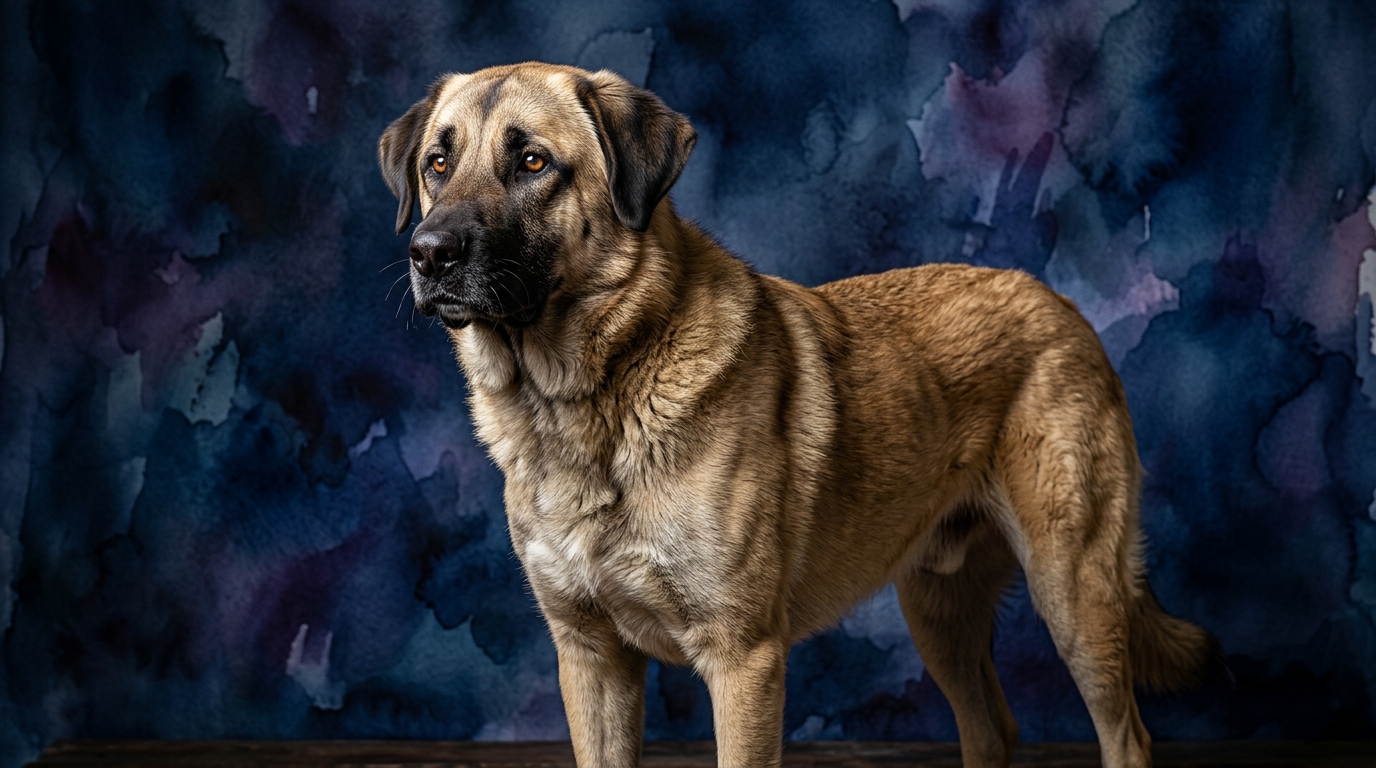
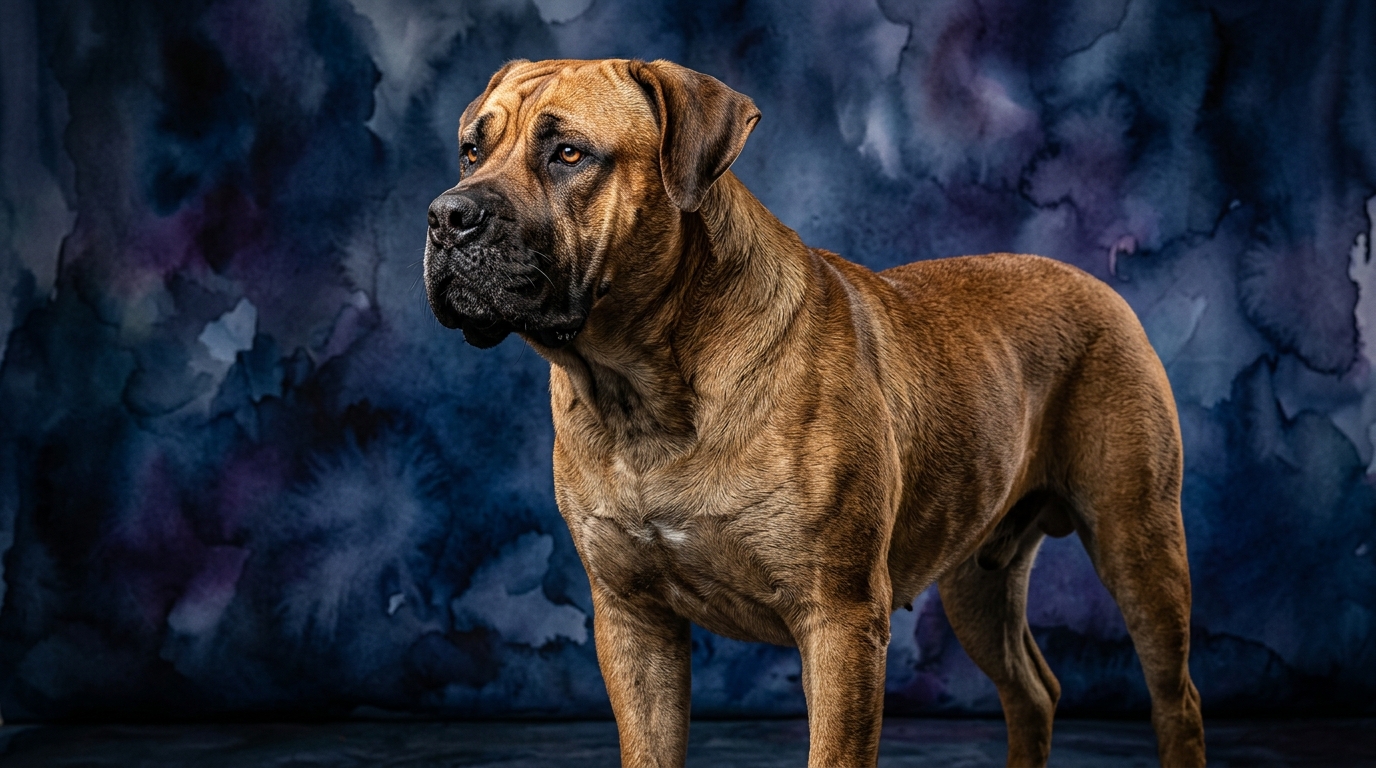
Side-by-Side Cognitive Profiles: Guardians in Thought
The Cosmic Pet Pet IQ Lab assesses five key cognitive dimensions, and both the Anatolian Shepherd Dog and the Boerboel consistently register a robust 3 out of 5 across the board. This score indicates a solid, functional intellect well-suited to their demanding working roles, rather than a deficiency. It signifies a practical application of cognitive resources, prioritizing utility and effectiveness in their environments.
For the **Anatolian Shepherd Dog**, a 3/5 in **Problem Solving** reflects a capacity for independent, self-directed decision-making vital for a livestock guardian operating autonomously in vast, often remote territories. This isn't about solving abstract puzzles, but about assessing environmental threats, determining appropriate responses to predators, and ensuring flock safety without constant human direction. Their **Training Speed** at 3/5 suggests they grasp commands and routines effectively, though their inherent independence means they often weigh commands against their primary guarding instincts. A 3/5 in **Social Intelligence** points to a keen awareness of their flock's dynamics, understanding subtle cues from animals and discerning genuine threats from harmless encounters, while often remaining reserved with unfamiliar humans. Their **Instinctive Drive** at 3/5 is deeply rooted in territorial protection and guardianship, manifesting as unwavering vigilance and a strong protective impulse towards their charges and family. Finally, a **Memory** score of 3/5 indicates they reliably recall established routines, recognize familiar individuals and territories, and retain lessons learned from past encounters with threats or challenges, crucial for long-term effectiveness in their demanding role.
The **Boerboel** also exhibits a 3/5 in **Problem Solving**, which for this breed translates to a strategic and adaptive approach to securing its home and family territory. They are adept at evaluating potential threats, determining the most effective way to intercept or deter intruders, and adapting their protective strategies based on the situation. Their **Training Speed** at 3/5 means they learn commands and boundaries efficiently, often driven by a strong desire to please and protect their human family, though their assertiveness requires consistent, clear guidance. A 3/5 in **Social Intelligence** for the Boerboel signifies a deep attunement to their family's emotional states and a discerning nature when encountering strangers, quickly categorizing them as friend or potential foe based on context and owner's cues. Their **Instinctive Drive** also scores 3/5, manifesting as an intense, unwavering loyalty and a powerful urge to protect their family and property, displaying courage and readiness to act when a threat is perceived. A **Memory** score of 3/5 means they retain training, remember individuals (both welcome and unwelcome), and recall the layout and boundaries of their protected domain with precision, contributing to their reliable and consistent guardianship.
Where the Anatolian Shepherd Dog Excels Cognitively
The Anatolian Shepherd Dog's cognitive strengths shine particularly in scenarios demanding independent judgment and self-reliance over vast distances. Their 3/5 problem-solving ability is uniquely geared towards autonomous decision-making in the absence of direct human command, a critical trait for a livestock guardian that might be alone with its flock for days. They display a nuanced understanding of animal behavior, not just as a reactive protector, but as a proactive manager of herd dynamics, interpreting subtle cues from sheep or goats to anticipate potential issues.
Their social intelligence, while reserved towards strangers, is profoundly developed within the context of their charges, allowing them to integrate seamlessly into a flock and understand its delicate balance. This isn't about complex social games with humans, but about a deep, intuitive grasp of their primary mission and the environment, a specialized cognitive application that fewer breeds possess. Their memory supports this by recalling specific predator patterns or vulnerable spots in a pasture, building a mental map of threats and safe zones over time.
Where the Boerboel Takes the Lead Cognitively
The Boerboel's cognitive strengths lean towards a more direct, assertive, and family-centric application of their 3/5 scores. Their problem-solving is often focused on immediate, tangible threats within a defined home or farm environment, demonstrating a strategic assessment of how to best neutralize a perceived danger to their family. They excel at quickly processing information in a dynamic household setting, discerning between a friendly visitor and an intruder with impressive speed and confidence.
Their social intelligence, while equally rated at 3/5, manifests differently; it's deeply interwoven with human family dynamics. They read their owner's intentions and moods with accuracy, using this information to inform their protective responses. This makes them highly responsive to their family's needs and a formidable, yet discerning, personal guardian. Their memory is particularly robust for recognizing individuals and recalling specific training cues in high-stakes situations, ensuring consistent protective behavior.
Training Dynamics: Independence vs. Assertiveness
When considering ease of training, the distinction lies in how their inherent drives interact with instruction. The Anatolian Shepherd Dog, with its 3/5 training speed, learns effectively but often prioritizes its deeply ingrained independence and guarding instincts. They may understand a command but choose to obey only if it aligns with their assessment of the situation, particularly in guarding scenarios. Training requires immense patience, consistency, and a deep understanding of their independent working nature; they are not inherently eager to please in the same way some other breeds might be, preferring to act on their own judgment. For example, recalling an Anatolian from patrolling a fence line might be challenging if they perceive a lingering scent or sound that suggests a threat, as their internal directive overrides a simple 'come' command.
The Boerboel, also at 3/5 training speed, generally responds well to training due to their strong bond with family and a desire to be a valuable protector. However, their assertiveness and powerful protective drive mean training must be firm, consistent, and confident from an early age. They require an owner who can establish clear leadership and channel their formidable instincts appropriately. A Boerboel might learn a 'stay' command quickly, but if a perceived threat approaches, their strong protective drive will test the boundaries of that training. Real behavioral differences lie in the Anatolian's tendency to question instructions that don't align with its ancient guardian role, versus the Boerboel's potential to override commands if its protective instincts are powerfully engaged, demanding a handler who can consistently reinforce control without breaking their spirit.
Suitability for Lifestyles: Active Engagement vs. Independent Guardianship
For active owners, the Boerboel often presents a more direct match. Their need for regular physical exercise is substantial, and their desire to engage with their family means they thrive on activities that involve their human companions, such as brisk walks, structured play, or even advanced obedience training. Their protective instincts, when properly channeled, mean they enjoy accompanying their owners on adventures, acting as a vigilant, ever-present guardian. They demand a high level of mental engagement through training and social interaction with their family, making them suitable for owners who enjoy integrating their dog into many aspects of their active lives.
Relaxed owners, or those seeking a more independent companion, might find the Anatolian Shepherd Dog a better fit, but with significant caveats. While they don't necessarily demand constant high-intensity activity with their owner in the same way a Boerboel might, their mental and physical needs are still substantial. Their 'activity' often involves patrolling, observing, and independently managing their territory, which is mentally taxing but doesn't always require direct owner participation. They are content to observe and guard from a distance, making them suitable for owners who appreciate a dog with a strong sense of purpose and self-sufficiency, often in a more rural or expansive setting where their guarding instincts can be fulfilled naturally without constant direct interaction. However, 'relaxed' does not mean 'hands-off'; even an independent Anatolian requires careful socialization, consistent training, and ample space.
The Verdict: Choosing Your Guardian
Deciding between these two impressive guardians hinges on the specific nature of the guardianship you require and your capacity to engage with their unique cognitive and behavioral profiles.
Choose the Anatolian Shepherd Dog if your lifestyle demands a highly independent guardian, particularly for livestock or expansive property, where the dog's ability to make autonomous decisions and manage threats without constant human oversight is paramount. This breed thrives with owners who respect their self-sufficiency and can provide a large, secure environment for their innate patrolling and protective drives.
Choose the Boerboel if you seek a powerful, family-focused protector who will actively engage in household life and requires a confident, consistent leader to channel their strong protective instincts effectively. This breed is ideal for owners who are prepared for significant training commitment and desire a vigilant companion deeply integrated into their active family unit and territory.
The Verdict
Choose the Anatolian Shepherd Dog for independent, self-reliant guardianship of livestock or large properties, valuing their ability to make autonomous decisions. They thrive with owners who appreciate their ancient working methods and provide ample space for their patrolling instincts.
Choose the Boerboel if you desire a highly family-oriented protector, deeply integrated into your home life, and are prepared for consistent, firm training to channel their powerful protective drives. They suit active owners who can provide clear leadership and engage them in a structured environment.
🧠 Find Your Pet's IQ Score
Our Pet IQ Lab assessment covers 25+ tests across 5 cognitive dimensions — personalized to your breed.
Take the Full IQ Test →Frequently Asked Questions
Do Anatolian Shepherd Dogs require a lot of mental stimulation?
Yes, while their stimulation often comes from patrolling and observing their territory, rather than complex puzzle toys, their minds are constantly engaged in assessing their environment. Providing opportunities for them to 'work' by guarding or observing is key to their mental well-being.
Are Boerboels good with children and other pets?
Boerboels can be excellent family protectors and can coexist with children and other pets if properly socialized from a young age and consistently trained. Their strong protective instincts mean supervision is always necessary, and they need to learn appropriate interactions with all family members.
Which breed is more suitable for first-time dog owners?
Neither breed is typically recommended for first-time dog owners due to their strong protective instincts, large size, and specific training needs. Both require experienced handlers who understand working breeds and can provide consistent leadership and socialization to ensure they develop into well-adjusted companions.