Side-by-Side Cognitive Profiles: Decoding the Nuances
At first glance, the Cosmic Pet Pet IQ Lab data presents a perplexing picture: both the Anatolian Shepherd Dog and the Italian Greyhound register identical scores across all five intelligence dimensions. Each breed scores 3 out of 5 for Problem Solving, Training Speed, Social Intelligence, Instinctive Drive, and Memory. This numerical parity, however, belies a rich tapestry of behavioral and adaptive differences that demand a deeper, contextual interpretation.
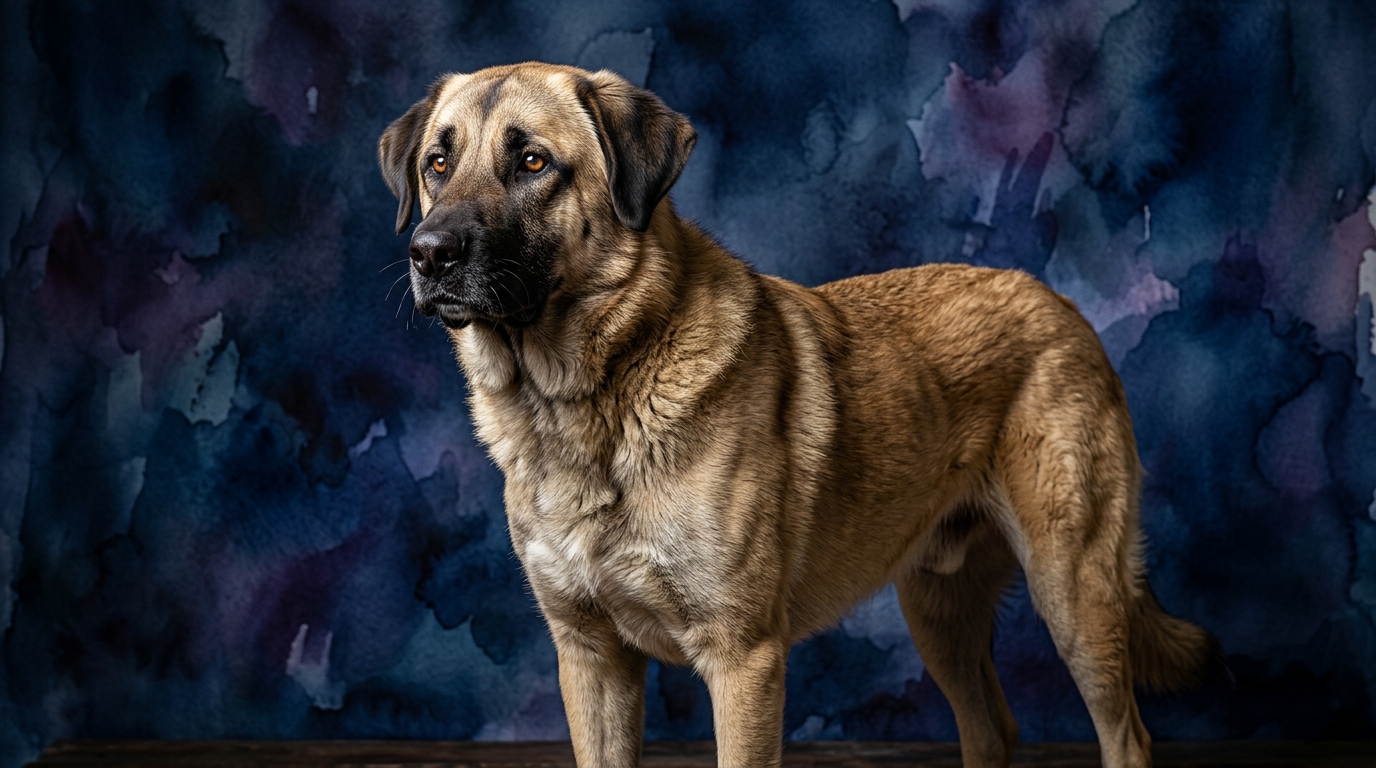
For the Anatolian Shepherd Dog, a 'Problem Solving' score of 3/5 translates into an independent, often strategic approach to challenges, particularly those related to flock or territory protection. They are not dogs that seek constant human instruction for every decision; rather, they are adept at assessing threats and implementing their own solutions, sometimes with a stubborn determination. Their 'Training Speed' at 3/5 suggests they are capable learners, but their inherent independence means they process commands with a filter, often weighing them against their own understanding of a situation or their guardian instincts. This isn't a lack of capacity, but a distinct learning style.
An Anatolian's 'Social Intelligence' at 3/5 typically manifests as a discerning nature. They are often aloof with strangers, carefully observing before accepting, but deeply attuned to the well-being and dynamics of their immediate family or 'flock.' Their 'Instinctive Drive' at 3/5 is overwhelmingly centered on guardianship, a powerful, innate urge to protect. This drive underpins much of their cognitive function, influencing how they perceive their environment and respond to stimuli. Finally, their 'Memory' at 3/5 signifies a strong recall for routines, boundaries, and past experiences, particularly those related to their protective duties or significant events within their territory.
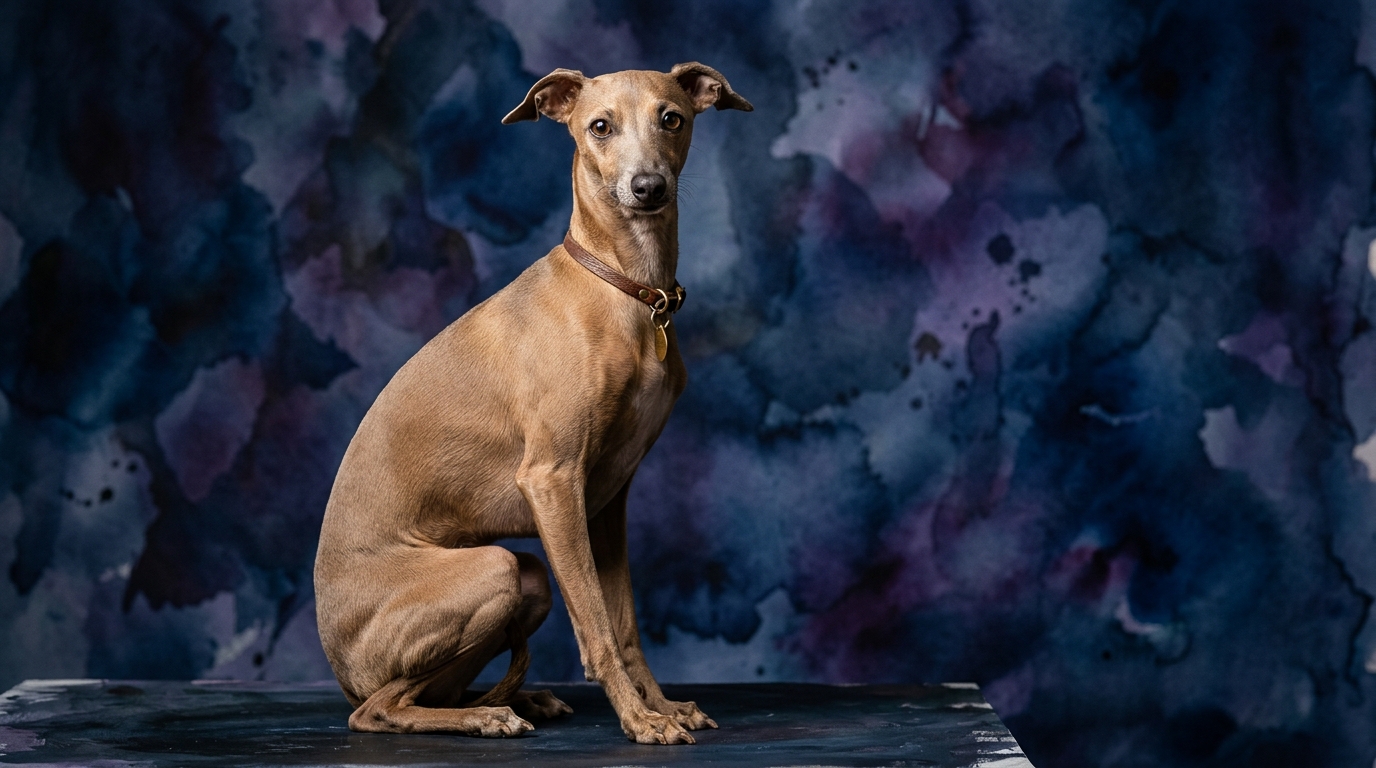
The Italian Greyhound, despite the same 3/5 scores, applies these cognitive skills in a vastly different world. Their 'Problem Solving' at 3/5 might involve intricate strategies for securing a comfortable spot on the sofa, navigating complex indoor environments, or cleverly manipulating their human companions for treats or attention. This is often expressed through agility and quick thinking rather than stoic deliberation. Their 'Training Speed' at 3/5 indicates they can grasp new concepts readily, but their sighthound nature often means a short attention span, sensitivity to harsh methods, and a strong preference for positive, engaging instruction. They learn best when it's fun and rewarding.
An Italian Greyhound's 'Social Intelligence' at 3/5 is typically expressed through a deep sensitivity and emotional attunement to their human family. They are often highly affectionate, thriving on companionship and picking up on subtle human moods and cues. Their 'Instinctive Drive' at 3/5 is predominantly a prey drive, manifesting as an intense desire to chase small, fast-moving objects, often leading to bursts of incredible speed. This drive can sometimes override other cognitive functions in the heat of the moment. Their 'Memory' at 3/5 is often keen for routines, preferred people, and locations associated with comfort, play, or food, allowing them to anticipate events and form strong bonds.
Where the Anatolian Shepherd Dog Excels Cognitively
While sharing numerical scores, the Anatolian Shepherd Dog's cognitive strengths shine in scenarios demanding independent judgment and steadfast resolve. Their 3/5 problem-solving skill is particularly potent when faced with ambiguous threats or situations requiring proactive defense without direct human command. This manifests as an ability to patrol boundaries, assess potential dangers, and make decisions to deter intruders or protect livestock autonomously, a trait honed over centuries as guardian dogs.
Their social intelligence, though appearing reserved, is profoundly specialized. A 3/5 social intelligence score for an Anatolian signifies a sophisticated capacity to differentiate between friend and foe, to understand the subtle dynamics within their 'flock,' and to respond appropriately to perceived threats. This isn't about universal amiability but about discerning loyalty and danger with precision. Their memory reinforces this, allowing them to recall past interactions and apply learned lessons in complex, real-world guardian scenarios, building a comprehensive mental map of their territory and its inhabitants.
Where the Italian Greyhound Shines Cognitively
The Italian Greyhound’s cognitive strengths, though numerically similar, are finely tuned for a domestic environment and bursts of athletic prowess. Their 3/5 problem-solving frequently involves clever strategies to achieve comfort or gain attention. This might include figuring out how to open a cupboard, subtly nudging a human for a cuddle, or finding the warmest, coziest spot in the house, demonstrating an adaptive intelligence focused on personal well-being and social interaction.
Their social intelligence, also a 3/5, is often characterized by a profound emotional sensitivity and an almost uncanny ability to read human moods. They excel at forming deep, empathetic bonds, making them highly responsive companions within a family unit. This sensitivity allows them to anticipate needs and offer comfort, often through gentle physical contact or quiet companionship. Their memory contributes to this by retaining knowledge of preferred people, routines, and the emotional context of past interactions, fostering strong, lasting relationships.
Training Dynamics: Independence Versus Sensitivity
Determining which breed is 'easier' to train is less about raw intellectual capacity and more about aligning methods with their inherent temperaments. Both breeds score 3/5 in Training Speed, indicating a moderate ability to learn, but their underlying motivations and responses to training differ significantly. The Anatolian Shepherd Dog, with its strong independent streak and guardian instincts, requires a confident, consistent handler who understands their purpose. They won't always offer instant, eager compliance; instead, they weigh commands against their own judgment. Training an Anatolian is about building trust and respect, demonstrating that you are a capable leader whose directives align with their protective nature. Repetitive, rote training can be met with disinterest, whereas tasks that engage their problem-solving and protective drives tend to be more successful. Their large size also necessitates early, thorough training for manageability.
The Italian Greyhound, while also scoring 3/5 in Training Speed, responds best to positive reinforcement, short, engaging sessions, and a gentle approach. Their sighthound sensitivity means they can shut down or become anxious with harsh corrections. They are often quick to learn tricks or cues when motivated by high-value treats or praise, but their instinctive prey drive can make recall challenging in unfenced areas. House-training can be a particular hurdle for some Italian Greyhounds, not due to a lack of intelligence, but often stemming from their delicate nature and preference for warmth, making outdoor excursions in inclement weather less appealing. Consistency and patience are paramount, utilizing their social intelligence to foster cooperation through positive connection rather than dominance.
Matching Lifestyles: Active Management vs. Affectionate Companionship
When considering an Anatolian Shepherd Dog, owners must appreciate that 'active' refers less to constant physical exertion and more to active management and purpose. While they benefit from regular, moderate exercise and ample space, their primary need is a job or a clear role within the family. They are not suited for owners seeking a purely relaxed companion who requires minimal oversight. Their independent problem-solving and strong instinctive drive mean they need consistent mental stimulation, boundary reinforcement, and appropriate socialization to prevent them from making their own, potentially undesirable, decisions regarding their territory and family.
The Italian Greyhound, in contrast, suits owners who appreciate bursts of intense activity followed by extensive periods of affectionate lounging. They are capable of incredible speed and agility during their 'zoomies' but are equally content snuggled on a lap or under a blanket. They are highly adaptable to apartment living, provided they have opportunities for secure, off-leash running in a fenced area. Their 'relaxed' owner is someone who enjoys a sensitive, emotionally attuned companion, provides a warm, comfortable home, and understands their need for both playful sprints and deep, cozy naps.
The Verdict
Choose the Anatolian Shepherd Dog if you possess ample property, experience with guardian breeds, and are prepared to dedicate consistent effort to their independent nature and protective instincts.
Opt for the Italian Greyhound if you seek a sensitive, affectionate companion, appreciate bursts of playful energy followed by extensive cuddling, and can provide a secure, cozy home environment.
🧠 Find Your Pet's IQ Score
Our Pet IQ Lab assessment covers 25+ tests across 5 cognitive dimensions — personalized to your breed.
Take the Full IQ Test →Frequently Asked Questions
Are Anatolian Shepherd Dogs good with children and other pets?
Anatolians, when properly socialized from a young age, can be protective and gentle with their own family's children and livestock. However, their strong guarding instincts mean they may not tolerate strange children or unfamiliar animals and require careful introduction and supervision.
Do Italian Greyhounds require a lot of exercise?
Italian Greyhounds enjoy short bursts of intense running and play, often referred to as 'zoomies,' but are not high-stamina dogs. They need a secure area for these sprints, but are generally content with moderate daily walks and extensive lounging, making them suitable for various living situations.
What are the common training challenges for each breed?
Anatolian Shepherds can be challenging due to their independent nature and strong will, requiring patient, consistent leadership and understanding of their guardian instincts. Italian Greyhounds, while quick learners, can be sensitive to harsh methods and present challenges with house-training and recall due to their prey drive and delicate disposition.