Side-by-Side IQ Profile: Interpreting Identical Scores
A superficial glance at the IQ scores for both the Anatolian Shepherd Dog and the Kooikerhondje reveals an intriguing uniformity: each breed scores 3/5 across all five cognitive dimensions. However, these identical numerical ratings mask significant differences in how these capacities are expressed and applied, shaped profoundly by their historical roles and inherent temperaments.
A 3/5 in Problem Solving indicates a dog capable of navigating moderately complex situations and finding solutions, though perhaps not consistently demonstrating innovative or highly abstract thought. For the Anatolian Shepherd Dog, this score reflects its capacity to assess threats to its flock, determine appropriate deterrents, and make independent decisions in a dynamic, often solitary environment. It suggests an ability to adapt its guarding strategies to evolving circumstances, like changing predator behaviors or new environmental challenges, relying on observation and learned experience rather than rote commands. For the Kooikerhondje, a 3/5 in problem solving manifests in its historical role of luring ducks into traps; this requires strategic thinking, understanding cause-and-effect (its movements leading ducks closer), and adapting its luring patterns based on the ducks' reactions. It implies a dog that can figure out sequences and spatial relationships to achieve a goal, rather than just performing simple tasks.
A 3/5 for Training Speed suggests a moderate pace of learning new commands and behaviors, requiring consistent repetition and clear communication but not an excessive amount of effort. For the Anatolian Shepherd Dog, this means they are certainly capable of learning, but their independent nature and strong drive to protect might mean they learn best when they perceive a command as relevant to their purpose or when they respect the handler's leadership. They might not be the quickest to pick up arbitrary tricks, but will internalize important commands related to their duties. For the Kooikerhondje, a 3/5 indicates they are receptive to training and can acquire new skills at a reasonable rate, particularly when the training is engaging and taps into their natural retrieving and luring instincts. Their willingness to cooperate often makes the training process feel smoother, even if the actual acquisition speed is moderate.
A 3/5 in Social Intelligence points to a dog that can understand and respond to social cues from both humans and other animals, showing a moderate level of empathy and communication skill. For the Anatolian Shepherd Dog, this score reflects its ability to discern friend from foe, understand the subtle body language of its livestock, and respond appropriately to the demeanor of its human family, even while maintaining a reserved stance towards strangers. Its social acumen is geared towards protecting its charges and understanding its territory's inhabitants. For the Kooikerhondje, this score highlights its aptitude for working closely with human hunters, interpreting subtle hand signals and vocal cues, and collaborating effectively in a team. It also points to their capacity to read the behavior of ducks, adjusting their luring technique to exploit the waterfowl's curiosity and instincts, making them highly attuned social partners in their specific work.
An Instinctive Drive score of 3/5 suggests a pronounced but manageable set of innate behaviors that are integral to the breed's historical function. For the Anatolian Shepherd Dog, this drive is predominantly expressed as territoriality and a powerful protective instinct towards its flock or family. This isn't an aggressive drive but a vigilant, deterrent one, manifesting as patrolling, barking at perceived threats, and physically interposing itself between its charges and danger. This ingrained purpose means they are often self-motivated in their guarding duties. For the Kooikerhondje, the 3/5 in instinctive drive is channeled into its inherent desire to chase, retrieve, and lure. This manifests as a strong prey drive, a natural inclination to use its tail to attract attention, and a persistent focus on objects that can be retrieved, making them enthusiastic participants in activities like fetch or scent work.
A 3/5 in Memory indicates a good capacity to recall learned commands, routines, and experiences over time, but perhaps not an extraordinary ability to remember highly complex sequences or minute details without reinforcement. For the Anatolian Shepherd Dog, this score implies they remember their territory's boundaries, the individual members of their flock, and the faces of their human family, along with established routines for patrolling and interaction. They retain important safety protocols and who belongs where. For the Kooikerhondje, this memory score suggests they can recall complex luring patterns, the location of retrieved items, and the sequences of tricks or agility courses. They benefit from consistent routines and practice, building on their ability to remember specific actions linked to rewards and successful outcomes in their working tasks.
Where the Anatolian Shepherd Dog Wins Cognitively
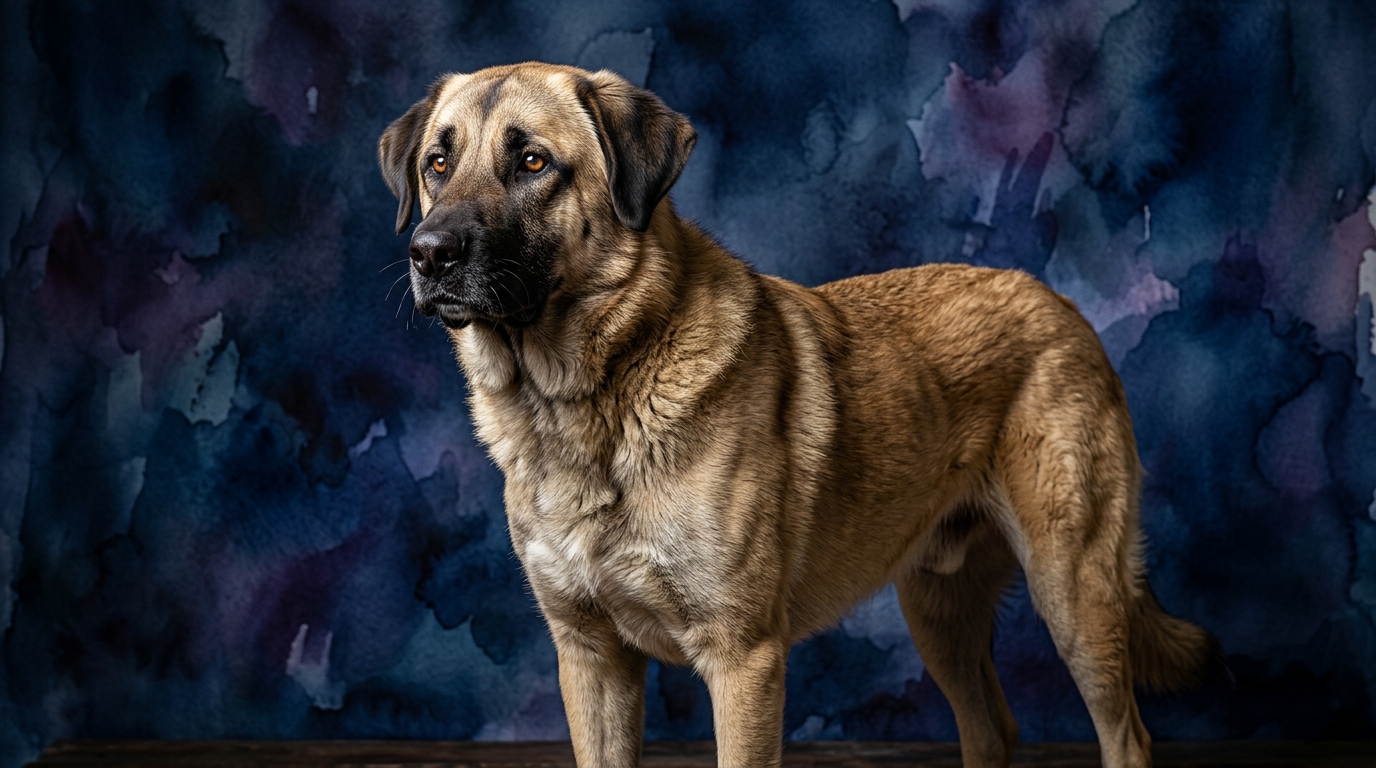
Despite identical numerical scores, the Anatolian Shepherd Dog exhibits a distinct cognitive strength rooted in its profound independent problem-solving and decision-making within its guardian role. While rated 3/5, this breed excels in assessing dynamic, unstructured situations without direct human intervention. For instance, an Anatolian will autonomously evaluate a potential threat to its flock, determining whether to bark, posture, or physically intervene based on subtle environmental cues and its memory of past encounters, rather than waiting for a command. Its social intelligence, though also 3/5, is specifically honed for discerning the subtle behaviors of livestock and predatory animals, allowing it to anticipate movements and maintain order in its charge. This breed's memory is particularly adept at retaining the intricate topography of its assigned territory, remembering the location of water sources, safe havens, and potential ingress points for perceived dangers, creating a comprehensive mental map essential for effective, autonomous guardianship.
Where the Kooikerhondje Wins Cognitively
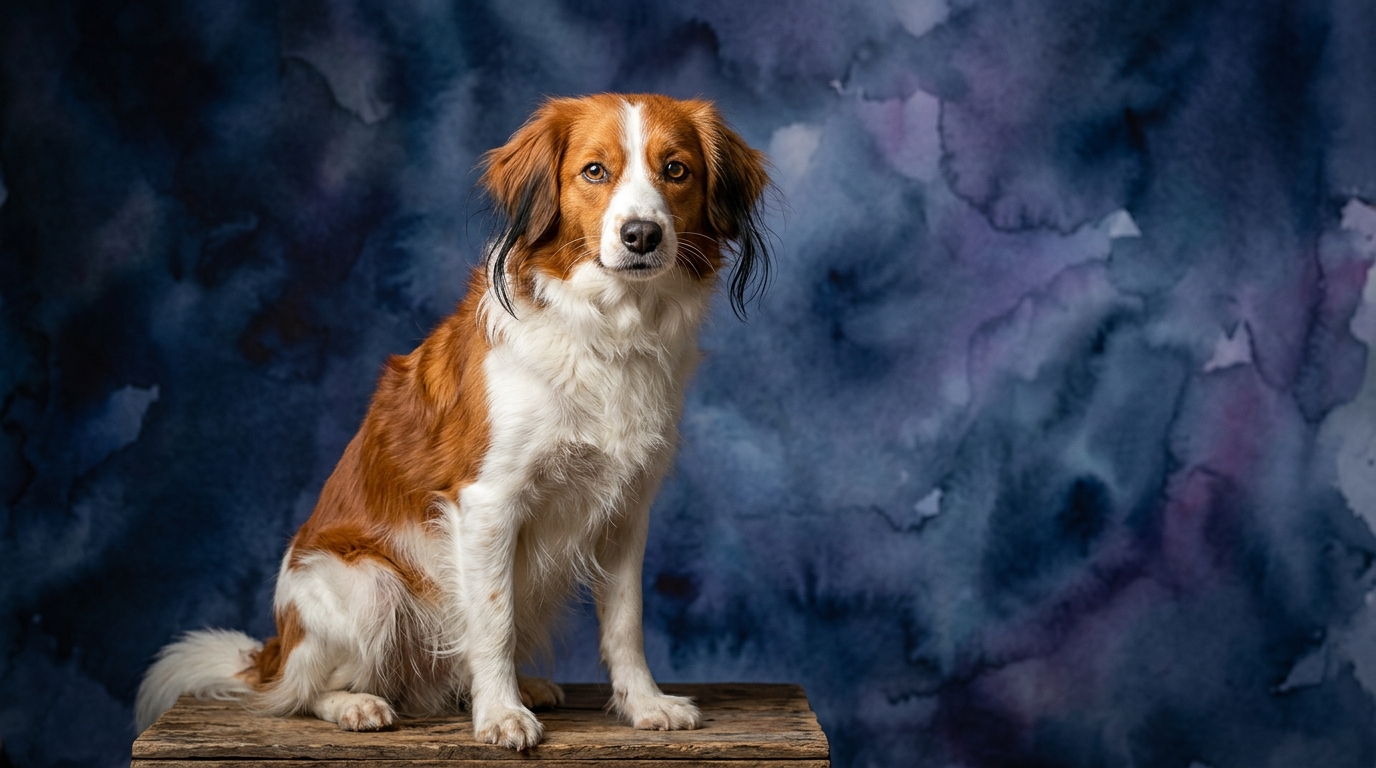
The Kooikerhondje, with its 3/5 scores, demonstrates a unique cognitive advantage in tasks requiring strategic cooperation and intricate sequential memory. Its problem-solving, while also rated 3/5, is finely tuned for the specific, multi-step process of luring ducks. This involves a nuanced understanding of how its movements and tail wagging influence waterfowl behavior, requiring a strategic adaptation of tactics in real-time. The Kooikerhondje's social intelligence, similarly a 3/5, shines in its ability to closely collaborate with a human handler, interpreting subtle cues to execute precise luring patterns and retrieves. This partnership relies on a deep understanding of human intent and a willingness to work in concert. Furthermore, its memory, also 3/5, is particularly effective for recalling complex sequences of actions, such as navigating an agility course, executing a series of luring maneuvers, or remembering the precise location of a fallen bird, making it adept at structured, goal-oriented tasks.
Which is Easier to Train and Why
While both breeds hold a 3/5 rating for training speed, the Kooikerhondje generally presents an easier training experience for the average owner due to its inherent disposition and historical purpose. The Kooikerhondje’s strong desire to cooperate and its enthusiastic, often playful approach to tasks make it highly receptive to positive reinforcement and engaging training methods. Its instinctive drive for retrieving and luring translates into a natural eagerness to learn commands that involve interaction and activity, making training feel like a collaborative game. Conversely, the Anatolian Shepherd Dog's 3/5 training speed is coupled with a profound independence and a strong sense of self-preservation and protection. Training an Anatolian requires immense patience, consistency, and a deep understanding of its guardian mindset. They are not dogs that blindly obey; they need to understand the 'why' behind a command and respect their handler's leadership. What might be perceived as stubbornness is often their independent assessment of a situation, meaning training focuses more on partnership and trust than on strict obedience, making the process more challenging for those accustomed to highly biddable breeds.
Suitability for Active vs. Relaxed Owners
When considering lifestyle compatibility, the Kooikerhondje is undoubtedly better suited for active owners. This breed thrives on consistent mental and physical engagement, requiring daily opportunities for vigorous play, structured training sessions, and activities like agility, retrieving, or scent work that tap into their sporting instincts. A Kooikerhondje will flourish with an owner who enjoys outdoor adventures and can provide varied, stimulating activities to keep their nimble minds and bodies occupied. A more relaxed owner might find the Kooikerhondje's energy levels and need for engagement overwhelming, potentially leading to boredom-induced behaviors. The Anatolian Shepherd Dog, while not a couch potato, suits an owner who understands 'active' in a different context. They require ample space to patrol and observe, fulfilling their instinctive drive for guardianship. Their activity is often purposeful and self-directed, involving monitoring their territory rather than constant high-intensity play. They need consistent mental engagement through their duties but don't typically demand the same level of interactive, human-led exercise as a Kooikerhondje. A 'relaxed' owner for an Anatolian means someone who provides a secure environment, understands their independent nature, and offers consistent, calm leadership, rather than someone seeking a constant playmate.
The Verdict
Choose the Anatolian Shepherd Dog if you are an experienced owner seeking a supremely independent, vigilant guardian with vast space to roam, valuing a dog that makes autonomous decisions to protect its territory and family. This breed thrives with owners who respect its self-sufficient nature and can provide calm, consistent leadership without expecting blind obedience.
Opt for the Kooikerhondje if you are an active, engaging owner looking for a cooperative, playful companion eager to participate in structured activities, agility, or retrieving, thriving on mental stimulation and close partnership. This breed flourishes with consistent training, interactive play, and an owner who enjoys channeling its sporting instincts.
🧠 Find Your Pet's IQ Score
Our Pet IQ Lab assessment covers 25+ tests across 5 cognitive dimensions — personalized to your breed.
Take the Full IQ Test →Frequently Asked Questions
Do Anatolian Shepherd Dogs require extensive exercise?
Anatolian Shepherd Dogs require ample space to fulfill their natural patrolling and guarding instincts, rather than intense, constant exercise like fetching. Their activity is often self-directed, involving monitoring their territory and staying vigilant, making consistent, purposeful movement more important than high-impact play.
Are Kooikerhondjes good for first-time dog owners?
Kooikerhondjes can be suitable for dedicated first-time owners who are prepared for their energy levels and commitment to consistent training. Their cooperative nature makes them receptive learners, but their need for mental and physical stimulation requires an owner willing to invest time in engaging activities.
How do their guarding instincts differ?
The Anatolian Shepherd Dog possesses a powerful, independent guarding instinct focused on territory and livestock protection, often acting autonomously to deter threats. The Kooikerhondje, while alert and protective of its family, does not exhibit the same level of territorial guardianship, instead showing a more typical companion dog's watchfulness and vocal alerts.