Side-by-Side IQ Profiles: Guardian vs. Companion
The Cosmic Pet Pet IQ Lab assesses canine intelligence across five key dimensions, each rated on a 1 to 5 scale. Interestingly, both the Anatolian Shepherd Dog and the Toy Fox Terrier score a consistent 3/5 across all categories, indicating a moderate, capable level of intelligence. However, the *application* of these cognitive abilities diverges significantly, reflecting their deeply ingrained breed purposes.
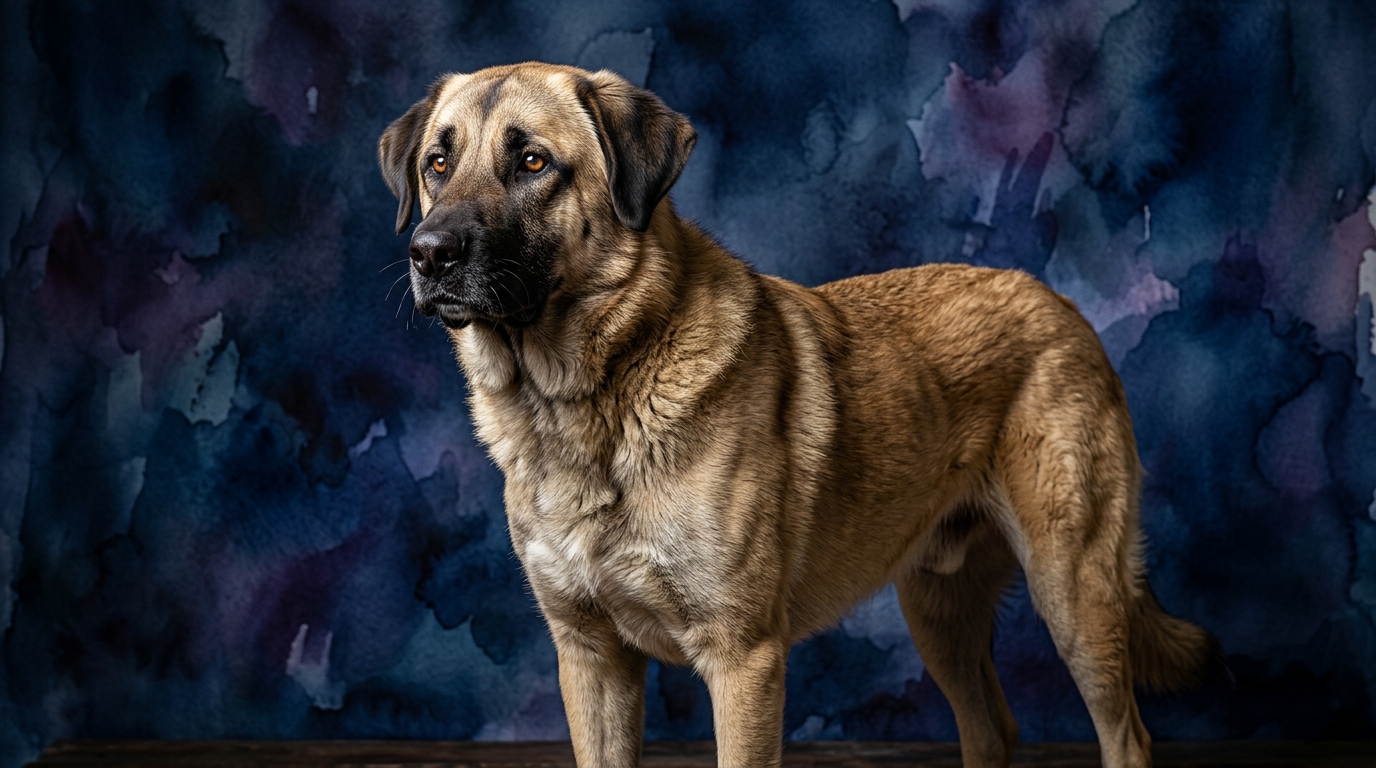
For the **Anatolian Shepherd Dog**, a 3/5 in **Problem Solving** manifests as independent decision-making in their traditional role as livestock guardians. They aren't typically solving complex puzzles for human entertainment, but rather assessing threats, strategizing to deter predators, and navigating challenging terrain to protect their flock. Their solutions are often practical, direct, and rooted in their protective instincts, rather than intricate multi-step tasks. A **Training Speed** of 3/5 for an Anatolian often means they learn commands at a steady pace, but their deep-seated independence can sometimes make compliance conditional; they understand what is asked but will weigh it against their own judgment or perceived priorities. This isn't a lack of ability, but rather a strong sense of self-reliance, requiring consistent, patient, and respect-based training methods. Their **Social Intelligence** at 3/5 is geared towards understanding the dynamics within their flock (both animal and human family) and discerning intentions of outsiders, crucial for distinguishing friend from foe. While not overtly demonstrative with strangers, they form deep, protective bonds with their inner circle, reading their family's needs and moods with quiet perceptiveness. The Anatolian's **Instinctive Drive** is profoundly centered on guardianship, with a 3/5 score indicating a strong, unwavering impulse to protect and patrol, often manifesting as territoriality, vigilance, and a readiness to intervene against perceived threats. This drive is not easily suppressed; it's the very essence of their being. Finally, a moderate **Memory** score of 3/5 means Anatolians retain learned behaviors, routes, and experiences effectively, remembering perceived threats, safe zones, and the routines of their charges to support their guarding duties and maintain consistent vigilance.
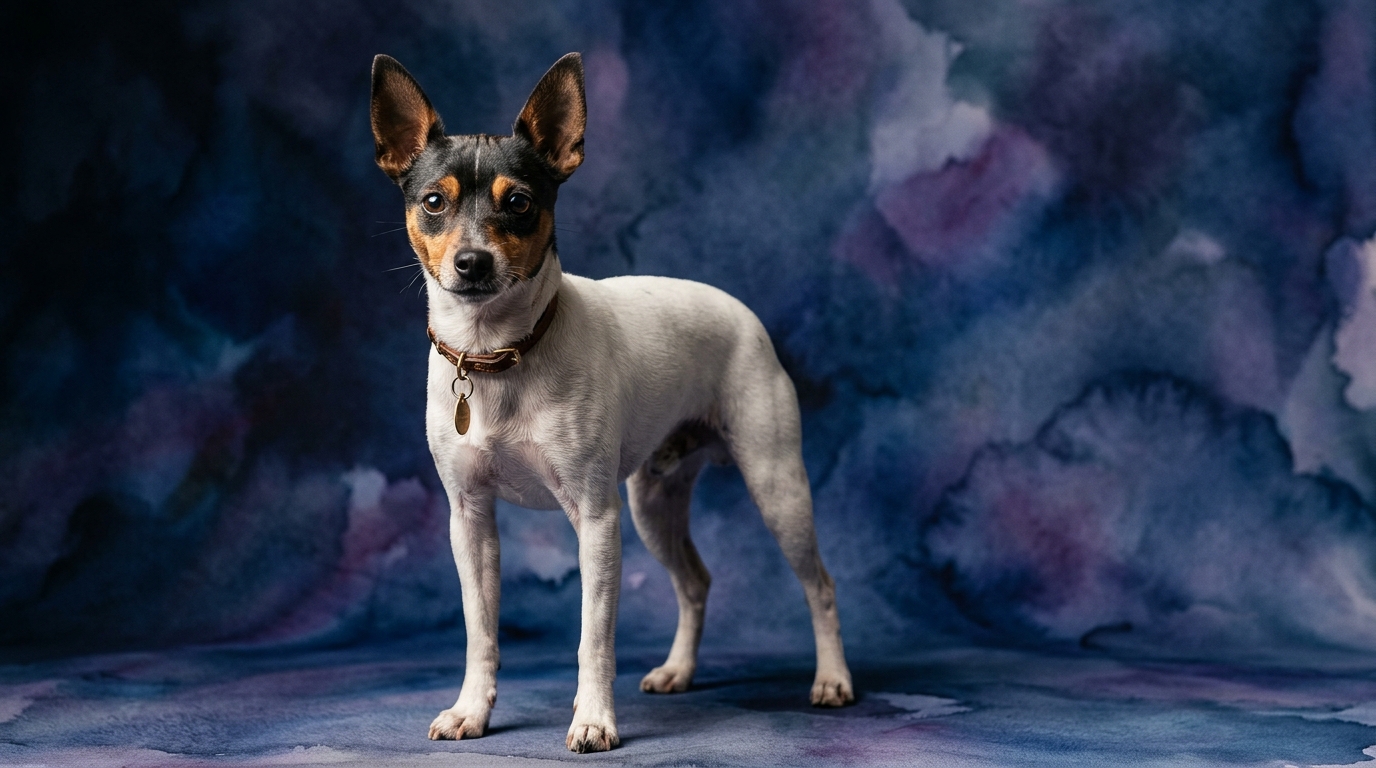
In contrast, the **Toy Fox Terrier** also scores 3/5 across the board, but their cognitive expression is tailored for a different world. Their 3/5 **Problem Solving** often involves figuring out how to get what they want within a domestic setting. This could mean cleverly manipulating objects to reach a treat, devising strategies to get attention, or navigating complex household layouts to find a comfortable spot. Their solutions are often quick, agile, and sometimes mischievous, reflecting their quick wit and desire for engagement. A 3/5 **Training Speed** for a TFT indicates they are capable learners, picking up new tricks and commands reliably when motivated. Their terrier tenacity means they can be persistent, and while they grasp concepts well, their independent streak and occasional distractibility might require engaging, varied training sessions to maintain focus and enthusiasm, responding best to positive reinforcement. Toy Fox Terriers exhibit a robust **Social Intelligence** at 3/5, focused on interacting with their human companions and other animals. They are adept at reading human emotions, understanding social cues, and adapting their behavior to elicit desired responses, whether it's playtime or comfort, thriving on companionship. The TFT’s **Instinctive Drive** at 3/5, while different from the Anatolian’s, is equally present, reflecting a strong prey drive, a desire to chase and 'dispatch' small vermin, even in a domestic environment, alongside a drive for play and exploration. This drive makes them lively, alert, and always ready for action. Their **Memory** score of 3/5 means they possess a good memory for routines, commands, and the locations of favored toys or treats, quickly learning what behaviors lead to rewards and which lead to reprimands, helping them navigate daily life to achieve their goals.
Where the Anatolian Shepherd Dog Cognitively Excels
The Anatolian Shepherd Dog’s cognitive profile truly shines in its capacity for independent judgment and unwavering vigilance. Their problem-solving and instinctive drive combine for superior autonomous guarding; they don't need human commands to assess threats to livestock or family, making their own decisions based on observation and experience. This is a critical cognitive strength for their intended purpose, showcasing an ability to weigh risks and make independent decisions in dynamic, potentially dangerous situations without direct human oversight.
Furthermore, their memory and social intelligence are finely tuned for maintaining broad situational awareness across large territories. They remember patterns of intrusion, identify unusual occurrences, and possess an innate understanding of their boundaries. This sustained, wide-ranging vigilance, coupled with their protective drive, is a cognitive advantage over breeds less focused on such expansive, long-term monitoring, demonstrating a deep-seated mental fortitude for their guardian role.
Where the Toy Fox Terrier Cognitively Excels
The Toy Fox Terrier's cognitive strengths are best observed in their adaptability and quick wit within a domestic environment. While both breeds score 3/5 in problem-solving, the TFT's manifests as quick, agile thinking focused on household challenges. They are exceptionally good at figuring out how to manipulate objects, solve small 'puzzles' for treats, or engage in clever mischief, demonstrating a nimble mental process for navigating their human-centric world. Their social intelligence is also highly geared towards understanding and charming humans, making them masters of eliciting attention and affection.
Their cognitive abilities are also intrinsically linked to their physical quickness and agility. Their problem-solving is often expressed through rapid decision-making during play or when pursuing a perceived 'prey' like a bouncing ball. Their memory quickly links actions to immediate consequences, allowing for swift adjustments in behavior to achieve a desired outcome, making them highly responsive in fast-paced interactive games and training sessions.
Training Dynamics: Independence vs. Engagement
Despite both breeds having a 3/5 training speed, the practical experience of training an Anatolian Shepherd Dog versus a Toy Fox Terrier can feel distinctly different due to their inherent behavioral drivers. Training an Anatolian demands a unique approach because of their deep-seated independence. Bred to think for themselves, they often need to understand the *purpose* behind a command, or they might decide it's not a priority in their guarding duties. Their social intelligence allows them to form strong bonds, but their compliance is often earned through mutual respect, consistent, fair leadership, and a clear understanding of their role, rather than an eager-to-please mentality. Training an Anatolian requires significant patience, an understanding of their guardian instincts, and a willingness to work *with* their strong will, rather than against it.
The Toy Fox Terrier, also with a 3/5 training speed, often *feels* easier to train for many owners, especially in a domestic context. While they possess terrier tenacity and can be stubborn, their strong desire for human interaction and their moderate instinctive drive for play make them highly motivated by positive reinforcement and engaging activities. Their social intelligence allows them to quickly grasp what pleases their human, and they are keen to learn tricks and participate in games, making training sessions lively and often more immediately rewarding for owners seeking a responsive companion. The primary challenge with a TFT often lies in managing their occasional short attention span and ensuring consistency, rather than overcoming a deep-seated independent streak.
Lifestyle Suitability: Purpose-Driven vs. Active Companionship
When considering which breed aligns with an owner's lifestyle, their cognitive profiles offer clear guidance. The Toy Fox Terrier, with its zest for life and moderate instinctive drive for play and interaction, is an excellent match for active owners who enjoy engaging in various activities. They thrive on regular mental and physical stimulation, whether it's agility, obedience, trick training, or simply energetic walks and play sessions. They possess a robust energy level for their size and enjoy being involved in family adventures, making them ideal companions for those who want a dog to actively participate in their hobbies. Their social intelligence ensures they are keen to interact and perform for their people.
The Anatolian Shepherd Dog is best suited for owners who are 'active' in providing a clear purpose, ample space, and consistent, calm leadership, rather than seeking a high-intensity playmate. While not requiring constant, high-intensity games, they need significant acreage to patrol or a well-defined role within the family to satisfy their strong instinctive drive for guardianship. Owners must be prepared for vigilant observation, independent decision-making, and a dog whose 'activity' often involves surveying their domain rather than performing tricks on command. Their cognitive profile demands an owner who can provide security and structure, allowing their natural drives to manifest appropriately; they are not for the casual owner but for those dedicated to managing a powerful, independent working breed.
The Verdict
Choose an Anatolian Shepherd Dog if you seek an independent, vigilant guardian for a large property or livestock, and are prepared to provide consistent, respectful leadership for a dog whose problem-solving and social intelligence are geared towards protection.
Choose a Toy Fox Terrier if you desire a lively, intelligent, and engaging companion for an active household, who thrives on interactive play and easily adapts their moderate cognitive abilities to domestic life and trick training.
🧠 Find Your Pet's IQ Score
Our Pet IQ Lab assessment covers 25+ tests across 5 cognitive dimensions — personalized to your breed.
Take the Full IQ Test →Frequently Asked Questions
Do Anatolian Shepherd Dogs make good family pets, given their guarding instincts?
Yes, Anatolian Shepherd Dogs can be devoted family pets, forming deep bonds with their human 'flock.' Their social intelligence allows them to distinguish family from strangers, but their strong protective drive requires early socialization and consistent training to ensure they are appropriate with visitors.
Are Toy Fox Terriers suitable for apartment living?
Toy Fox Terriers can adapt to apartment living if their moderate energy levels and instinctive drives are met with sufficient mental and physical exercise. Regular walks, play sessions, and engaging training are crucial to prevent boredom and ensure a well-adjusted companion in smaller spaces.
How do these breeds compare in terms of vocalization?
Anatolian Shepherd Dogs tend to be more vocal as guardians, using barks to alert or deter threats, especially at night. Toy Fox Terriers are also known for being quite vocal, often barking at perceived intruders, during play, or to demand attention, reflecting their alert nature and social intelligence.