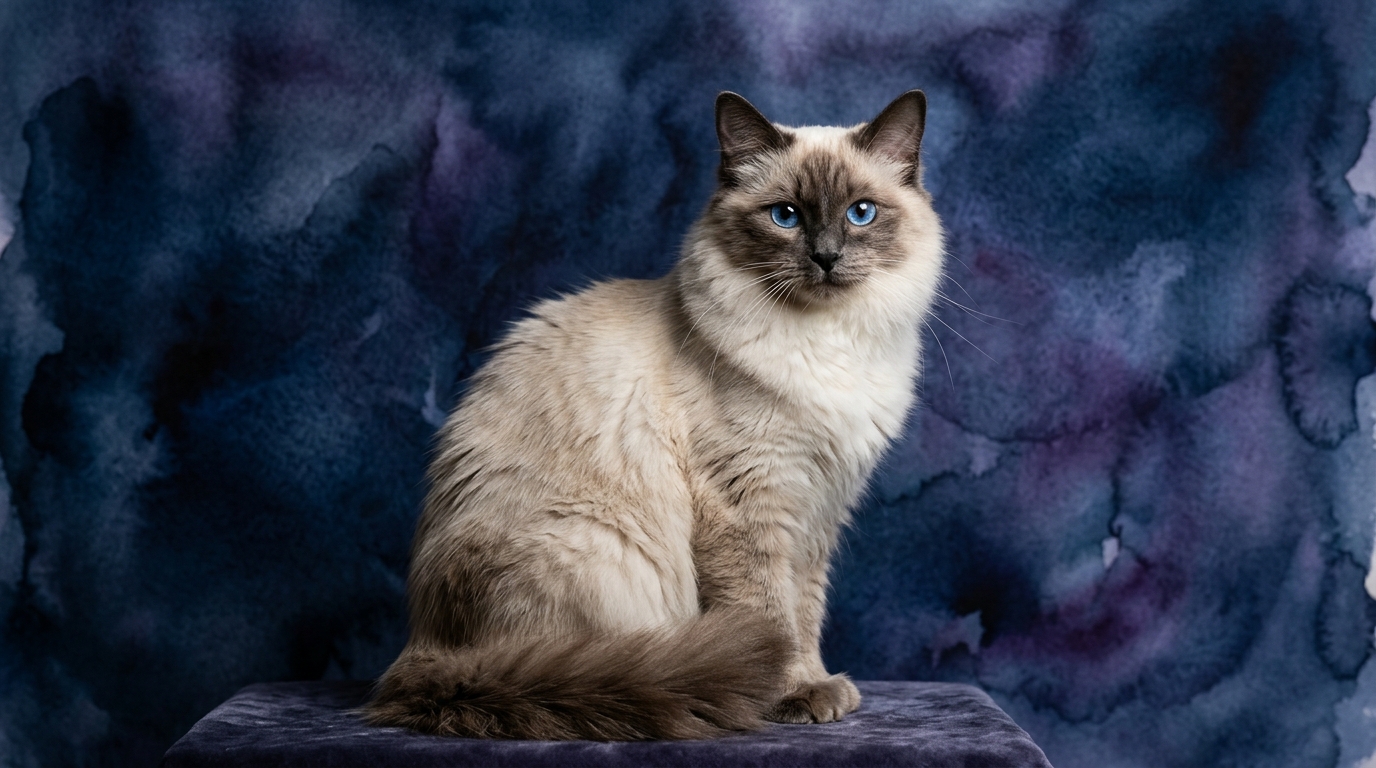
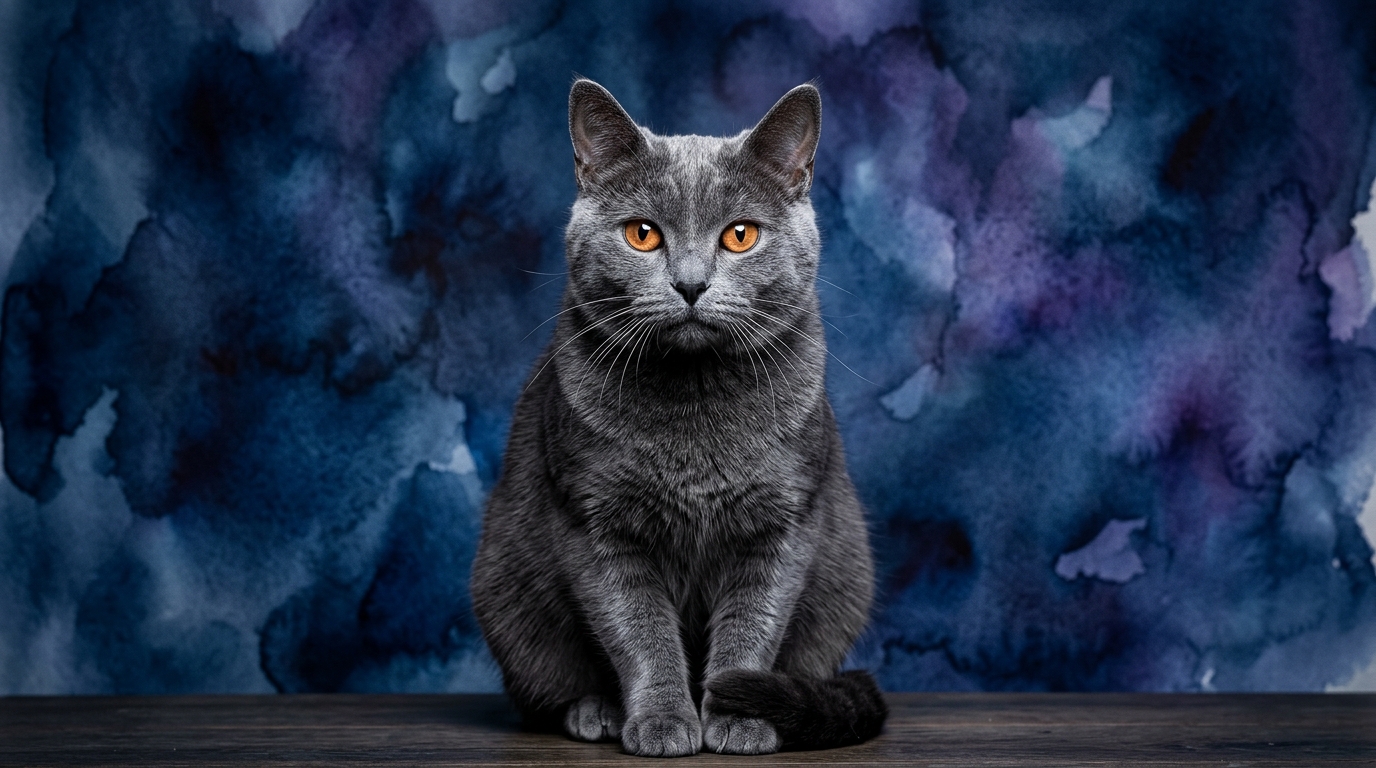
Side-by-Side IQ Profile
To truly understand these breeds, we examine their cognitive abilities across five key dimensions.
Problem Solving (Balinese 4/5, Chartreux 4/5): Both breeds exhibit a commendable capacity for navigating novel situations and devising solutions. A Balinese might cleverly open a cupboard, while a Chartreux shows similar ingenuity with puzzle feeders, demonstrating flexible and adaptable approaches to their environment.
Training Speed (Balinese 5/5, Chartreux 3/5): Here, a significant difference emerges. The Balinese stands out with a perfect 5/5, indicating rapid assimilation of commands and new behaviors, from tricks to leash training. The Chartreux, while capable, progresses at a more measured pace (3/5), requiring more repetition and patience to solidify new skills.
Social Intelligence (Balinese 5/5, Chartreux 4/5): The Balinese excels with an exceptional 5/5, showing a profound ability to understand and respond to human emotions and social cues, forming deep, anticipatory bonds. The Chartreux scores well at 4/5, appreciating companionship and displaying a strong connection, though perhaps with a more reserved expression of social awareness.
Instinctive Drive (Balinese 3/5, Chartreux 4/5): This dimension highlights innate behaviors. The Chartreux's 4/5 suggests a pronounced inclination towards natural feline instincts like stalking and exploration. The Balinese, at 3/5, expresses these drives more moderately, often preferring interactive play over solitary hunting.
Memory (Balinese 4/5, Chartreux 4/5): Both breeds share an identical 4/5 score, indicating an excellent capacity to recall past experiences, learn from them, and remember routines and specific interactions over time.
Where Balinese Wins Cognitively
The Balinese's cognitive strengths shine particularly in areas emphasizing interaction and rapid skill acquisition. Their perfect 5/5 in Training Speed means they are exceptionally receptive to learning, swiftly grasping commands or routines, whether it's litter box training or harness walking. This remarkable alacrity, coupled with their outstanding 5/5 in Social Intelligence, makes them highly responsive companions. Balinese cats are adept at reading human cues, fostering a deep, communicative bond where they actively participate in the household's social dynamic and often anticipate their owner's desires.
Where Chartreux Wins Cognitively
While the Balinese excels in social learning, the Chartreux demonstrates a compelling edge in its instinctive drives, scoring 4/5. This suggests a cat deeply connected to its primal feline behaviors, often displaying a more pronounced and independent drive to hunt, explore, and establish its territory. Owners might observe a Chartreux meticulously stalking a feather wand with intense focus or systematically investigating every new corner of their home. This robust instinctive nature contributes to their self-sufficient demeanor, often content with solitary play or quiet observation.
Which is Easier to Train and Why
Based on their IQ profiles, the Balinese clearly emerges as the easier breed to train, primarily due to their superior Training Speed (5/5). Their quick uptake of new information means fewer repetitions are needed to learn commands or modify behaviors, translating to less frustration for both cat and owner. For instance, a Balinese might learn 'sit' after just a few sessions, while a Chartreux (3/5 Training Speed) requires more extended, consistent practice. The Balinese's high Social Intelligence further aids training, as they are often eager to please and highly attuned to their owner's feedback, making the process collaborative and enjoyable.
Which Suits Active Owners vs Relaxed Owners
The Balinese, with its high social intelligence and rapid training speed, generally thrives with active and engaged owners who appreciate an interactive companion. They enjoy participating in household activities, learning new things, and engaging in frequent communicative exchanges. Owners prepared for a cat that 'talks' to them, follows them, and actively seeks interaction will find the Balinese a delightful match. Conversely, the Chartreux, with its stronger instinctive drive and more moderate social intelligence, often suits more relaxed owners. While they enjoy companionship, their need for constant interaction is less pronounced, content with periods of independent exploration or quiet observation, making them ideal for a less overtly 'hands-on' approach.
The Verdict
When selecting between these captivating breeds, the choice hinges on your lifestyle and desired feline companionship dynamic. If you seek a highly interactive, communicative, and quickly trainable companion eager for complex play and social routines, the Balinese is an exceptional choice.
For those preferring a more serene, self-sufficient cat with a strong intrinsic drive for exploration and a quieter, yet devoted, presence, the Chartreux offers a wonderful match.
🧠 Find Your Pet's IQ Score
Our Pet IQ Lab assessment covers 25+ tests across 5 cognitive dimensions — personalized to your breed.
Take the Full IQ Test →Frequently Asked Questions
Do Balinese cats require a lot of mental stimulation?
Yes, Balinese cats, with their high problem-solving and social intelligence, thrive on mental engagement. Puzzle toys, interactive play, and opportunities to learn new tricks are highly beneficial for keeping them content and preventing boredom.
Are Chartreux cats prone to destructive behaviors if not mentally stimulated?
Chartreux cats, possessing a strong instinctive drive, benefit from outlets for natural behaviors like hunting and exploration. A lack of appropriate stimulation might lead to them finding their own "prey" in household items or exploring forbidden areas, rather than outright destruction.
Can a Chartreux cat be leash trained, despite its lower training speed?
Absolutely, Chartreux cats can certainly be leash trained, but it will require more patience, consistency, and positive reinforcement compared to a Balinese. Their good memory means once they learn, they retain the skill, but the initial learning phase may be longer.