Side-by-Side Cognitive Profiles
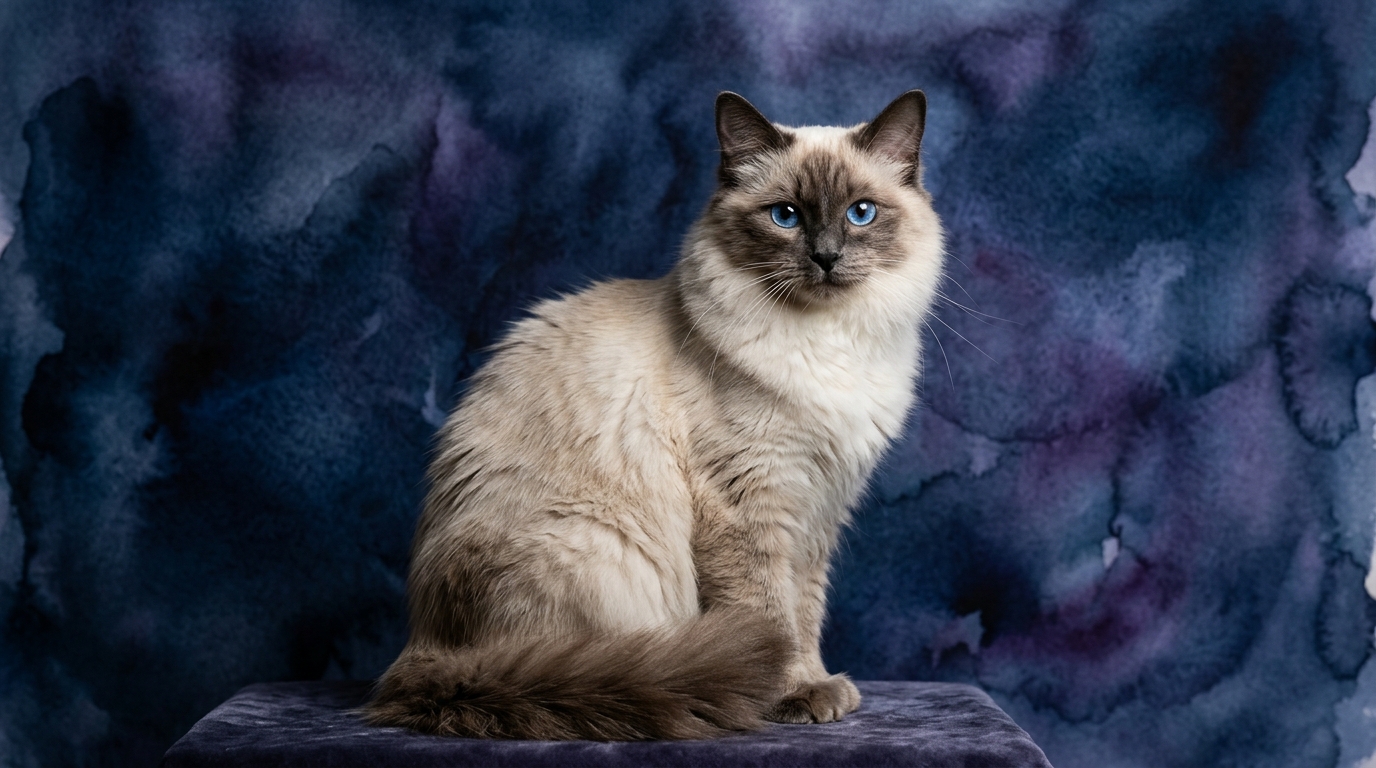
The Balinese cat presents a truly engaging cognitive blueprint, excelling in several key areas. Their Problem Solving is rated at a commendable 4 out of 5, indicating a strong capacity for navigating novel situations and figuring out how objects work or how to access desired items. Where they truly shine is in Training Speed, achieving a perfect 5 out of 5, suggesting an exceptional ability to grasp new commands and routines with remarkable quickness. Their Social Intelligence also scores a top-tier 5 out of 5, pointing to a profound understanding of human cues and complex social dynamics within a household. While their Instinctive Drive sits at a moderate 3 out of 5, their Memory is robust at 4 out of 5, enabling them to recall past experiences and learned behaviors effectively.
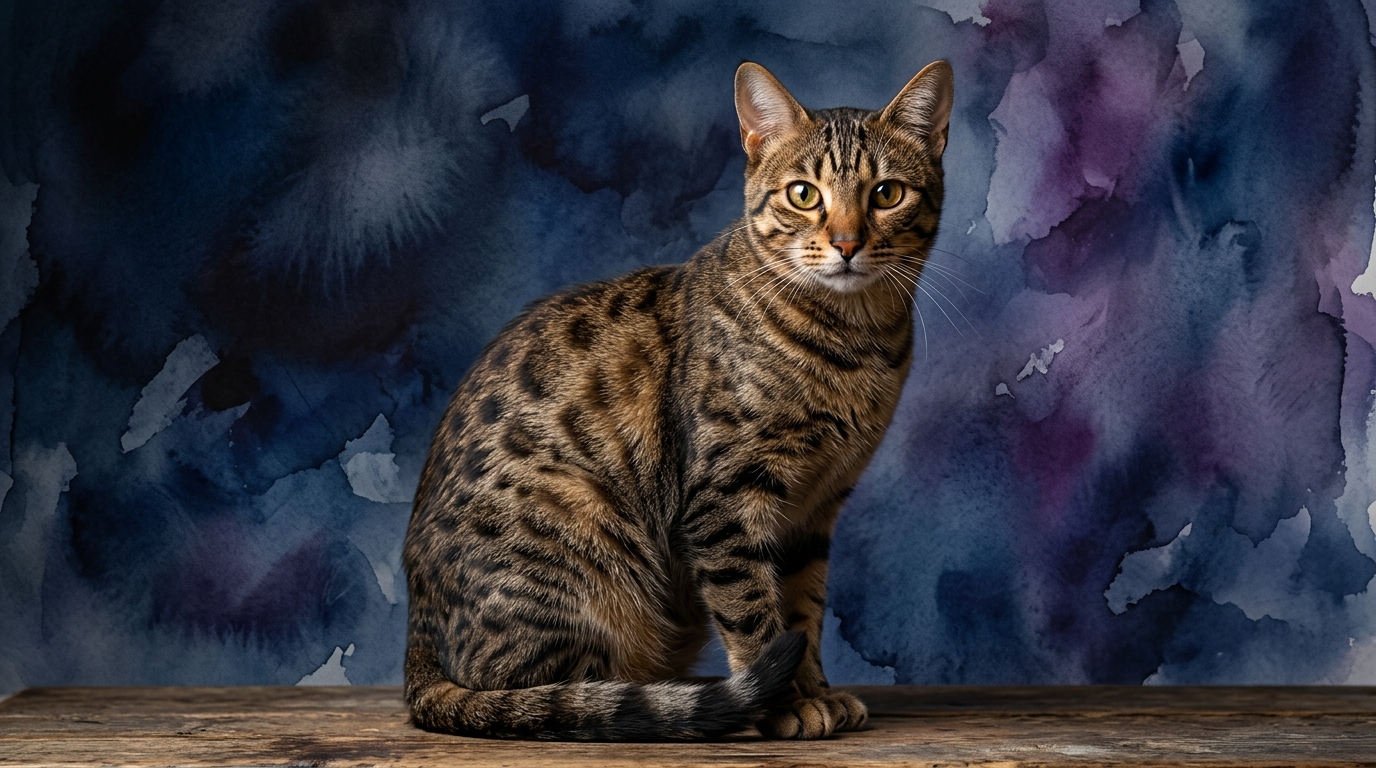
In contrast, the Egyptian Mau displays a more balanced, yet equally intriguing, cognitive profile across the board. Their Problem Solving ability is rated at 3 out of 5, indicating a competent capacity for figuring things out, albeit perhaps not with the same rapid ingenuity as the Balinese. Similarly, their Training Speed is a solid 3 out of 5, meaning they can certainly learn, though they might require more repetition or a different approach compared to their Balinese counterparts. Their Social Intelligence also registers at 3 out of 5, suggesting they form strong bonds and understand human interaction, but perhaps with a slightly less overt or intricate display of social awareness. Their Instinctive Drive mirrors the Balinese at 3 out of 5, highlighting a natural inclination towards typical feline behaviors like hunting and exploration, and their Memory is also rated 3 out of 5, allowing them to retain important information and routines.
Where the Balinese Excels Cognitively
The Balinese cat undeniably stands out in areas requiring rapid learning and sophisticated social interaction. Their 5/5 Training Speed means they can pick up complex tricks, respond to verbal commands, or master intricate agility courses with impressive swiftness, often surprising owners with their quick comprehension. This isn't just about simple 'sit' commands; it extends to learning multi-step sequences or even distinguishing between various objects based on spoken names. Coupled with their 5/5 Social Intelligence, Balinese cats often appear to 'read' their human companions, anticipating needs or responding to subtle emotional shifts, making them exceptionally attuned companions. They are adept at understanding household routines and even manipulating situations to their advantage through nuanced communication, such as specific meows for different desires or body language that clearly conveys their intentions. Their 4/5 Problem Solving further supports this, allowing them to figure out how to open cabinets, activate interactive toys, or even solve logic puzzles designed for pets, demonstrating a persistent and adaptive approach to mental challenges.
Unique Strengths of the Egyptian Mau's Cognitive Profile
While the Balinese shines in rapid acquisition and social nuance, the Egyptian Mau's cognitive profile, characterized by consistent 3/5 scores across most dimensions, offers a different kind of strength: a balanced and practical application of their mental faculties. Their 3/5 Instinctive Drive, matching the Balinese, means they possess a strong, innate drive for exploration and hunting, a characteristic deeply rooted in their lineage. This drive, combined with a competent 3/5 Problem Solving ability, allows them to be effective and resourceful in their natural environment or when engaging with simulated prey. They might not solve a puzzle box as quickly as a Balinese, but their approach is often methodical and persistent, driven by their underlying instincts. Their 3/5 Social Intelligence indicates a capacity for forming deep, meaningful bonds, often expressed through a quieter, more observant affection compared to the overt engagement of a Balinese. This suggests an appreciation for companionship that doesn't demand constant, high-intensity interaction, making them wonderfully present companions without being overwhelming. The Mau's 3/5 Memory ensures they reliably remember their territory, routines, and who provides their favorite treats, contributing to their sense of security and consistency.
Which is Easier to Train and Why
When it comes to formal training, the Balinese cat generally presents a smoother, more accelerated learning curve. Their exceptional 5/5 Training Speed means they grasp new concepts with minimal repetition, often seeming to understand what's expected after just a few attempts. This speed is significantly bolstered by their 5/5 Social Intelligence, which makes them highly responsive to human cues, praise, and positive reinforcement. A Balinese is often eager to please and thrives on interactive mental stimulation, making them ideal candidates for clicker training, leash walking, or even learning complex sequences of commands. Owners often report that Balinese cats actively participate in training sessions, displaying an almost collaborative spirit in the learning process. Conversely, the Egyptian Mau, with its 3/5 Training Speed and Social Intelligence, might require a more patient and consistent approach. While certainly trainable, they may not exhibit the same immediate eagerness or rapid comprehension. Training a Mau often benefits from methods that tap into their natural instincts, such as using feather wands for 'fetch' or incorporating puzzle feeders that satisfy their problem-solving and foraging drives. They learn effectively, but typically at a more measured pace, relying more on consistent repetition and clear, reward-based motivation rather than an inherent drive to perform for human approval.
Suits Active vs. Relaxed Owners
The distinct cognitive profiles of the Balinese and Egyptian Mau lead to different compatibility levels with owner lifestyles. The Balinese, with its high scores in problem-solving, training speed, and social intelligence, thrives with active owners who are prepared to provide significant mental stimulation and interactive engagement. These cats often enjoy learning new tricks, playing complex games, and participating in household activities, requiring an owner who can dedicate time to regular, enriching play sessions and intellectual challenges. They are social creatures who appreciate being at the heart of family life and can become restless or vocal if their cognitive and social needs are not met. For owners who enjoy a highly interactive, communicative, and 'involved' feline companion, the Balinese is an excellent match. The Egyptian Mau, on the other hand, with its more balanced cognitive scores, is well-suited for owners who appreciate a cat with a natural independence balanced by affection, without the same intensity of cognitive demand. While they certainly enjoy play and interaction, their needs for constant mental challenges might be less pronounced than the Balinese. A Mau appreciates a consistent routine and a stable environment where they can explore, observe, and engage on their own terms. They are adaptable companions for those who enjoy a calm presence but also value a cat's innate curiosity and playful bursts. They are an ideal choice for owners seeking a companion that is present and affectionate but doesn't necessarily demand the constant intellectual 'work' that a Balinese might.
The Verdict
Choose a Balinese if you desire a highly interactive, quick-learning companion eager to engage in complex training and social interactions, thriving on constant mental stimulation.
Opt for an Egyptian Mau if you prefer a balanced, independent yet affectionate cat that appreciates consistent routines and expresses its intelligence through natural curiosity and resourceful play, without demanding intense cognitive challenges.
🧠 Find Your Pet's IQ Score
Our Pet IQ Lab assessment covers 25+ tests across 5 cognitive dimensions — personalized to your breed.
Take the Full IQ Test →Frequently Asked Questions
Do Balinese cats require more mental enrichment than Egyptian Maus?
Yes, generally Balinese cats, with their higher problem-solving and social intelligence scores, thrive on more frequent and varied mental challenges. They benefit from puzzle toys, learning new commands, and extensive interactive play to keep their minds engaged, whereas Maus are content with a more moderate level of enrichment.
Can an Egyptian Mau be trained to do tricks like a Balinese?
While an Egyptian Mau can certainly learn tricks, their training speed is rated lower than a Balinese. They may require more patience, consistency, and reward-based motivation, often responding well to methods that tap into their natural instincts, compared to the Balinese's rapid comprehension and eagerness to please.
Which breed is more likely to 'talk' or communicate vocally?
Balinese cats, with their high social intelligence, are generally known for being more vocal and communicative, using a range of meows and chirps to express themselves. Egyptian Maus are typically quieter, expressing their needs and affections through more subtle body language and purrs, though individual personalities can vary.