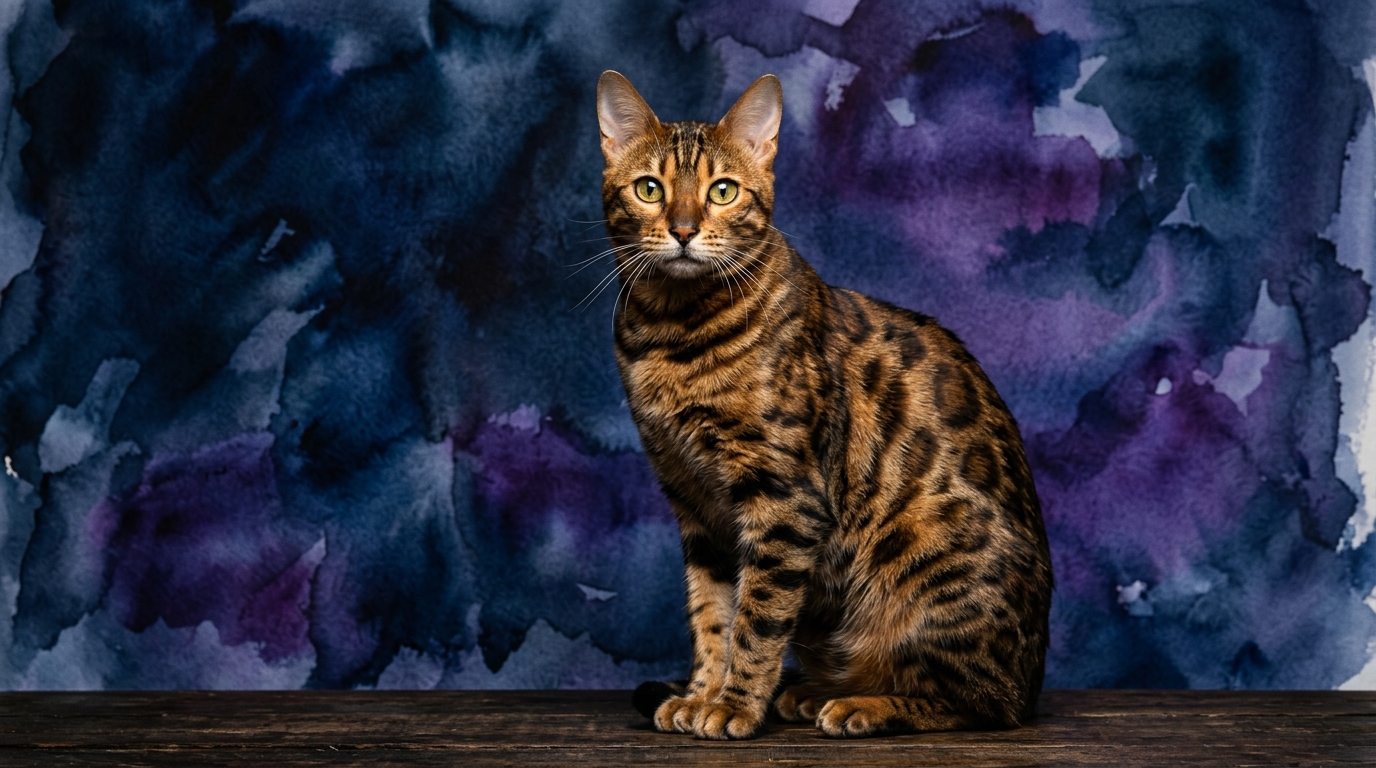
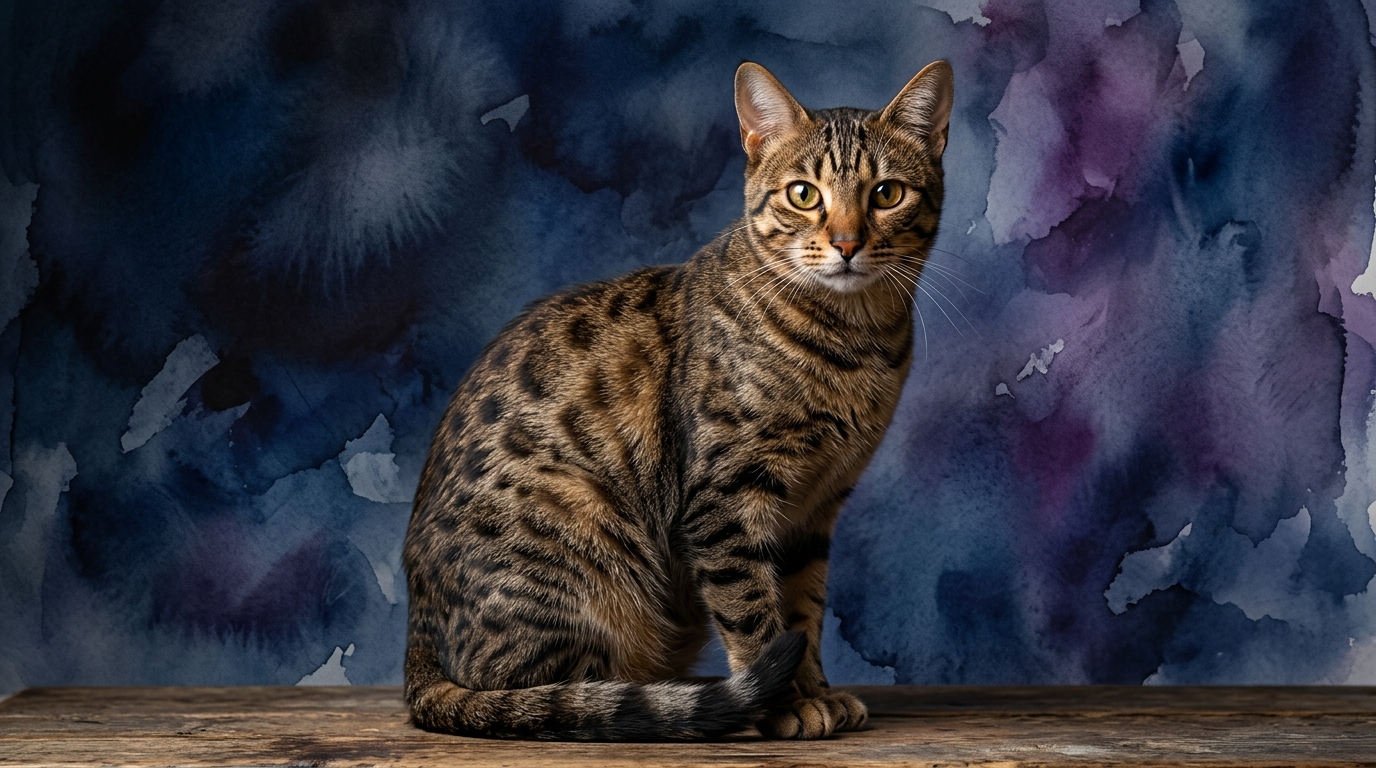
Side-by-Side IQ Profile: Bengal vs. Egyptian Mau
The Bengal presents a formidable cognitive profile, marked by exceptional problem-solving abilities (5/5), allowing them to quickly decipher complex puzzles or navigate intricate environments. Their training speed (4/5) indicates a rapid grasp of new commands and routines, often thriving on mental challenges. Social intelligence (4/5) suggests a nuanced understanding of human cues and interactions, fostering strong bonds. An intense instinctive drive (5/5) powers their curiosity and exploratory behaviors, while their memory (5/5) ensures long-term retention of learned information and experiences. These combined traits paint a picture of a highly engaged and mentally agile feline.
In contrast, the Egyptian Mau exhibits a more moderately paced cognitive style, with problem-solving capabilities rated at 3/5, suggesting they approach challenges with deliberation rather than immediate, intense engagement. Their training speed (3/5) indicates a steady learning curve, requiring consistent, patient guidance to master new skills. Social intelligence (3/5) points to a preference for select, familiar company, forming deep but often reserved connections. An instinctive drive (3/5) suggests a balanced curiosity, less prone to relentless exploration than some breeds, and their memory (3/5) supports a reliable recall of their routines and preferred interactions. This profile describes a cat that is thoughtful and adaptable within its established comfort zone.
Where the Bengal Wins Cognitively
The Bengal's cognitive strengths significantly outshine the Egyptian Mau in several key areas. With a problem-solving rating of 5/5 compared to the Mau's 3/5, Bengals demonstrate a remarkable capacity to analyze and overcome obstacles. This means they are more likely to figure out how to open childproof latches, navigate complex interactive feeders, or even learn multi-step sequences to achieve a desired outcome, such as retrieving a specific toy. Their superior memory (5/5 vs. 3/5) reinforces this, allowing them to retain these complex solutions and apply them consistently. Furthermore, the Bengal's intense instinctive drive (5/5) fuels a constant quest for mental stimulation, pushing them to explore, hunt, and engage with their environment in sophisticated ways, often turning everyday objects into intricate games. This drive, combined with their sharp training speed (4/5), means they pick up tricks, leash training, or agility courses with surprising alacrity, processing and executing commands faster than the more measured Mau. Owners seeking a feline companion that actively seeks out and excels in mental challenges will find the Bengal's cognitive profile exceptionally rewarding.
Where the Egyptian Mau's Cognitive Profile Excels
While the Egyptian Mau's cognitive scores are generally lower than the Bengal's, their unique intellectual approach presents a different kind of "win" for specific owners. Their moderate instinctive drive (3/5) means they are less compelled to relentlessly explore or engage in complex, resource-intensive activities compared to the Bengal's high drive. This translates to a calmer home environment, where curiosity is present but less demanding, potentially leading to fewer instances of elaborate problem-solving directed at opening cabinets or dismantling household items. The Mau's social intelligence (3/5) suggests a more discerning and selective approach to social bonding; they build deep, often reserved connections with their chosen family members, valuing quiet companionship over constant, boisterous interaction. This means their social "wins" are in the quality and depth of these fewer, cherished relationships, rather than broad social engagement. For an owner seeking a perceptive companion that appreciates a more predictable routine and offers quieter, devoted affection without the intense cognitive demands of a Bengal, the Mau’s balanced intellectual temperament is a distinct advantage, fostering a serene yet engaged presence.
Which is Easier to Train and Why
When it comes to ease of training, the Bengal clearly holds an advantage due to its higher scores in training speed (4/5) and problem-solving (5/5). Bengals possess a quick mental processing speed, allowing them to rapidly associate actions with consequences and understand human cues. Their inherent curiosity and high instinctive drive (5/5) mean they often view training as an engaging game, enthusiastically participating in sessions. This translates into faster acquisition of commands, successful leash training, and even learning complex tricks like fetching or opening doors with relative ease. For example, a Bengal might learn to sit or stay after just a few repetitions, motivated by treats or play. In contrast, the Egyptian Mau, with its training speed and problem-solving both at 3/5, requires a more patient and consistent approach. While certainly capable of learning, the Mau's learning curve is steadier; they may take more repetitions to solidify a command and might be less inclined to engage in highly stimulating training games unless the reward is exceptionally compelling. Their more moderate instinctive drive means they might lack the Bengal's inherent "go-getter" attitude towards novel tasks, preferring familiar routines. Therefore, while both breeds can be trained, the Bengal's cognitive makeup makes the process generally quicker and more dynamic, often turning training into an exciting collaborative effort.
Which Suits Active Owners vs. Relaxed Owners
The cognitive profiles of these two breeds distinctly delineate which type of owner they would best suit. The Bengal, with its problem-solving (5/5), instinctive drive (5/5), and memory (5/5) all rated exceptionally high, is an ideal match for active, engaged owners. These are individuals or families who thrive on providing consistent mental and physical stimulation, enjoying interactive play, puzzle toys, and potentially even outdoor adventures on a leash. A Bengal will actively seek out challenges, requiring an owner who can consistently provide novel enrichment to prevent boredom and redirected energy. Their strong memory means they will remember routines and expectations, but also grievances or unmet needs, making consistent engagement crucial. Conversely, the Egyptian Mau, with its more moderate scores across the board (3/5), aligns better with relaxed owners who appreciate a calmer, more predictable home environment. While they enjoy play and interaction, their instinctive drive is less intense, meaning they are content with regular but not constant engagement. They appreciate routine and can be quite content observing their surroundings or engaging in quiet, focused play. An Egyptian Mau's social intelligence (3/5) means they bond deeply but might not demand the same level of constant interaction or attention-seeking behaviors as a Bengal, making them a wonderful companion for those who prefer a more serene, yet still affectionate, presence in their home.
The Verdict
Choose a Bengal if you are an active owner eager to provide consistent mental challenges and interactive play for a curious, fast-learning feline companion.
Opt for an Egyptian Mau if you seek a graceful, thoughtful companion that thrives on a more predictable routine and offers deep, reserved affection without demanding constant high-octane engagement.
🧠 Find Your Pet's IQ Score
Our Pet IQ Lab assessment covers 25+ tests across 5 cognitive dimensions — personalized to your breed.
Take the Full IQ Test →Frequently Asked Questions
Are Bengals good pets for first-time cat owners?
Bengals, with their intense cognitive needs and high energy, can be a handful for first-time cat owners. Their problem-solving and drive require consistent engagement, making them better suited for those prepared for an active, mentally stimulating companion.
Do Egyptian Maus enjoy playing fetch?
Egyptian Maus can certainly enjoy playing fetch, especially if introduced early and made into a positive, routine activity. While their instinctive drive is moderate, their playful side can emerge with consistent encouragement and rewarding interactions from their chosen family members.
How do these breeds handle changes in their environment?
Bengals, with their high problem-solving and memory, tend to adapt to changes with inquisitive exploration, often quickly mapping new layouts. Egyptian Maus, valuing routine, might take more time to adjust, preferring a gradual introduction to new elements to maintain their sense of security and comfort.