Side-by-Side Cognitive Profiles
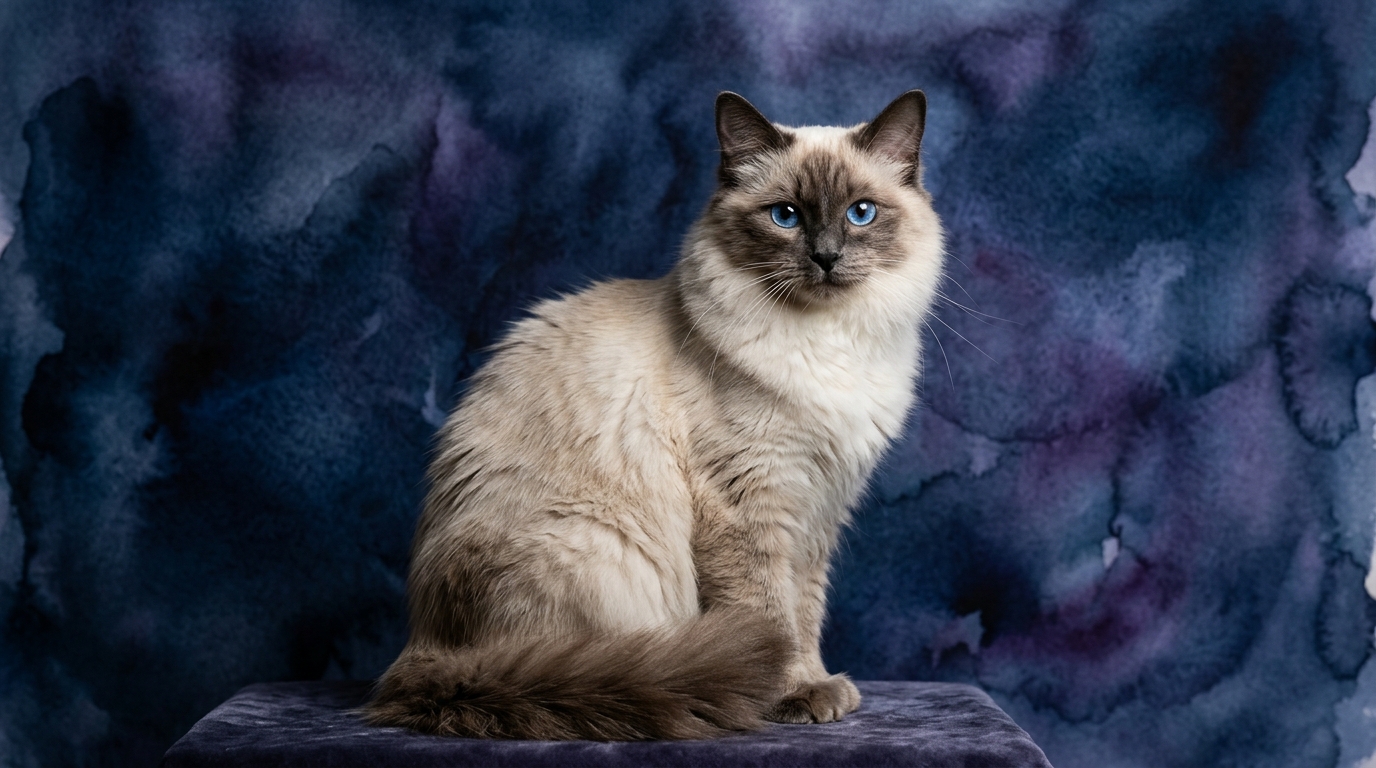
The Cosmic Pet Pet IQ Lab employs a five-dimensional framework to assess feline intelligence, providing a granular view beyond general perceptions. For the Balinese, we observe a robust profile: Problem Solving at 4/5, Training Speed at a remarkable 5/5, Social Intelligence also at 5/5, Instinctive Drive at 3/5, and Memory at 4/5. These scores paint a picture of a cat adept at understanding its environment and engaging with companions.
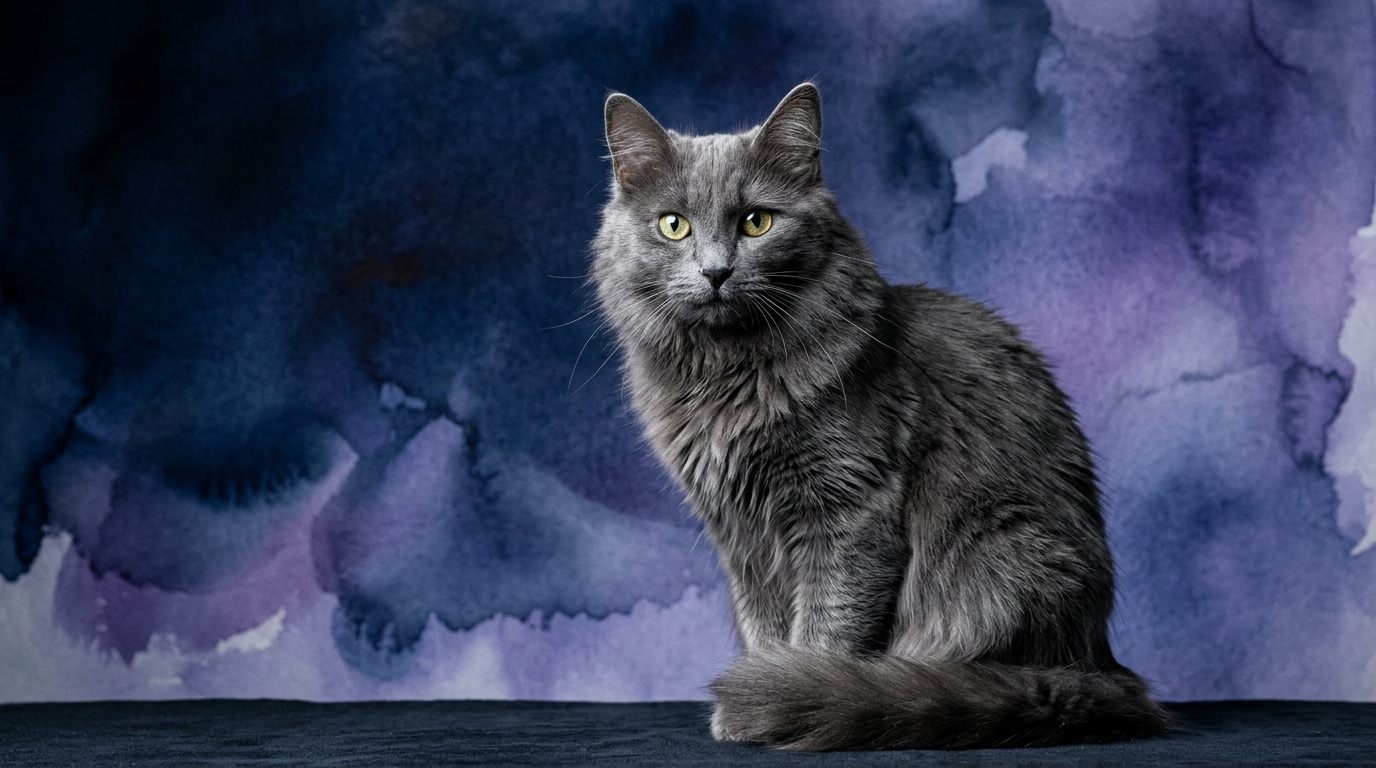
In contrast, the Nebelung presents a more consistent, moderate cognitive profile across most dimensions. Its Problem Solving score is 3/5, Training Speed stands at 3/5, Social Intelligence is rated 3/5, Instinctive Drive matches the Balinese at 3/5, and Memory is also 3/5. While these scores are generally lower than the Balinese, they represent a capable and responsive cat whose cognitive strengths manifest differently.
Where Balinese Excels Cognitively
The Balinese demonstrates clear cognitive advantages across several key areas. Its Problem Solving score of 4/5 indicates a cat that is quicker to grasp complex tasks, such as navigating multi-step puzzle toys or figuring out how to access desired objects. This suggests an innate curiosity and a persistent approach to mental challenges that often sees them succeed where others might give up.
With a perfect 5/5 in Training Speed, the Balinese is exceptionally quick to learn and retain commands. This breed processes new information rapidly and responds with enthusiasm, making it a prime candidate for advanced trick training or behavioral conditioning. Furthermore, its 5/5 Social Intelligence highlights a deep capacity for understanding human emotions and cues, fostering profound, responsive bonds. They are often observed 'conversing' with their owners, interpreting subtle shifts in tone and body language, and actively seeking reciprocal interaction. Their 4/5 Memory score means they retain learned behaviors and recognize familiar faces and routines with impressive consistency, allowing for long-term skill retention and strong social recognition.
Understanding Nebelung's Cognitive Strengths
While the Nebelung's scores are consistently at 3/5 in several categories where the Balinese scores higher, these ratings signify a moderate yet effective cognitive capacity rather than a deficiency. A 3/5 in Problem Solving indicates the Nebelung is perfectly capable of navigating its environment and solving routine challenges, such as opening familiar doors or finding hidden treats, though it might prefer established methods over novel exploration. They often thrive in predictable environments, finding comfort in consistency.
Their 3/5 Training Speed means they are receptive to learning, but require more repetition and patience than a Balinese. They can master commands and routines, but the learning process is often more gradual and requires sustained positive reinforcement. Similarly, a 3/5 in Social Intelligence suggests a discerning and often reserved social nature; Nebelungs form deep, loyal bonds with their chosen few, demonstrating affection in subtle ways and preferring calm, familiar interactions over boisterous social gatherings. They may not be as universally outgoing, but their devotion to their inner circle is profound. The shared 3/5 Instinctive Drive with the Balinese indicates a moderate interest in typical feline pursuits like hunting small toys or exploring their immediate territory, a healthy balance that doesn't overwhelm their domestic life. Their 3/5 Memory ensures they recall their routines, preferred people, and safe spaces, contributing to their sense of security and well-being.
Which is Easier to Train and Why
Based on the IQ Lab scores, the Balinese is unequivocally the easier cat to train. Its Training Speed of 5/5 means it picks up new commands and behaviors with remarkable alacrity. Owners of Balinese cats often report that their feline companions seem to anticipate instructions, responding quickly to verbal cues or hand signals. This breed's high Social Intelligence (5/5) further enhances its trainability; they are motivated by positive human interaction and are eager to please, making them highly cooperative pupils.
In contrast, the Nebelung, with its 3/5 Training Speed, requires a more patient and consistent approach. While capable of learning, Nebelungs often take longer to internalize new commands and may not demonstrate the same eagerness for repetitive training sessions. Their 3/5 Social Intelligence suggests they are less overtly driven by the desire to engage in complex interactive training for human approval, preferring to learn at their own pace and on their own terms. Successful training with a Nebelung relies heavily on establishing trust, using gentle methods, and understanding that they may not perform on demand with the same spontaneity as a Balinese.
Suited for Active vs. Relaxed Owners
The Balinese is an ideal match for active owners who enjoy engaging deeply with their pets. Their high Problem Solving (4/5) and Social Intelligence (5/5) mean they thrive on mental stimulation, interactive play, and consistent companionship. Owners who enjoy teaching tricks, taking their cat on leash walks, or providing a variety of puzzle toys will find the Balinese eager to participate and genuinely stimulated by these activities. Their strong memory (4/5) ensures they remember complex routines and enjoy revisiting favorite games, making them a dynamic and involved companion for an energetic household.
The Nebelung, conversely, may be better suited for owners who appreciate a more relaxed and predictable home environment. While affectionate, their moderate Social Intelligence (3/5) means they might be less demanding of constant interaction, preferring calm companionship and established routines. Owners who enjoy quiet evenings, gentle petting, and a cat that often entertains itself or observes from a comfortable perch will find the Nebelung's temperament a perfect fit. Their 3/5 in Problem Solving and Training Speed suggests they are less likely to seek out novel challenges or demand strenuous mental workouts, making them excellent companions for those who prefer a serene feline presence.
The Verdict
Choose a Balinese if you desire a highly interactive, quick-learning companion eager for mental challenges and deep social engagement. They thrive in active homes that offer consistent stimulation and training.
Opt for a Nebelung if you seek a loyal, gentle companion who appreciates a calm, predictable environment and forms deep, discerning bonds. They require patience in training but offer profound, understated affection.
🧠 Find Your Pet's IQ Score
Our Pet IQ Lab assessment covers 25+ tests across 5 cognitive dimensions — personalized to your breed.
Take the Full IQ Test →Frequently Asked Questions
Are Balinese cats good for first-time cat owners?
Yes, Balinese cats can be excellent for first-time owners who are prepared for an interactive and vocal companion. Their high social intelligence and trainability make them responsive, but they do require consistent attention and mental engagement to prevent boredom and destructive behaviors. Understanding their need for interaction is key.
Do Nebelung cats get along with other pets?
Nebelung cats, with their moderate social intelligence, can get along with other pets, especially if introduced slowly and properly socialized from a young age. They tend to prefer calm companions and may be reserved at first, but can form strong, lasting bonds once trust is established. Their discernment means they choose their friends carefully.
What kind of enrichment do Balinese cats need?
Balinese cats thrive on enrichment that engages their problem-solving abilities and strong social intelligence. This includes interactive puzzle feeders, regular play sessions with wand toys, learning new tricks, and ample opportunities for 'conversation' and companionship with their owners. Vertical spaces like cat trees also satisfy their exploratory instincts.