A Side-by-Side Look at Cognitive Profiles
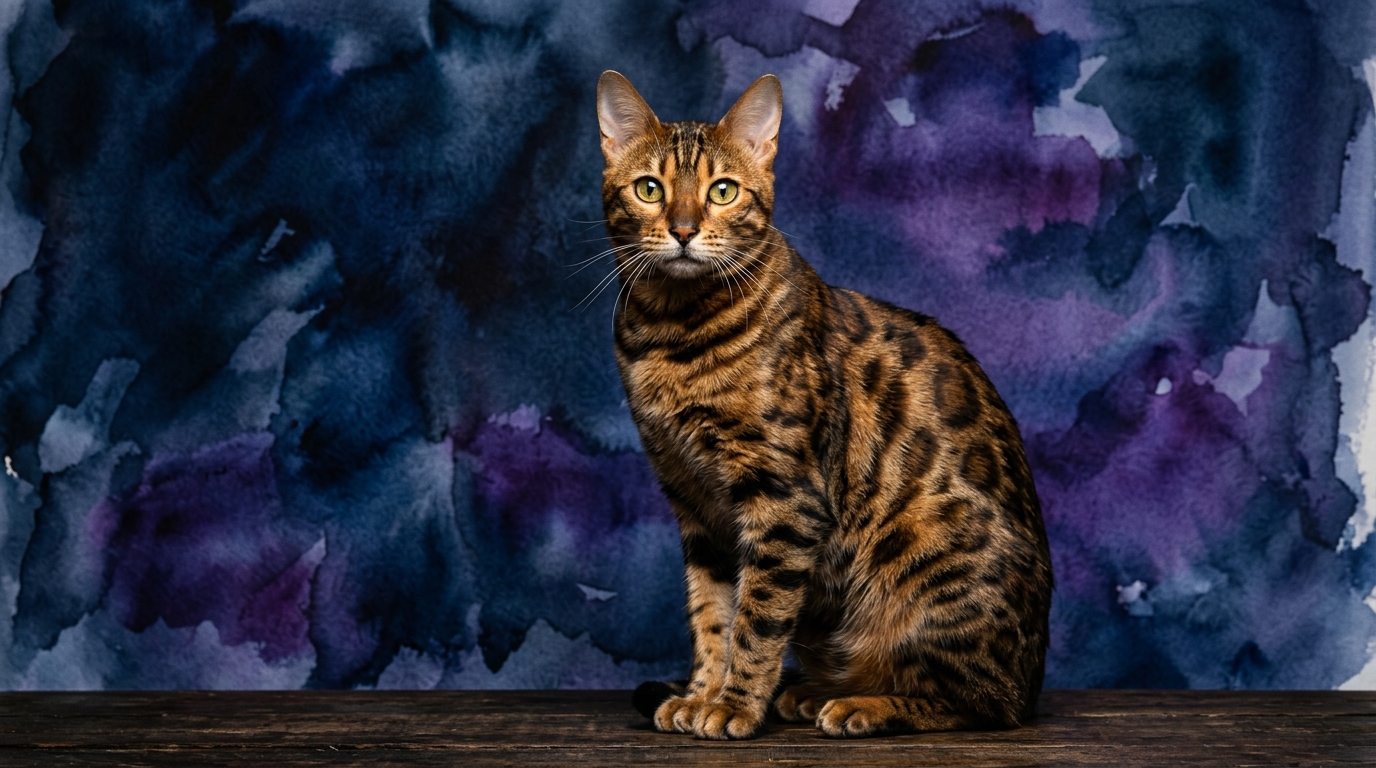
The Cosmic Pet Pet IQ Lab provides a fascinating framework for comparing the cognitive strengths of different breeds, breaking down intelligence into five key dimensions. For the Bengal, a breed celebrated for its vibrant energy and wild ancestry, these scores paint a picture of a highly engaged and capable mind. Their Problem Solving is rated an impressive 5/5, indicating a strong capacity to analyze novel situations and devise solutions, whether it's figuring out how to open a complex treat dispenser or navigating a new environment. This breed also scores 4/5 for Training Speed, suggesting they grasp new commands and routines with relative swiftness, often enjoying the mental challenge of learning. Social Intelligence for the Bengal is 4/5, meaning they are adept at reading human cues and integrating into family dynamics, though their strong independent streak can balance this. Their Instinctive Drive is a perfect 5/5, reflecting deeply ingrained hunting, exploring, and territorial behaviors that require significant outlets. Finally, Bengal Memory is also a 5/5, allowing them to retain complex information about their surroundings, past experiences, and learned tasks over extended periods.
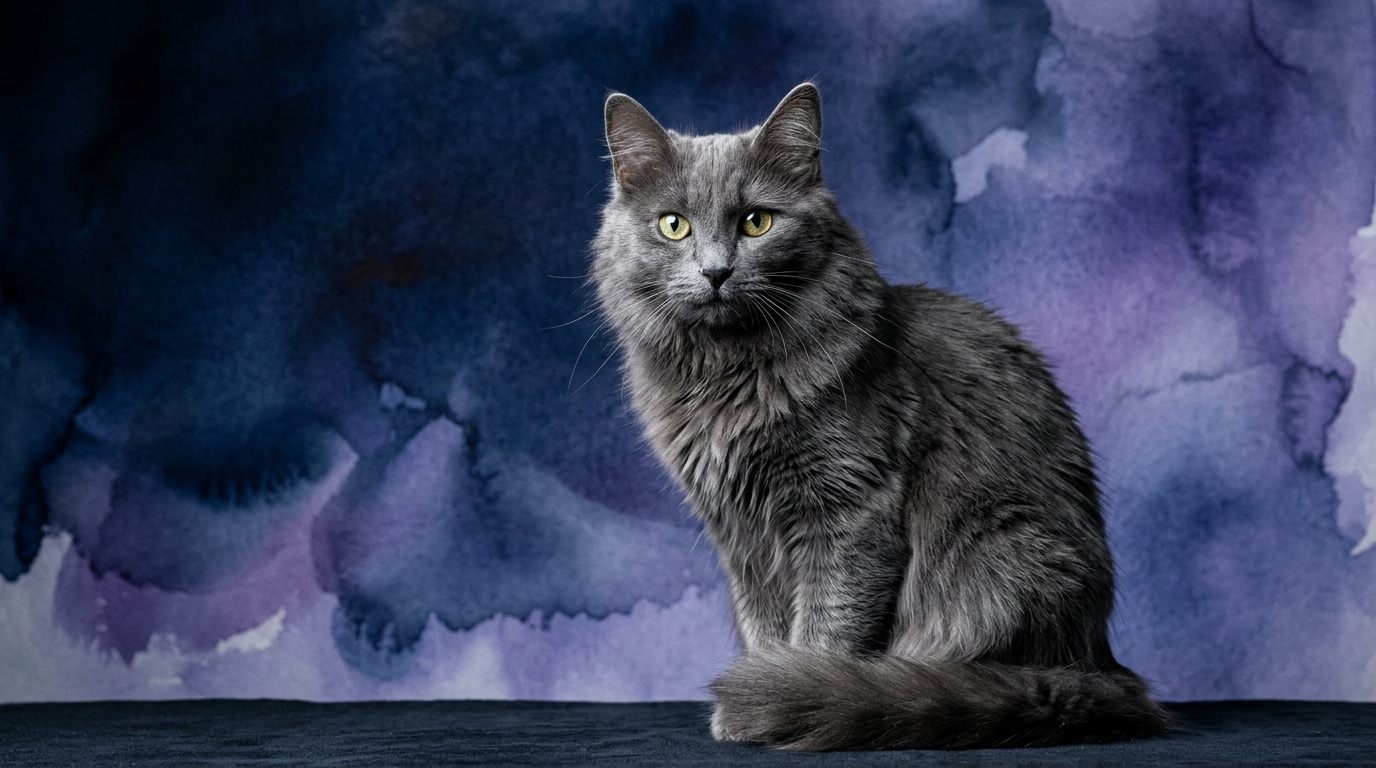
In contrast, the Nebelung, known for its elegant silver-blue coat and somewhat reserved demeanor, presents a more uniformly moderate cognitive profile. Across all five dimensions – Problem Solving, Training Speed, Social Intelligence, Instinctive Drive, and Memory – the Nebelung consistently scores 3/5. This does not imply a lack of intelligence, but rather a different kind of mental engagement. Their 3/5 Problem Solving suggests they can solve puzzles and adapt to changes, but perhaps at a more deliberate pace or with less inherent drive to constantly seek out mental challenges. A Training Speed of 3/5 indicates that while they are certainly trainable, they may require more patience and consistent reinforcement compared to their more eager counterparts. Their Social Intelligence at 3/5 points to a capacity for deep bonds with their chosen humans, often preferring a smaller, familiar circle to large, bustling social settings. The Instinctive Drive of 3/5 means they possess typical feline instincts for play and exploration, but these are generally less intense and demanding than those of a Bengal. Lastly, their Memory, also 3/5, allows them to remember routines, people, and learned associations, maintaining a stable understanding of their world without the same level of detailed recall seen in the Bengal.
Where the Bengal's Mind Shines Brightest
The Bengal's cognitive profile reveals several areas where its intellect distinctly outpaces the Nebelung. Foremost is their exceptional Problem Solving ability (5/5). Bengals are adept at complex spatial reasoning and manipulation; an owner might find them systematically disassembling a child-proof latch on a cabinet or devising ingenious methods to reach a high shelf. This isn't just curiosity; it's a persistent, analytical approach to overcoming obstacles. Their high Memory (5/5) works in tandem with this, allowing them to recall successful strategies and apply them to new, similar challenges, making them incredibly adaptable and often one step ahead of their owners. Furthermore, the Bengal's profound Instinctive Drive (5/5) fuels their cognitive engagement. This drive isn't merely physical; it translates into a relentless mental pursuit of exploration and interaction. A Bengal will tirelessly investigate every nook and cranny, remember where specific toys are hidden, and actively seek out opportunities for mental stimulation, often transforming everyday objects into intricate puzzles.
The Unique Cognitive Strengths of the Nebelung
While the Nebelung's scores are consistently moderate, their cognitive makeup offers distinct advantages that cater to different lifestyles and preferences. Their balanced Instinctive Drive (3/5) means they are less prone to the intense, sometimes destructive, exploratory behaviors that can arise from a Bengal's boundless energy and curiosity. This moderation translates into a more predictable and often calmer home environment. A Nebelung is less likely to feel compelled to scale curtains or dismantle household items out of sheer mental necessity. Their Social Intelligence (3/5), while not as outwardly expressive as some breeds, fosters deep, quiet bonds. They are observant and capable of understanding their chosen humans' moods and routines, offering a comforting presence without demanding constant interaction or novelty. This cognitive style allows them to thrive in stable, calm environments, appreciating a consistent routine and a familiar, loving companion. Their moderate Problem Solving and Memory mean they are perfectly capable of navigating a domestic life, learning boundaries, and remembering their favorite nap spots, but without the potential for ingenious mischief that a higher-scoring breed might exhibit.
Training: Patience vs. Engagement
When it comes to training, the differences between Bengals and Nebelungs become quite apparent. The Bengal, with its 4/5 Training Speed, combined with high Problem Solving and Memory, generally proves to be a more enthusiastic and quicker learner. They often view training sessions as an engaging mental game, thriving on the challenge of learning new tricks, navigating obstacle courses, or even walking on a leash. Their natural curiosity and high energy drive them to participate actively, and their strong memory ensures they retain what they've learned efficiently. Owners often find that Bengals respond well to positive reinforcement and clicker training, quickly associating actions with rewards and enjoying the interactive process.
The Nebelung, however, with a 3/5 Training Speed, requires a different approach. While certainly trainable, they may not possess the same inherent eagerness or rapid uptake as a Bengal. Training a Nebelung often calls for more patience, shorter sessions, and consistent, gentle reinforcement. They might be more motivated by quiet affection and comfort rather than high-energy games. Their reserved nature means they might not be as quick to offer new behaviors, but once they understand a command, their memory (3/5) ensures they will recall it reliably within their established routine. Basic manners, litter box training, and recall are entirely achievable, but complex tricks or agility might be a slower, more deliberate process, focused on building trust and routine rather than stimulating intense intellectual curiosity.
Matching Minds to Lifestyles: Active vs. Relaxed Owners
The distinct cognitive profiles of the Bengal and Nebelung naturally align with different owner lifestyles. An active owner, someone who enjoys regular engagement, mental stimulation, and perhaps even 'adventure' with their pet, would find a strong match in the Bengal. Bengals thrive with owners who can provide ample opportunities for their 5/5 Instinctive Drive to be satisfied through puzzle toys, interactive play, outdoor excursions (on a leash or in a secure enclosure), and consistent training. Their high Problem Solving and Memory mean they need constant mental novelty to prevent boredom, which can manifest as destructive behavior. These cats are companions for those who want an interactive, dynamic, and intellectually demanding feline presence in their lives, always ready for the next challenge.
Conversely, a relaxed owner, one who cherishes calm companionship, predictable routines, and a gentle presence, would likely find the Nebelung to be an ideal fit. Their moderate scores across all cognitive dimensions mean they are content with a less demanding environment. While they appreciate play and interaction, it's typically less intense and prolonged than a Bengal requires. A Nebelung's 3/5 Instinctive Drive allows them to be content with indoor life and routine play sessions, and their 3/5 Social Intelligence makes them devoted to their family without requiring a constant flurry of social activity. They are suited for individuals or families who appreciate a quiet, elegant cat that offers affectionate companionship without the need for extensive mental 'workouts' or constant supervision to prevent boredom-induced antics.
The Verdict
Choose a Bengal if you are an active, engaged owner seeking a highly interactive, intelligent, and physically energetic companion who thrives on mental challenges and consistent stimulation.
Opt for a Nebelung if you prefer a calmer, more predictable feline friend who offers devoted companionship in a tranquil home, appreciating routine and gentle interaction over intense mental stimulation.
🧠 Find Your Pet's IQ Score
Our Pet IQ Lab assessment covers 25+ tests across 5 cognitive dimensions — personalized to your breed.
Take the Full IQ Test →Frequently Asked Questions
Are Bengal cats easy to live with given their high intelligence?
Bengal cats are highly engaging and responsive due to their cognitive abilities, but their strong instinctive drive and need for mental stimulation mean they require dedicated owners who can provide consistent enrichment and active play to prevent boredom and potential behavioral issues. They are not 'easy' in the sense of being low-maintenance.
Do Nebelung cats form strong bonds with their owners?
Yes, despite their moderate social intelligence, Nebelung cats are known for forming deep and loyal bonds with their chosen humans. They often prefer a small, familiar circle and can be quite affectionate and devoted once they feel secure and comfortable in their environment.
Which breed is better for a first-time cat owner?
For a first-time cat owner, the Nebelung might be a more manageable choice due to its more predictable and less demanding cognitive and behavioral profile. The Bengal's intense mental and physical needs can be overwhelming for those new to cat ownership, requiring significant commitment to their unique requirements.