Side-by-Side IQ Profile: Balinese vs. Persian
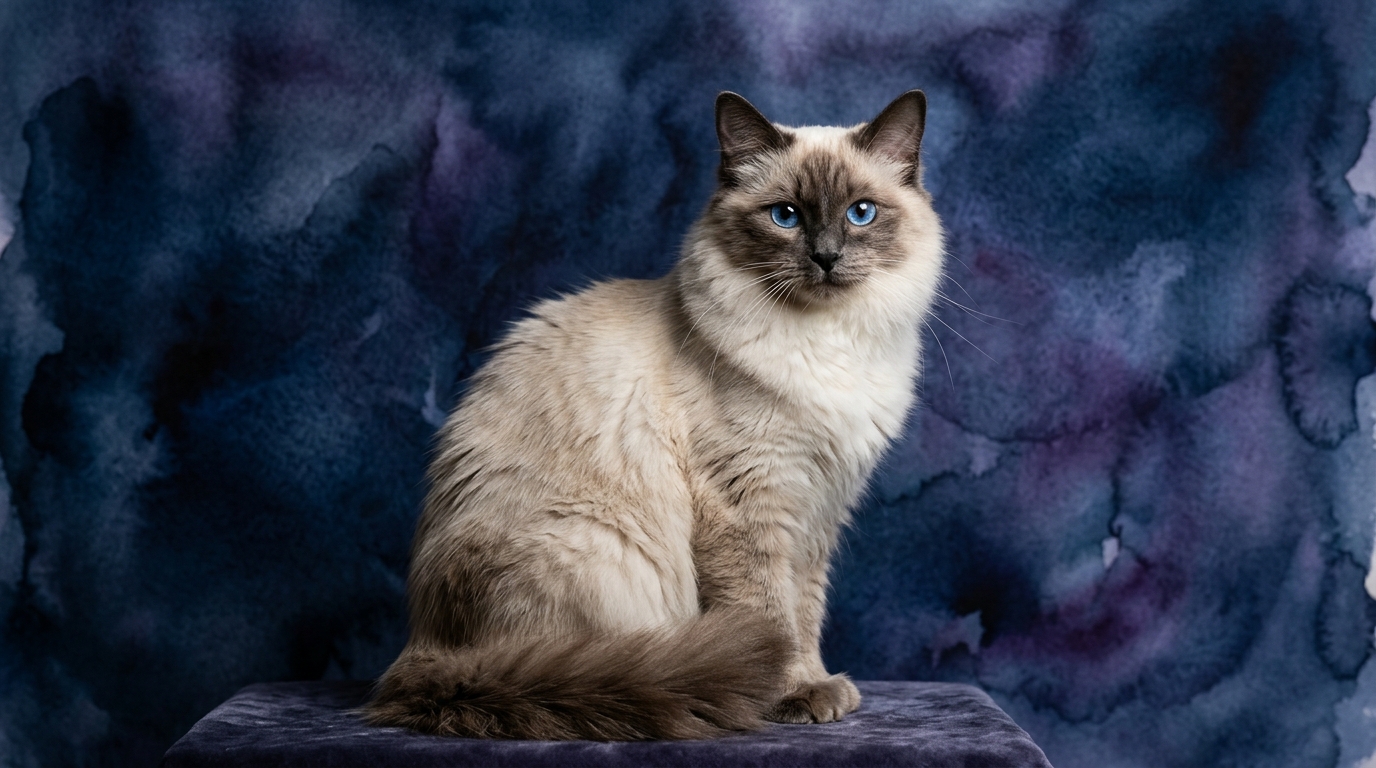
The Balinese cat presents a profile of active engagement and sharp learning. Their Problem Solving score of 4/5 indicates a strong capacity for navigating novel situations and devising solutions to minor environmental puzzles, suggesting a curious and analytical approach. With a perfect 5/5 in Training Speed, this breed absorbs new commands and routines with exceptional swiftness, often requiring minimal repetition. Their Social Intelligence, also rated 5/5, highlights a profound understanding of social cues, forming deep bonds and actively communicating with human companions. While certainly possessing natural feline instincts, their Instinctive Drive is a moderate 3/5, meaning play mimicking hunting is engaging but not dominant. Lastly, a Memory score of 4/5 underscores their robust ability to retain information about routines and learned behaviors, significantly aiding their training responsiveness.
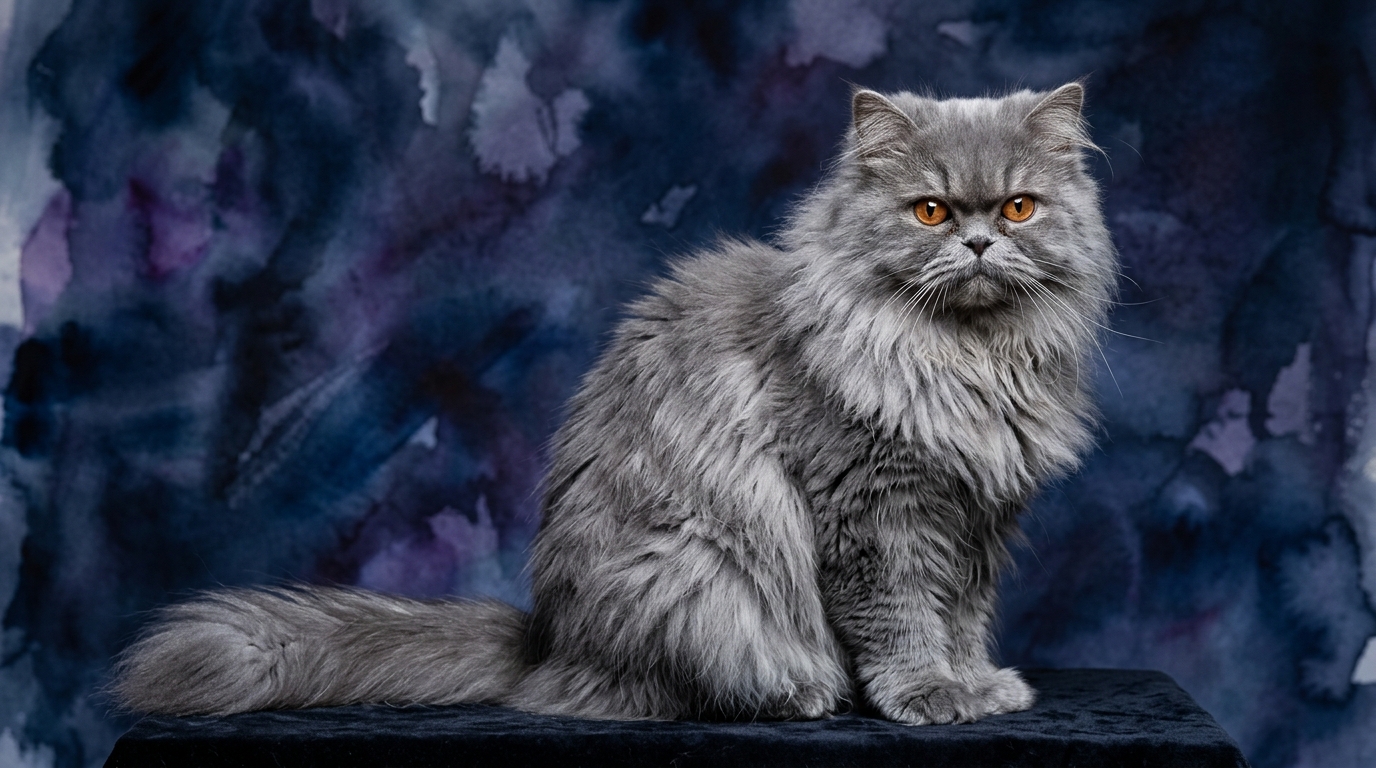
In contrast, the Persian cat exhibits a more measured and serene cognitive disposition. Their Problem Solving score of 2/5 shows a preference for familiar routines over complex problem-solving, often relying on environmental consistency rather than active manipulation. Training Speed for Persians is 2/5, indicating that learning new commands or adapting to routines requires considerable patience and repetition, as they may not display an eagerness for formal training. Social Intelligence at 3/5 means they form affectionate bonds but generally prefer quiet companionship over constant interaction, communicating preferences subtly. Their Instinctive Drive is quite subdued at 2/5, making them generally content with a stable indoor environment and showing minimal inclination for extensive exploration or intense hunting play. A Memory score of 3/5 suggests a functional retention for daily routines and familiar faces, thriving on predictability.
Where the Balinese Wins Cognitively
The Balinese cat consistently demonstrates a cognitive edge across several crucial dimensions, making them particularly engaging companions for those seeking an interactive feline. Their Problem Solving score of 4/5, in stark contrast to the Persian's 2/5, means a Balinese is far more likely to figure out how to open a cupboard, retrieve a hidden toy, or navigate a slightly altered environment without becoming flustered. This active engagement with their surroundings suggests a higher level of cognitive flexibility and a proactive approach to understanding their world. Furthermore, the Balinese's perfect 5/5 in Training Speed vastly overshadows the Persian's 2/5. This isn't just about performing tricks; it translates into quicker litter box training, faster adaptation to leash walking, or understanding household rules with minimal fuss. A Balinese cat's ability to swiftly associate actions with consequences and retain that information makes them highly amenable to guidance. Their superior Social Intelligence (5/5 vs. 3/5) also means they are more attuned to human moods and intentions, often initiating interaction and responding with clear communicative behaviors, fostering a deeper, more reciprocal relationship.
Where the Persian Wins Cognitively
While the Balinese shines in active cognitive engagement, the Persian's unique profile offers its own distinct advantages, particularly for households valuing tranquility and predictability. The Persian's lower Instinctive Drive (2/5 compared to Balinese's 3/5) means they are generally less prone to exhibiting strong hunting behaviors or extensive territorial marking. This can be a significant cognitive 'win' for owners who prefer a calm, settled indoor companion less inclined to scale curtains, chase small creatures, or demand constant stimulation through predatory play. Their preference for routine and a less intense problem-solving drive, while scoring lower in active cognitive tasks, contributes to a profound sense of serenity. A Persian's cognitive comfort zone is often found in the familiar, requiring less mental novelty and thus contributing to a remarkably low-stress presence in the home. This cognitive disposition means they are less likely to seek out trouble or become agitated by minor environmental changes, offering a consistent and soothing companion experience.
Which is Easier to Train and Why
Without question, the Balinese cat presents a significantly easier training experience due to its exceptional Training Speed score of 5/5, dwarfing the Persian's 2/5. This difference isn't merely anecdotal; it stems from the Balinese's inherent curiosity and eagerness to engage with their human companions. They possess a strong desire for interaction and mental stimulation, which translates into a readiness to learn commands, leash train, or even master complex tricks like fetch or 'sit' with remarkable efficiency. Their problem-solving acumen (4/5) further aids this process, allowing them to quickly grasp the connection between a cue, an action, and a reward. In contrast, the Persian's slower training speed is rooted in a preference for comfort and routine over active engagement in structured learning. While they are certainly capable of learning, it requires considerably more patience, repetition, and a consistent, calm approach from the owner. Persians tend to be less motivated by performing for attention and more by maintaining their peaceful environment, meaning training sessions need to be short, positive, and integrated subtly into their daily lives rather than being a demanding activity.
Which Suits Active Owners vs. Relaxed Owners
The choice between a Balinese and a Persian largely hinges on an owner's lifestyle and their desired level of feline engagement. Active owners, those who enjoy consistent interaction, mental games, and perhaps even teaching tricks, will find the Balinese to be an ideal match. Their high scores in Social Intelligence (5/5), Problem Solving (4/5), and Training Speed (5/5) mean they thrive on companionship, intellectual challenges, and opportunities to learn new behaviors. A Balinese will often initiate play, 'talk' to their owners, and appreciate a dynamic household where they can participate in activities. They require regular mental stimulation to prevent boredom, making them perfect for owners willing to dedicate time to interactive play and cognitive enrichment. Conversely, relaxed owners seeking a serene, low-maintenance companion will likely find the Persian more aligned with their lifestyle. With lower scores across active cognitive dimensions and a subdued Instinctive Drive (2/5), Persians are content with quiet companionship and a stable routine. They prefer lounging in a cozy spot, observing their surroundings from a distance, and offering gentle affection on their own terms. These cats contribute a calming presence to a home, requiring less direct mental engagement and thriving in environments where peace and predictability are paramount.
The Verdict
Choose a Balinese if you desire a highly interactive, communicative, and readily trainable feline companion who thrives on mental stimulation and active participation in your daily life.
Choose a Persian if you seek a calm, gentle, and undemanding companion content with a peaceful routine and providing a serene presence in your home.
🧠 Find Your Pet's IQ Score
Our Pet IQ Lab assessment covers 25+ tests across 5 cognitive dimensions — personalized to your breed.
Take the Full IQ Test →Frequently Asked Questions
Do Balinese cats get bored easily?
Yes, Balinese cats, with their high problem-solving and social intelligence, require consistent mental engagement and interaction to prevent boredom. They thrive on puzzle toys, interactive play, and opportunities to learn.
Are Persians difficult to live with due to their lower intelligence scores?
Not at all; Persians simply have a different cognitive profile that values tranquility and routine over active mental challenges. Their lower scores in areas like problem-solving and instinctive drive contribute to their calm, less demanding nature, making them perfect companions for owners seeking peace.
Can a Persian cat be trained to do tricks?
While possible, training a Persian to do tricks will require significantly more patience and repetition compared to a Balinese cat due to their lower training speed. Focus on positive reinforcement and short, enjoyable sessions to maximize success.