Side-by-Side IQ Profile: Bengal vs. Persian
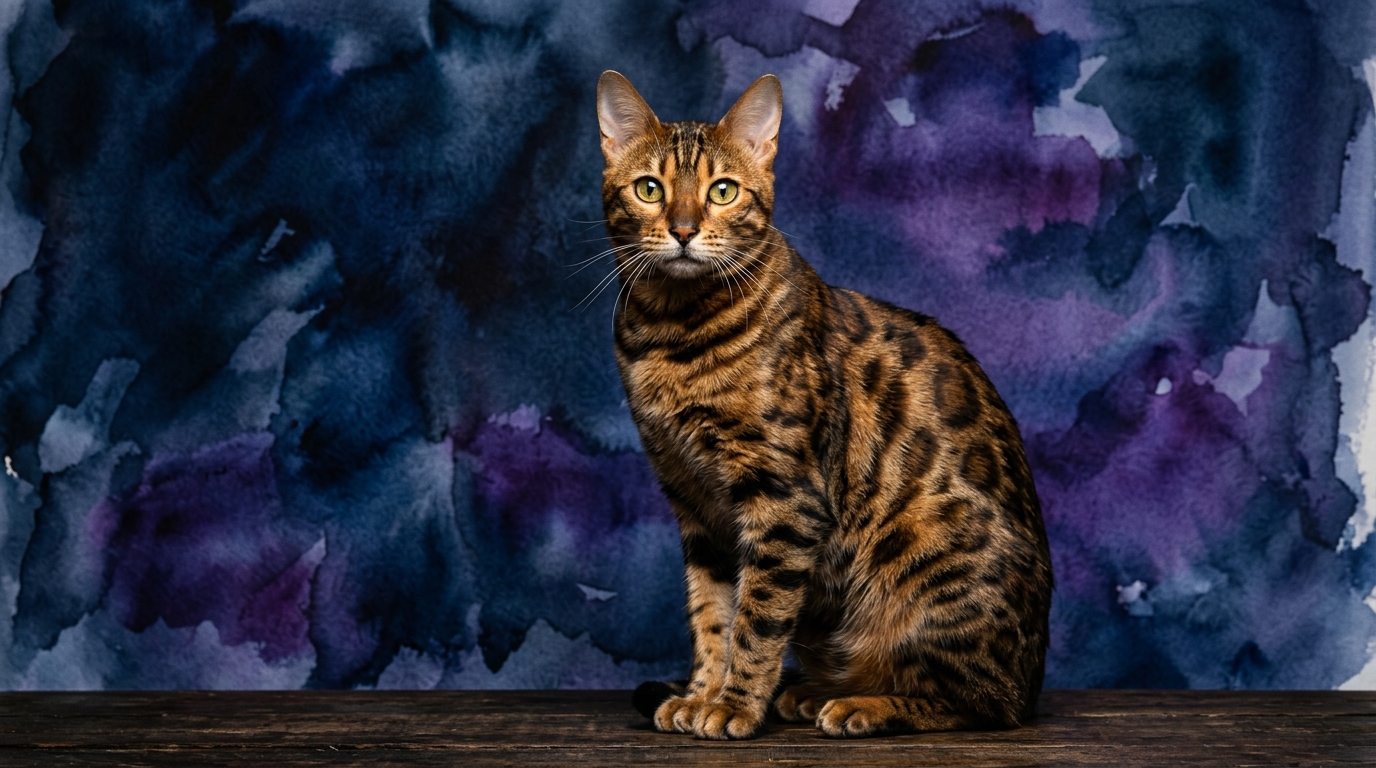
The Bengal's IQ profile paints a picture of a mentally agile and highly driven feline: Problem Solving 5/5, Training Speed 4/5, Social Intelligence 4/5, Instinctive Drive 5/5, and Memory 5/5. This suggests a cat that excels at figuring out complex tasks, learns commands quickly, engages interactively with companions, possesses strong natural hunting instincts, and retains information over long periods.
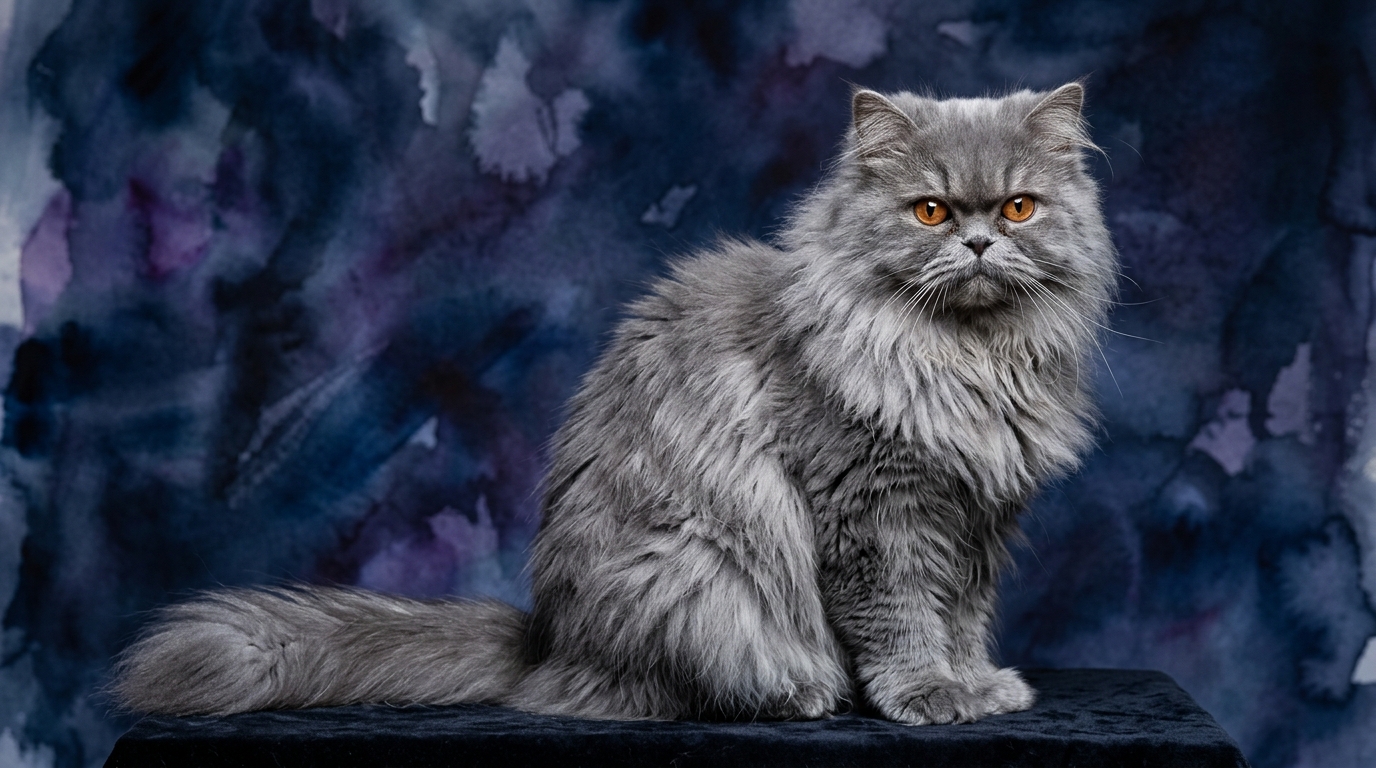
In contrast, the Persian exhibits a more tranquil cognitive makeup: Problem Solving 2/5, Training Speed 2/5, Social Intelligence 3/5, Instinctive Drive 2/5, and Memory 3/5. This indicates a cat that prefers routine over complex challenges, learns at a slower pace, appreciates quieter companionship, has a lower predatory drive, and remembers familiar routines and faces rather than intricate details.
Where the Bengal Excels Cognitively
The Bengal’s cognitive strengths are most evident in their Problem Solving (5/5), Instinctive Drive (5/5), and Memory (5/5). Their exceptional problem-solving ability means they are adept at navigating intricate environments, figuring out puzzles, or even learning to open doors, driven by an insatiable curiosity. This cognitive prowess, coupled with a powerful instinctive drive, fuels their exploratory nature and need for mentally stimulating activities that mimic hunting. Their perfect memory score ensures they not only grasp new concepts rapidly but also retain these learnings, building a rich internal map of their world and past experiences. This combination makes them formidable learners and highly self-sufficient, constantly processing and adapting to new information, thriving on intellectual engagement.
Where the Persian Excels Cognitively
While the Persian's scores are generally lower, their cognitive profile represents a distinct strength for certain lifestyles, particularly in their capacity for serene companionship and adaptability to a calm indoor existence. Their 3/5 social intelligence, paired with a 2/5 instinctive drive, means they are inherently suited for a predictable, peaceful home where they offer gentle presence rather than demanding constant mental stimulation. This isn't a cognitive deficit but a different orientation; they excel at observing and appreciating stability, finding contentment within routine without the intense need for external challenges. Their moderate memory (3/5) allows them to comfortably recall daily rhythms and preferred comfort spots, contributing to their overall sense of security and well-being, making them masters of tranquil domesticity.
Training Aptitude: Bengal vs. Persian
The Bengal is significantly easier to train due to their exceptional Training Speed (4/5) and Problem Solving (5/5). They quickly grasp cause-and-effect, are often motivated by the mental challenge of learning, and their strong memory (5/5) ensures retention. Bengals actively seek interaction and mental engagement, making them receptive to complex commands, leash training, and even elaborate tricks. Conversely, the Persian’s lower Training Speed (2/5) and Problem Solving (2/5) indicate a slower learning curve and a general disinterest in complex training. While capable of basic manners, their cognitive preference leans towards comfort and routine. Training a Persian requires more patience, repetition, and motivation tied to affection rather than intellectual challenge, as they are less compelled by solving problems or learning new skills.
Matching Feline Intelligence to Owner Lifestyles
For active owners who seek a highly interactive and mentally stimulating companion, the Bengal is the ideal match. Their high Problem Solving (5/5), Instinctive Drive (5/5), and Social Intelligence (4/5) mean they demand and enjoy substantial engagement, thriving on puzzle toys, fetch, and even leash walks. They need owners who can provide consistent mental enrichment to channel their formidable cognitive energy constructively. In contrast, the Persian is perfectly suited for relaxed owners who appreciate a calm, predictable home and a companion offering gentle presence. Their lower Problem Solving (2/5) and Instinctive Drive (2/5) mean they are content with less mental and physical exertion, preferring quiet lounging and observation over constant activity. The Persian offers a calming, steady presence, fitting seamlessly into a more sedentary lifestyle.
The Verdict
Opt for a Bengal if you are an active, engaged owner seeking a highly interactive companion who thrives on mental challenges, training, and dynamic play.
Select a Persian if you desire a calm, affectionate, and low-key companion who prefers a serene home environment and appreciates gentle, predictable interactions.
🧠 Find Your Pet's IQ Score
Our Pet IQ Lab assessment covers 25+ tests across 5 cognitive dimensions — personalized to your breed.
Take the Full IQ Test →Frequently Asked Questions
Are Bengals good with other pets?
Bengals, with their 4/5 social intelligence and 5/5 instinctive drive, can coexist with other pets if properly socialized from a young age, but their predatory instincts mean small prey animals like hamsters might not be safe companions. They often enjoy the company of other active cats or even cat-friendly dogs.
Do Persians need a lot of grooming due to their fur?
Yes, while not directly related to intelligence, their long, luxurious coats require daily grooming to prevent mats and tangles, a routine that they often learn to tolerate or even enjoy through their moderate memory and social intelligence. This regular interaction can also be a quiet bonding time.
Can a Persian learn tricks?
A Persian's 2/5 training speed and problem-solving mean they are less inclined to learn complex tricks. While they can certainly be taught basic commands with patience and positive reinforcement, don't expect them to perform elaborate sequences like a Bengal; they prefer a more relaxed approach to interaction.