Side-by-Side Cognitive Profiles
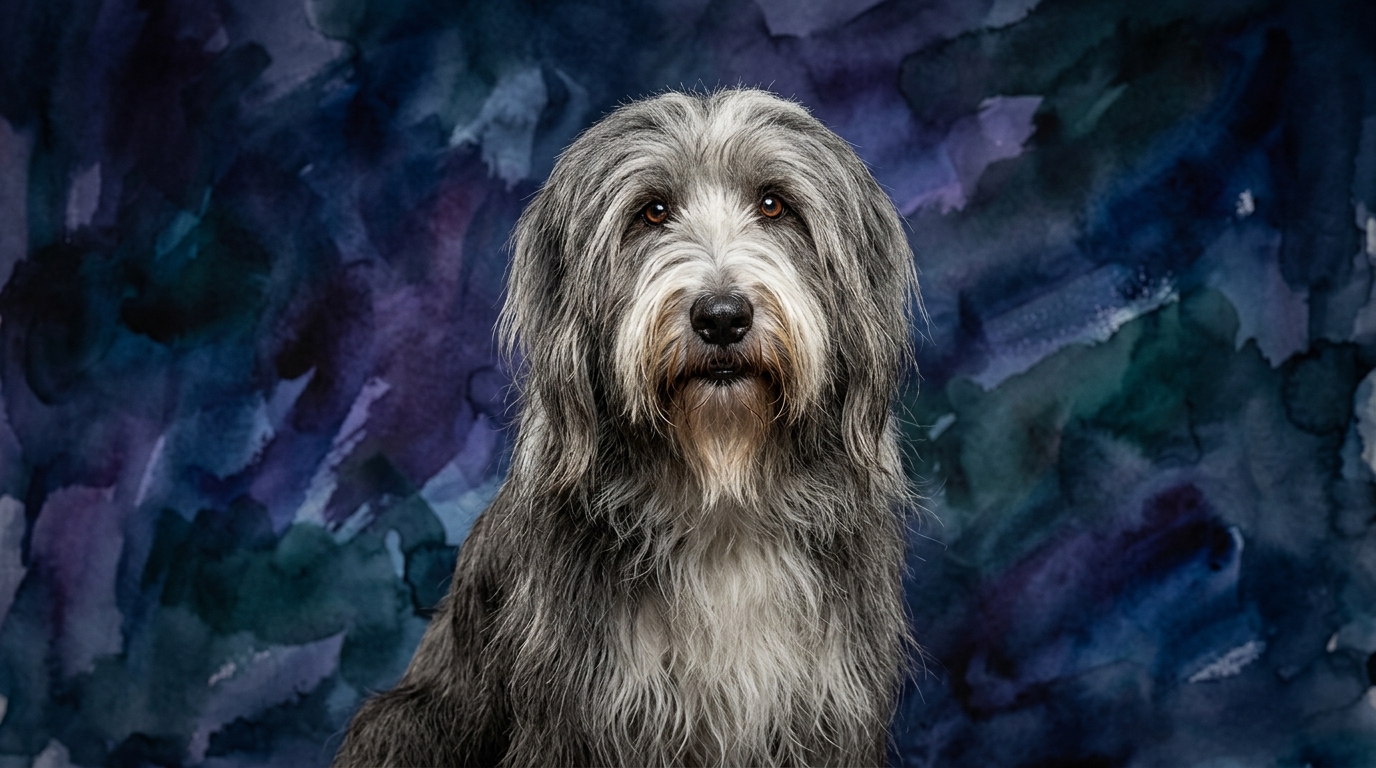
The Bearded Collie, ranking 34th on the Coren scale, presents a cognitive profile geared towards complex, dynamic tasks. Their Problem Solving at 4/5 indicates a capacity for independent thought and strategic action, often seen in their ability to outmaneuver livestock or navigate intricate environments. Training Speed, also 4/5, reflects their quick grasp of new commands and eagerness to engage in learning sessions. Social Intelligence at 3/5 suggests a reasonable ability to interpret human cues and interact appropriately, while Instinctive Drive at 3/5 points to a controllable but present herding impulse. A Memory score of 4/5 ensures they retain complex sequences and learned behaviors over time.
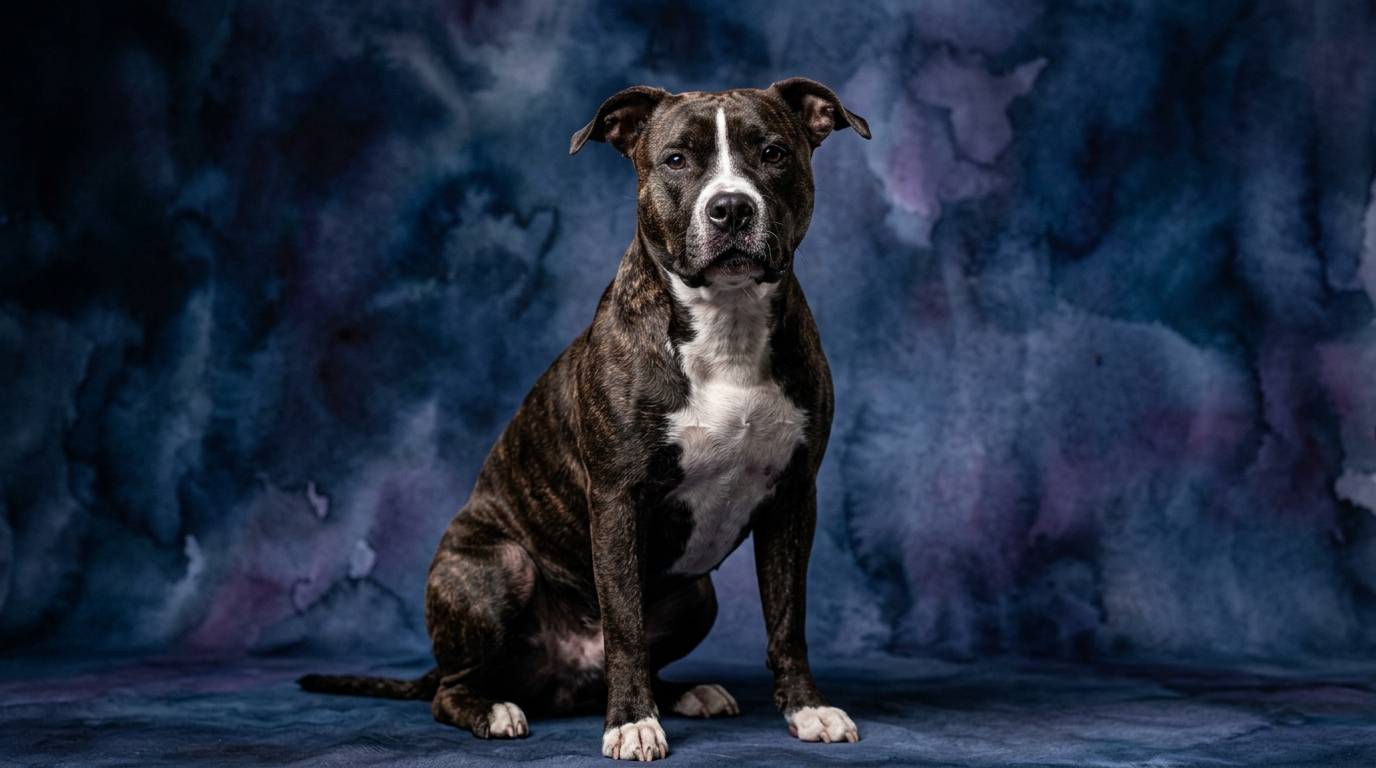
In contrast, the American Staffordshire Terrier, positioned at 48th on the Coren scale, showcases a different set of cognitive strengths. Their Problem Solving at 3/5 implies a practical approach to challenges, capable of figuring out direct solutions rather than abstract ones. Training Speed, matching at 3/5, means they learn new tasks effectively with consistent, clear instruction. Social Intelligence also rates 3/5, indicating an ability to form strong bonds and understand direct communication from their human companions. Instinctive Drive at 3/5 highlights their terrier tenacity and prey drive, which can be channeled with appropriate training. Like the Bearded Collie, their Memory is strong at 4/5, allowing them to recall routines, experiences, and commands with consistency.
Where the Bearded Collie Excels Cognitively
The Bearded Collie distinctly excels in cognitive areas demanding mental agility and independent decision-making. Their superior Problem Solving (4/5) allows them to analyze situations, such as a gate left ajar or a complex agility course, and devise a solution rather than waiting for direction. This trait, honed over generations of managing livestock, means they often anticipate outcomes and adapt their behavior dynamically. Furthermore, their higher Training Speed (4/5) signifies a quicker uptake of new commands and a greater capacity for learning intricate multi-step tasks. Owners often find Bearded Collies not only learn new behaviors rapidly but also generalize them to different contexts, making them adept at advanced obedience, trick training, and dog sports where novel challenges are common. Their cognitive framework supports a dog that enjoys being actively engaged in intellectual pursuits, thriving on mental puzzles and collaborative problem-solving with their handler.
Where the American Staffordshire Terrier Shines Cognitively
While the American Staffordshire Terrier's scores might appear lower in some cognitive dimensions, their strengths lie in different, equally valuable areas. Their remarkable tenacity, a hallmark of the terrier group, gives them an unwavering drive to complete tasks once they understand the objective. This grit, combined with their 4/5 Memory, means that once a behavior is learned and a routine established, they execute it with exceptional consistency and dedication. While their Problem Solving (3/5) may not involve complex abstract thought, they are highly effective at direct, practical problem-solving, particularly when it involves overcoming physical obstacles or persevering through a challenge. Their Social Intelligence (3/5) manifests as deep loyalty and a straightforward understanding of human intentions, fostering an incredibly strong bond with their family. This combination of steadfastness, robust memory, and a determined approach makes them particularly effective in roles requiring reliability and a strong work ethic, rather than intricate, rapid improvisation.
Training Ease: Behavioral Differences Explained
Based on their respective Training Speed scores, the Bearded Collie (4/5) generally proves easier to train compared to the American Staffordshire Terrier (3/5). Bearded Collies possess an inherent eagerness to please and a high responsiveness to their handlers, traits crucial for effective herding where quick, nuanced communication is vital. They absorb new commands rapidly and often require fewer repetitions to solidify a behavior, making them excellent candidates for advanced obedience and competitive dog sports. Their ability to generalize learned behaviors means they can apply a command learned in one environment to another with minimal fuss.
The American Staffordshire Terrier, while fully capable of learning, requires a more consistent and structured approach. Their terrier independence means they might question commands or need a stronger incentive to engage. Training requires patience, clear communication, and highly motivating positive reinforcement to overcome their occasional stubborn streak. However, once an AmStaff understands and commits to a command, their 4/5 Memory ensures they retain it reliably. Owners must invest in engaging training methods that make learning enjoyable and reinforce the bond, leveraging their loyalty rather than relying solely on rapid compliance.
Matching Breeds to Owner Lifestyles
Neither the Bearded Collie nor the American Staffordshire Terrier are suitable for truly relaxed, sedentary owners, as both require significant engagement, though the nature of that engagement differs. The Bearded Collie thrives with active owners who are keen on providing extensive mental stimulation alongside physical exercise. Their high problem-solving capacity and training speed mean they excel in activities like agility, obedience, herding trials, and learning complex tricks. An owner who enjoys teaching new skills, engaging in puzzle games, and participating in dog sports will find a Bearded Collie to be an enthusiastic and capable partner. Without sufficient mental challenges, a Bearded Collie can become bored and potentially destructive.
The American Staffordshire Terrier also requires active owners, but their needs lean more towards consistent physical activity and clear, structured interaction. They benefit from vigorous daily exercise, such as long walks, running, or supervised play sessions that allow them to expend their energy and strength. Owners who appreciate a steadfast companion for outdoor adventures, are committed to consistent training, and enjoy direct, physical engagement will find an AmStaff a rewarding companion. While they benefit from mental challenges, their primary need is often physical outlet and clear guidance, preventing their strong will from becoming problematic.
The Verdict
Choose a Bearded Collie if you seek a mentally agile companion eager for complex training, dog sports, and collaborative problem-solving.
Opt for an American Staffordshire Terrier if you value a steadfast, loyal companion with a strong work ethic, and are committed to consistent, engaging training and physical activity.
🧠 Find Your Pet's IQ Score
Our Pet IQ Lab assessment covers 25+ tests across 5 cognitive dimensions — personalized to your breed.
Take the Full IQ Test →Frequently Asked Questions
Are Bearded Collies good family dogs?
Bearded Collies are generally good family dogs, known for their playful and affectionate nature. They typically get along well with children and other pets, provided they are properly socialized from a young age. Their energetic disposition means they thrive in a home that can provide plenty of mental and physical stimulation.
Are American Staffordshire Terriers aggressive?
American Staffordshire Terriers are not inherently aggressive; their temperament is largely shaped by genetics, socialization, and training. With proper early socialization, consistent positive reinforcement training, and responsible ownership, they can be affectionate and loyal family members. Their strength and determination require owners to be diligent in training and supervision.
Do these breeds require a lot of grooming?
The Bearded Collie requires significant grooming due to their long, shaggy double coat, needing regular brushing several times a week to prevent mats and tangles. The American Staffordshire Terrier, with its short, stiff coat, requires much less grooming, typically just weekly brushing to remove loose hair and maintain coat health.