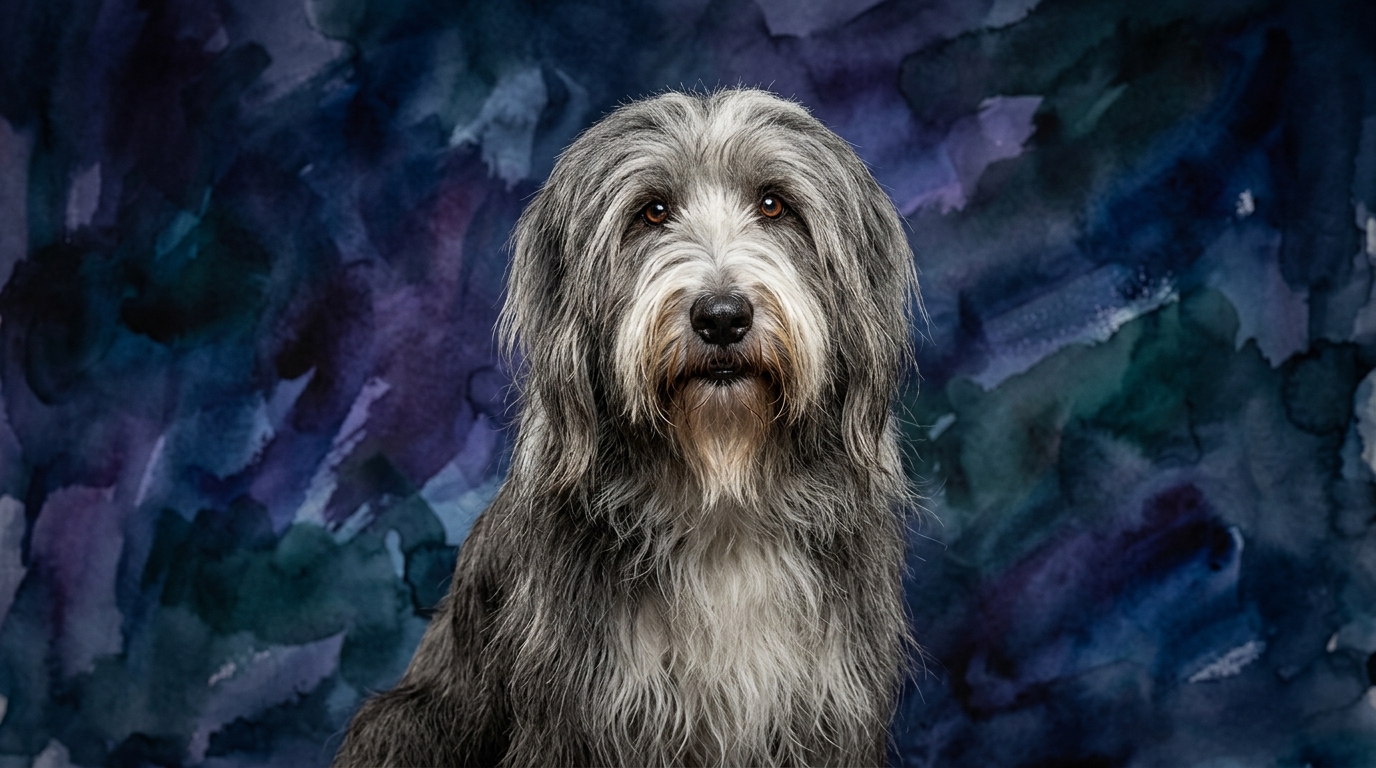
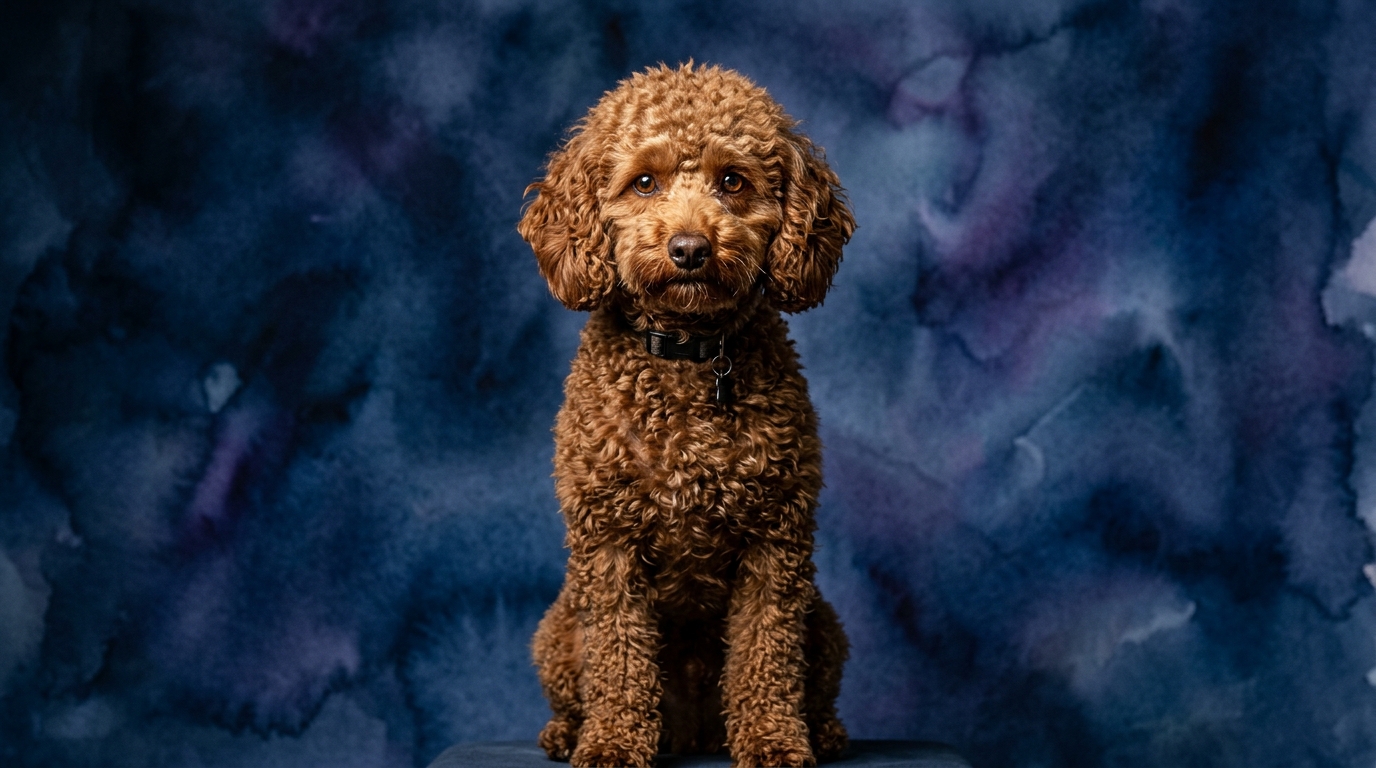
Side-by-Side IQ Profile: Bearded Collie vs. Miniature Poodle
The Cosmic Pet Pet IQ Lab's framework provides a granular lens through which to examine the cognitive makeup of these two distinct breeds. The Bearded Collie, ranked #34 by Coren, demonstrates a strong aptitude for practical application and independent thought. Their Problem Solving is rated 4/5, indicating a capacity to navigate complex situations and devise solutions, often drawing on their herding heritage where dynamic environments demand quick, autonomous decisions. Training Speed for the Bearded Collie is also 4/5; they grasp new concepts readily, though their independent streak means they process information with an eye towards personal relevance. Social Intelligence sits at 3/5, reflecting a deep bond with their family unit, but perhaps a more reserved initial approach to strangers. Their Instinctive Drive, rated 3/5, speaks to a moderate inclination to herd, a trait that informs their focus and determination. Finally, their Memory at 4/5 ensures they retain learned behaviors and routines effectively over time.
In contrast, the Miniature Poodle, with a remarkable Coren rank of #2, showcases a different facet of canine cognition, one geared towards precision and rapid assimilation. Their Problem Solving is an exceptional 5/5, indicating a superior ability to analyze scenarios, understand complex sequences, and find innovative solutions, often delighting in mental challenges. Training Speed is likewise a perfect 5/5; these dogs absorb new commands with astonishing quickness, often requiring minimal repetition due to their acute focus and eagerness to engage with their human partners. Social Intelligence, at 3/5, mirrors the Collie's; they form profound connections with their primary caregivers but can be discerning about extending trust to outsiders. The Miniature Poodle's Instinctive Drive is also 3/5, though it manifests less as herding and more as a drive for interactive engagement, performance, and retrieving, reflecting their historical roles. Their Memory is rated 5/5, signifying an outstanding capacity to recall intricate sequences, commands, and experiences with remarkable accuracy and longevity.
Where the Bearded Collie Wins Cognitively
The Bearded Collie excels in cognitive domains demanding flexibility and autonomous decision-making within fluid environments. Their 4/5 problem-solving score, coupled with their herding instincts, means they are adept at "reading" situations and adapting their strategies without constant human direction. For instance, if tasked with gathering scattered objects or guiding family members, a Bearded Collie might independently assess the most efficient path or method, rather than strictly adhering to a pre-taught sequence. This self-reliance stems from generations of working livestock across varied terrains, where quick, on-the-spot judgments were paramount.
Furthermore, their cognitive strength lies in their ability to maintain focus and purpose through sustained, often physically demanding, tasks. While a Miniature Poodle might master a precise agility course, a Bearded Collie's cognitive endurance shines in scenarios requiring prolonged engagement with a less structured goal, such as exploring a large, novel area for specific scents or supervising children at play. Their memory (4/5) supports this, allowing them to recall spatial layouts and previous successful strategies, making them excellent companions for outdoor adventures where navigating familiar yet changing landscapes is common. This blend of independent problem-solving and sustained focus gives them an edge in tasks requiring thoughtful, self-directed action.
Where the Miniature Poodle Wins Cognitively
The Miniature Poodle's cognitive strengths are most evident in their unparalleled capacity for rapid, precise learning and their analytical approach to novel challenges. Their perfect 5/5 scores in both problem-solving and training speed underscore an exceptional ability to grasp abstract concepts and apply them consistently. For example, when presented with a complex puzzle toy, a Poodle is more likely to methodically deconstruct the mechanism, understanding the causal links between actions and outcomes, rather than relying solely on trial and error. This analytical prowess allows them to excel in advanced obedience, intricate trick training, and dog sports like agility, where sequencing multiple commands and executing them flawlessly is critical.
Their superior memory (5/5) further amplifies this advantage, ensuring that complex routines, once learned, are retained with remarkable fidelity. This means a Miniature Poodle can progress through multiple levels of training, building upon a vast repertoire of commands and cues without significant retraining. Their drive for engagement, combined with their sharp intellect, makes them particularly adept at generalizing learned behaviors to new contexts, performing reliably in various settings. This cognitive profile makes them ideal candidates for intricate tasks requiring sustained mental effort and a high degree of precision, from competitive obedience to performing complex service dog duties.
Which is Easier to Train and Why
When assessing ease of training, the Miniature Poodle generally holds an advantage due to its exceptional cognitive attributes. Their training speed (5/5) and memory (5/5) are unparalleled, meaning they often pick up new commands in just a few repetitions and retain them for the long term. This rapid assimilation is bolstered by their inherent desire to engage and perform for their owners, making them highly motivated students. For instance, teaching a "stay" command might take only a handful of short sessions with a Poodle, who quickly understands the expectation and delights in fulfilling it.
The Bearded Collie, while still a very capable learner with a training speed of 4/5, might present a slightly different training dynamic. Their instinctive drive (3/5) and independent problem-solving (4/5) mean they sometimes process commands through the lens of their own initiative. While they learn quickly, they might occasionally offer a "suggestion" or question a command if they perceive a more efficient way or if their herding instincts are piqued by environmental stimuli. Training a Bearded Collie effectively often involves channeling their natural drives and ensuring clear, consistent communication to prevent them from "herding" other household members or becoming distracted by perceived "flock" outside. Therefore, while both are highly trainable, the Poodle's consistently eager and precise learning style often translates to a smoother, faster training journey for most owners.
Which Suits Active Owners vs. Relaxed Owners
Both the Bearded Collie and the Miniature Poodle are breeds that thrive with active engagement, making neither an ideal match for a truly "relaxed" or sedentary owner without significant adjustments. The Bearded Collie, with its herding lineage, possesses a robust need for both physical exertion and mental stimulation. Their instinctive drive and problem-solving abilities mean they benefit immensely from activities that allow them to use their bodies and minds, such as long hikes, agility, herding games, or extensive play sessions. An owner who enjoys outdoor adventures, dog sports, or who can provide a "job" for their dog will find a deeply fulfilled Bearded Collie. Without sufficient outlets, their independent problem-solving can manifest as boredom-driven behaviors.
The Miniature Poodle, while not a herding dog, is far from a couch potato. Their exceptional cognitive capacity means they require consistent mental challenges to prevent boredom and channel their energy constructively. Daily walks are a baseline, but they truly flourish with puzzle toys, advanced trick training, competitive obedience, or canine sports. Their drive for engagement (3/5) is often directed towards interaction with their owner, making them excellent partners for learning new skills. While they might adapt to slightly less strenuous physical activity than a Bearded Collie, their mental needs are arguably more intense. Therefore, both breeds are best suited for owners prepared to dedicate significant time to both physical exercise and, crucially, consistent mental enrichment and interactive engagement.
The Verdict
Choose a Bearded Collie if you seek a companion with independent thinking, a zest for outdoor activity, and appreciate a dog that brings a thoughtful, sometimes whimsical, approach to problem-solving within a dynamic family setting. They thrive with owners who can channel their herding instincts into productive engagement.
Choose a Miniature Poodle if you desire a dog with exceptional learning speed, a remarkable capacity for complex tasks, and a companion who excels in structured training, mental challenges, and forming a precise, engaged partnership. They are ideal for those who enjoy teaching advanced skills and participating in dog sports.
🧠 Find Your Pet's IQ Score
Our Pet IQ Lab assessment covers 25+ tests across 5 cognitive dimensions — personalized to your breed.
Take the Full IQ Test →Frequently Asked Questions
Are Bearded Collies prone to herding behaviors in a home environment?
Yes, Bearded Collies often exhibit their innate herding instincts by attempting to gather family members, especially children, or other pets. This behavior is natural for the breed and can be managed through consistent training, providing appropriate outlets like herding balls, and redirecting their focus. It's a key aspect of their social and instinctive drive.
Do Miniature Poodles require a lot of grooming?
Yes, Miniature Poodles have a non-shedding, continuously growing coat that requires regular professional grooming every 4-8 weeks, or diligent home grooming. This is essential to prevent matting and maintain their skin health. Their grooming needs are significant and a commitment for any owner.
Which breed is generally better for first-time dog owners?
The Miniature Poodle often proves slightly more manageable for first-time owners due to their exceptional trainability and eagerness to please, which can make the learning process smoother. However, both breeds require dedicated owners committed to extensive socialization, consistent training, and meeting their significant exercise and mental stimulation needs.