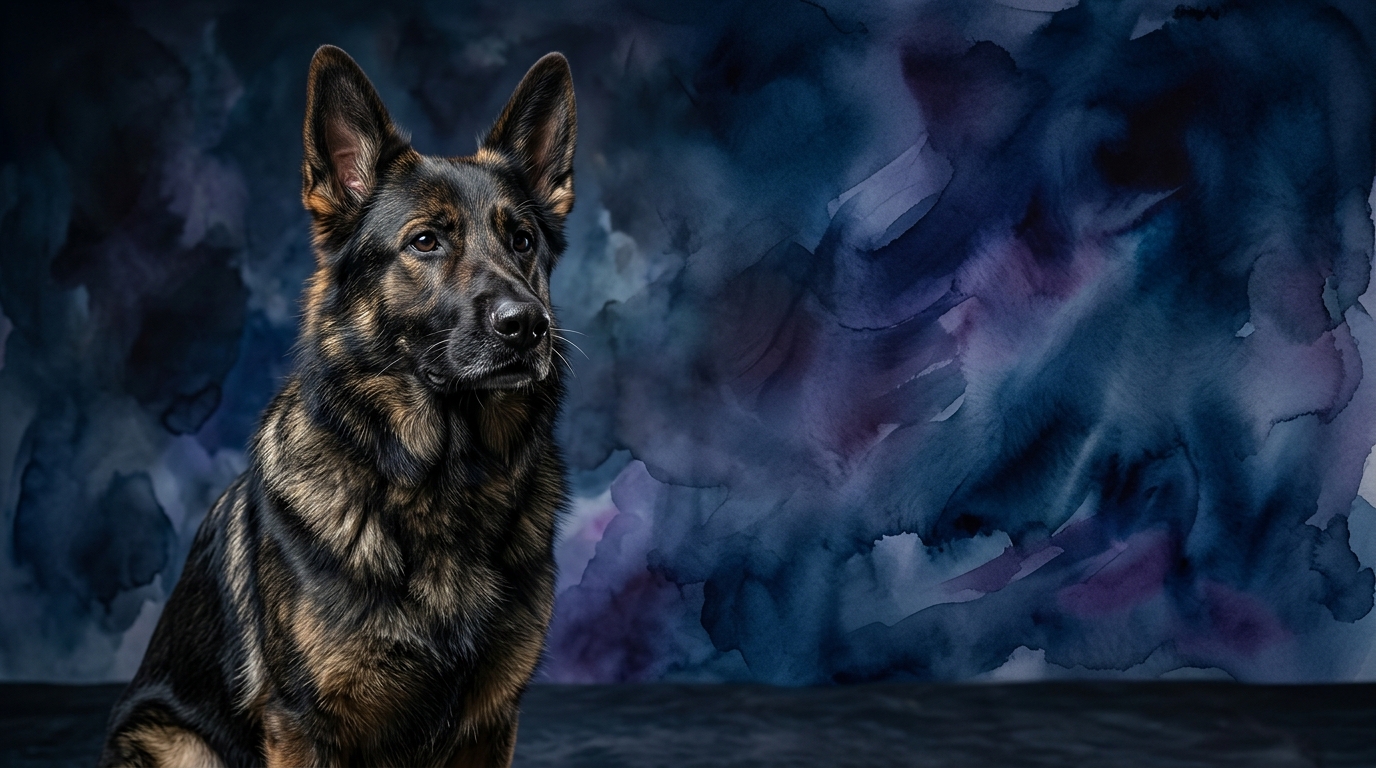
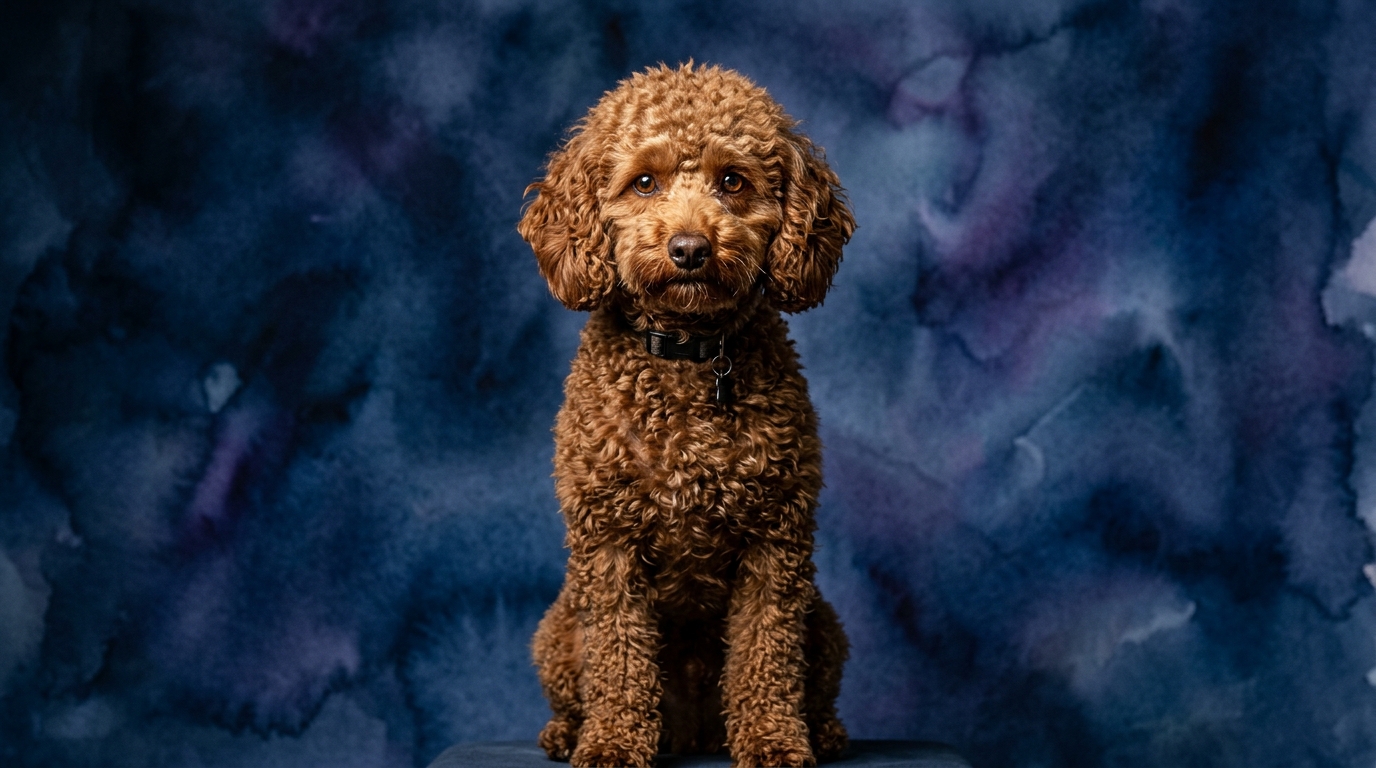
Side-by-Side IQ Profile: German Shepherd vs. Miniature Poodle
The Cosmic Pet Pet IQ Lab employs a comprehensive five-dimensional framework to assess canine intelligence, moving beyond simple obedience to understand the nuances of a breed's cognitive strengths. Here's how the German Shepherd and Miniature Poodle measure up:
**German Shepherd (Coren Rank #3)**: This herding breed demonstrates exceptional cognitive faculties across the board. Its Problem Solving is rated 5/5, indicating an exceptional capacity to assess complex situations, strategize, and execute solutions, often involving spatial reasoning or understanding multi-step commands. Training Speed is 5/5, meaning they absorb new commands and routines with remarkable rapidity, typically requiring very few repetitions to achieve mastery. Social Intelligence stands at 5/5, reflecting a profound understanding of human cues, intentions, and emotional states, enabling strong partnership and communication. Instinctive Drive is also 5/5, showcasing powerful innate urges for tasks like herding, guarding, or protection, channeling these drives into focused work and purpose. Finally, Memory is 5/5, retaining learned behaviors, commands, and experiences over long periods, demonstrating robust recall even after extended breaks.
**Miniature Poodle (Coren Rank #2)**: Ranking even higher than the German Shepherd in Coren's broader intelligence scale, the Miniature Poodle presents a slightly different cognitive profile. Its Problem Solving is 5/5, demonstrating a high aptitude for navigating novel challenges, figuring out puzzles, or adapting learned behaviors to new contexts. Training Speed is 5/5, indicating they pick up new skills and commands with impressive swiftness, often appearing to grasp concepts after only a handful of repetitions. Social Intelligence is 3/5, meaning they understand human signals and interact appropriately, though perhaps without the intense focus or deep emotional mirroring seen in some working breeds; they are responsive but might prioritize their own interests more readily. Instinctive Drive is 3/5, possessing some inherent drives for play or companionship, but these are generally less intense and less task-oriented than those of herding or working breeds, with motivation often more generalized. Memory is 5/5, showing excellent retention of training, routines, and past experiences, building a solid foundation of learned knowledge.
Where the German Shepherd Excels Cognitively
The German Shepherd's cognitive strengths distinctly shine in areas where partnership and purpose converge. Its 5/5 Social Intelligence is not merely about understanding commands; it translates into an unparalleled depth of collaboration in working roles. They are adept at anticipating a handler's next move, interpreting subtle body language, and making autonomous decisions in sync with human objectives, which is crucial for complex tasks like police work, search and rescue, or service assistance. This profound social understanding fosters an intense bond built on mutual interpretation and shared goals.
Complementing this is their 5/5 Instinctive Drive. This powerful, innate desire to work and fulfill a purpose, honed over generations for herding and protection, is a significant cognitive asset. It provides an intrinsic motivation for focused, sustained effort in demanding tasks, meaning a German Shepherd's mind is often seeking a job, a problem to solve for its human, and finds deep satisfaction in fulfilling that inherent drive. This blend of social attunement and purposeful drive gives them an edge in structured, collaborative work.
Where the Miniature Poodle Shows Its Cognitive Edge
Despite some lower scores in specific dimensions compared to the German Shepherd, the Miniature Poodle's overall Coren rank of #2 suggests a general cognitive edge, particularly in its versatile application of intelligence. Their 5/5 Problem Solving, combined with a 3/5 Instinctive Drive, allows for remarkable adaptability. While a German Shepherd's problem-solving often funnels into task-oriented work, a Poodle's might manifest in navigating complex social environments, creatively adapting to various living situations, or finding ingenious ways to achieve comfort or attention without relying on a strong inherent working purpose.
The Poodle's less intense instinctive drive can actually be a cognitive advantage. It means they aren't bound by the same innate pressure to fulfill specific working roles, allowing their substantial problem-solving and training speed to be more broadly applied. This general intellectual flexibility enables them to excel in a wider array of intellectual pursuits, from mastering complex trick training to excelling in diverse dog sports like agility, without the need for a specific 'job' to feel fulfilled. Their cognitive strength lies in this broad, adaptable intelligence.
Training Dynamics: German Shepherd vs. Miniature Poodle
Both breeds boast a 5/5 Training Speed, meaning they both grasp new concepts and commands with impressive rapidity. However, the *ease* of training, particularly in different contexts, is influenced by their other cognitive dimensions. The German Shepherd, with its 5/5 Social Intelligence and 5/5 Instinctive Drive, often appears easier to train for structured, task-oriented work. They possess an inherent desire to work alongside their human and fulfill a purpose, making them highly receptive to commands and eager to please within a working framework. Their deep social connection means they are acutely attuned to their handler's cues and intentions, often anticipating rather than just reacting.
The Miniature Poodle, while equally fast to learn, might present different training considerations due to its 3/5 Social Intelligence and 3/5 Instinctive Drive. While they quickly pick up what is asked, their motivation might stem more from rewards or personal enjoyment rather than an intense, inherent drive to work *for* the human in a deeply collaborative sense. They might be more prone to weighing 'what's in it for me?' or becoming bored if tasks aren't sufficiently engaging. Training a Poodle requires consistent positive reinforcement, variety, and creativity to maintain engagement, as their drive isn't as intrinsically tied to fulfilling a human's specific work agenda.
Matching Canine Intellect to Owner Lifestyles
When considering which breed aligns with an owner's lifestyle, their cognitive profiles offer clear guidance. The German Shepherd, with its 5/5 Instinctive Drive and heritage as a herding and working dog, unequivocally suits active owners. This breed demands significant daily physical and mental exercise; without a 'job' or sufficient outlets for their intense energy and cognitive capacity, they can become restless, anxious, or engage in destructive behaviors. They thrive on purpose-driven activities such as advanced obedience, protection work, dog sports, or even just long, structured walks that incorporate mental challenges, needing to feel useful and engaged.
The Miniature Poodle, conversely, offers greater versatility for owner lifestyles. While they are energetic and enjoy activity, their 3/5 Instinctive Drive means they don't *require* the same intense, purpose-driven exercise as a German Shepherd. They can adapt well to moderately active households, enjoying walks, playtime, and mental games, but are also content to relax with their family. Their adaptability makes them suitable for both active individuals who enjoy dog sports and those seeking a companion for a more relaxed domestic life, provided their cognitive needs for stimulation are met through training, puzzles, and interactive play.
The Verdict: When to Choose Each Breed
The Verdict
Opt for a German Shepherd if you seek a deeply collaborative partner for demanding work, structured training, and an active lifestyle, thriving on purpose and shared objectives.
Select a Miniature Poodle if you desire a versatile, adaptable companion who excels in diverse learning, enjoys varied activities, and can thrive in both active and more relaxed home environments.
🧠 Find Your Pet's IQ Score
Our Pet IQ Lab assessment covers 25+ tests across 5 cognitive dimensions — personalized to your breed.
Take the Full IQ Test →Frequently Asked Questions
Are German Shepherds better guard dogs due to their intelligence?
A German Shepherd's 5/5 social intelligence and 5/5 instinctive drive for protection contribute to their aptitude as guard dogs. Their ability to read situations and their innate protective instincts, combined with rapid training, make them effective at discerning threats and acting appropriately.
Can a Miniature Poodle excel in dog sports like agility?
Absolutely. Miniature Poodles possess 5/5 problem-solving and 5/5 training speed, making them excellent candidates for agility and other dog sports. While their instinctive drive is 3/5, their keen intellect and physical agility allow them to master complex courses with enthusiasm.
How does the difference in social intelligence impact daily life with these breeds?
A German Shepherd's 5/5 social intelligence means they are often acutely tuned into their owner's moods and intentions, fostering a very intuitive partnership. A Miniature Poodle's 3/5 social intelligence means they are responsive and affectionate, but might be slightly more independent in their emotional responses and less prone to intense, constant monitoring of their human's state.