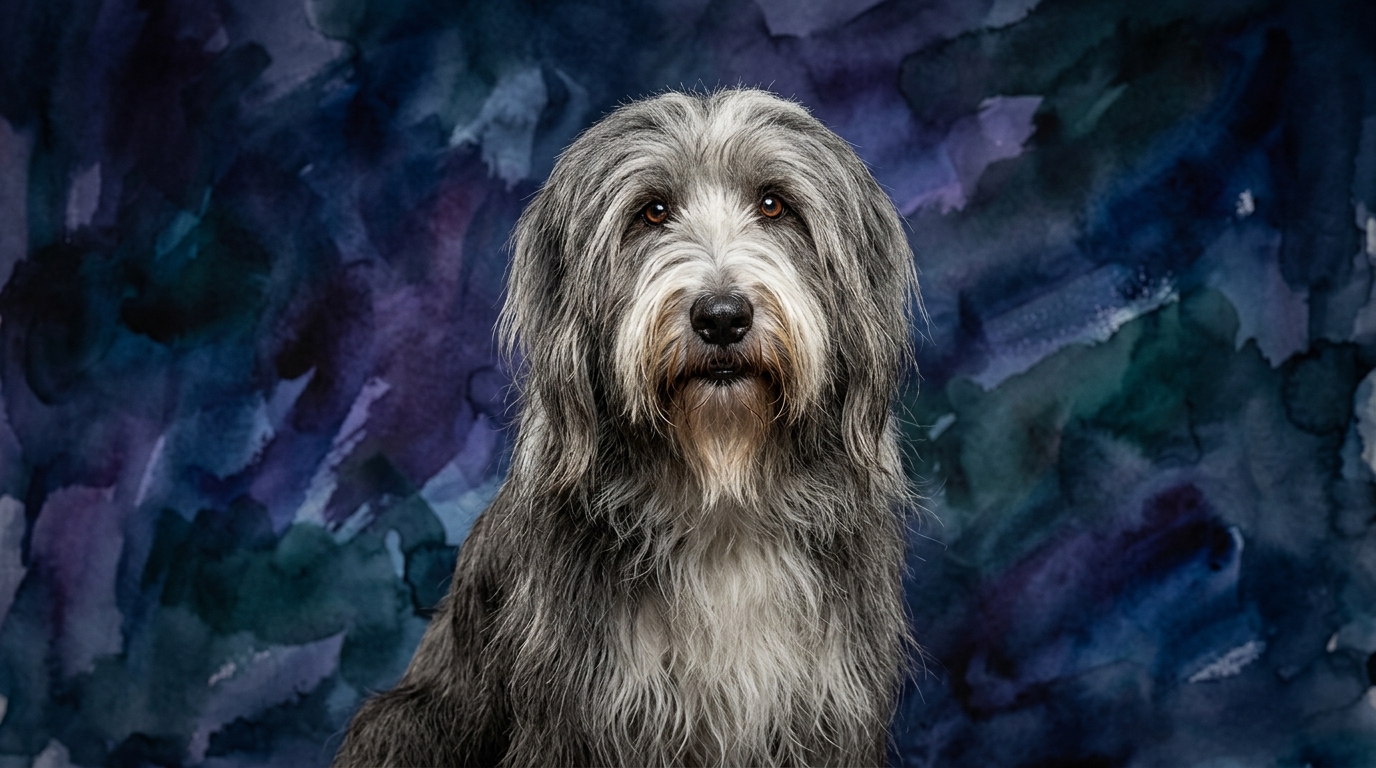
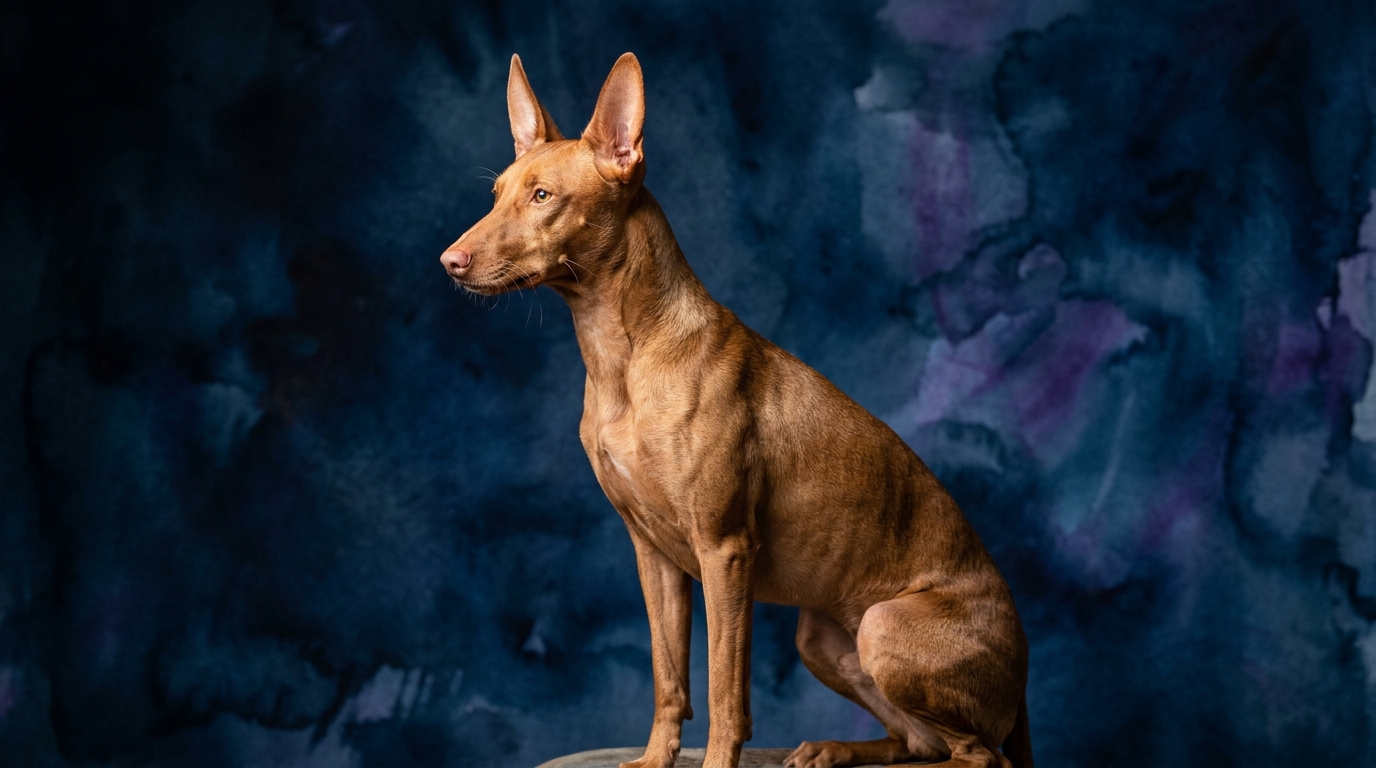
Side-by-Side IQ Profile: Bearded Collie vs. Pharaoh Hound
Bearded Collie: Ranked #34 by Coren, this breed demonstrates a robust cognitive toolkit. Its problem Solving scores 4/5, indicating a strong capacity to navigate complex situations and adapt strategies, essential for managing livestock. Training Speed is also high at 4/5, suggesting these dogs absorb new commands and routines with impressive efficiency, eager to engage in learning. Social Intelligence registers at 3/5, meaning they are generally attuned to human emotions and cues, forming strong bonds. Their instinctive Drive is 3/5, reflecting a well-honed herding instinct. Finally, their memory is excellent at 4/5, allowing them to recall commands, experiences, and learned behaviors over extended periods.
Pharaoh Hound: Unranked by Coren, the Pharaoh Hound presents a different cognitive profile rooted in its sighthound heritage. Its problem Solving capability sits at 3/5, indicating a functional ability to assess and react to immediate challenges, often relying on keen senses. Training Speed is 3/5, suggesting they learn at a moderate pace, often requiring motivation appealing to their independent nature. Social Intelligence is 3/5, signifying capacity for affectionate bonds within their chosen family, though reserved with strangers. Their instinctive Drive scores 3/5, which in a Pharaoh Hound translates to a powerful prey drive and inclination to chase, a sighthound hallmark. Their memory is 3/5, allowing them to retain learned behaviors and routines, though perhaps not with the same breadth as a breed bred for complex tasks.
Where the Bearded Collie Wins Cognitively
The Bearded Collie distinguishes itself in areas demanding sustained mental engagement and rapid comprehension. Their problem Solving score of 4/5 means they are adept at figuring out puzzles, navigating new environments, and adapting to unexpected changes with resourcefulness. For instance, a Bearded Collie is more likely to methodically work through a complex dog puzzle or quickly understand how to open a childproof gate. Their superior training Speed (4/5) translates into a faster grasp of new commands and multi-step routines, making them prime candidates for advanced obedience, agility, or trick training. Owners often find these dogs pick up new behaviors in fewer repetitions. Furthermore, their impressive memory (4/5) ensures that once a command or routine is learned, it's likely to be retained for a long time. This means less "re-training" and consistent performance in learned tasks, allowing a broader repertoire of behaviors.
Where the Pharaoh Hound Wins Cognitively
While the Pharaoh Hound's scores might appear lower, its cognitive strengths are uniquely tailored to its ancestral purpose. Its instinctive Drive (3/5) is not merely a score but a defining trait, reflecting an unparalleled capacity for independent hunting and pursuit. This translates into exceptional sensory intelligence, particularly keen eyesight and ability to process movement and environmental cues over vast distances. A Pharaoh Hound "wins" in scenarios demanding quick, autonomous decision-making based on sensory input, such as spotting a distant rabbit and formulating an immediate chase strategy. Their social Intelligence (3/5) often expresses itself as a deep, sensitive bond with their immediate family, combined with a dignified reserve towards strangers. This specific social aptitude means they thrive as cherished companions, offering a different flavor of companionship than a herding dog. Their functional problem Solving (3/5) allows them to efficiently navigate their environment, finding comfort spots and demonstrating a practical intelligence geared towards their well-being.
Training Ease: Bearded Collie vs. Pharaoh Hound
The Bearded Collie is generally easier to train, primarily due to its higher training Speed (4/5) and eagerness to collaborate. Bearded Collies typically thrive on positive reinforcement and the mental stimulation of learning, quickly understanding what is expected and performing tasks with enthusiasm. Their herding background instilled a desire to work in partnership, making them receptive to cues. In contrast, the Pharaoh Hound, with its training Speed of 3/5, presents a more independent training challenge. These sighthounds were bred to hunt autonomously, relying on their own judgment. This independence means they may require more patience, creativity, and high-value rewards to maintain focus. While capable of learning, their attention span for repetitive drills might be shorter; they weigh whether a command is worth effort, often needing immediate benefit.
Active Owners vs. Relaxed Owners: Which Breed Suits Which?
For owners seeking a highly engaged, mentally stimulating companion, the Bearded Collie suits an active lifestyle. Their problem Solving and training Speed scores indicate a dog that thrives on consistent mental challenges, whether through advanced obedience, agility, or complex puzzle games. They require regular, vigorous exercise and mental work to prevent boredom and channel herding instincts. Owners enjoying long hikes, dog sports, or dedicated training find an enthusiastic partner. Conversely, while Pharaoh Hounds possess an instinctive Drive for powerful bursts of speed and chasing, they can often be surprisingly relaxed indoors once their exercise needs are met. An active owner for a Pharaoh Hound might prioritize secure, off-leash running in a fenced area, or lure coursing, fulfilling sighthound instincts. However, they are not suited for the constant "work" mentality of a herding dog. A relaxed owner providing dedicated, high-intensity exercise in short bursts, followed by ample indoor lounging, might find the Pharaoh Hound's calm demeanor appealing. They appreciate comfort and quiet, making them suitable for owners who value a serene home environment alongside bursts of outdoor activity.
The Verdict
Opt for a Bearded Collie if you are an engaged owner who thrives on consistent training, enjoys dog sports, and is prepared to provide ample mental stimulation and physical activity for a highly cooperative companion.
Select a Pharaoh Hound if you appreciate an independent, elegant companion, are committed to providing secure environments for their powerful running instincts, and value a dog that combines bursts of intense activity with a calm, dignified presence indoors.
🧠 Find Your Pet's IQ Score
Our Pet IQ Lab assessment covers 25+ tests across 5 cognitive dimensions — personalized to your breed.
Take the Full IQ Test →Frequently Asked Questions
Is a Pharaoh Hound difficult to train due to its independence?
Pharaoh Hounds are not "difficult" in the sense of being unintelligent, but their independent nature and strong prey drive mean they often require more patience, consistency, and positive reinforcement during training. They respond best when training is engaging and rewarding, understanding the "why" rather than merely complying.
How do the social intelligence scores impact interaction with families and strangers?
Both breeds score 3/5 in social intelligence, but this manifests differently. Bearded Collies are typically more outwardly friendly and eager to engage with family and polite strangers. Pharaoh Hounds bond deeply with their family but tend to be more reserved and aloof with unfamiliar people, preferring a dignified distance until they choose to engage.
Which breed requires more mental exercise to stay content?
The Bearded Collie, with its higher problem-solving and training speed, generally requires more consistent and varied mental exercise to prevent boredom and channel its herding intellect. Pharaoh Hounds benefit from mental stimulation, but their needs are often met through sensory exploration and engaging sighthound instincts, rather than constant learning of complex tasks.