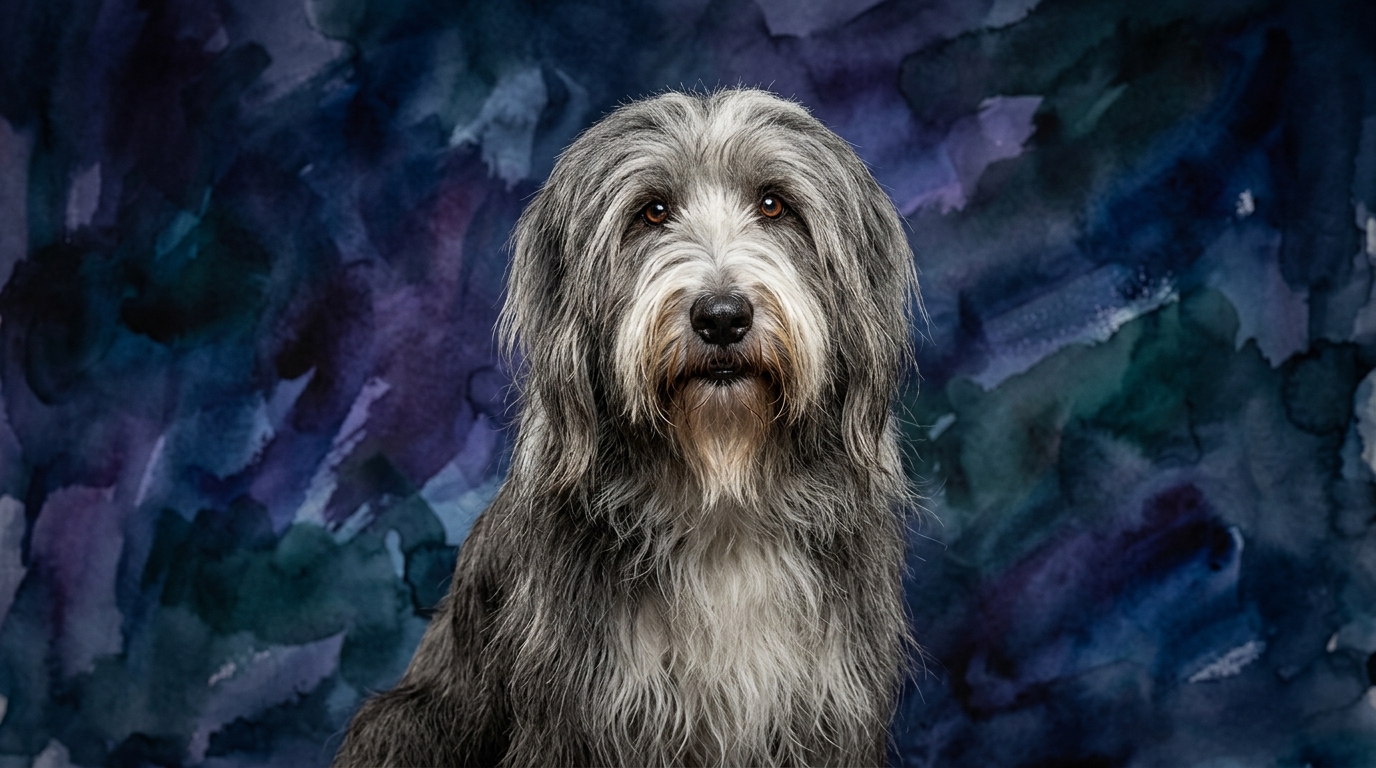
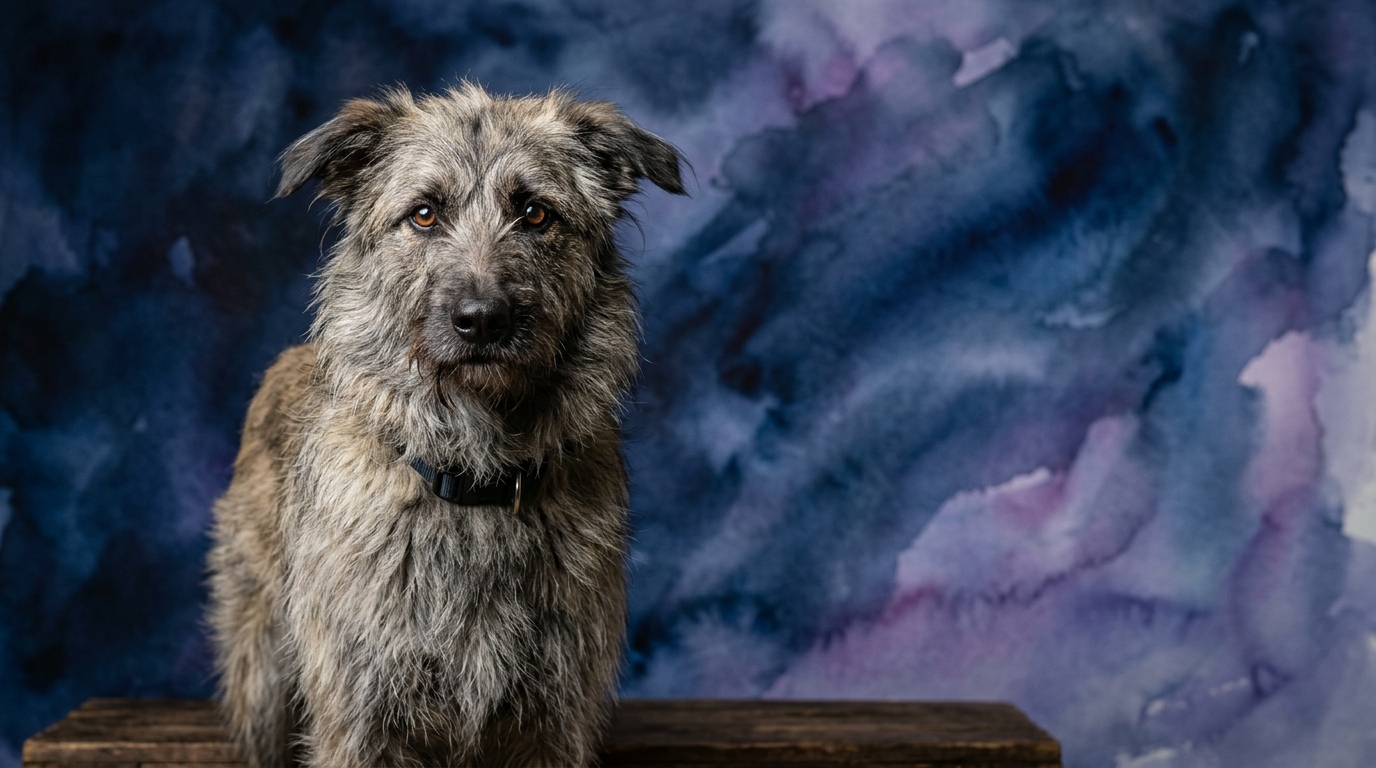
Side-by-Side IQ Profile: Bearded Collie vs. Pyrenean Shepherd
The Cosmic Pet Pet IQ Lab employs a five-dimensional framework to assess canine intelligence, offering a granular view beyond simple obedience. For the Bearded Collie, ranked #34 by Coren, its profile includes Problem Solving 4/5, Training Speed 4/5, Social Intelligence 3/5, Instinctive Drive 3/5, and Memory 4/5. This suggests a dog capable of flexible thought, rapid learning, and strong retention, with a moderate understanding of social cues and an adaptable herding instinct.
The Pyrenean Shepherd, though not Coren-ranked, presents a consistent cognitive profile: Problem Solving 3/5, Training Speed 3/5, Social Intelligence 3/5, Instinctive Drive 3/5, and Memory 3/5. This indicates a dog with practical problem-solving abilities, a steady learning pace, and a focused, persistent herding drive, coupled with reliable memory and a thoughtful engagement with its social environment.
Where the Bearded Collie Exhibits Cognitive Strengths
The Bearded Collie's cognitive profile highlights several distinct advantages. Its Problem Solving score of 4/5 suggests a greater capacity for flexible thought and innovative solutions when faced with novel challenges, distinguishing it from the Pyrenean Shepherd's more direct 3/5 approach. This translates to an animal that might more readily adapt to new environments or complex puzzle toys, approaching unfamiliar situations with a degree of analytical curiosity.
Furthermore, a Training Speed of 4/5 indicates a quicker uptake of commands and routines, making the initial stages of obedience training often smoother and more rewarding for the handler. The Collie’s Memory score of 4/5 also suggests a more robust and rapid recall of learned behaviors and past experiences, which is invaluable in advanced training or performance sports where intricate sequences are required. This combination of faster learning and stronger retention means the Bearded Collie can often progress through training levels with greater efficiency, mastering a broader repertoire of skills with less repetition.
Where the Pyrenean Shepherd Exhibits Cognitive Strengths
While the Pyrenean Shepherd's individual cognitive scores are generally a point lower or equal to the Bearded Collie's, its overall profile presents a unique set of strengths, particularly in the context of its traditional role. The Pyrenean Shepherd’s 3/5 Problem Solving and Instinctive Drive, when combined, speak to a breed that excels in persistent, self-reliant task execution, often in rugged and demanding environments. Unlike the Collie's potentially more analytical problem-solving, the Pyr Shep's approach is often characterized by an intense focus and unwavering determination to complete a task, even if it requires repeated effort or independent decision-making without constant handler input.
This persistent drive, while scoring 3/5, can be a distinct advantage in situations where a dog needs to work autonomously for extended periods, making decisions based on its direct observations and strong herding instincts rather than waiting for explicit commands. Its social intelligence, also 3/5, contributes to a keen awareness of its handler without necessarily demanding constant interaction, fostering a partnership built on mutual respect and task orientation. This self-contained focus means it's less likely to be distracted by peripheral stimuli, maintaining its concentration on the job at hand, a quality essential for its historical herding duties in challenging terrain.
Training Dynamics: Which Breed is Easier to Train?
Based on the IQ profiles, the Bearded Collie holds a clear advantage in terms of ease of training. Its Training Speed score of 4/5 indicates a quicker understanding and adoption of new commands compared to the Pyrenean Shepherd’s 3/5. This difference means a Bearded Collie will typically require fewer repetitions to learn a new behavior, making training sessions more efficient and potentially less frustrating for a novice owner.
Beyond speed, the Collie’s 4/5 Problem Solving ability means it often grasps the underlying concept of a task more readily, allowing for smoother transitions between different training exercises. In contrast, the Pyrenean Shepherd, while capable of learning, may require more consistent, patient, and precise instruction due to its slightly slower training speed. Its independent nature and focused drive, while excellent for herding, might also translate into a dog that needs more convincing or clear motivation to comply with commands that seem arbitrary from its perspective. The Collie's stronger memory further supports its trainability, ensuring that once a behavior is learned, it is retained more reliably over time, reducing the need for frequent refreshers.
Lifestyle Match: Active Owners vs. Relaxed Owners
Both the Bearded Collie and the Pyrenean Shepherd are herding breeds, inherently possessing significant energy levels and a need for mental engagement, making them generally unsuitable for truly relaxed, sedentary owners. However, there are nuances in their ideal owner match. The Bearded Collie, with its higher problem-solving and training speed, thrives on varied activities that challenge its intellect. It benefits from owners who are not only active physically but also keen to engage in structured training, dog sports like agility or obedience, and interactive play that stimulates its quick mind. An owner who enjoys teaching new tricks and participating in consistent mental enrichment will find the Collie a rewarding partner.
The Pyrenean Shepherd, while equally active, benefits from owners who appreciate its tenacious and somewhat independent nature. Its cognitive profile suggests it excels with owners who provide clear structure and consistent outdoor activity, perhaps including hiking, running, or continuing with herding tasks. While it needs mental stimulation, its focus might be more on persistent, goal-oriented activities rather than rapid-fire learning of diverse commands. Owners who understand and respect a more self-reliant dog, and are prepared to engage in robust physical exercise, will find the Pyrenean Shepherd a loyal and dedicated companion. Neither breed is ideal for owners seeking a low-maintenance couch potato, but the Collie often seeks more interactive, mentally stimulating engagement from its human, whereas the Pyr Shep might be content with a strenuous job to do.
The Verdict
Select the Bearded Collie if you seek a companion eager to learn new commands quickly and engage in diverse mental challenges, thriving on interactive problem-solving and strong retention of complex skills.
Opt for the Pyrenean Shepherd if you value a tenacious, independent partner capable of focused, persistent work, excelling in rugged environments with an owner who appreciates its self-reliant nature and provides ample physical outlets.
🧠 Find Your Pet's IQ Score
Our Pet IQ Lab assessment covers 25+ tests across 5 cognitive dimensions — personalized to your breed.
Take the Full IQ Test →Frequently Asked Questions
Are Bearded Collies better at competitive dog sports than Pyrenean Shepherds?
The Bearded Collie's superior training speed and memory (both 4/5) often give it an edge in competitive dog sports like agility or obedience, where rapid learning of complex sequences and precise execution are crucial. While Pyrenean Shepherds can certainly excel, the Collie's cognitive profile suggests a slightly faster path to mastery in these areas.
Do Pyrenean Shepherds make good family pets despite their independence?
Yes, Pyrenean Shepherds can be excellent family pets, particularly for active families who understand and respect their independent and watchful nature. Their social intelligence (3/5) allows them to form strong bonds, but they require consistent socialization and clear boundaries to ensure they channel their herding instincts appropriately within a home environment.
How do their herding instincts compare in daily life?
Both breeds possess a moderate instinctive drive (3/5), but its manifestation differs. The Bearded Collie's herding drive might appear as a playful desire to gather family members or objects, often with a more adaptable approach. The Pyrenean Shepherd's drive tends to be more intensely focused and persistent, potentially manifesting as a strong desire to control movement, requiring consistent direction from an owner to prevent nipping or excessive 'bossiness' towards children or other pets.