
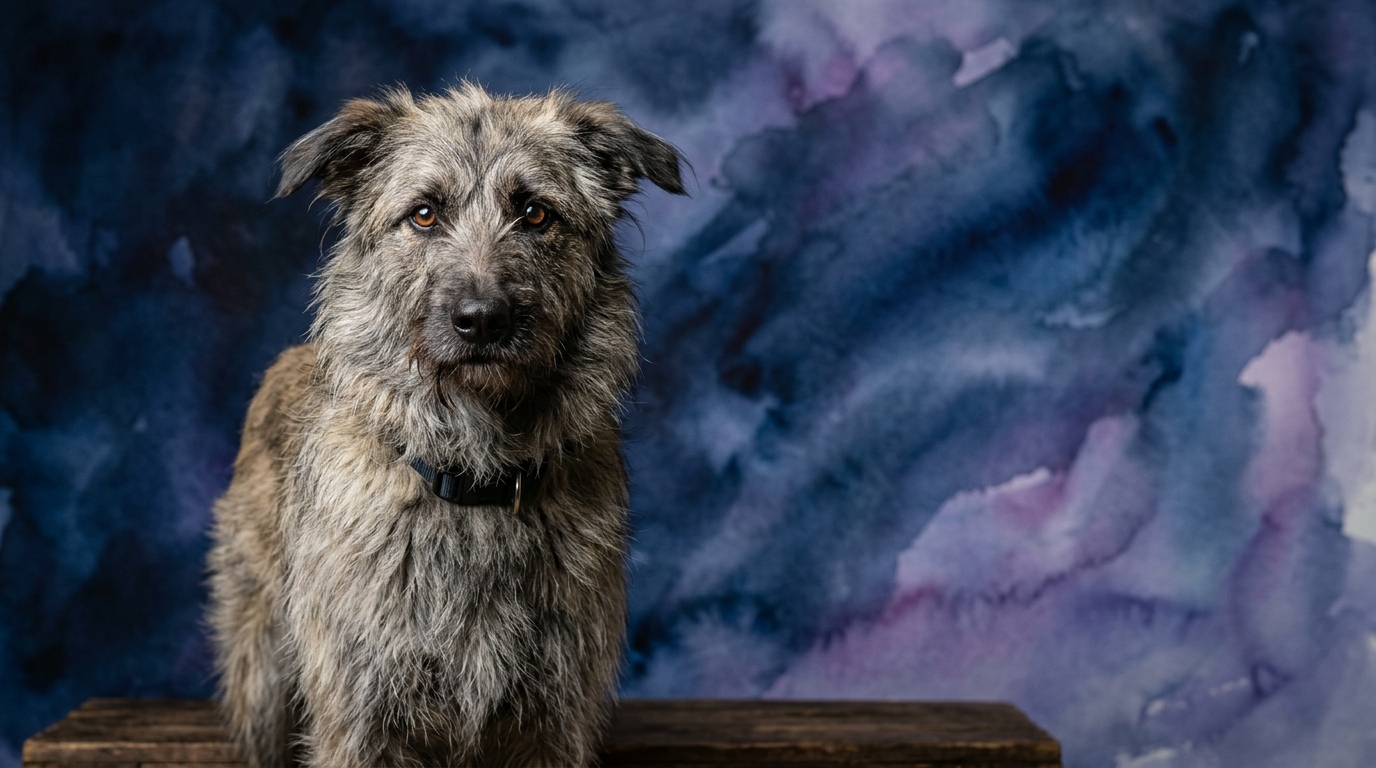
Side-by-Side IQ Profile
The Cosmic Pet Pet IQ Lab utilizes a five-dimensional framework to assess canine cognition, offering a nuanced look at what makes each breed unique.
The German Shepherd consistently scores at the pinnacle across our cognitive metrics. Their Problem Solving is 5/5, reflecting an exceptional ability to analyze complex situations, devise strategies, and adapt learned behaviors. Training Speed, also 5/5, highlights their rapid acquisition of commands and routines, demonstrating an eagerness to learn. Social Intelligence, a perfect 5/5, speaks to their profound empathy and capacity to interpret subtle human cues. Their Instinctive Drive, another 5/5, underscores a powerful innate motivation for work, coupled with unwavering focus. Finally, their Memory, scoring 5/5, means they retain a vast repertoire of commands, experiences, and social lessons over extended periods.
The Pyrenean Shepherd presents a distinct cognitive profile reflecting its independent working heritage. Their Problem Solving is 3/5, indicating a practical, task-oriented approach to challenges, often relying on quick, intuitive decisions. Training Speed, at 3/5, suggests effective learning but may require more repetition and patience, often processing commands for immediate utility. Social Intelligence, also 3/5, points to a strong, discerning bond with their primary handler, yet often a reserved demeanor with strangers. Their Instinctive Drive, 3/5, manifests as a focused, tenacious herding impulse, but perhaps with less generalized “work for work’s sake” motivation. Their Memory, likewise 3/5, supports their ability to recall essential routines, commands, and familiar pathways.
Where German Shepherd Wins Cognitively
The German Shepherd’s cognitive strengths truly shine in their exceptional adaptability and capacity for complex, multi-layered tasks. They demonstrate a profound ability to generalize learned behaviors across diverse scenarios, making them exceptional for roles requiring constant mental flexibility, such as search and rescue or service work. Their 5/5 problem-solving isn’t just about solving a puzzle; it’s about strategizing, understanding consequences, and often anticipating the next step. They can grasp and execute multi-stage commands like “go find the red ball, bring it here, then put it in the basket,” demonstrating intricate understanding of sequencing and abstract commands. This cognitive agility allows them to thrive in highly structured environments where precision and rapid comprehension are paramount.
Where Pyrenean Shepherd Wins Cognitively
The Pyrenean Shepherd’s cognitive advantages are rooted in their independent resourcefulness and practical, real-world decision-making, honed by centuries of solitary herding. Their 3/5 problem-solving translates into a superior ability to make on-the-spot judgments in dynamic, often unpredictable environments without constant human direction. When faced with a scattered flock or an approaching predator, a Pyrenean Shepherd is more likely to act proactively, relying on keen observational skills and innate understanding of livestock behavior. This breed excels at reading situations and reacting with swift, decisive action, an invaluable intuitive intelligence in their traditional role. Their focus on the immediate task and pragmatic approach allows them to navigate complex outdoor scenarios with remarkable autonomy.
Which is Easier to Train and Why
When considering ease of training, the German Shepherd generally offers a more straightforward path for most handlers, owing to their consistently high scores. Their 5/5 Training Speed means they absorb new commands rapidly, requiring fewer repetitions. This is coupled with their 5/5 Social Intelligence, fostering a strong desire to please and deep attunement to human cues, making them highly responsive. They thrive on structured learning and complex sequences, viewing training as a collaborative activity, with their 5/5 Memory ensuring long-term retention.
The Pyrenean Shepherd, with 3/5 Training Speed and Social Intelligence, demands a different approach. While capable, their inherent independence and pragmatic outlook mean they might not always prioritize human commands over their own assessment, especially if conflicting with instincts. They are less inclined to perform solely for pleasing and often need to understand a command’s utility. Training a Pyrenean Shepherd demands patience, consistency, and understanding their herding temperament. Positive reinforcement works best, building trust. They might take longer to generalize commands, but once ingrained and understood, behaviors are performed with intense focus.
Which Suits Active Owners vs. Relaxed Owners
Neither breed suits genuinely “relaxed” owners. Both possess substantial energy and cognitive capacities demanding regular physical exercise and consistent mental stimulation.
The German Shepherd, scoring 5/5 across all dimensions, is ideal for highly active owners eager to commit to extensive training and competitive dog sports. They thrive when their cognitive prowess is regularly challenged through advanced obedience, agility, or scent detection. Owners who enjoy structured learning, complex problem-solving, and a deeply collaborative partnership will find them unparalleled. Insufficient intellectual outlets can lead to boredom or destructive behaviors.
The Pyrenean Shepherd, while also requiring an active lifestyle, suits owners who appreciate a more independent, agile, and resourceful companion, perhaps with interests in herding, hiking, or less formally structured “real-world” tasks. Owners valuing a dog’s ability to make independent decisions and navigate dynamic environments will find them rewarding. Their 3/5 scores suggest a focus on practical application rather than abstract, formalized obedience for its own sake. They excel with purpose-driven tasks tapping into natural instincts, making them excellent partners for trail exploration or focused herding work where quick wits are paramount. They need active owners who appreciate an independent working style.
The Verdict
Choose the German Shepherd if you are an active owner seeking a highly versatile, profoundly trainable, and deeply engaged partner for complex tasks, competitive dog sports, protection work, or service roles, thriving on structured learning and a collaborative relationship.
Choose the Pyrenean Shepherd if you are an active owner who appreciates an independent, resourceful, and agile companion, perhaps with a specific interest in herding or a partner that excels with practical, real-world problem-solving and can operate with focused autonomy once a task is understood.
🧠 Find Your Pet's IQ Score
Our Pet IQ Lab assessment covers 25+ tests across 5 cognitive dimensions — personalized to your breed.
Take the Full IQ Test →Frequently Asked Questions
Are Pyrenean Shepherds good family dogs?
Pyrenean Shepherds can be excellent family dogs, forming strong bonds with their immediate household. However, their reserved nature with strangers and their herding instincts mean they require early socialization and consistent training to ensure they are comfortable and well-behaved in various social settings.
How much exercise do German Shepherds need?
German Shepherds require significant daily exercise, typically 60-90 minutes of vigorous activity, beyond simple leash walks. This should include mentally stimulating activities like training, agility, or interactive play, as their high cognitive drive demands both physical and mental exertion to prevent boredom.
Can a Pyrenean Shepherd live in an apartment?
While a Pyrenean Shepherd can adapt to apartment living, it is not ideal due to their high energy levels and need for extensive mental and physical stimulation. They require regular, vigorous exercise and opportunities for focused work or play to prevent restlessness and ensure their well-being.