
Side-by-Side IQ Profile
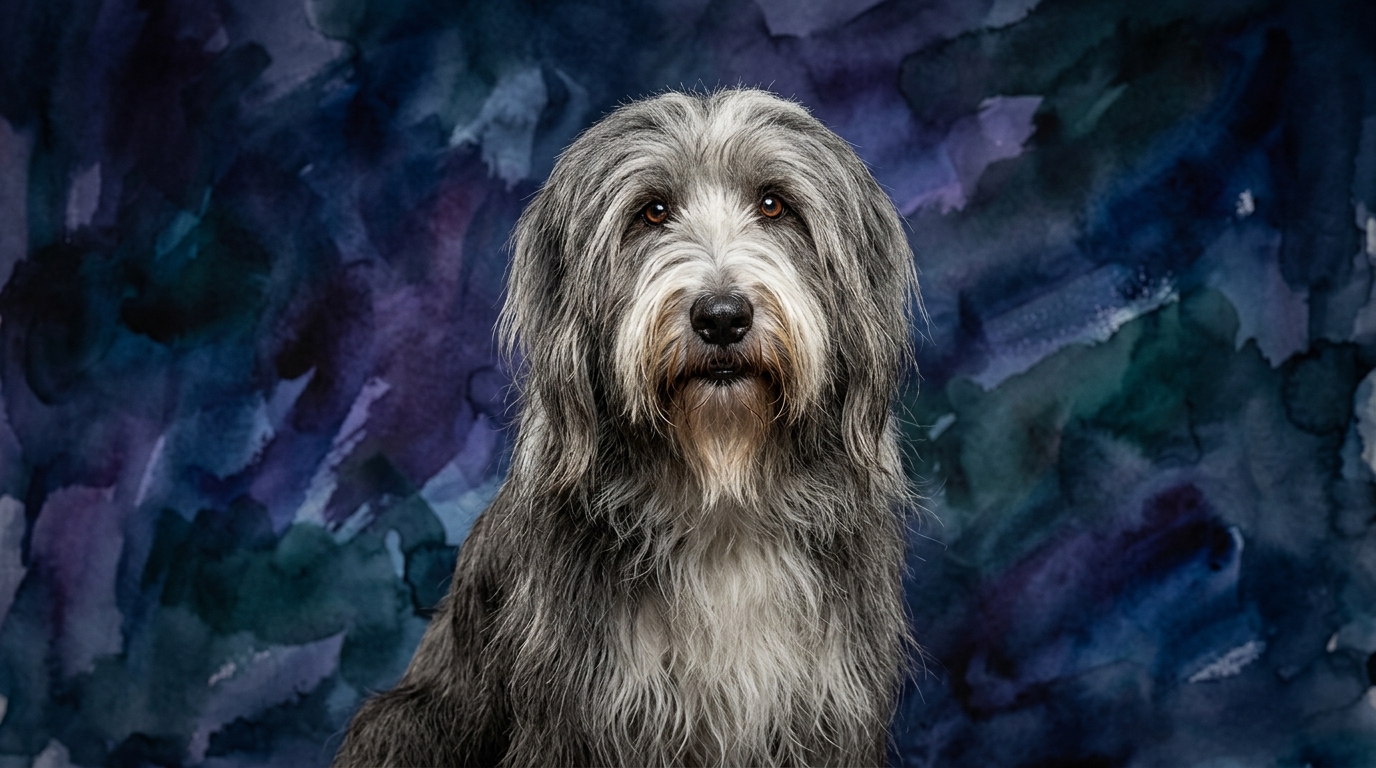
The Cosmic Pet Pet IQ Lab employs a five-dimensional framework to map canine cognition, offering a nuanced understanding of each breed's mental aptitude. For the Bearded Collie, a Herding group member, its profile reflects its historical demands: its Problem Solving is rated 4/5, indicating a strong capacity to navigate complex situations and adapt to changing variables, crucial for managing livestock. Training Speed also scores 4/5, suggesting a quick grasp of new commands and routines, often eager to learn and execute multi-step tasks. Social Intelligence stands at 3/5, meaning they are generally responsive to human cues and bond well, though perhaps less focused on subtle emotional nuances than some companion breeds. Their Instinctive Drive, at 3/5, points to a moderate but present herding impulse, needing appropriate outlets. Finally, Memory, at 4/5, underpins their ability to recall intricate sequences and learned behaviors over extended periods.
In contrast, the Russian Toy, a delicate Toy group member, presents a profile geared more towards companionship. Its Problem Solving is rated 3/5, indicating an ability to figure out basic puzzles or navigate familiar environments, but less inclination for highly complex, novel challenges. Training Speed also scores 3/5, meaning they learn at a moderate pace, benefiting from consistent, positive reinforcement rather than rapid-fire instruction. Social Intelligence is 3/5, reflecting their close bond with owners and sensitivity to household dynamics, often attuned to their family's moods. Their Instinctive Drive, at 3/5, might manifest as an alert nature or a manageable prey drive for small objects, typical of a small companion. Memory, also 3/5, suggests they retain learned behaviors and routines effectively with regular practice and reinforcement.
Where Bearded Collie Wins Cognitively
The Bearded Collie's cognitive strengths are deeply rooted in its herding heritage, making it a standout in practical application of intellect. Its superior Problem Solving (4/5) allows it to excel in dynamic environments, such as figuring out how to move a flock through an unexpected obstacle or adapting a strategy on the fly. This isn't just about following commands; it's about independent thought and initiative when the situation demands it. Coupled with its high Training Speed (4/5), the Bearded Collie absorbs complex command sequences and intricate routines with remarkable efficiency, often demonstrating a clear understanding of the *purpose* behind the task. Their excellent Memory (4/5) means they retain these sophisticated skills over long periods, making them reliable partners in activities requiring sequential actions and recall, from advanced obedience to agility courses. They thrive on mental challenges that engage their capacity for strategic thinking and multi-step execution, demonstrating a cognitive robustness built for demanding work.
Where Russian Toy Wins Cognitively
While the Russian Toy's raw scores might appear moderate compared to a working breed, its cognitive strengths are perfectly tailored for its role as a devoted companion, showcasing a different kind of winning intellect. Its Social Intelligence (3/5), combined with its small stature and innate desire for close proximity, often translates into an exceptional ability to read and respond to its owner's subtle emotional states and household routines. This isn't about herding sheep, but about navigating the intricate social landscape of a human family, often anticipating needs or seeking comfort at just the right moment. Their Problem Solving (3/5) might manifest as cleverly finding the warmest spot on the couch or devising ways to gain owner attention, rather than solving complex puzzles. Their Instinctive Drive (3/5) often expresses itself as a keen alertness to their surroundings, acting as effective tiny watchdogs who are quick to notice changes, even if they don't possess the physical presence of larger protectors. This focused, intimate form of cognitive engagement makes them profoundly responsive and endearing companions.
Which is Easier to Train and Why
When considering ease of training, the Bearded Collie generally holds an advantage due to its higher scores in Training Speed (4/5) and Problem Solving (4/5). Bearded Collies possess a natural eagerness to learn and a quicker grasp of new concepts, often requiring fewer repetitions to solidify a command. Their herding background instills a desire to work collaboratively and respond to direction, making them highly receptive to structured training. They enjoy the mental engagement of learning complex sequences and thrive on having a "job." In contrast, the Russian Toy, with a Training Speed of 3/5, learns at a more moderate pace. They require consistent, patient, and positive reinforcement methods to build confidence and understanding. While capable of learning a wide array of commands and tricks, their motivation might be more closely tied to treats, praise, or the desire for owner attention, rather than an inherent drive to perform complex tasks. Their smaller size and potential for a more independent or sensitive nature mean trainers need to be mindful of making sessions fun and rewarding, avoiding harsh corrections that could lead to disengagement.
Which Suits Active Owners vs Relaxed Owners
The cognitive profiles of these two breeds clearly delineate their suitability for different owner lifestyles. The Bearded Collie, with its high problem-solving, training speed, and memory scores, demands significant mental and physical engagement. Owners who enjoy activities like dog sports (agility, obedience, herding trials), long hikes, or consistent training sessions will find a willing and capable partner in a Bearded Collie. Their herding instinctive drive (3/5) means they need outlets for their energy and strategic thinking, making them a poor fit for sedentary households. They thrive on having a "job" or purpose. Conversely, the Russian Toy, while energetic, is better suited for owners seeking a more relaxed companion. Its moderate problem-solving and training speed, combined with its small size, means its mental and physical needs can be met with indoor play, short walks, and consistent, gentle training sessions focused on basic manners and companionable behaviors. They cherish close interaction and are content with being a loyal presence, making them ideal for individuals or families who prefer a less demanding activity schedule but still provide ample affection and attention.
The Verdict
Choose the Bearded Collie if you seek a highly engaged canine partner for complex training, dog sports, or an active outdoor lifestyle, thriving on mental challenges and collaborative work.
Opt for the Russian Toy if you desire a devoted, sensitive companion content with a more relaxed pace, offering keen companionship and alertness within a close family unit.
🧠 Find Your Pet's IQ Score
Our Pet IQ Lab assessment covers 25+ tests across 5 cognitive dimensions — personalized to your breed.
Take the Full IQ Test →Frequently Asked Questions
Are Russian Toys difficult to train due to their smaller size?
Russian Toys are not inherently difficult to train, but they do require patience and consistency. With a training speed of 3/5, they learn effectively with positive reinforcement, making training a rewarding bonding experience rather than a struggle.
How much mental stimulation does a Bearded Collie truly need?
Bearded Collies, with their 4/5 problem-solving and memory, require substantial daily mental stimulation. This can include advanced obedience, puzzle toys, herding games, or engaging in dog sports to keep their active minds satisfied.
Can a Russian Toy participate in dog sports like agility?
Absolutely! While not typically bred for it, a Russian Toy can excel in dog sports like agility, rally, or obedience. Their social intelligence and moderate training speed mean they can certainly learn and enjoy these activities with dedicated, positive training.