Side-by-Side IQ Profile
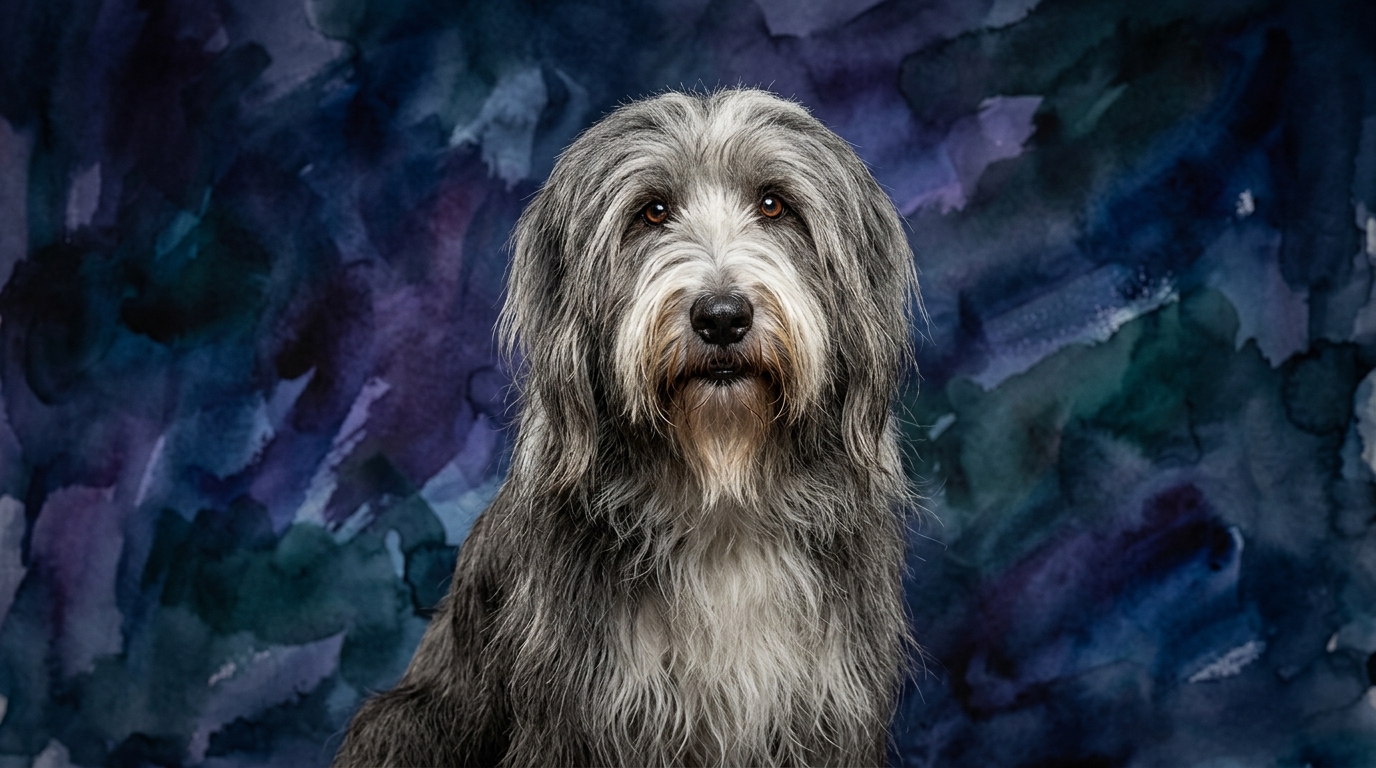
The Bearded Collie, a Herding dog ranked #34 by Coren, presents a cognitive makeup finely tuned for collaborative work. Their Problem Solving is rated 4/5, indicating a strong capacity for analytical thought and adaptive strategizing in dynamic situations. With a Training Speed of 4/5, they demonstrate a remarkable aptitude for quickly grasping new commands and routines, fueled by an eagerness to engage. Their Social Intelligence stands at 3/5, showing a moderate understanding of human cues, often focused on task-oriented interaction. An Instinctive Drive of 3/5 is channeled into purposeful working behaviors, requiring control and direction. Finally, their Memory, at 4/5, is robust, allowing retention of complex sequences and learned behaviors over extended periods.
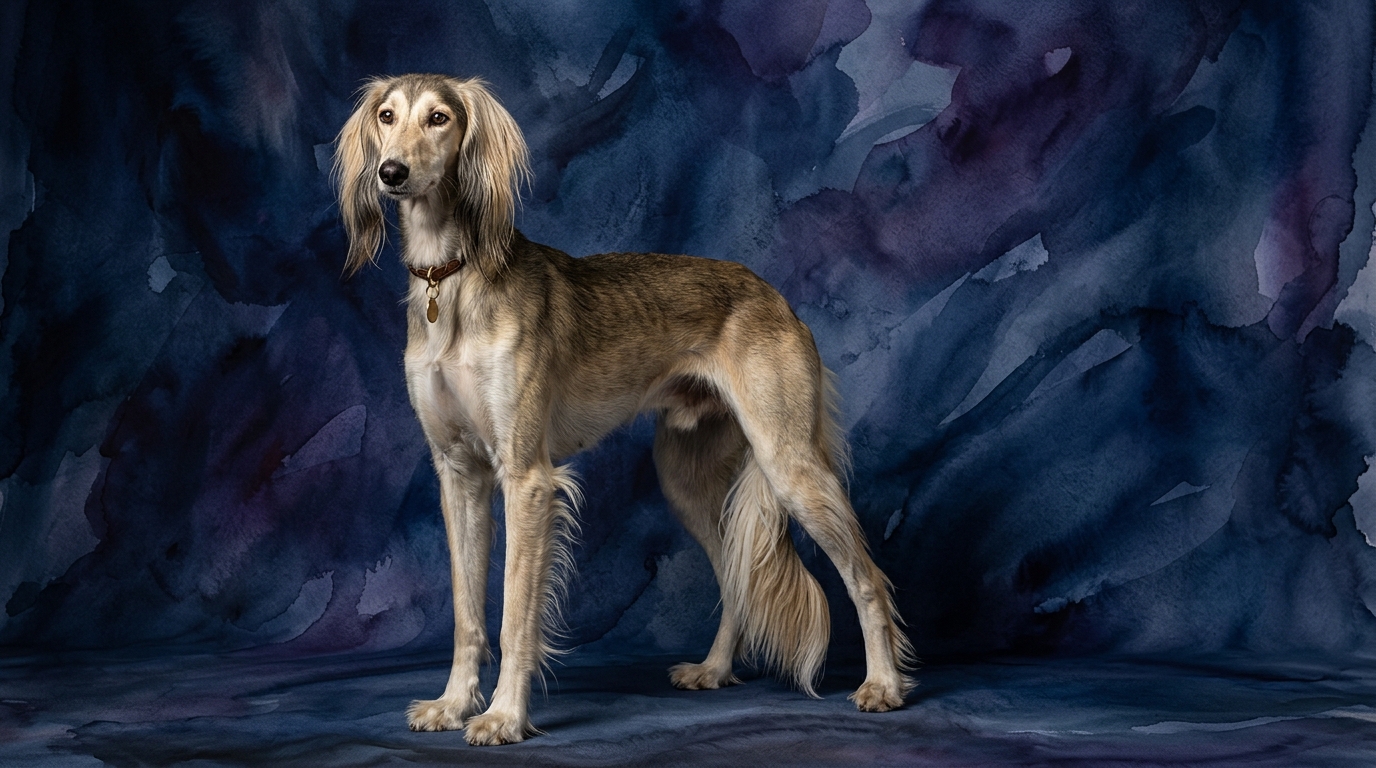
In contrast, the Saluki, a Hound breed not Coren-ranked, exhibits an intelligence shaped by centuries of independent hunting. Their Problem Solving is 3/5, manifesting as independent decision-making during pursuit and navigation in open spaces, rather than collaborative tasks. A Training Speed of 3/5 suggests a moderate pace in acquiring commands, often influenced by their independent nature and requiring consistent, patient motivation. Their Social Intelligence matches the Bearded Collie at 3/5, indicating a capacity for deep, though sometimes reserved, bonds with their chosen humans. The Saluki’s Instinctive Drive, also 3/5, is a powerful, visually triggered prey drive, specialized for spotting and pursuing fast-moving objects. Their Memory, rated 3/5, is competent for routines and familiar environments, though perhaps less geared towards complex, multi-step human-directed tasks.
Where Bearded Collie Wins Cognitively
The Bearded Collie's cognitive profile reveals distinct advantages in areas vital for their ancestral role. Their Problem Solving score of 4/5, compared to the Saluki's 3/5, indicates a superior capacity for analytical thought and adaptive strategizing, especially in cooperative tasks. A herding dog frequently encounters dynamic situations requiring quick, intelligent responses to livestock movements, developing an agile mind that can assess and react effectively. Furthermore, their Training Speed, rated at 4/5 against the Saluki's 3/5, highlights their remarkable capacity for rapid learning and command acquisition. This stems from a deep-seated desire to collaborate and respond to handler cues, making them highly receptive to instruction. Finally, the Bearded Collie's Memory, also at 4/5, outpaces the Saluki's 3/5, allowing them to recall intricate command sequences and environmental details over long periods. This robust memory is indispensable for maintaining consistency in complex herding patterns and retaining a vast repertoire of learned behaviors.
Where Saluki Wins Cognitively
While direct numerical comparison might suggest a general cognitive lead for the Bearded Collie, the Saluki's specific intellectual strengths lie in areas deeply tied to their sighthound heritage. Their Problem Solving score of 3/5, though lower, represents a highly specialized form of intelligence geared towards independent action and pursuit. A Saluki's cognitive prowess shines when it needs to independently assess a distant moving target, calculate trajectories, and execute a chase with minimal human intervention. This requires rapid, autonomous decision-making in open, dynamic environments. Their Instinctive Drive, rated at 3/5, matches the Bearded Collie, but its manifestation is distinctively a 'win' for their breed purpose. This powerful, visually triggered prey drive is a finely tuned cognitive mechanism, enabling them to focus intensely on speed and pursuit, filtering out distractions to achieve their objective. This singular focus on visual cues and the subsequent explosive action is a unique cognitive specialization. Their Social Intelligence, also at 3/5, suggests a selective but profound capacity for connection, often expressed through quiet devotion rather than overt eagerness, which is a cognitive preference for independence rather than constant interaction.
Which is Easier to Train and Why
When evaluating ease of training, the Bearded Collie generally presents a more straightforward experience for most owners. Their Training Speed of 4/5 directly reflects their inherent eagerness to learn and cooperate with humans, a trait deeply embedded from generations of working alongside shepherds. They typically respond well to positive reinforcement, quickly associating commands with actions and rewards. Their higher Problem Solving and Memory scores further contribute to this, allowing them to grasp complex tasks and retain them efficiently. In contrast, the Saluki's Training Speed of 3/5 indicates a more independent and sometimes reserved approach to learning. While capable of learning, their primary motivation isn't always human approval; instead, their sighthound instincts often guide their focus. This means training a Saluki typically requires more patience, consistency, and a deep understanding of their independent nature. They might question the 'why' of a command, especially if it conflicts with their strong prey drive, making recall in an open field a significant training challenge compared to a Bearded Collie's more reliable responsiveness.
Which Suits Active Owners vs Relaxed Owners
The choice between a Bearded Collie and a Saluki significantly hinges on an owner's lifestyle. The Bearded Collie, with its high cognitive engagement and herding background, thrives with active owners who can provide ample mental and physical stimulation. Their need for regular, structured activity, including walks, playtime, and engaging training sessions, is paramount to prevent boredom and channel their considerable energy constructively. Owners who enjoy dog sports, advanced obedience, or even hiking will find a willing and capable partner in a Bearded Collie. Conversely, the Saluki, while requiring bursts of intense physical activity, particularly opportunities to run freely in a secure area, often presents a different kind of 'active' need. They are sprinters, not marathoners, and once their exercise needs are met, they are typically quite relaxed and calm indoors. This can suit owners who appreciate quiet companionship and are prepared to facilitate their specific running requirements, perhaps at a dog park or a large, fenced yard, but who don't necessarily want a constantly 'on' dog for hours of structured activity. A relaxed owner who can provide specific outlets for their sighthound instincts but desires a calm indoor presence might find a Saluki a better fit, provided they understand and commit to their unique exercise demands.
The Verdict
Choose a Bearded Collie if you seek a highly cooperative, mentally agile companion eager for structured training, dog sports, and consistent engagement in an active household.
Opt for a Saluki if you appreciate an independent, dignified companion who offers reserved affection and thrives with dedicated opportunities for sprinting, followed by calm indoor relaxation.
🧠 Find Your Pet's IQ Score
Our Pet IQ Lab assessment covers 25+ tests across 5 cognitive dimensions — personalized to your breed.
Take the Full IQ Test →Frequently Asked Questions
Does a Saluki's lower training speed mean they are not capable of learning?
No, a Saluki's 3/5 training speed doesn't indicate an inability to learn, but rather a preference for independence. They can learn many commands, but typically require more patience, consistency, and motivation tailored to their sighthound nature, often responding best when tasks align with their natural drives.
How does the instinctive drive differ between these two breeds?
While both breeds score 3/5 in instinctive drive, its manifestation varies significantly. The Bearded Collie's drive is channeled into herding behaviors, focused on control and cooperation. The Saluki's drive is a powerful, visually triggered prey drive, compelling them to chase fast-moving objects with intense focus and speed.
Can a Bearded Collie adapt to a more relaxed lifestyle if exercise is provided?
A Bearded Collie requires substantial mental and physical stimulation due to their high cognitive engagement. While daily exercise is crucial, they also need consistent mental challenges through training or puzzles. A truly 'relaxed' lifestyle without sufficient outlets for their sharp minds can lead to boredom and potential behavioral issues.