Side-by-Side IQ Profile: Deconstructing Canine Cognition
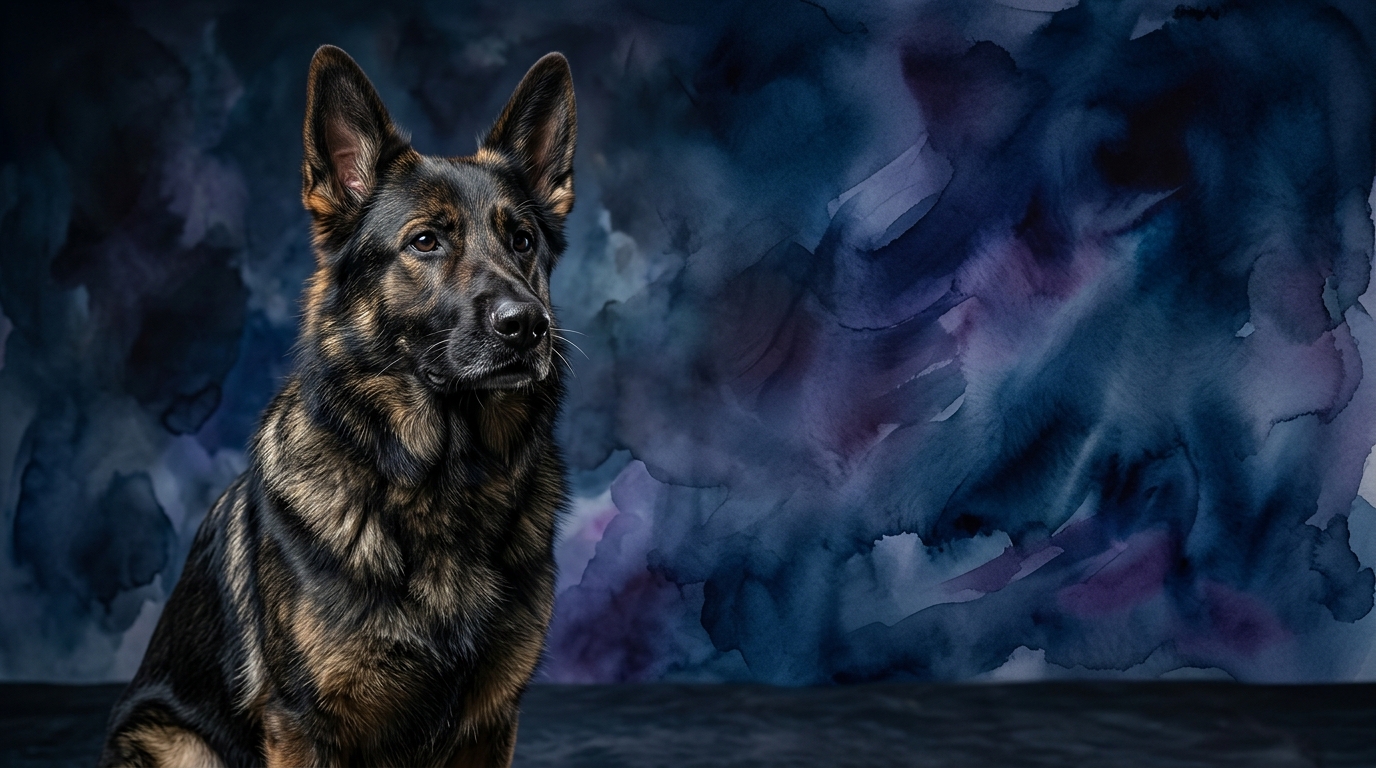
The Cosmic Pet Pet IQ Lab's framework offers a detailed lens through which to examine the cognitive attributes of these two distinct breeds. For the German Shepherd, a breed ranked #3 by Coren, its profile shows a remarkable consistency across all dimensions: Problem Solving 5/5, Training Speed 5/5, Social Intelligence 5/5, Instinctive Drive 5/5, and Memory 5/5. This indicates a dog with a profound capacity for understanding complex tasks, rapidly acquiring new behaviors, interpreting human cues, possessing strong inherent motivations for work, and retaining a vast amount of learned information and experiences. Their cognitive makeup is geared towards intricate collaboration and adaptability in diverse, human-directed roles, making them adept at processing and responding to sophisticated environmental and social stimuli with precision.
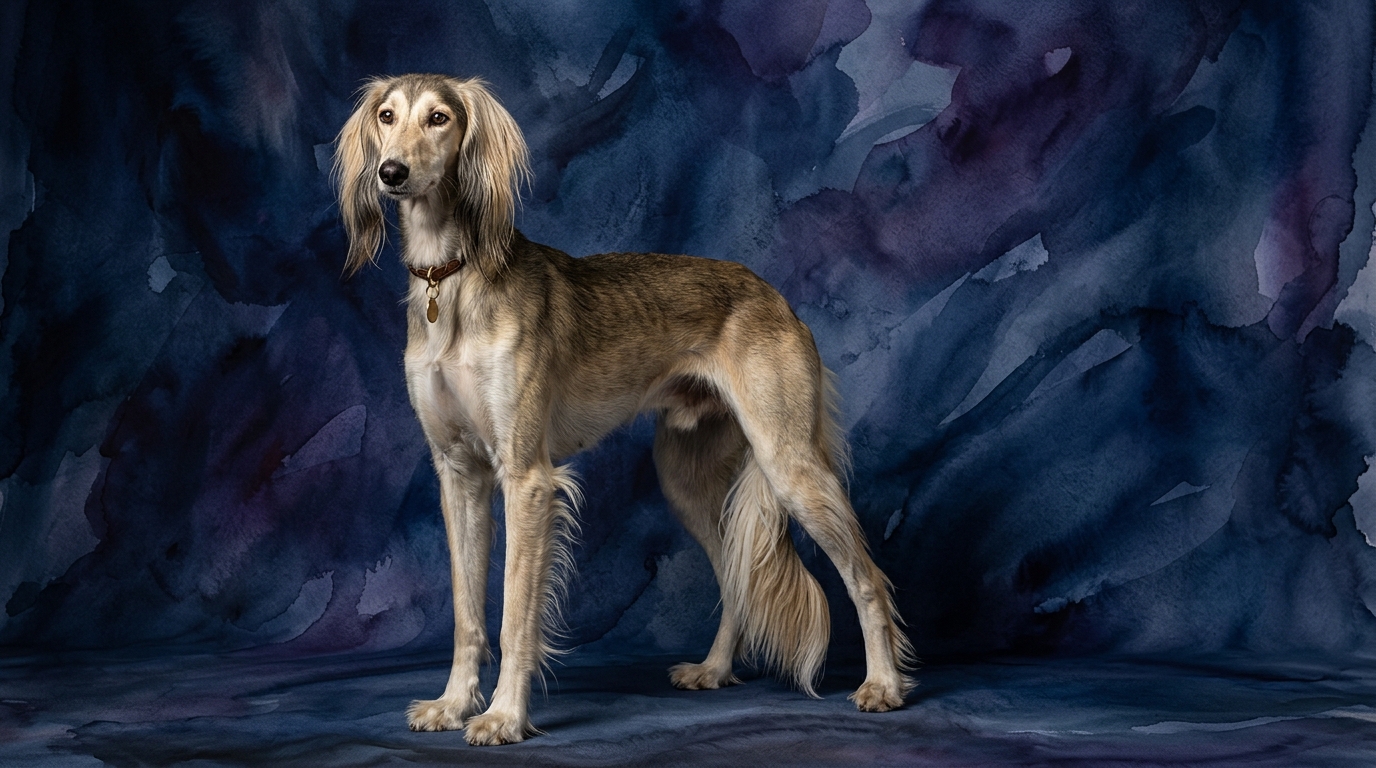
In contrast, the Saluki, a hound breed not Coren-ranked, presents a different cognitive specialization, reflecting its millennia-old purpose. Its IQ profile includes Problem Solving 3/5, Training Speed 3/5, Social Intelligence 3/5, Instinctive Drive 3/5, and Memory 3/5. These ratings do not imply a lack of cognitive capacity, but rather a focus on different priorities. A Saluki's problem-solving centers on independent pursuit and navigation, while its training speed reflects a need for more tailored motivation due to its self-reliant nature. Social intelligence, though present, often manifests as deep, selective bonds rather than broad cooperation. Its instinctive drive is profoundly channeled into the hunt, and memory is acutely tuned to relevant environmental cues for chasing prey, rather than a broad repertoire of arbitrary commands. Their mind is optimized for independent action and specialized sensory processing over collaborative endeavors.
Where the German Shepherd Excels Cognitively
The German Shepherd's cognitive profile points to a dog built for intricate, collaborative work, showcasing a profound aptitude for operational roles. Their 5/5 in problem-solving isn't just about figuring out a puzzle toy; it extends to understanding multi-step commands and adapting strategies in dynamic, real-world environments, such as search and rescue operations, complex scent detection, or intricate herding patterns. This breed demonstrates a remarkable capacity for anticipating human intentions and making decisions that actively support a shared goal, often processing subtle cues from their handlers to execute tasks with precision and initiative. They are adept at learning routines and applying learned principles to novel situations, demonstrating cognitive flexibility.
Their 5/5 in training speed is a direct result of their profound social intelligence and exceptional memory. They rapidly form strong associations between commands, actions, and desired outcomes, often needing fewer repetitions than many other breeds to master a new skill. This quick uptake, coupled with a strong desire to engage with their human counterparts, makes them exceptionally receptive to structured learning and complex skill acquisition. Their memory allows for the retention of vast repertoires of commands, the recall of specific environmental cues associated with tasks, and the remembrance of past interactions, solidifying their learning over time and contributing to their reliability in diverse working capacities.
Where the Saluki Shines Cognitively
The Saluki's cognitive strengths lie in areas distinct from the German Shepherd's collaborative nature, reflecting their ancient purpose as independent sighthounds. Their 3/5 in problem-solving doesn't denote a deficit in cognitive capacity, but rather a specialization in a different kind of problem: independently tracking and pursuing fast-moving prey over vast distances, often across varied and challenging terrain. This requires exceptional visual processing, spatial awareness, and the ability to make split-second decisions without human intervention, such as adjusting their course to intercept a moving target or navigating obstacles at high speed. Their problem-solving is intrinsically linked to their hunting instincts, prioritizing efficiency and self-reliance in the chase.
Their instinctive drive, while rated 3/5 overall, is profoundly channeled into their prey drive, a cognitive imperative that guides their existence. This means their memory and problem-solving are acutely tuned to the hunt – remembering terrain features that offer advantages, wind patterns that carry scents, and the characteristic behaviors of quarry. Social intelligence, at 3/5, manifests as deep, often selective, bonds with their immediate family, rather than a broad desire to please or collaborate with many people. Their cognitive architecture prioritizes self-reliance, keen sensory perception for hunting, and specialized physical prowess, making them masters of their unique, ancient craft, rather than general-purpose collaborators.
Which is Easier to Train and Why
The German Shepherd's 5/5 training speed and social intelligence make them generally more straightforward to train for obedience and complex tasks. They thrive on structure, consistency, and purposeful interaction, often viewing training as a collaborative activity with their human partner. Their strong desire to work alongside humans and their impressive memory mean they quickly grasp and retain commands, making them highly responsive to positive reinforcement and clear communication. They interpret human social cues with remarkable accuracy, often anticipating expectations, which significantly aids in the learning process. Their innate drive to perform a 'job' translates into an eagerness to engage in training sessions, making them a receptive and rewarding student for most owners.
The Saluki, with a 3/5 in training speed and social intelligence, typically presents a different training dynamic that requires a nuanced approach. While capable of learning and mastering commands, their independent nature and lower drive for human-directed collaboration mean training often requires more patience, creativity, and a deep understanding of their sighthound instincts. Their memory is strong for things relevant to their core drives, like recall for a lure or avoiding a dangerous area, but arbitrary commands might need more engaging methods and consistent, high-value motivation. They might not respond with the same eager compliance as a German Shepherd, often weighing the command against their own immediate interests, especially if a chase opportunity presents itself. Training success with a Saluki often hinges on making the process genuinely enjoyable and rewarding from their perspective, rather than relying on a strong desire to please.
Suited Lifestyles: Active Owners vs. Relaxed Owners
For active owners seeking a canine partner for demanding, structured activities, the German Shepherd is an ideal match. Their boundless instinctive drive (5/5), combined with their exceptional problem-solving and training speed, means they excel in dog sports like agility, competitive obedience, protection work, and even search and rescue. They require significant mental stimulation and vigorous physical exercise daily to prevent boredom and the development of undesirable behaviors; a simple walk around the block is often insufficient. An owner who enjoys structured training, regular outings that challenge both body and mind, and desires a dog deeply engaged in family life and shared purpose will find the German Shepherd incredibly rewarding. Their inherent need for a 'job' is integral to their well-being and satisfaction.
The Saluki, while possessing a powerful prey drive that demands intense bursts of physical activity, can also be surprisingly suited for owners who appreciate a more relaxed, independent companion indoors. Their exercise needs are specific: opportunities for safe, off-leash running in a securely fenced area are paramount to satisfy their sighthound instincts, allowing them to stretch out and truly run. However, once their physical needs are met, they are often calm, quiet, and elegant companions inside the home, content to lounge on soft surfaces and observe. They require an owner who respects their independent streak, understands their profound prey drive, and doesn't demand constant engagement, valuing their quiet companionship over perpetual interaction. They are not typically suited for highly structured, collaborative dog sports in the same way a German Shepherd is, preferring activities that align with their innate sighthound nature.
The Verdict
Opt for a German Shepherd if you desire a highly engaged, trainable partner for demanding tasks, structured sports, or a vigilant family protector, ready to collaborate closely.
Select a Saluki if you appreciate an elegant, independent companion who thrives on intense bursts of running and quiet, affectionate lounging, valuing their unique sighthound spirit.
🧠 Find Your Pet's IQ Score
Our Pet IQ Lab assessment covers 25+ tests across 5 cognitive dimensions — personalized to your breed.
Take the Full IQ Test →Frequently Asked Questions
Are Salukis difficult to train due to their independence?
Salukis are not inherently difficult, but their training requires understanding their sighthound nature and strong independent streak. They respond best to positive reinforcement, patience, and making training feel like a game, as they might not have the same intrinsic desire to please as some other breeds. Consistency and clear expectations are key to building a strong working relationship, focusing on high-value rewards.
How do their social intelligence differences impact household dynamics?
A German Shepherd's high social intelligence means they often integrate seamlessly into family structures, keen to participate and understand family routines, potentially forming strong bonds with multiple members and being highly attuned to household moods. Salukis, while deeply affectionate with their chosen family, might be more reserved with strangers or less inclined to engage in broad family activities, often preferring quiet companionship over constant interaction, and forming very strong, selective bonds.
Which breed is better for a first-time dog owner?
For a first-time owner willing to invest in consistent training, ample mental stimulation, and rigorous physical exercise, a German Shepherd can be a rewarding choice due to their trainability and eagerness to learn and please. A Saluki might be more challenging for a novice due to their independent nature, profound prey drive, and specific exercise requirements, which demand a securely fenced environment and a deep understanding of their unique cognitive drives.