Side-by-Side Cognitive Profiles
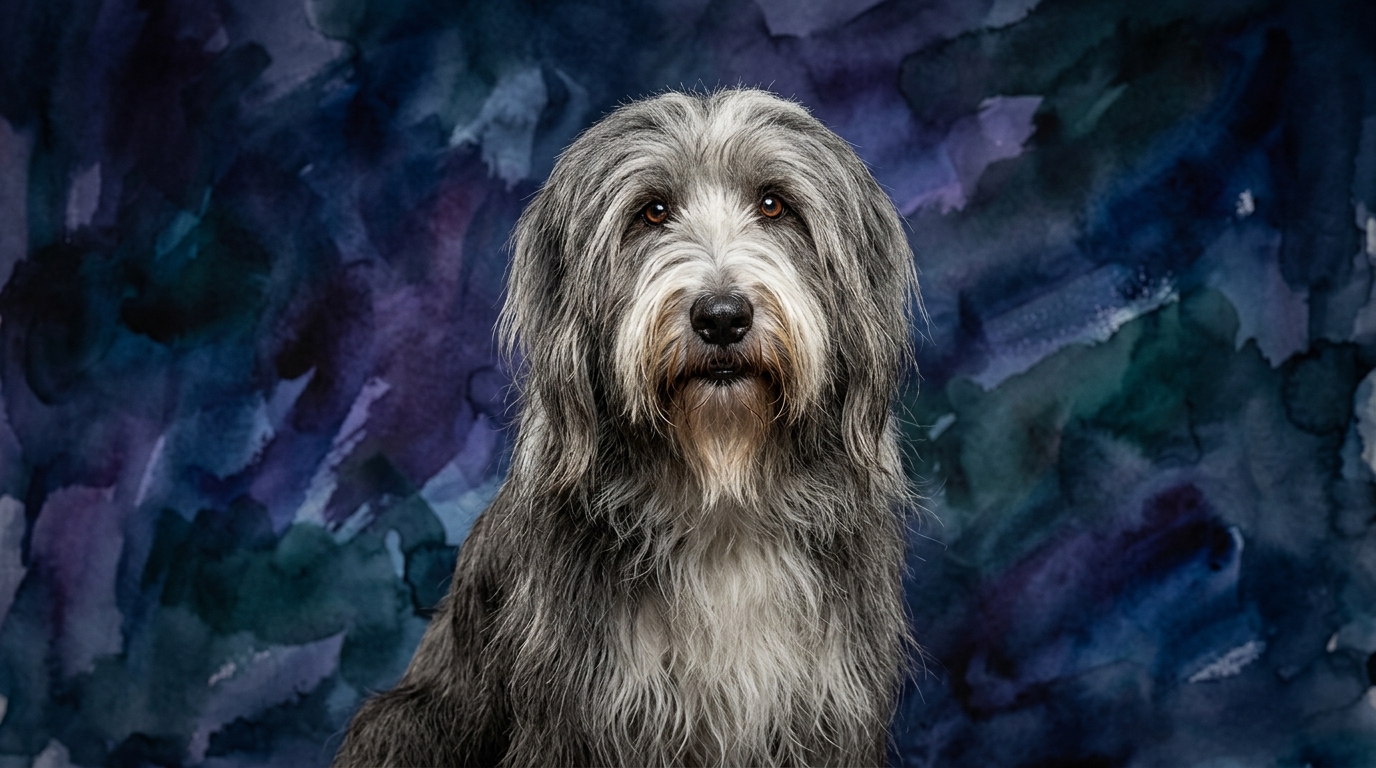
The Cosmic Pet Pet IQ Lab employs a five-dimensional framework to assess canine intelligence, offering a granular view beyond simple obedience. For the Bearded Collie, a Herding group member ranked #34 by Coren, its profile reflects a working heritage demanding adaptive thought and quick learning. Its Problem Solving is rated 4/5, indicating a strong capacity to strategize and navigate novel situations. Training Speed, also 4/5, points to a rapid assimilation of commands and complex sequences. Social Intelligence stands at 3/5, suggesting a good understanding of human cues and interactions. Instinctive Drive is 3/5, representing a moderate, purposeful urge to herd or perform tasks. Finally, Memory is a robust 4/5, allowing it to retain learned behaviors and past experiences with impressive recall.
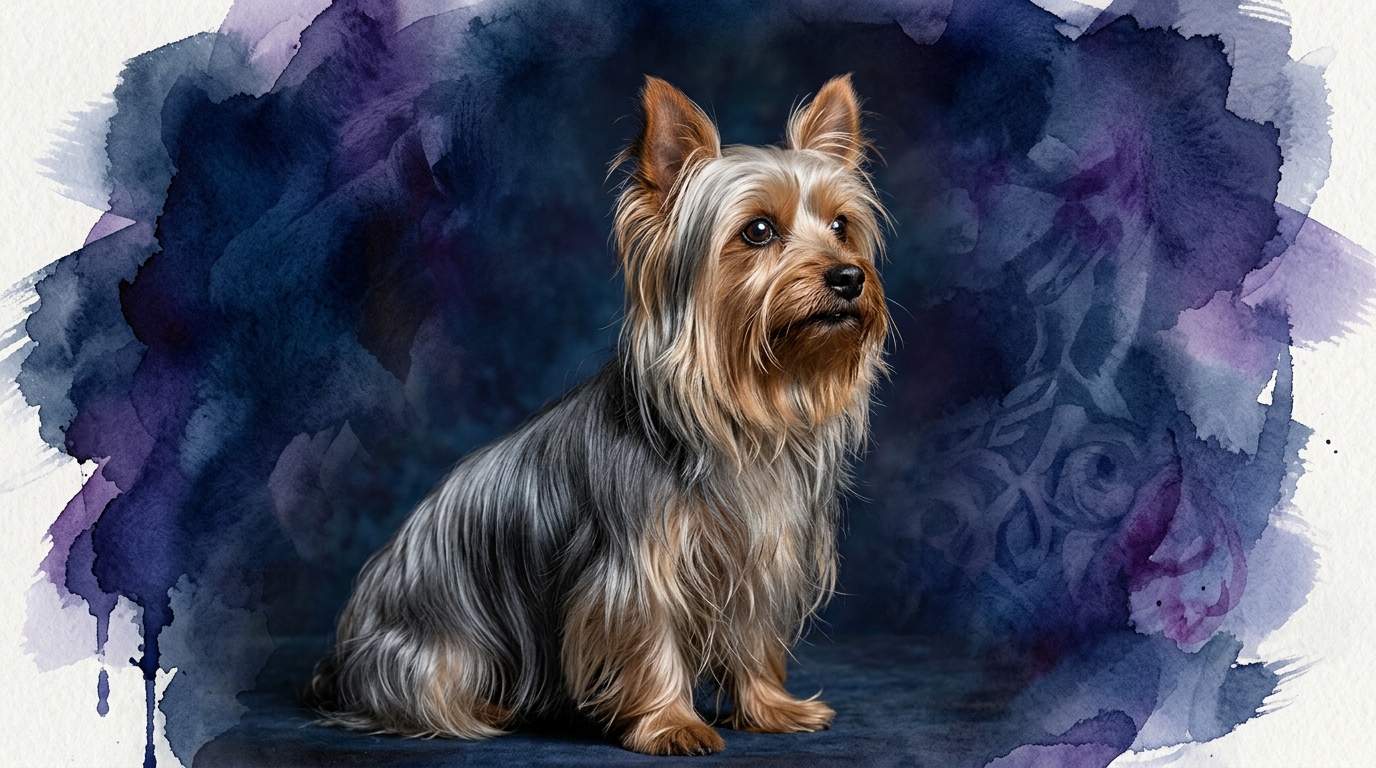
In contrast, the Silky Terrier, a lively Toy breed not present on Coren's ranking, presents a profile geared more towards companionship and alert watchfulness. Its Problem Solving is rated 3/5, indicating a competent ability to figure out puzzles, though perhaps with less independent initiative than a Collie. Training Speed is also 3/5, meaning it is trainable and responsive, but may require more repetition or varied approaches to solidify new behaviors. Its Social Intelligence matches the Collie at 3/5, highlighting an equally strong connection to human interaction. Instinctive Drive is 3/5, reflecting its terrier heritage of chasing and exploring, but typically channeled differently than a herding dog. Memory is 3/5, allowing it to learn and recall routines and commands effectively, though perhaps not with the same depth as a breed with a higher score.
Where the Bearded Collie Excels Cognitively
The Bearded Collie's cognitive advantages are most evident in its superior Problem Solving (4/5) and Memory (4/5), coupled with its faster Training Speed (4/5). Originating as a drover, this breed needed to independently assess rapidly changing situations on the field, such as lost sheep or shifting flock dynamics, and devise solutions. This translates into a dog that can often figure out how to open gates, retrieve out-of-reach toys, or even manipulate situations to its advantage with impressive ingenuity. Their strong memory means they not only learn quickly but also retain that information over long periods, making advanced training and complex routines more accessible. An owner can teach a Bearded Collie a multi-step agility course, and after a few repetitions, the dog will likely remember the sequence and execute it with precision, demonstrating a keen spatial and procedural memory.
Furthermore, the Bearded Collie's Coren rank of #34 among dog breeds places it squarely in the 'above average' working dog category, signifying its general aptitude for understanding and executing commands. This isn't just about raw processing power, but about a specific type of cognitive flexibility and responsiveness that was crucial for its working role. They are adept at understanding abstract concepts in training and can generalize learned behaviors to new contexts, which is a hallmark of sophisticated canine cognition. This capacity for independent thought and rapid learning makes them exceptional candidates for dog sports like obedience, agility, and herding trials, where critical thinking under pressure is paramount.
Where the Silky Terrier Shines Cognitively
While the Silky Terrier's individual cognitive scores may not reach the peaks of a working Herding dog, its strengths lie in its specific application of these abilities for its intended purpose: a spirited and alert companion. Its Social Intelligence (3/5) is a key asset, matching the Bearded Collie, indicating a strong capacity to read and respond to human emotions and intentions. This makes them highly attuned companions, often anticipating their owner's moods and preferences. Their intelligence is channeled towards interaction and observation within the home environment, rather than complex field tasks.
The Silky Terrier's 3/5 Problem Solving, combined with its terrier tenacity, means it is adept at navigating its immediate surroundings and can be quite clever in achieving its desires, whether it's finding a hidden treat or getting attention. They may not be herding sheep, but they can certainly outsmart a baby gate or figure out how to get onto a favorite couch. Their instinctive drive, also 3/5, translates into a curious and persistent nature, often leading them to explore and investigate. This provides a mental engagement that, while different from a Collie's working drive, is equally stimulating for the dog and engaging for an owner who appreciates a lively, inquisitive companion. Their cognitive profile makes them excellent watchdogs, as they are quick to notice changes in their environment and alert their human family.
Trainability: A Tale of Two Approaches
When it comes to trainability, the Bearded Collie (Training Speed 4/5) generally presents a swifter learning curve than the Silky Terrier (Training Speed 3/5). The Collie's background as a herding dog instilled a desire to work collaboratively with a handler, making them eager to please and quick to grasp new commands and multi-step sequences. Their robust memory further aids in retaining these lessons, allowing for rapid progression through various levels of obedience or specialized tasks. They often thrive on mental challenges and view training as an engaging partnership, responding well to positive reinforcement and clear directives. Behavioral differences include their innate inclination to focus on the handler and their capacity for sustained attention during training sessions.
The Silky Terrier, while trainable, often requires a different approach. Their 3/5 Training Speed means they will learn, but perhaps not with the same immediate uptake as a Collie. Terriers are known for their independent spirit and a degree of stubbornness, which can manifest as a shorter attention span or a tendency to question the 'why' of a command. Training a Silky Terrier often benefits from shorter, more frequent sessions, a variety of rewards, and a patient, consistent approach. Their intelligence is present, but it's often paired with a strong will; they need to be convinced that training is fun and worthwhile. Real behavioral differences include the Silky's tendency to get distracted by environmental stimuli more easily, or their inclination to offer alternative, often amusing, behaviors before complying, reflecting their independent nature.
Matching Canine Cognition to Lifestyle
The distinct cognitive profiles of these two breeds naturally align with different owner lifestyles. The Bearded Collie, with its high Problem Solving, Memory, and Training Speed, is an ideal match for active owners who can provide ample mental stimulation alongside physical exercise. These dogs thrive when given a 'job' to do, whether it's participating in dog sports, learning complex tricks, or engaging in extensive interactive play. An owner who enjoys hiking, competitive obedience, or even just consistent, engaging training sessions will find a fulfilling partnership with a Bearded Collie. Their cognitive needs demand an owner who is prepared to be an active participant in their dog's mental development, preventing boredom and potential misdirected energies.
Conversely, the Silky Terrier's cognitive makeup, while alert and social, is better suited for owners who might not lead an intensely active outdoor lifestyle but still value an engaging and interactive companion. While energetic for a toy breed, their cognitive demands are often met through consistent walks, indoor games, puzzle toys, and ample social interaction. Owners who appreciate a dog that is a constant, observant presence in the home, quick to alert to visitors, and eager for cuddles and short play sessions will find the Silky Terrier a delightful fit. They still require mental engagement to prevent boredom, but this often translates into solving household 'mysteries' or learning polite manners rather than mastering complex agility courses. Their cognitive profile makes them adaptable to apartment living, provided their needs for companionship and moderate activity are met.
The Verdict
Choose a Bearded Collie if you are an active, experienced owner eager for a highly trainable partner in dog sports or complex tasks, prepared to meet their significant mental and physical stimulation needs.
Opt for a Silky Terrier if you desire an alert, spirited, and social companion for a less intensely active household, valuing a clever and watchful presence adaptable to smaller living spaces.
🧠 Find Your Pet's IQ Score
Our Pet IQ Lab assessment covers 25+ tests across 5 cognitive dimensions — personalized to your breed.
Take the Full IQ Test →Frequently Asked Questions
Is the Bearded Collie too smart for a first-time dog owner?
The Bearded Collie's high problem-solving and training speed mean they require consistent mental engagement and a firm, positive hand. While not impossible for a first-time owner, they thrive with someone who understands canine learning and can dedicate time to advanced training and activities.
Do Silky Terriers need a lot of mental stimulation despite being a Toy breed?
Yes, Silky Terriers, like all intelligent breeds, benefit from mental stimulation to prevent boredom and destructive behaviors. While their needs differ from a working dog, puzzle toys, short training sessions, and interactive play are crucial for their cognitive well-being.
How does the 'Instinctive Drive' score impact daily life for these breeds?
For the Bearded Collie, its 3/5 instinctive drive can manifest as a desire to 'herd' family members or other pets, requiring management. For the Silky Terrier, its 3/5 drive often translates into a strong prey drive for small animals and a love for exploration, necessitating secure leashes and fenced yards.