Side-by-Side Cognitive Profiles
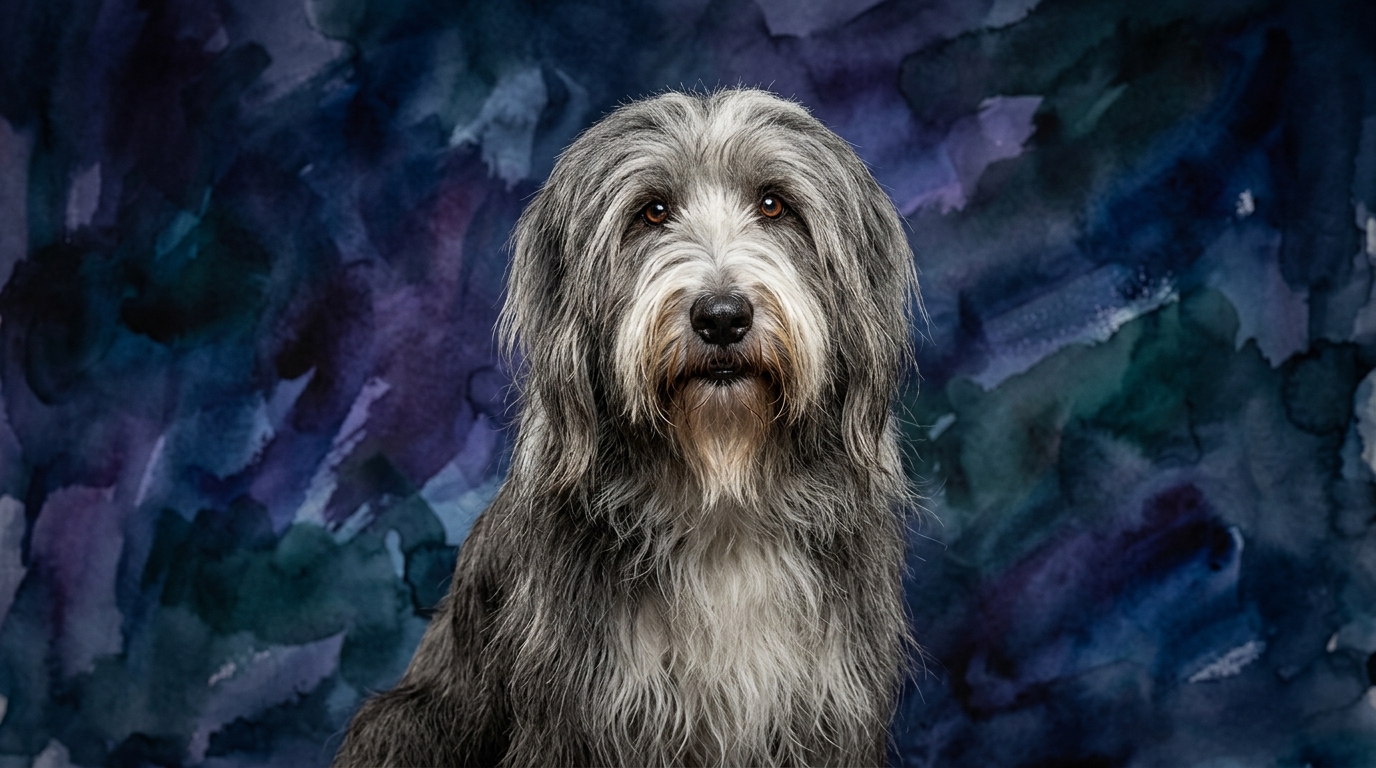
Delving into the Pet IQ Lab metrics provides a granular view of how these two Herding breeds process information and interact with their world. The Bearded Collie, recognized by Coren at rank #34, presents a profile indicating a strong capacity for independent thought and rapid learning. Its Problem Solving at 4/5 means it often devises its own solutions to novel challenges, demonstrating ingenuity rather than simply waiting for direction. A Training Speed of 4/5 suggests a quick grasp of new commands, often requiring fewer repetitions to solidify a behavior, pointing to a keen readiness to absorb human instruction efficiently. Social Intelligence at 3/5 indicates an ability to read cues and adapt within social contexts, though their independence might sometimes override strict adherence to expectations. Their Instinctive Drive, also 3/5, reflects a moderate but present herding inclination, which can be channeled effectively. Finally, a Memory score of 4/5 highlights excellent recall of learned behaviors, past experiences, and routines, making them reliable in retaining complex sequences over time.
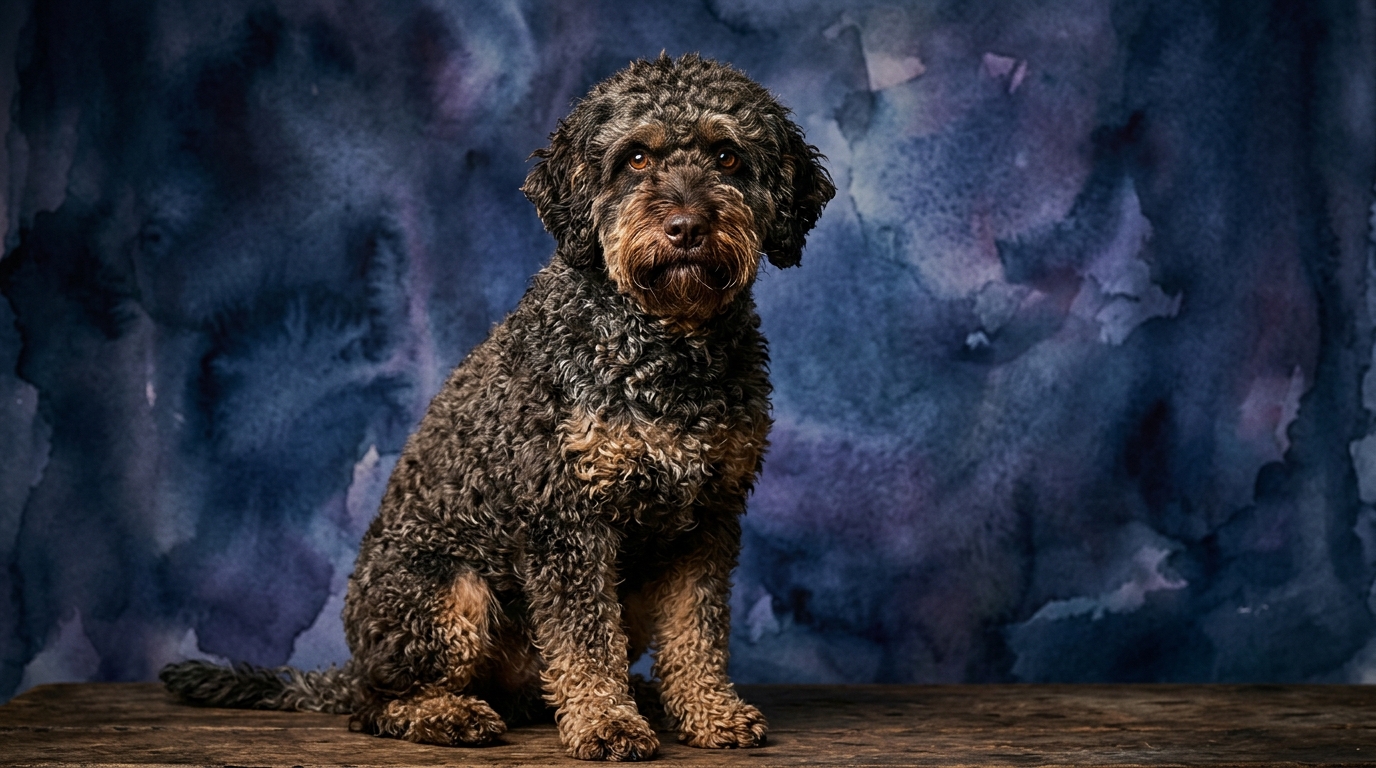
The Spanish Water Dog, while not appearing on Coren's list, offers a distinct set of cognitive strengths that reflect its versatile working history. Its Problem Solving at 3/5 suggests solid abilities for tackling straightforward challenges, though complex, multi-step problems might require more guidance compared to breeds with higher scores. A Training Speed of 3/5 indicates a steady learning pace, typically needing consistent and clear repetition to master new skills, demonstrating a good but not exceptionally rapid grasp of instruction. Social Intelligence at 3/5 means they form strong bonds with their primary human companions, understanding emotional states and responding to social cues, though they can be reserved with strangers. Their Instinctive Drive, also 3/5, encompasses a versatile working focus, including herding, retrieving, and water work, translating to a persistent and focused approach to tasks. A Memory score of 3/5 shows adequate retention of daily routines and learned commands, though complex sequences might benefit from periodic refreshers.
Where the Bearded Collie Shines Cognitively
The Bearded Collie's cognitive strengths are particularly evident in its advanced problem-solving and rapid acquisition of knowledge. Their 4/5 Problem Solving isn't just about following instructions; it signifies an innate ability to independently assess novel situations and devise effective strategies. For example, a Bearded Collie might independently figure out how to manipulate a latch to open a gate or creatively retrieve a toy from a challenging spot without direct human intervention, showcasing significant cognitive flexibility. This proactive approach to challenges makes them adept at navigating dynamic environments and adapting to unforeseen circumstances.
Furthermore, their 4/5 Training Speed is a distinct advantage. This translates to a dog that absorbs new commands and routines with fewer repetitions, making them excellent candidates for advanced obedience, intricate trick training, or competitive dog sports like agility. They don't just memorize actions; they quickly link actions to outcomes, allowing for rapid progression through complex multi-step tasks. Coupled with their 4/5 Memory, Bearded Collies are not only quick learners but also reliable in retaining an extensive repertoire of commands and routines, performing complex sequences without constant reminders even after significant time has passed.
Where the Spanish Water Dog Excels Cognitively
The Spanish Water Dog's cognitive profile highlights a different kind of brilliance, rooted in versatility and tenacious focus. While their Problem Solving is rated at 3/5, their instinctive drive, also 3/5, is remarkably versatile, encompassing herding, retrieving, and water work. This means their cognitive focus can seamlessly shift between tasks like gathering livestock, finding a dropped object in water, or working a field, demonstrating a flexible application of their inherent working predispositions rather than a narrow specialization. This cognitive adaptability to diverse roles is a hallmark of their breed.
Their cognitive strengths also manifest in a focused persistence. While they might take longer to figure out a complex puzzle than a Bearded Collie, their tenacity means they are less likely to give up, continuing to apply their efforts until a solution is found or clear guidance is provided. This sustained attention can be a significant cognitive advantage in tasks requiring prolonged engagement and determination. Their social intelligence, rated 3/5, allows them to form incredibly strong, focused bonds with their primary handlers, which is crucial for effective communication and cooperation in varied and sometimes unpredictable working environments, even if they maintain a reserved demeanor with strangers.
Training Ease: Which Breed Offers a Smoother Journey?
When considering ease of training, the Bearded Collie generally presents a smoother journey due to its higher scores in Training Speed (4/5) and Problem Solving (4/5). These dogs tend to pick up new commands and routines with fewer repetitions and are often more inclined to experiment with solutions when presented with a novel task. For instance, when introducing a new agility obstacle, a Bearded Collie might quickly grasp the concept and attempt various approaches to clear it after only a few demonstrations. Their strong memory (4/5) further solidifies learned behaviors, meaning less frequent refreshers are typically needed to maintain proficiency, making them highly responsive and adaptable to advanced training.
In contrast, the Spanish Water Dog, with 3/5 in both Training Speed and Problem Solving, typically requires a more consistent and structured approach. They will learn effectively, but usually need more repetitions to master a command and might be less prone to independent problem-solving during initial training phases. For example, teaching a complex retrieve sequence to a Spanish Water Dog might involve breaking it down into smaller, more manageable steps, and practicing each step diligently before combining them. Their moderate memory (3/5) means periodic reviews of less-used commands are beneficial to maintain their learned skills. Furthermore, the Spanish Water Dog's initial reservation with strangers, a facet of their social intelligence, means socialization training needs to be very deliberate and positive to ensure they are comfortable learning in new environments or from different handlers.
Matching Breeds to Lifestyles: Active vs. Consistent Owners
Both the Bearded Collie and the Spanish Water Dog are Herding breeds with significant energy and working drives, meaning neither is suited for truly sedentary owners. However, their cognitive profiles suggest nuances in the type of active engagement they require. The Bearded Collie, with its 4/5 Problem Solving and Training Speed, thrives with owners who enjoy engaging in mentally stimulating activities that challenge their intellect as much as their body. These dogs excel in advanced obedience, agility, herding trials, or even canine freestyle, requiring a consistent 'job' that prevents boredom. Owners who delight in teaching complex skills and appreciate a dog that quickly grasps new concepts will find the Bearded Collie a rewarding partner, but must be prepared to channel their independent streak into productive outlets.
The Spanish Water Dog, while also requiring vigorous daily exercise, might be a better fit for owners who appreciate consistency and purposeful activity over constant novelty. Their 3/5 Problem Solving and Training Speed mean they benefit from clear structure and repetition. They are excellent companions for long hikes, swimming, or consistent retrieve games, satisfying their versatile instinctive drive without necessarily demanding continuous, complex intellectual challenges in the same way a Bearded Collie might. Owners who enjoy outdoor activities and a loyal, tenacious partner in these pursuits, without necessarily aiming for competitive dog sports that require rapid-fire learning, might find the Spanish Water Dog's focused persistence and deep bond to be a perfect match. Their adaptability to varied environments means they're content as long as they're with their people and have a task to do.
The Verdict
Select a Bearded Collie if you are an owner who thrives on engaging a dog in complex, dynamic cognitive challenges, enjoys rapid progress in training, and is prepared to channel their independent problem-solving skills into productive activities.
Opt for a Spanish Water Dog if you appreciate a tenacious, versatile working partner who excels with consistent, purposeful training, enjoys varied outdoor activities including water sports, and will form a deep, protective bond within their family unit.
🧠 Find Your Pet's IQ Score
Our Pet IQ Lab assessment covers 25+ tests across 5 cognitive dimensions — personalized to your breed.
Take the Full IQ Test →Frequently Asked Questions
Is the Bearded Collie truly 'smarter' than the Spanish Water Dog?
Based on our metrics, the Bearded Collie shows higher scores in problem-solving, training speed, and memory, suggesting a quicker grasp of new concepts and more independent cognitive application. The Spanish Water Dog's intelligence manifests more in versatile drive and persistence rather than rapid learning or independent problem-solving in a Coren-like context.
How does the 'Not Coren-ranked' status of the Spanish Water Dog affect its intelligence perception?
The Coren ranking primarily assesses obedience and working intelligence, which often correlates with training speed and problem-solving in a structured environment. Not being ranked doesn't mean a lack of intelligence, but rather that their cognitive strengths might lie outside the specific parameters Coren measured, or they simply haven't been as widely studied in that context.
Do both breeds require extensive exercise?
Yes, both are Herding breeds and possess significant energy and working drives, requiring substantial daily physical activity and mental engagement. Neglecting their exercise needs can lead to boredom and potentially undesirable behaviors, regardless of their specific cognitive profiles.