Side-by-Side Cognitive Profile
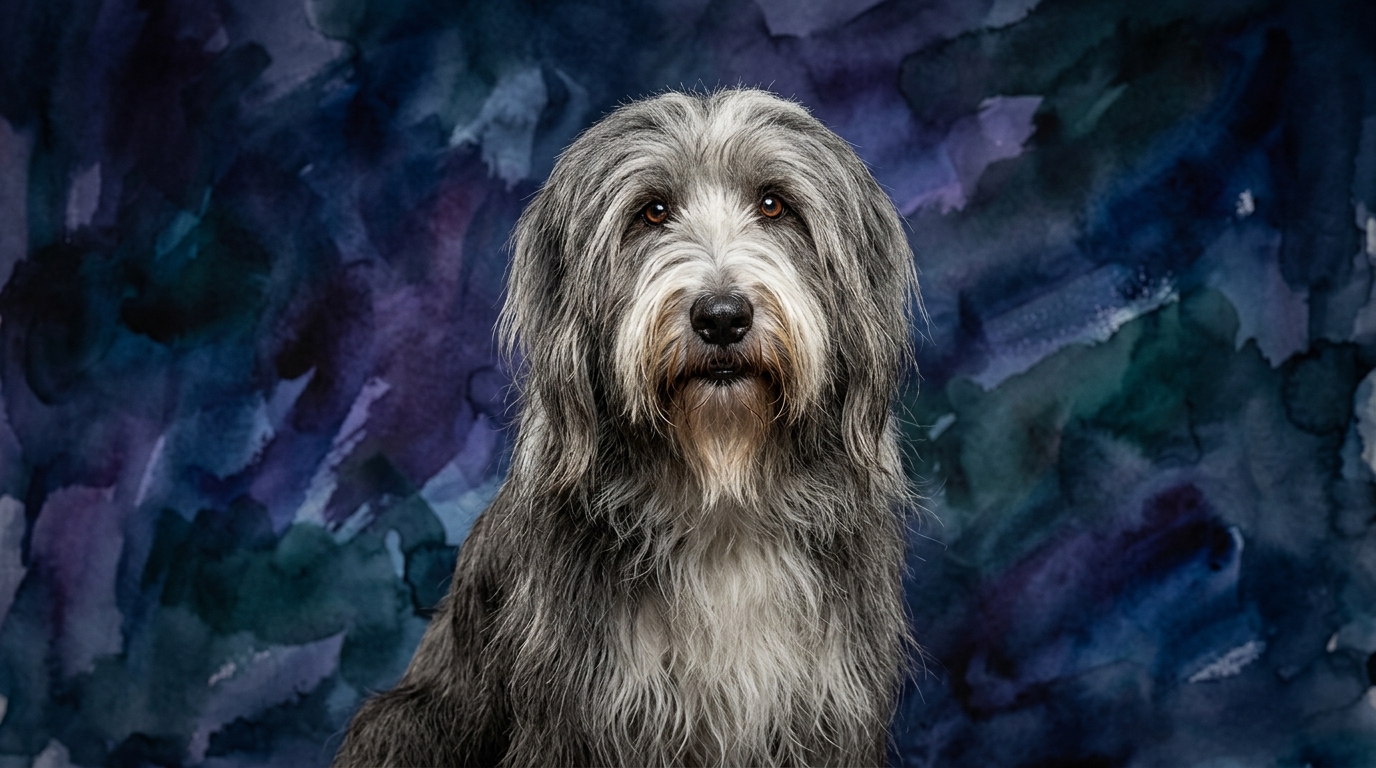
The Bearded Collie, a Herding group dog ranked #34 by Stanley Coren, demonstrates a cognitive profile shaped by its pastoral duties. Its Problem Solving (4/5) reflects a strong capacity for independent thought, enabling them to assess complex, dynamic situations and devise effective strategies, such as managing a scattered flock. Training Speed (4/5) is a notable strength; they grasp new commands and routines quickly, often with minimal repetition, due to their strong handler focus. Social Intelligence (3/5) allows them to form deep bonds and respond to human cues, though their primary cognitive drive is often task-oriented. Instinctive Drive (3/5) centers on their herding nature, a manageable instinct that provides motivation. Memory (4/5) is excellent, crucial for retaining intricate command sequences and spatial information over time.
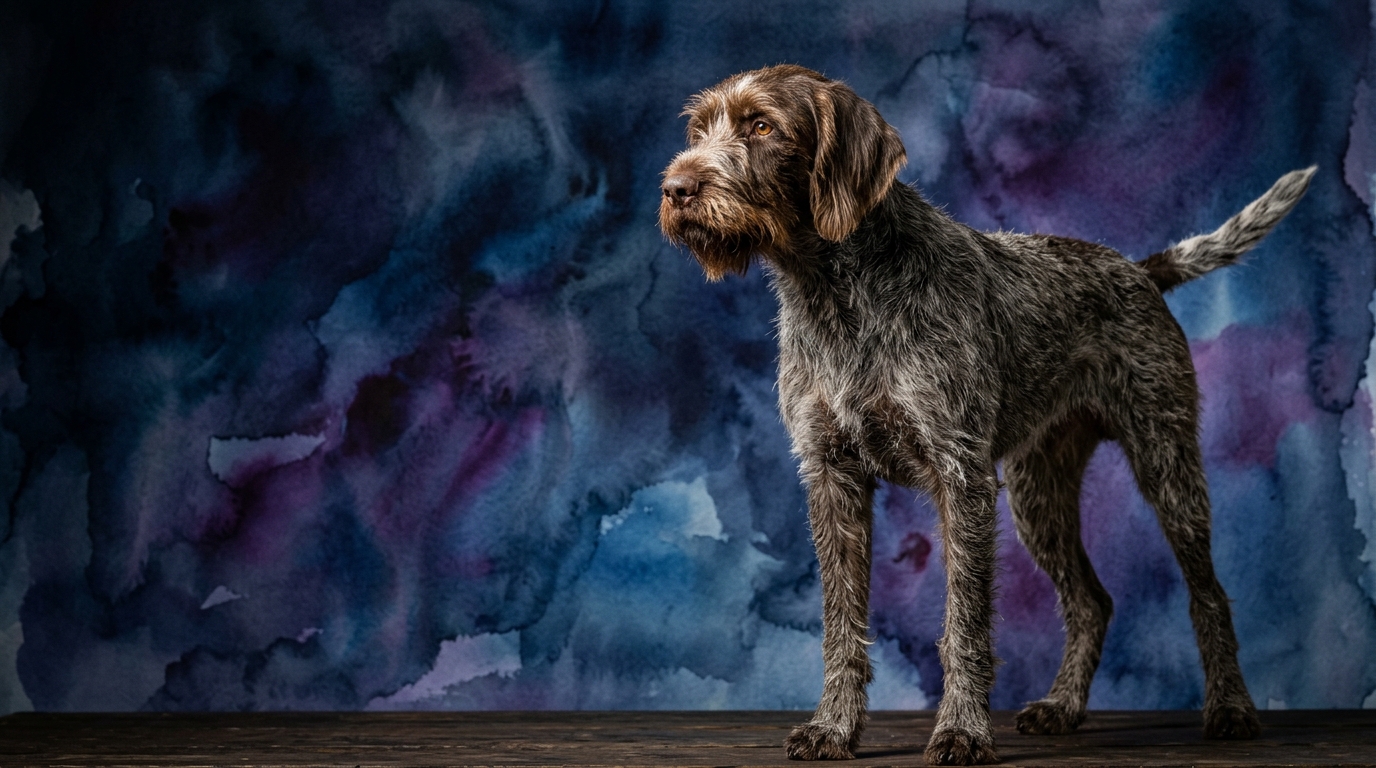
The Wirehaired Pointing Griffon, a Sporting group dog not Coren-ranked, exhibits a specialized intelligence tailored to its hunting role. Its Problem Solving (3/5) is practical and goal-oriented, adept at navigating terrain, tracking game, and retrieving from challenging environments. Training Speed (3/5) is consistent; they learn steadily with clear, positive reinforcement, though they may require more repetition than the Bearded Collie. Social Intelligence (3/5) enables them to be affectionate and loyal family members, cooperative with their owners. Instinctive Drive (3/5) is powerful, focusing intensely on pointing and retrieving game, which defines much of their cognitive engagement. Memory (3/5) is good for learned commands and field locations, essential for effective fieldwork.
Where the Bearded Collie Wins Cognitively
The Bearded Collie's cognitive edge is most apparent in its superior problem-solving and memory, both rated 4/5. This breed excels at independent decision-making, a trait honed by centuries of working autonomously with livestock, often at a distance from a shepherd. They can assess complex, dynamic situations, like a scattered flock or an unfamiliar obstacle, and devise effective solutions without constant human intervention. Their remarkable memory allows them to retain intricate command sequences and spatial information over extended periods, making them adept at multi-stage tasks and adapting to changing environments based on past experiences. For instance, a Bearded Collie might remember a specific route to round up sheep or the best way to navigate a tricky gate, applying that learned knowledge to future scenarios. Their higher training speed (4/5) also means they pick up complex behaviors more quickly, translating into faster progression through advanced obedience or agility courses.
Where the Wirehaired Pointing Griffon Wins Cognitively
While the Bearded Collie often demonstrates generalized cognitive flexibility, the Wirehaired Pointing Griffon shines with a specialized, purpose-driven intelligence perfectly aligned with its sporting heritage. Their instinctive drive (3/5), focused intently on hunting tasks like pointing and retrieving, is a core cognitive strength. This breed possesses an unwavering focus and persistence when on a scent, displaying a sophisticated understanding of game behavior and terrain. Their problem-solving (3/5) is highly practical and context-specific, allowing them to overcome obstacles in the field to reach their quarry, such as navigating dense cover or retrieving from water. This isn't about abstract thought, but rather an efficient, goal-oriented approach to a defined task. Their cognitive strengths are manifested in their ability to methodically search, lock onto a scent, and retrieve, demonstrating a coordinated sequence of behaviors that is deeply ingrained and highly effective, indispensable for a gun dog.
Which Is Easier to Train and Why
Based on their "training Speed" scores, the Bearded Collie (4/5) generally presents as the easier breed to train compared to the Wirehaired Pointing Griffon (3/5). Bearded Collies are quick studies, often requiring fewer repetitions to grasp new commands and concepts. Their herding background necessitates a strong handler focus and a readiness to respond promptly to cues, making them eager participants in training sessions. This responsiveness, combined with their excellent memory, means they can build a large repertoire of behaviors relatively quickly. For example, a Bearded Collie might master a complex agility course faster due to its ability to remember sequences and anticipate handler movements. In contrast, while the Wirehaired Pointing Griffon is certainly trainable, their learning curve is steadier. They benefit from consistency and patience, and their strong instinctive drives, while valuable in the field, can sometimes mean their focus is more on environmental stimuli (scents, movement) than on the handler during initial training.
Which Suits Active Owners vs. Relaxed Owners
Both breeds demand significant engagement, but their activity needs diverge in nature. The Bearded Collie, with its herding heritage, thrives with owners who can provide consistent mental stimulation and structured physical activity. They require more than just a walk; they need "a job," whether it's herding, advanced obedience, agility, or engaging puzzle games that tap into their problem-solving skills and memory. An owner who can dedicate time to daily training sessions and weekend adventures will find a highly engaged and cooperative companion. They are not suited for relaxed owners who prefer minimal interaction beyond basic care. The Wirehaired Pointing Griffon also needs an active lifestyle, but one that often leans into its sporting instincts. Owners who enjoy hiking, hunting, or long excursions in varied terrain, allowing the dog to utilize its scenting and retrieving abilities, will find the Griffon an ideal partner. While they appreciate family time, their fulfillment often comes from purposeful outdoor activity where their natural predispositions can be channeled. Neither breed is a good fit for a truly relaxed owner who isn't prepared to integrate substantial mental and physical engagement into their daily routine.
The Verdict
Choose the Bearded Collie if you seek a versatile, quick-learning companion eager to engage in complex training, dog sports, and mental challenges, valuing their independent problem-solving and excellent memory.
Opt for the Wirehaired Pointing Griffon if your lifestyle involves substantial outdoor activities, especially hunting or long hikes, where their specialized, persistent, and task-oriented sporting intelligence can be fully utilized.
🧠 Find Your Pet's IQ Score
Our Pet IQ Lab assessment covers 25+ tests across 5 cognitive dimensions — personalized to your breed.
Take the Full IQ Test →Frequently Asked Questions
Are Bearded Collies good family dogs?
Bearded Collies generally make affectionate and playful family dogs, forming strong bonds. However, their herding instincts mean they require consistent training and socialization to ensure they channel their energy appropriately around children and other pets.
Do Wirehaired Pointing Griffons need a lot of grooming?
Wirehaired Pointing Griffons have a distinctive wiry coat that requires regular grooming, including weekly brushing to prevent matting and occasional hand-stripping to maintain coat texture and shed dead hair. This helps keep their coat functional for fieldwork.
Which breed is better for apartment living?
Neither breed is ideally suited for apartment living without significant commitment to daily, vigorous exercise and mental stimulation outside the home. Both require ample space to move and opportunities to fulfill their working instincts, making a house with a secure yard generally more appropriate.