Side-by-Side IQ Profile: Poodle (Standard) vs. Wirehaired Pointing Griffon
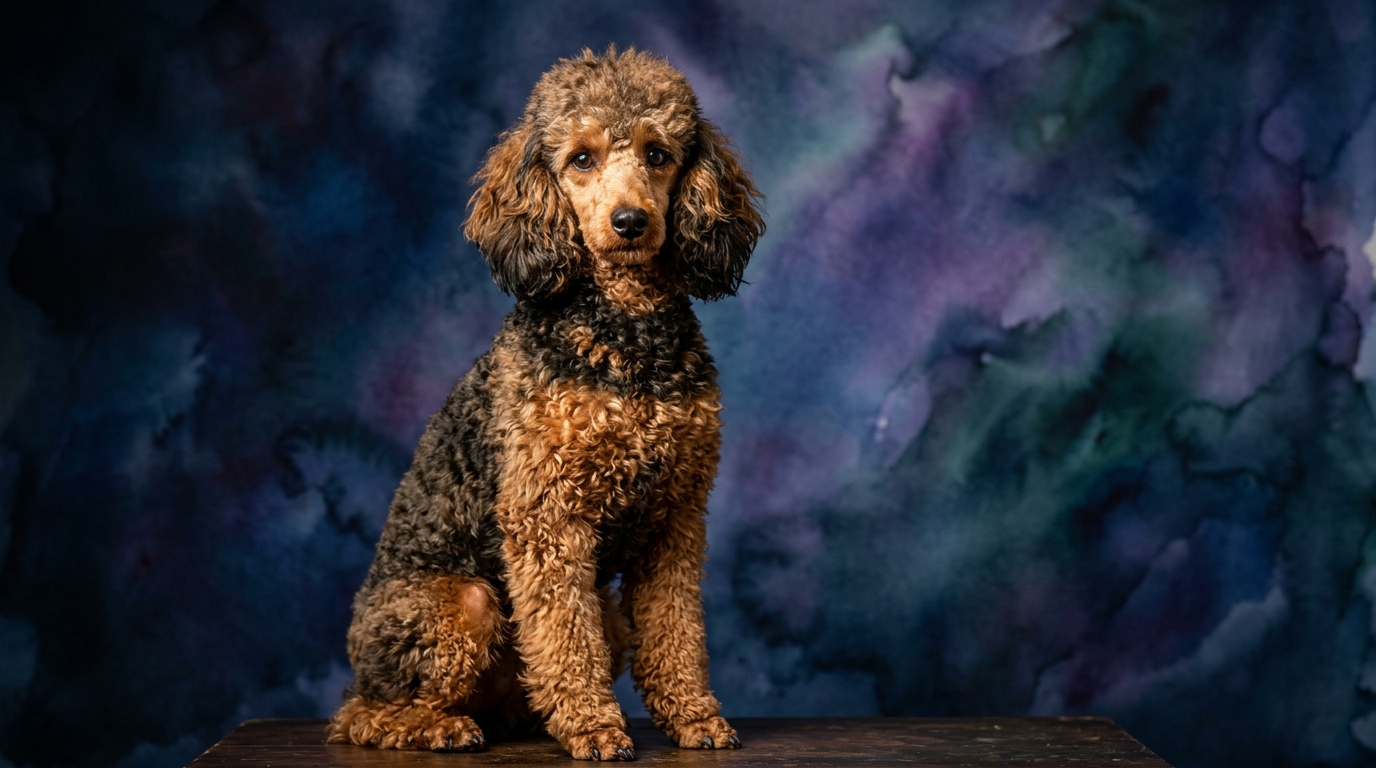
The Poodle (Standard), ranked #2 by Coren, presents a remarkable cognitive blueprint. Its Problem Solving is rated 5/5, indicating an exceptional capacity for complex thought, strategy formulation, and understanding abstract concepts. Training Speed also stands at 5/5, reflecting rapid acquisition of new commands and behaviors, often with minimal repetition. Social Intelligence, at 5/5, highlights their acute sensitivity to human emotions and subtle cues, fostering deep communicative bonds. While adaptable, their Instinctive Drive is 4/5, showing a propensity for activities like retrieving and agility, but not to the exclusion of other tasks. Memory, a robust 5/5, ensures long-term retention of learned information and experiences.
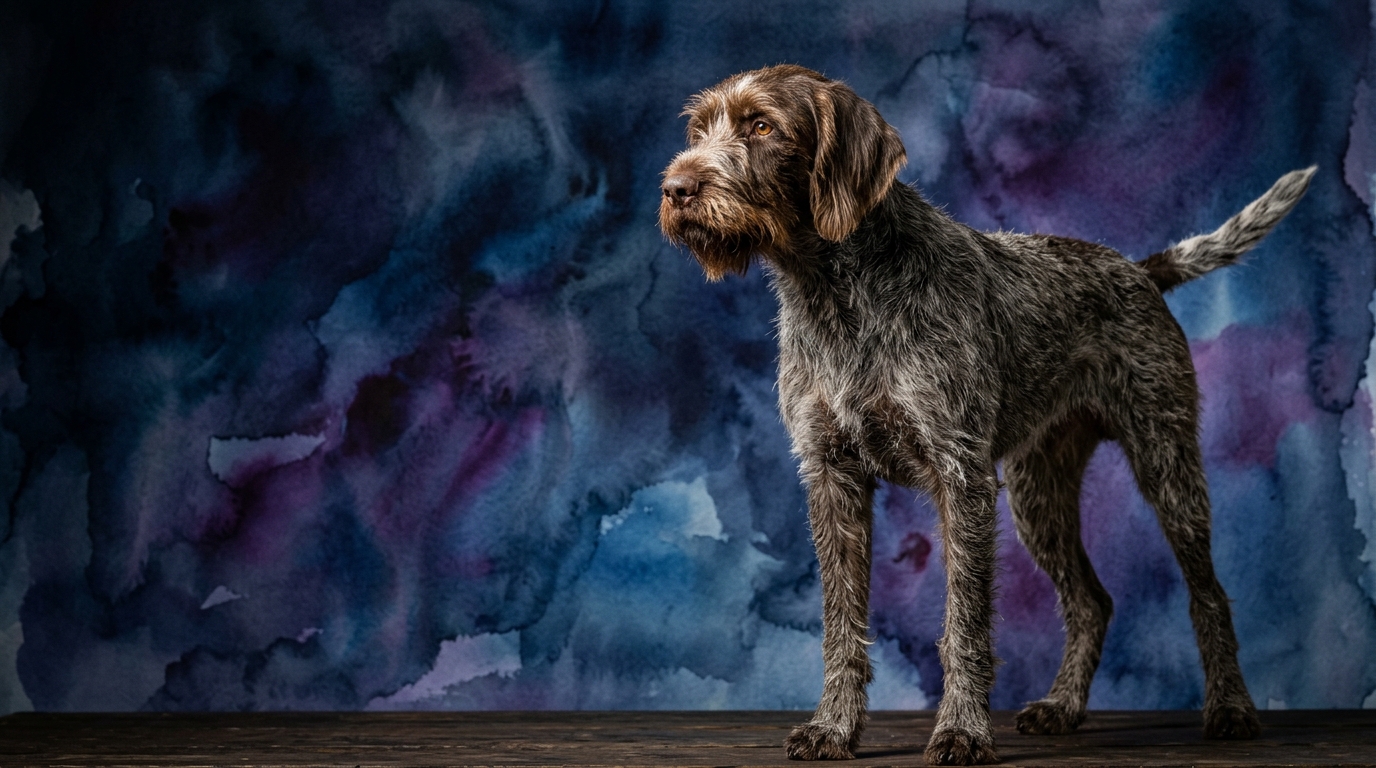
In contrast, the Wirehaired Pointing Griffon, a breed not Coren-ranked but with a distinct purpose, exhibits a practical and field-oriented intelligence. Its Problem Solving is rated 3/5, suggesting a competence in finding solutions relevant to its hunting tasks, such as tracking and locating game, rather than abstract puzzles. Training Speed is 3/5, meaning they are steady learners who benefit from consistency and clear, positive reinforcement, gradually mastering new skills. Social Intelligence at 3/5 indicates they are cooperative and communicative within their pack structure, understanding direct commands and intentions. Their Instinctive Drive is 3/5, centered around strong pointing and retrieving behaviors, which are fundamental to their identity. Memory is also rated 3/5, allowing them to retain learned behaviors and field experiences, though occasional refreshers might be beneficial.
Where Poodle (Standard) Wins Cognitively
The Poodle (Standard) demonstrates a clear advantage in areas demanding sophisticated cognitive processing. Their 5/5 Problem Solving shines in novel situations, where they can quickly assess variables and devise strategies, whether it's figuring out how to open a complex puzzle toy or navigating an unfamiliar environment. This capacity extends to understanding multi-step commands and adapting previous learnings to new contexts with minimal guidance. Furthermore, their 5/5 Social Intelligence allows them to pick up on subtle human emotional states and intentions, often anticipating needs or reacting empathetically, fostering a nuanced and responsive interaction that few other breeds can match. This makes them exceptional companions for owners who value deep, intuitive communication and collaborative activities beyond basic obedience, such as service work or therapy roles where understanding human distress is paramount.
Their superior Training Speed and Memory also mean Poodles excel in competitive dog sports like advanced obedience, rally, and agility, where precision, speed, and the ability to learn intricate sequences are critical. They not only learn quickly but also retain vast repertoires of commands and tricks over time, enabling them to progress to highly specialized tasks. This cognitive framework allows them to be exceptionally versatile, thriving in environments that offer continuous mental challenges and opportunities for intellectual engagement, making them adept at learning and performing a wide array of complex behaviors that go far beyond simple commands.
Where Wirehaired Pointing Griffon Wins Cognitively
The Wirehaired Pointing Griffon's cognitive strengths are deeply rooted in its heritage as a dedicated hunting companion, excelling in practical, instinct-driven intelligence. Their 3/5 Problem Solving, while not as abstract as the Poodle's, is highly effective in the field, enabling them to independently assess terrain, wind direction, and scent trails to locate game efficiently. They demonstrate a remarkable ability to work through environmental challenges, such as dense cover or water obstacles, using their senses and innate drive to achieve their objective. This specific problem-solving skill is less about abstract reasoning and more about effective, real-world application of their genetic predispositions, making them exceptionally competent in their intended role.
Their strong Instinctive Drive, though rated 3/5, is precisely channeled towards pointing and retrieving, making them specialists in these tasks. This drive, combined with their robust physical capabilities, allows them to maintain focus and perseverance in demanding outdoor conditions for extended periods. The Griffon's intelligence is geared towards independent decision-making in the field, where they must often operate without constant human direction, relying on their keen senses and learned experience to succeed. This makes them outstanding partners for hunters who appreciate a dog capable of making sound, on-the-spot judgments related to game work.
Which Is Easier to Train and Why
Based on their IQ profiles, the Poodle (Standard) is generally considered easier to train due to its 5/5 Training Speed and 5/5 Memory. Poodles grasp new concepts with astonishing rapidity, often understanding a command after only a few repetitions. Their eagerness to please and high social intelligence also contribute to their responsiveness, as they are attuned to their owner's feedback and motivations. This allows for swift progression through various levels of obedience and specialized tasks, making them a top choice for complex training regimens, from advanced obedience to intricate trick training or service dog work.
The Wirehaired Pointing Griffon, with a 3/5 Training Speed and 3/5 Memory, requires a more patient and consistent approach. While they are certainly trainable, they may need more repetitions to solidify new behaviors and might not retain information as quickly or permanently as a Poodle. Their independent nature, stemming from their hunting heritage where they are expected to make decisions in the field, can sometimes manifest as a charming stubbornness, requiring an owner to be firm, fair, and engaging. Training methods that tap into their natural prey drive and love for the outdoors, such as retrieve games or scent work, are often highly effective in motivating a Griffon.
Which Suits Active Owners vs. Relaxed Owners
For active owners, both breeds offer engaging companionship, but with different emphases. The Poodle (Standard) is an excellent choice for owners who enjoy a variety of activities that combine physical exertion with significant mental stimulation. This includes competitive dog sports like agility, obedience, flyball, or even dock diving, as well as long walks, hikes, and engaging in complex training sessions. Their cognitive capacity means they thrive when given a 'job' that challenges their intellect, leading to a well-adjusted and content companion. They are versatile and eager to participate in whatever their active owner pursues, as long as it involves interaction and mental engagement.
The Wirehaired Pointing Griffon is ideal for owners whose active lifestyle revolves around extensive outdoor adventures, particularly hunting, hiking, or exploring rugged terrain. Their exceptional stamina, weather-resistant coat, and strong instinctive drives make them tireless companions for long days in the field or on trails. They need consistent, vigorous physical exercise that often involves scent work or retrieving to truly satisfy their innate needs. For owners who prefer a more relaxed, sedentary lifestyle, neither breed is truly suitable without significant external provisions for exercise and mental engagement, as both possess considerable energy. However, a well-exercised Poodle might be more content to settle indoors for quiet activities than a Griffon, who will likely always be scanning for the next outdoor adventure.
The Verdict: When to Choose Each
The Verdict
Choose a Poodle (Standard) if you desire a highly versatile companion for complex training, competitive dog sports, or service work, valuing a dog with exceptional problem-solving, rapid learning, and nuanced social understanding.
Opt for a Wirehaired Pointing Griffon if you seek a dedicated hunting partner or an energetic companion for extensive outdoor adventures, appreciating a dog with robust field instincts and practical problem-solving tailored to natural environments.
🧠 Find Your Pet's IQ Score
Our Pet IQ Lab assessment covers 25+ tests across 5 cognitive dimensions — personalized to your breed.
Take the Full IQ Test →Frequently Asked Questions
How do their problem-solving styles differ?
The Poodle (Standard) excels at abstract and strategic problem-solving, like complex puzzle toys or multi-step tasks, due to its 5/5 rating. The Wirehaired Pointing Griffon, rated 3/5, demonstrates practical, instinct-driven problem-solving in the field, such as tracking game or navigating terrain efficiently.
What's the main difference in training commitment?
A Poodle (Standard) requires less repetition and learns new commands quickly, making training faster and potentially more advanced due to its 5/5 Training Speed and Memory. A Wirehaired Pointing Griffon, at 3/5 for both, needs more consistency and patience, often benefiting from training methods that engage their natural hunting drives.
Which breed is better for a first-time dog owner?
The Poodle (Standard)'s high trainability, social intelligence, and eagerness to please can make it a more forgiving choice for a first-time owner willing to provide mental stimulation. The Wirehaired Pointing Griffon's independent nature and strong hunting drives might be more challenging for a novice, requiring a dedicated owner committed to consistent training and extensive outdoor activity.