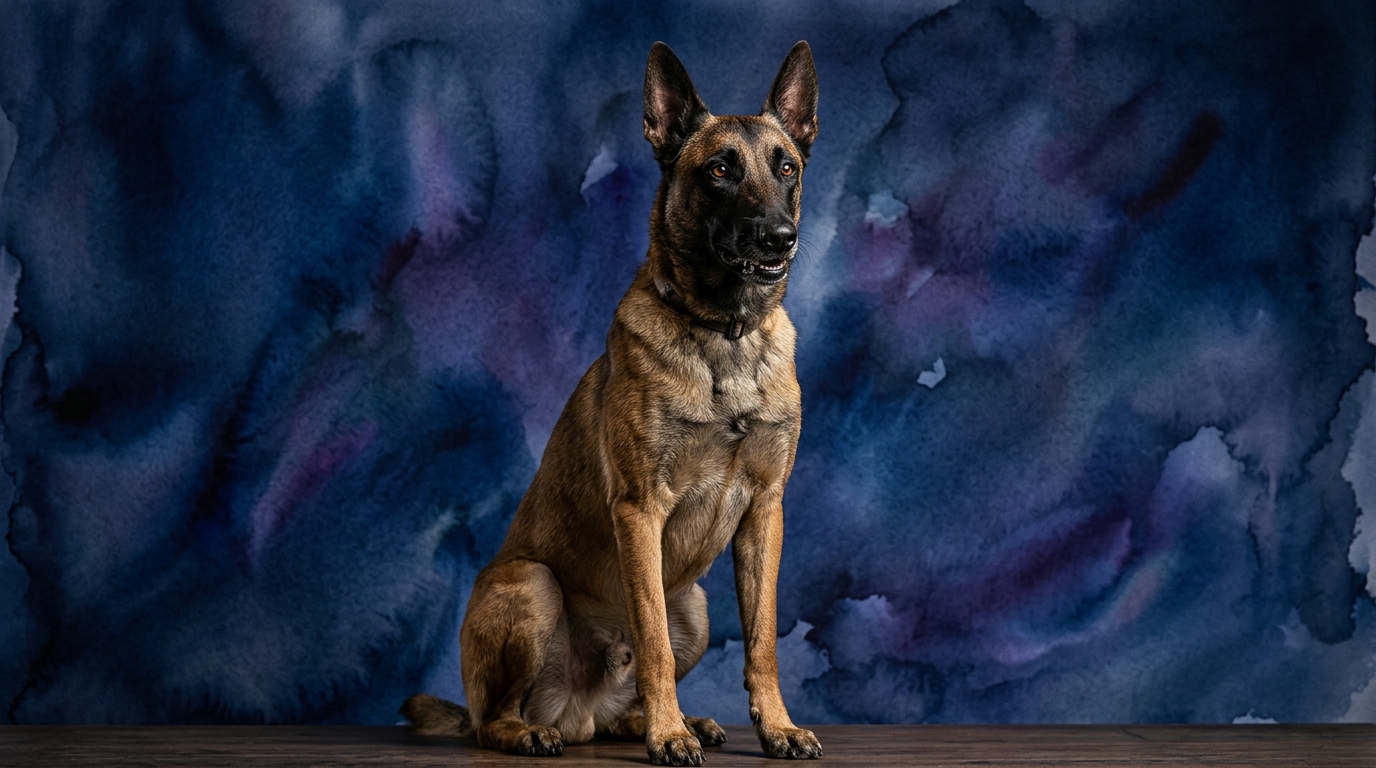
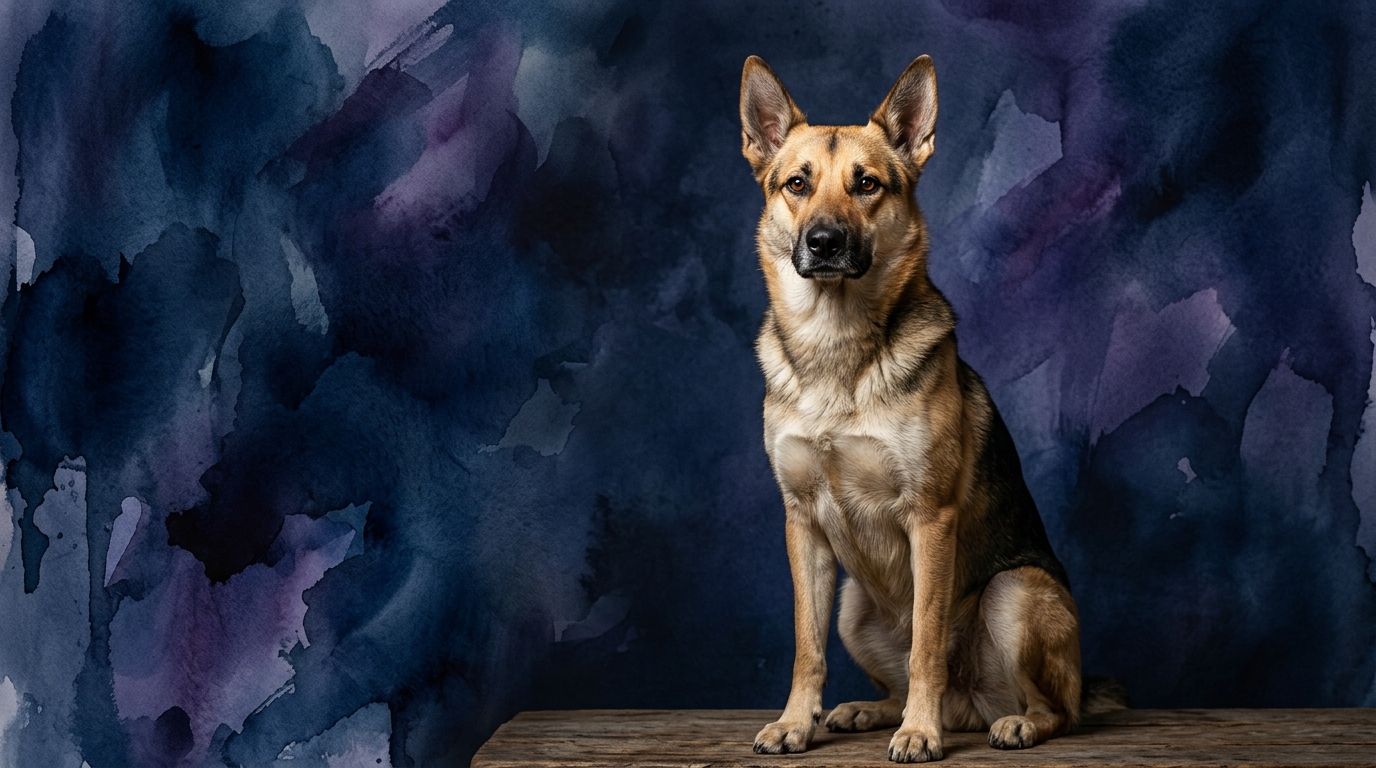
Side-by-Side Cognitive Profile
**Belgian Malinois (Coren Rank #22)**
**Problem Solving (5/5):** This breed exhibits exceptional capacity for assessing complex situations and devising effective solutions, often demonstrating foresight and strategic thinking in their actions. They don't just react; they actively process challenges, seeking optimal outcomes.
**Training Speed (5/5):** Their ability to rapidly grasp new commands and routines is unparalleled, often requiring fewer repetitions than most breeds to solidify a behavior. This swift learning is a hallmark of their working heritage, allowing for quick skill acquisition.
**Social Intelligence (4/5):** While acutely attuned to their handler's cues and intentions, their social intelligence is primarily focused on the working relationship, sometimes leading to a more reserved or purpose-driven interaction with unfamiliar individuals or other dogs.
**Instinctive Drive (5/5):** Possessing an extremely potent intrinsic motivation for specific behaviors, such as herding, guarding, or retrieving, this drive fuels their relentless focus and stamina in tasks, pushing them to excel.
**Memory (5/5):** Their recall of learned commands, past experiences, and environmental layouts is outstanding, enabling them to retain vast amounts of information and apply it consistently and reliably over extended periods.
**Canaan Dog (Coren Rank #43)**
**Problem Solving (3/5):** This breed displays a moderate ability to navigate novel problems, often relying on a blend of learned behaviors and independent thought, but may require more time or environmental cues to formulate solutions compared to more task-oriented breeds.
**Training Speed (3/5):** Learning new commands requires consistent, patient repetition, as they process information at a more measured pace. Their independent nature often means they weigh the perceived value or necessity of a command before compliance.
**Social Intelligence (3/5):** Their social interactions are often characterized by a discerning and independent nature. They form deep bonds with their inner circle but can be aloof or watchful with strangers, relying on their own judgment rather than immediate openness.
**Instinctive Drive (3/5):** While possessing natural guardian and territorial instincts, their drives are typically moderate and less overtly intense than those of dedicated working breeds, manifesting as vigilance rather than relentless pursuit of a specific task.
**Memory (4/5):** They demonstrate a commendable capacity for remembering people, places, and past events, which contributes to their strong territorial awareness and ability to navigate familiar environments, even if their recall of specific commands isn't always instant.
Where the Belgian Malinois Wins Cognitively
The Belgian Malinois's cognitive profile is a testament to its selection for demanding, high-stakes roles. Their 5/5 problem-solving ability means they don't just follow instructions; they actively analyze situations and adapt. For instance, in a complex agility course, a Malinois won't merely run the obstacles; it might anticipate the next turn based on the handler's body language or even a slight shift in the environment, making real-time micro-adjustments to optimize their path. This isn't just speed; it's an adaptive intelligence that processes multiple data points simultaneously.
Their 5/5 training speed isn't simply about learning a "sit" quickly; it's about chaining multiple complex behaviors, understanding nuanced cues, and performing precise actions under pressure, often after only a few repetitions. This translates into an exceptional capacity for advanced obedience, protection work, or intricate scent detection, where the ability to acquire and refine skills rapidly is paramount. Furthermore, their 5/5 instinctive drive ensures an unwavering focus and motivation towards a task. When given a job, their mental energy is channeled with remarkable intensity, allowing them to sustain effort and concentration for extended periods, a critical asset in demanding work environments. Their 5/5 memory underpins all these strengths, allowing them to build a vast repertoire of learned behaviors and strategies, ensuring consistency and reliability in performance long after initial training.
Where the Canaan Dog Wins Cognitively
While the Canaan Dog's cognitive scores might appear lower in comparison to the Malinois's intensity, their strengths lie in a different kind of intelligence, one forged by centuries of self-sufficiency. Their 3/5 problem-solving, coupled with their independent nature, means they excel in situations requiring autonomous decision-making rather than strict adherence to command. For example, a Canaan Dog left to guard livestock might assess a threat and react appropriately without direct human intervention, relying on its own judgment and environmental awareness, a trait less emphasized in breeds bred for constant human direction.
Their 3/5 social intelligence, characterized by discernment, allows them to accurately "read" intentions and distinguish between friend and foe, fostering a protective yet not overly aggressive demeanor. This nuanced social processing means they are less prone to indiscriminate friendliness and instead develop deep, selective bonds, offering a different depth of companionship for those who earn their trust. The 3/5 instinctive drive, while not as overtly intense as a Malinois, translates into a balanced vigilance. They possess a natural awareness of their surroundings and an innate sense of territory without the overwhelming need for constant high-stakes work, making them exceptional natural guardians who can calmly assess rather than impulsively react. Their 4/5 memory, particularly for people and places, contributes significantly to their role as a territorial guardian, allowing them to remember who belongs and who doesn't, fostering a strong sense of home and family. This memory isn't just about commands; it's about recalling complex social maps and environmental layouts.
Which Is Easier to Train and Why
When considering ease of training, the Belgian Malinois stands out unequivocally due to its 5/5 training speed and 5/5 instinctive drive. This breed possesses an eager-to-please mentality combined with an inherent desire to work and a rapid ability to connect actions with consequences. They thrive on structure, consistency, and clear direction, quickly absorbing complex command sequences and refining behaviors with minimal repetition. Their high social intelligence, though focused, means they are profoundly attuned to their handler's subtle cues, making communication during training highly efficient.
In contrast, the Canaan Dog, with its 3/5 training speed and independent problem-solving approach, presents a different training dynamic. While capable of learning, they often require more patience and consistency, as they are less inclined to blindly follow commands. Their historical role as a free-ranging pariah dog instilled a self-reliant mindset; they often question the necessity of a command, making them less compliant than a Malinois. Training a Canaan Dog demands creativity, positive reinforcement, and a deep understanding of their independent spirit, rather than expecting immediate, robotic obedience. They respond best to handlers who can make training feel like a collaborative effort, appealing to their intelligence and self-preservation instincts rather than just demanding compliance.
Which Suits Active Owners vs. Relaxed Owners
The cognitive profiles of these two breeds distinctly delineate their ideal living environments. The Belgian Malinois, with its off-the-charts instinctive drive and relentless problem-solving capacity, is undeniably suited for active owners who are prepared to provide not just physical exertion but also substantial mental engagement. This breed thrives when given a "job," whether it's advanced obedience, dog sports like agility or protection work, or even complex scent games. An owner who can channel their boundless energy and sharp intellect into structured activities will find a remarkably dedicated and fulfilling companion. Without sufficient mental and physical outlets, a Malinois can quickly become bored, leading to destructive behaviors or excessive vigilance, a testament to their need to apply their cognitive strengths.
The Canaan Dog, while not a couch potato, requires a different kind of engagement. Their moderate instinctive drive and discerning social intelligence mean they are best suited for owners who appreciate a dog with a strong sense of self and an independent streak. They need daily walks and opportunities to explore, but their mental stimulation often comes from observation, guarding their territory, and engaging with their family rather than constant high-intensity training. A "relaxed" owner in this context means someone who is patient, consistent, and willing to embrace a dog that makes its own decisions sometimes, rather than demanding constant engagement or perfect obedience. They are not for the owner seeking a dog that lives to please every command, but rather one who values a loyal, watchful companion with a quiet confidence.
The Verdict
Opt for the Belgian Malinois if you are an experienced, active owner seeking an intensely focused, highly trainable partner for demanding dog sports, protection work, or a structured, task-oriented life.
Choose the Canaan Dog if you appreciate an independent, discerning companion with a strong guardian instinct, are prepared for patient training, and value a watchful, self-reliant presence in your home.
🧠 Find Your Pet's IQ Score
Our Pet IQ Lab assessment covers 25+ tests across 5 cognitive dimensions — personalized to your breed.
Take the Full IQ Test →Frequently Asked Questions
Is a Belgian Malinois suitable for a first-time dog owner?
Generally, no. Their extreme intelligence, intense drive, and need for consistent, experienced handling and extensive mental and physical stimulation make them challenging for novice owners. They require someone who understands working dog temperaments and can provide appropriate outlets.
Do Canaan Dogs get along well with other pets?
Canaan Dogs can coexist with other pets, especially if raised together from a young age and properly socialized. However, their strong prey drive and independent nature mean careful introductions and supervision are often necessary, particularly with smaller animals, to ensure harmonious living.
How much exercise does a Canaan Dog need compared to a Belgian Malinois?
A Canaan Dog requires regular daily exercise, including walks and opportunities to run in a secure area, but generally less intense, structured activity than a Belgian Malinois. The Malinois needs extensive, rigorous physical exercise coupled with significant mental work daily to prevent boredom and destructive behaviors.