A Side-by-Side Look at Canine Cognition
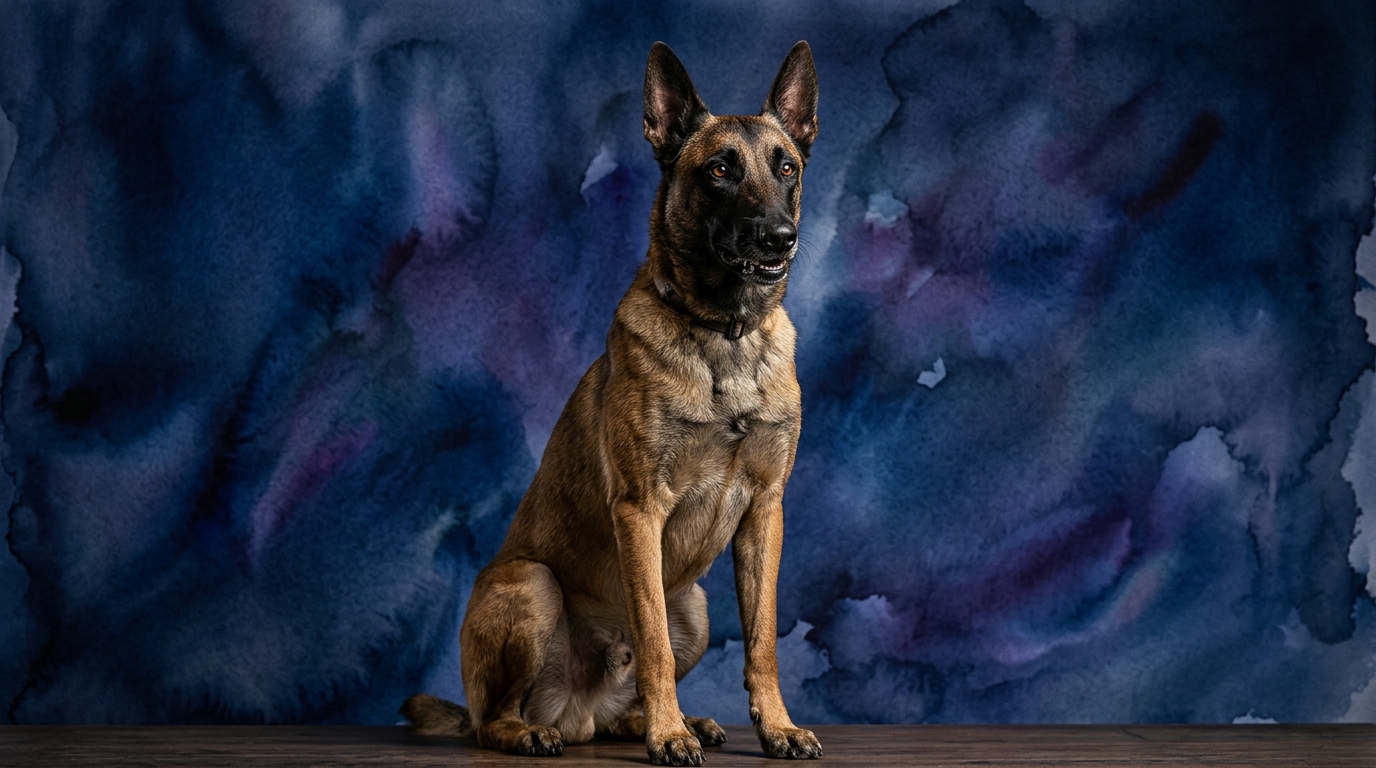
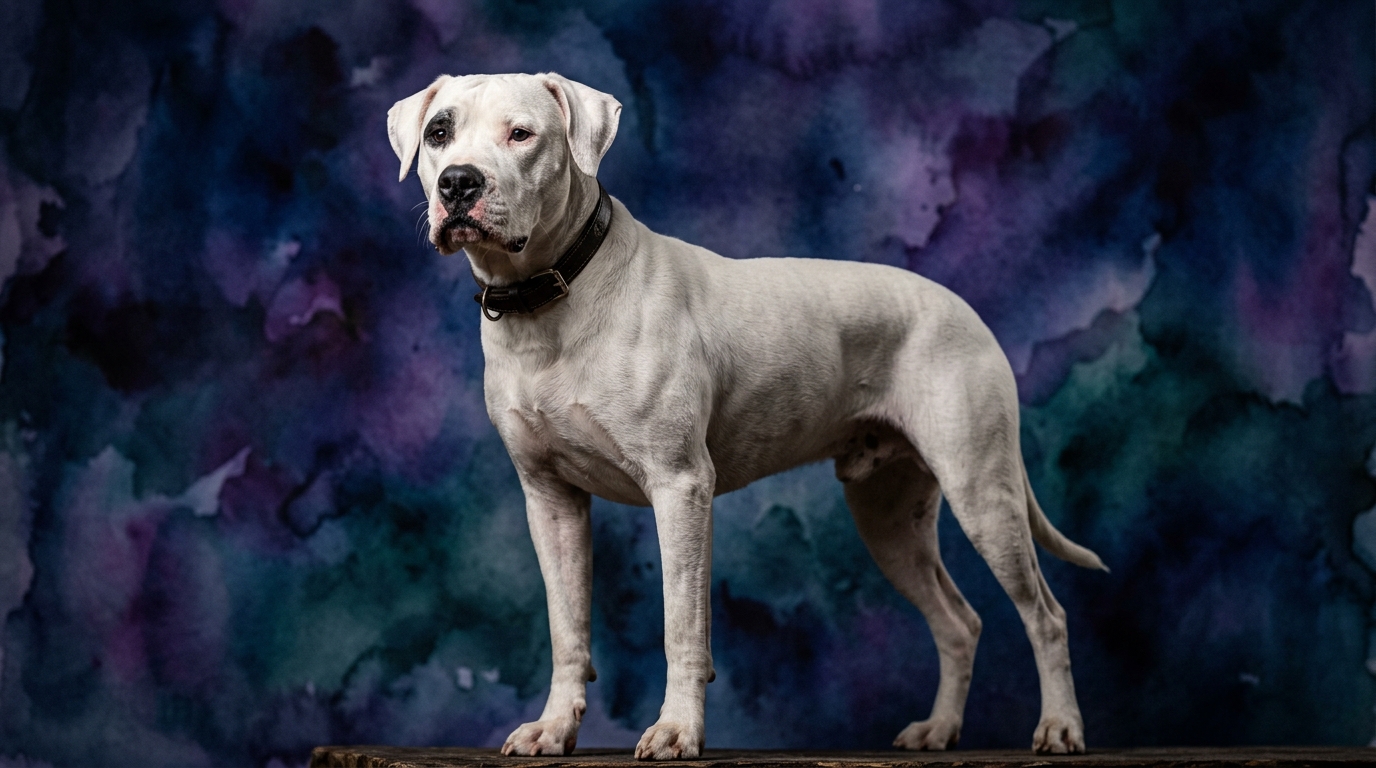
At The Cosmic Pet Pet IQ Lab, we evaluate canine intelligence across five key dimensions, offering a nuanced perspective beyond simple obedience. The Belgian Malinois, a Herding breed, consistently demonstrates a profound aptitude for learning and adaptation, reflected in its Coren rank of #22 among working breeds. The Dogo Argentino, a robust Working breed, while not included in Coren's traditional ranking, showcases a different, yet equally purposeful, set of cognitive strengths tailored to its historical role.
For the **Belgian Malinois**, our IQ profile shows: **Problem Solving 5/5**, indicating an exceptional capacity to rapidly analyze complex situations and formulate novel solutions; **Training Speed 5/5**, meaning they absorb new commands with remarkable swiftness, often requiring minimal repetition; **Social Intelligence 4/5**, reflecting their perceptiveness of human cues and social hierarchies, allowing for intricate communication; **Instinctive Drive 5/5**, highlighting an intense, focused work ethic and powerful natural impulses; and **Memory 5/5**, demonstrating an outstanding ability to retain complex sequences and past experiences over time. This combination paints a picture of a highly adaptable and eager learner.
The **Dogo Argentino** presents a different cognitive blueprint: **Problem Solving 3/5**, suggesting a methodical approach to challenges, often relying on learned patterns rather than rapid, spontaneous innovation; **Training Speed 3/5**, meaning they learn at a steady pace but benefit from consistent reinforcement and clear communication, typically requiring more repetitions; **Social Intelligence 3/5**, indicating a deep bond with their inner circle but often a reserved or discerning nature with strangers; **Instinctive Drive 3/5**, pointing to a powerful but specifically focused drive, primarily for tracking and protection; and **Memory 3/5**, signifying a solid recall for established routines and commands, though less capacity for intricate, multi-layered information retention compared to the Malinois. These scores reflect a breed built for endurance, focus, and unwavering loyalty within its specific domain.
Where the Belgian Malinois Excels Cognitively
The Malinois's cognitive advantages stem directly from its heritage as a dynamic herding and protection dog, demanding acute mental agility. Its 5/5 in Problem Solving allows it to rapidly assess and adapt to changing scenarios, whether re-directing a flock of sheep or navigating a complex protection exercise. This isn't just about following commands; it's about independent thought and quick decision-making under pressure. For instance, a Malinois can learn a multi-step obstacle course in a few repetitions and then immediately apply that learning to a slightly modified course, demonstrating profound generalization and mental flexibility.
The exceptional Training Speed (5/5) means a Malinois absorbs new commands and complex sequences with a voracious appetite for learning. They don't just learn; they *seek* to learn, thriving on mental challenges and intricate tasks. This is further bolstered by their 5/5 Memory, enabling them to retain vast amounts of information, from specific hand signals to elaborate scent discrimination patterns, over extended periods. Their 4/5 Social Intelligence allows them to form incredibly tight, communicative bonds with their handlers, anticipating intentions and responding to subtle cues, making them exceptional partners in demanding fields like search and rescue or police work. The 5/5 Instinctive Drive fuels this entire cognitive engine, providing an intense focus and tireless work ethic that, when properly channeled, makes them virtually unstoppable in achieving tasks.
Where the Dogo Argentino Shines Cognitively
While its scores may appear lower in a generalized IQ comparison, the Dogo Argentino's cognitive strengths are precisely tuned for its original purpose: hunting large, dangerous game and protecting its family. Its 3/5 in Problem Solving, while not about rapid innovation, reflects a tenacious and methodical approach. When tracking a scent, a Dogo Argentino exhibits unwavering focus and persistence, solving the 'problem' of finding its quarry through sheer determination and endurance rather than speed. This is a breed that commits to a task with resolute purpose.
The Dogo's Instinctive Drive, rated 3/5, is a powerful force for protection and pursuit. This drive is not as broad or versatile as the Malinois's, but it is deep and specific. It allows them to stand firm, track relentlessly, and protect their family with an unwavering resolve. Their Social Intelligence (3/5) manifests as profound loyalty and protective instincts towards their chosen family, discerning threats with a calm, confident assessment rather than rapid, dynamic responses. A Dogo's memory (3/5) is robust for routines, family members, and established territory, contributing to their steadfast nature. They might not remember every intricate command sequence, but they remember who belongs and who doesn't, and what their role is within their family unit. Their cognitive profile emphasizes reliability, courage, and focused determination, rather than multi-tasking agility.
Training Aptitude: Ease and Approach
When considering ease of training, the **Belgian Malinois** stands out as the more responsive and quicker learner. With a Training Speed of 5/5 and Memory of 5/5, they absorb new commands, complex sequences, and advanced behaviors with remarkable alacrity. Their inherent desire to work and please, combined with their problem-solving prowess, means they actively engage with training, often anticipating the next step. Real behavioral differences include their capacity for rapid generalization, applying learned skills to new environments or slightly altered commands with minimal extra instruction. However, this high drive and cognitive capacity also mean they require constant mental stimulation; an untrained or under-stimulated Malinois can quickly become destructive or anxious, channeling their mental energy into unwanted behaviors.
The **Dogo Argentino**, with a Training Speed of 3/5 and Memory of 3/5, requires a different approach. They are not 'difficult' to train, but they demand more consistency, patience, and positive reinforcement. Dogos learn steadily, but they benefit from clear, unambiguous commands and more repetitions to solidify behaviors. Their problem-solving is less about quick innovation and more about committing to a learned pattern through sustained effort. Their social intelligence (3/5) means they form deep bonds, which is crucial for training, but they might be less inclined to work for a stranger or a trainer who hasn't earned their trust. Their powerful instinctive drive, while focused, can manifest as stubbornness if they don't see the value in a command or if the training isn't engaging. Successful Dogo training relies on building a foundation of trust and respect, coupled with firm, consistent leadership, rather than relying on their innate eagerness to perform complex tasks at speed.
Matching Canine Minds to Owner Lifestyles
The choice between a Belgian Malinois and a Dogo Argentino largely hinges on an owner's lifestyle and experience. For **active owners** seeking an intense, engaged partnership, the Belgian Malinois is an unparalleled choice. These dogs thrive in environments where they receive rigorous daily mental and physical challenges – advanced obedience, protection sports, agility, scent work, or real-world working roles. An owner must be prepared to dedicate significant time each day to training, exercise, and complex problem-solving activities. A Malinois is not a dog for casual walks; it needs a job, a purpose, and a partner who can keep pace with its profound cognitive and physical energy. Owners who can provide this level of engagement will find an incredibly loyal, capable, and rewarding companion.
For owners with a more **relaxed lifestyle**, neither breed is truly suitable in the conventional sense of a low-maintenance pet. Both are working breeds with substantial needs. However, if 'relaxed' implies less demand for constant, high-intensity mental programming and more emphasis on consistent, confident leadership, the Dogo Argentino might be a more manageable fit for some. A Dogo still requires significant physical exercise, extensive socialization from a young age, and consistent, firm training to channel its powerful protective instincts. They need a confident, calm owner who can establish clear boundaries and provide ample outdoor activity. While they may not require the same *intensity* of complex mental stimulation as a Malinois, they are by no means a 'couch potato.' An owner considering a Dogo must be prepared for a powerful, determined dog that needs a structured environment and a committed, experienced leader, even if the daily routine is less focused on competitive dog sports.
The Verdict
Opt for a Belgian Malinois if you are an experienced, dedicated owner seeking an intensely engaged canine partner for advanced obedience, protection work, or competitive dog sports, ready to commit significant time to their profound mental and physical needs.
Select a Dogo Argentino if you desire a steadfast, protective companion with a strong, loyal temperament, understanding that their training requires consistent, patient leadership and ample socialization to channel their powerful instincts effectively.
🧠 Find Your Pet's IQ Score
Our Pet IQ Lab assessment covers 25+ tests across 5 cognitive dimensions — personalized to your breed.
Take the Full IQ Test →Frequently Asked Questions
Which breed is better for a first-time dog owner?
Neither breed is typically recommended for first-time owners due to their strength, drives, and specific training requirements. Both demand experienced handling, deep commitment, and extensive socialization from puppyhood to thrive responsibly.
Do Dogo Argentinos require less exercise than Belgian Malinois?
While a Dogo Argentino might not require the same *type* of intense, complex mental and physical exercise as a Malinois daily, they still need significant physical activity, consistent training, and ample space. Their needs are substantial, just expressed differently.
How do their protective instincts differ?
The Malinois's protection is often highly trained and task-oriented, a swift, decisive response born from high drive and rapid assessment. The Dogo Argentino's protection is typically more inherent, a resolute and territorial defense of its family and home, characterized by unwavering loyalty and physical presence.