Side-by-Side IQ Profile: Belgian Malinois vs. Dogue de Bordeaux
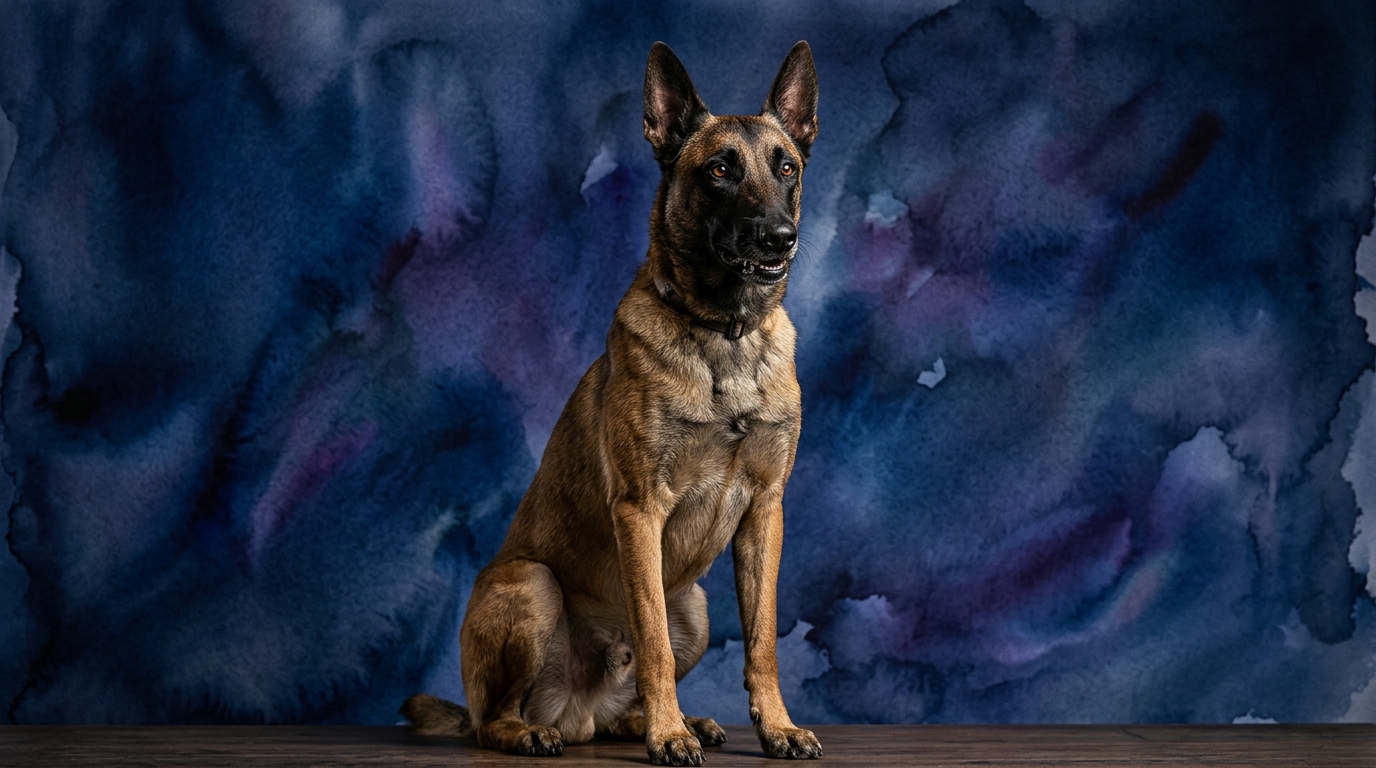
The Cosmic Pet Pet IQ Lab employs a five-dimensional framework to assess canine cognition, providing a nuanced understanding of each breed's mental strengths. For the Belgian Malinois, classified in the Herding group and ranked #22 by Coren for working intelligence, we see a profile geared towards high-performance tasks. Their Problem Solving is rated 5/5, indicating an exceptional capacity for independent thought and strategic action when confronted with novel situations or complex tasks. Training Speed is also 5/5, reflecting a remarkably steep learning curve where new commands and intricate sequences are absorbed with impressive swiftness. Social Intelligence stands at 4/5, showing a strong ability to interpret human cues, though often with a task-oriented focus. Their Instinctive Drive is a profound 5/5, fueling persistent effort and focus across various disciplines. Finally, Memory is 5/5, demonstrating excellent long-term retention of learned behaviors and environmental details, allowing for reliable performance even after periods of inactivity.
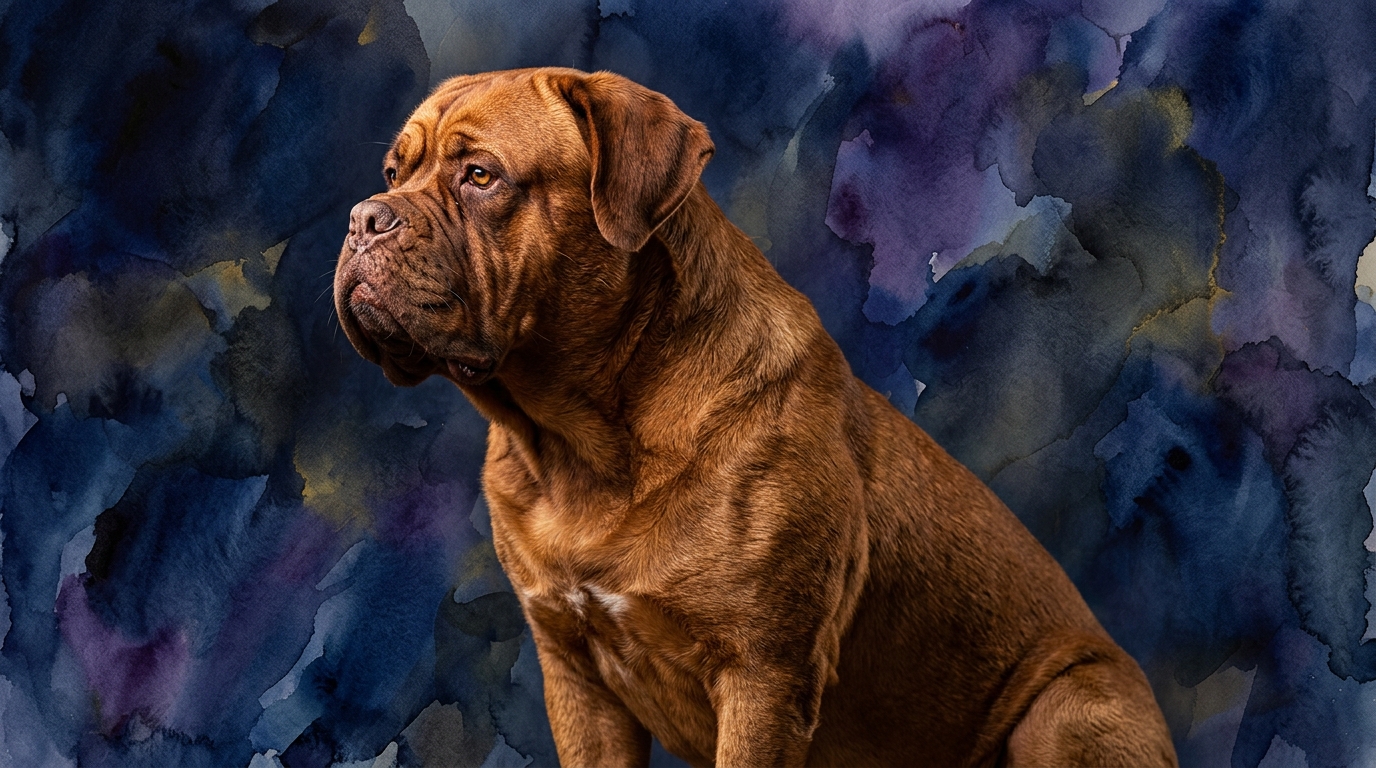
In contrast, the Dogue de Bordeaux, a member of the Working group and not specifically Coren-ranked, presents a different cognitive blueprint, one more suited to companionship and protective vigilance. Their Problem Solving is rated 3/5, indicating a practical, albeit less agile, mindset where solutions to common challenges are found, but often with more reliance on trial-and-error or guidance. Training Speed is 3/5, meaning they learn effectively but at a moderate pace, requiring consistent, patient, and positive reinforcement. Social Intelligence is 3/5, reflecting an attunement to family dynamics and emotional states within their immediate circle, rather than nuanced interpretation from multiple handlers. Instinctive Drive is 3/5, manifesting as protective instincts and a desire for comfortable companionship, lacking the intense drive for continuous activity. Their Memory is 3/5, functional for basic commands and routines, though complex sequences might benefit from refreshers.
Where the Belgian Malinois Wins Cognitively
The Belgian Malinois's supremacy in Problem Solving (5/5) is a defining cognitive advantage. They are not merely responsive but actively engage their environment, constructing solutions to novel challenges. This proactive mental approach allows them to excel in complex scent detection, intricate protection scenarios, or advanced agility courses where independent decision-making is crucial. Their ability to quickly analyze, adapt, and strategize in dynamic situations sets them apart, making them adept at navigating unforeseen obstacles and innovating on the fly.
Coupled with this is their unparalleled Instinctive Drive (5/5), which transforms cognitive potential into sustained performance. This isn't just physical energy; it's a powerful mental engine that drives persistence, focus, and a deep desire to work. Their exceptional Memory (5/5) further solidifies this, enabling them to flawlessly recall and execute complex sequences of commands or intricate navigational paths, making them incredibly reliable in demanding, multi-stage tasks where precision and consistency are paramount.
Where the Dogue de Bordeaux Wins Cognitively
While not excelling in the same high-intensity cognitive arenas, the Dogue de Bordeaux demonstrates a different kind of mental strength, particularly in their measured approach to their environment. Their Social Intelligence (3/5), though not as task-oriented as the Malinois, allows them to be highly observant and discerning within their family unit. They excel at calmly assessing social dynamics, providing a stable, reassuring presence without the need for constant external mental stimulation or complex problem-solving activities.
Their cognitive 'win' often lies in their capacity for thoughtful deliberation rather than rapid reaction. This manifests in a protective instinct that is often more about quiet vigilance and careful assessment of a situation before acting, rather than immediate, high-drive engagement. This calmer processing style, combined with their moderate Instinctive Drive (3/5), allows them to thrive in a home environment where their cognitive contributions are more about companionship and steady presence, requiring less constant mental output from their owners to maintain contentment.
Which Is Easier to Train and Why
From a pure efficiency standpoint for complex tasks, the Belgian Malinois is undeniably easier to train, owing to their Training Speed (5/5) and intense Instinctive Drive (5/5). They possess an almost insatiable desire to learn and work, absorbing new commands and advanced sequences with startling rapidity. Their high drive means they are intrinsically motivated to perform, making them highly responsive to clear directives and positive reinforcement, and they actively seek engagement, often anticipating the next step in a training session. This eager cognitive participation streamlines the learning process significantly.
The Dogue de Bordeaux, while trainable, requires a different approach due to their Training Speed (3/5) and more moderate Instinctive Drive (3/5). They learn effectively but at a more deliberate pace, necessitating greater patience, consistency, and repetition from their trainer. Their motivation is less about relentless work and more about companionship and comfort, meaning training sessions need to be kept engaging, positive, and often shorter to maintain their focus. Real behavioral differences include the Malinois's tendency to offer behaviors proactively versus the Dogue de Bordeaux's more passive, wait-and-see learning style, which requires the trainer to be more proactive in eliciting responses.
Which Suits Active Owners vs. Relaxed Owners
Active owners, or those seeking a canine partner for demanding roles, will find the Belgian Malinois an ideal match. Their exceptional Problem Solving (5/5) and profound Instinctive Drive (5/5) mean they thrive when provided with continuous, high-level mental and physical challenges. Owners must be prepared to dedicate significant time daily to advanced obedience, dog sports like Schutzhund or agility, detection work, or other intellectually stimulating activities. A Malinois needs an owner who can consistently engage their sharp mind and robust energy, otherwise, their cognitive prowess can manifest as undesirable, self-directed 'problem-solving' if left unstimulated.
Conversely, the Dogue de Bordeaux is exceptionally well-suited for more relaxed owners who appreciate a calmer, more deliberate canine presence. Their moderate Instinctive Drive (3/5) and less demanding Problem Solving (3/5) mean they are content with regular walks, basic training, and ample companionship without the relentless need for intense mental or physical exertion. They are observant and protective but do not require constant "work" to feel fulfilled. Their cognitive profile makes them excellent companions for those seeking a loyal, affectionate, and relatively low-key family member who enjoys a comfortable routine and a steady presence.
The Verdict
Choose a Belgian Malinois if you are an experienced owner seeking a highly engaged partner for advanced training, dog sports, or demanding working roles, prepared to meet their profound need for mental and physical exertion.
Opt for a Dogue de Bordeaux if you appreciate a calm, protective companion who thrives in a relaxed home environment, requiring consistent foundational training and moderate activity rather than intense cognitive challenges.
🧠 Find Your Pet's IQ Score
Our Pet IQ Lab assessment covers 25+ tests across 5 cognitive dimensions — personalized to your breed.
Take the Full IQ Test →Frequently Asked Questions
Is the Belgian Malinois too much for a first-time dog owner?
A Belgian Malinois often presents significant challenges for first-time owners due to their intense drive, high energy, and need for specialized training and mental engagement. Their cognitive demands require an owner with experience in structured dog management.
How does the Dogue de Bordeaux's protective instinct manifest cognitively?
The Dogue de Bordeaux's protective instinct is rooted in their observational social intelligence, leading them to calmly assess and respond to perceived threats within their family unit. Their cognitive process for protection is more deliberate and less reactive than a high-drive working breed.
Can a Dogue de Bordeaux excel in obedience competitions?
While a Dogue de Bordeaux can achieve proficiency in obedience, their moderate training speed and instinctive drive mean they typically won't match the rapid precision of breeds like the Malinois in high-level competitions. Success requires patient, consistent training tailored to their individual motivation.