Side-by-Side Cognitive Profiles
The Cosmic Pet Pet IQ Lab provides a unique lens through which to examine the cognitive strengths of these two distinct herding breeds. We evaluate five key dimensions: Problem Solving, Training Speed, Social Intelligence, Instinctive Drive, and Memory.
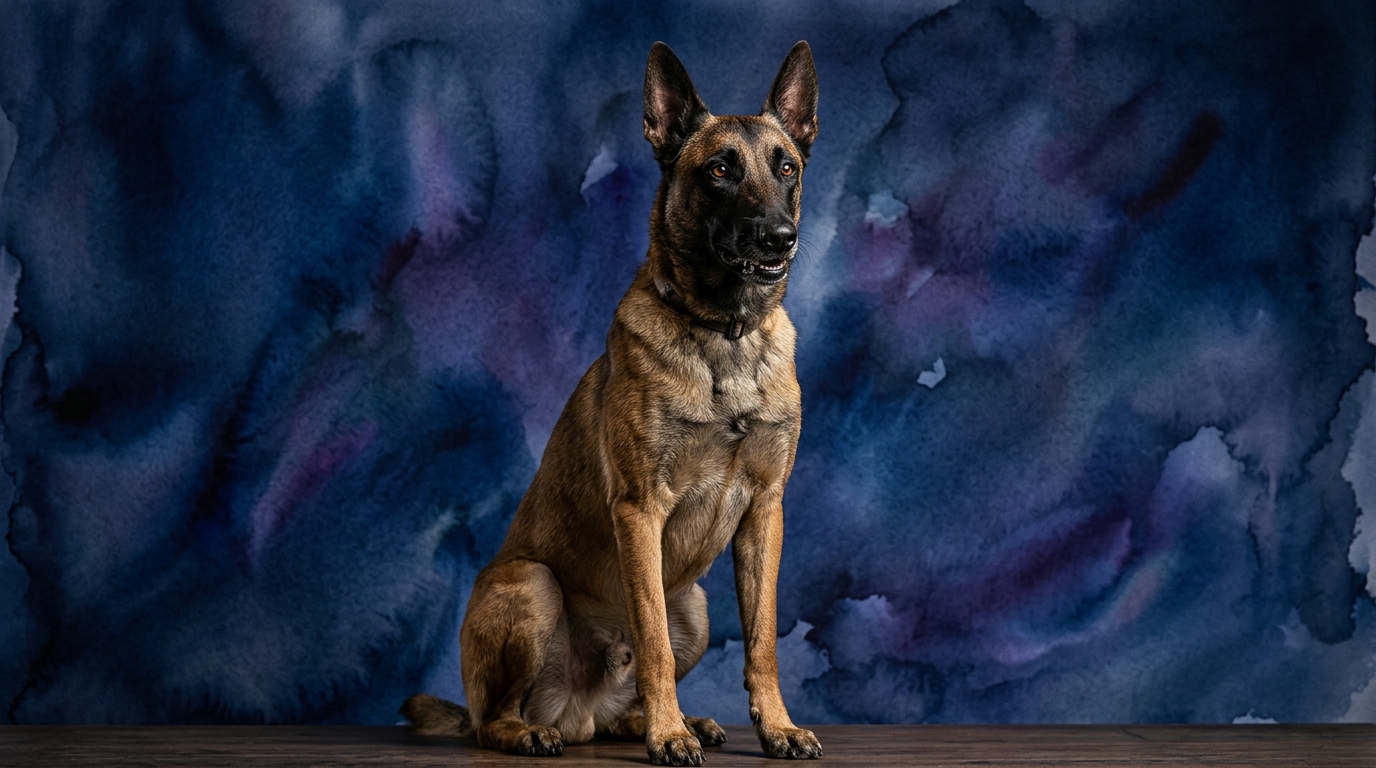
The Belgian Malinois, a breed often seen in demanding roles, exhibits an exceptional cognitive profile. Its Problem Solving is rated at 5/5, indicating an ability to rapidly analyze complex situations, devise novel solutions, and adapt creatively to new challenges. Training Speed is also 5/5, reflecting an extraordinary capacity for quick learning and command acquisition with minimal repetition. Social Intelligence stands at 4/5, signifying a strong attunement to human cues, particularly from its primary handler, and an understanding of social hierarchies. Its Instinctive Drive is a profound 5/5, demonstrating an intrinsic, relentless motivation for work, whether it be herding, protection, or scent detection. Finally, Memory is rated 5/5, pointing to an outstanding ability to retain a vast repertoire of commands, routines, and past experiences with remarkable recall.
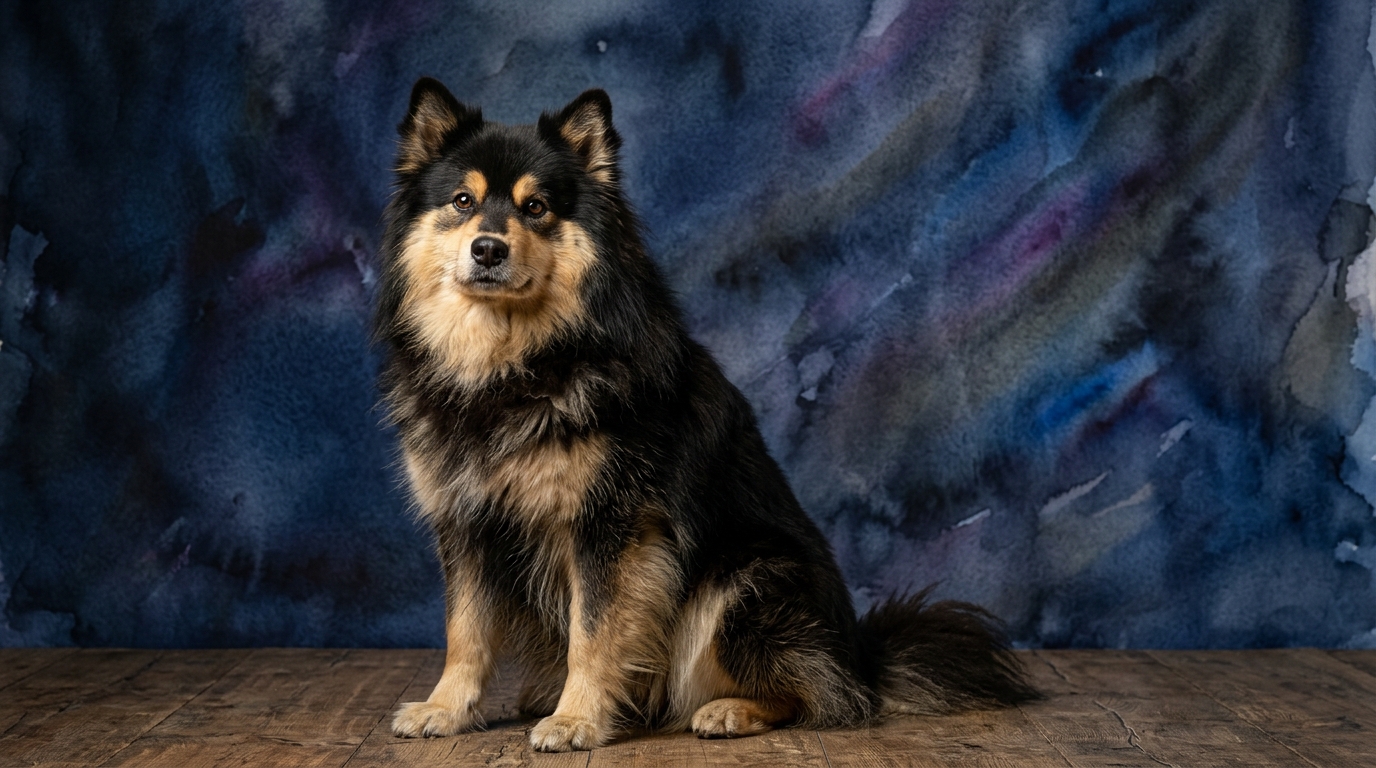
In contrast, the Finnish Lapphund, a breed with ancient herding roots, presents a balanced yet less intense cognitive blueprint. Its Problem Solving is rated 3/5, suggesting a competence in handling practical, everyday challenges and learning through moderate trial-and-error, but perhaps less inclination for inventing complex solutions. Training Speed is 3/5, indicating a steady learning pace that requires consistent repetition and patience for commands to solidify. Social Intelligence is 3/5, meaning they are perceptive of familiar human moods and bond deeply with their family, though they can be reserved or discerning with strangers. Instinctive Drive is also 3/5, reflecting a moderate working ethic suitable for traditional herding tasks without the overwhelming intensity of some working breeds. Memory is rated 3/5, signifying reliable recall of basic commands and established routines, though complex sequences might require more reinforcement over time.
Where the Belgian Malinois Excels Cognitively
The Belgian Malinois's cognitive strengths are evident across its 5/5 scores, setting it apart in specific domains. Its unparalleled Problem Solving (5/5) means it not only tackles obstacles but actively seeks to understand and overcome them, often with impressive ingenuity. This cognitive agility is invaluable in dynamic environments where rapid decision-making and adaptive thinking are paramount, such as in K9 police work or advanced dog sports. While a Lapphund might navigate a familiar route, a Malinois might invent a shortcut or find a way around an unexpected barrier.
The Malinois's exceptional Training Speed (5/5) allows for the rapid acquisition of complex skill sets. Trainers can progress through advanced obedience, intricate agility courses, or specialized tasks at an accelerated pace, building vast command repertoires. This quick grasp of new information is a significant advantage for owners needing a dog that can master many different jobs. Furthermore, its profound Instinctive Drive (5/5) provides an inexhaustible mental engine for sustained, high-intensity work. This relentless focus and motivation for a task, whether it's tracking a scent or working a flock, is a hallmark of the breed's cognitive make-up, ensuring they commit fully to their purpose. Finally, their 5/5 Memory ensures that these complex learned behaviors are not easily forgotten, allowing for consistent performance even after periods of inactivity, a critical factor in working dog longevity.
Where the Finnish Lapphund Shines Cognitively
While the Finnish Lapphund's cognitive profile features moderate 3/5 scores across the board, these traits can be a significant advantage, particularly for a companion animal. Its moderate Instinctive Drive (3/5), for example, means it possesses a working ethic without the relentless intensity that can become overwhelming for many owners. The Lapphund is content with purposeful activity but less prone to the hyper-vigilance or constant need for a 'job' that characterizes a Malinois, making its cognitive energy more adaptable to a family setting.
The Lapphund's Problem Solving at 3/5, while not as inventive as a Malinois, is entirely practical and sufficient for navigating a domestic environment and fulfilling its traditional herding duties. This cognitive approach means they are less likely to 'outsmart' their owners by figuring out complex escape routes or manipulating situations, which can be a subtle but real challenge with breeds that score higher in this dimension. Similarly, its 3/5 Social Intelligence, often manifesting as a reserved nature with strangers, translates to a more discerning and less demanding social presence. They are deeply bonded and perceptive within their immediate family circle, offering a stable and predictable social interaction without the constant need to engage with every new person or situation, which can be a cognitive 'win' for owners preferring a less extroverted canine companion. Its cognitive balance ensures a steady temperament rather than an intense, always-on mental state.
Training Ease: Malinois vs. Lapphund
When considering which breed is 'easier to train,' it's crucial to distinguish between learning speed and overall manageability. The Belgian Malinois, with its 5/5 Training Speed and Memory, is exceptionally fast at picking up new commands and complex sequences. However, their profound 5/5 Instinctive Drive and Problem Solving capabilities mean they require an immense volume of consistent, high-level mental and physical engagement to prevent boredom and the development of unwanted behaviors. Their cognitive intensity means that while they learn quickly, they also demand constant direction and challenge; a Malinois left undirected will often find its own 'work,' which might not align with human expectations. Their high drive can be a double-edged sword, making them adept learners but also requiring a highly experienced and dedicated handler to channel that mental energy effectively.
The Finnish Lapphund, with 3/5 in Training Speed and Memory, learns at a more deliberate pace, requiring more patience and consistent repetition during training sessions. However, their moderate 3/5 Instinctive Drive translates to a generally less demanding cognitive presence. They are more forgiving of minor training inconsistencies and less prone to developing extreme behavioral issues from insufficient mental exercise compared to a Malinois. While they may take longer to master a new skill, their overall cognitive demands are more manageable for an average owner, leading to a dog that is 'easier to live with' in a typical household. Their cognitive style is less about constant challenge and more about consistent routine and companionship.
Suitability for Active vs. Relaxed Owners
The profound cognitive differences between these breeds dictate vastly different owner requirements. The Belgian Malinois is ideally suited for highly active, experienced owners who thrive on intense daily activity and are deeply involved in dog sports, protection work, or service roles. These owners must be prepared for a lifelong commitment to advanced training and continuous mental stimulation, matching the Malinois's 5/5 Problem Solving and Instinctive Drive. They need an owner who can consistently meet their cognitive and physical intensity, providing structured outlets for their relentless mental energy and drive to perform.
The Finnish Lapphund, on the other hand, is a better fit for owners who enjoy regular, moderate outdoor activity but also appreciate a calm presence at home. These owners seek a loyal, companionable dog that is trainable for basic manners and enjoys family life without requiring constant, high-stakes 'work.' Their balanced cognitive profile (all 3/5s) means they are adaptable to a more relaxed lifestyle while still enjoying engagement and learning. They are well-suited for individuals or families who desire a dog with a steady, rather than relentless, cognitive engine, capable of integrating smoothly into a less demanding daily routine.
The Verdict
Opt for a Belgian Malinois if you are an experienced, dedicated handler seeking an unparalleled working partner for demanding sports, protection, or service roles, ready to invest heavily in their profound cognitive and physical needs.
A Finnish Lapphund is a better choice for owners seeking a loyal, adaptable family companion who enjoys moderate activity and consistent, patient training, offering a balanced cognitive presence without extreme demands.
🧠 Find Your Pet's IQ Score
Our Pet IQ Lab assessment covers 25+ tests across 5 cognitive dimensions — personalized to your breed.
Take the Full IQ Test →Frequently Asked Questions
Are Belgian Malinois good family dogs?
While highly loyal to their core family, their intense drive and vigilance (5/5 instinctive drive, 4/5 social intelligence focused on primary handler) mean they require significant management to be safe and comfortable in typical family settings, especially with children or frequent guests. Their cognitive energy needs constant redirection into appropriate activities, making them best suited for experienced households.
Do Finnish Lapphunds bark a lot?
Finnish Lapphunds, as traditional herding dogs (3/5 instinctive drive), do use their voices to communicate, particularly when herding or alerting to new situations. While not inherently excessive, they can be vocal, which is a cognitive trait related to their herding communication style. Consistent training and early socialization can help manage this tendency effectively.
What kind of mental stimulation do these breeds need?
The Malinois (5/5 problem solving, 5/5 memory) requires constant, complex mental challenges like advanced obedience, puzzle toys, scent work, and specialized training to prevent boredom and destructive behaviors. The Lapphund (3/5 in all cognitive areas) benefits from regular training, interactive games, and moderate puzzle toys, but doesn't typically demand the same intensity or novelty to remain mentally content.