Side-by-Side IQ Profile: Malinois vs. Italian Greyhound
The Cosmic Pet Pet IQ Lab evaluates canine intelligence across five key dimensions: Problem Solving, Training Speed, Social Intelligence, Instinctive Drive, and Memory. A direct comparison of the Belgian Malinois and the Italian Greyhound reveals two vastly different cognitive blueprints, each optimized for their historical roles and inherent natures.
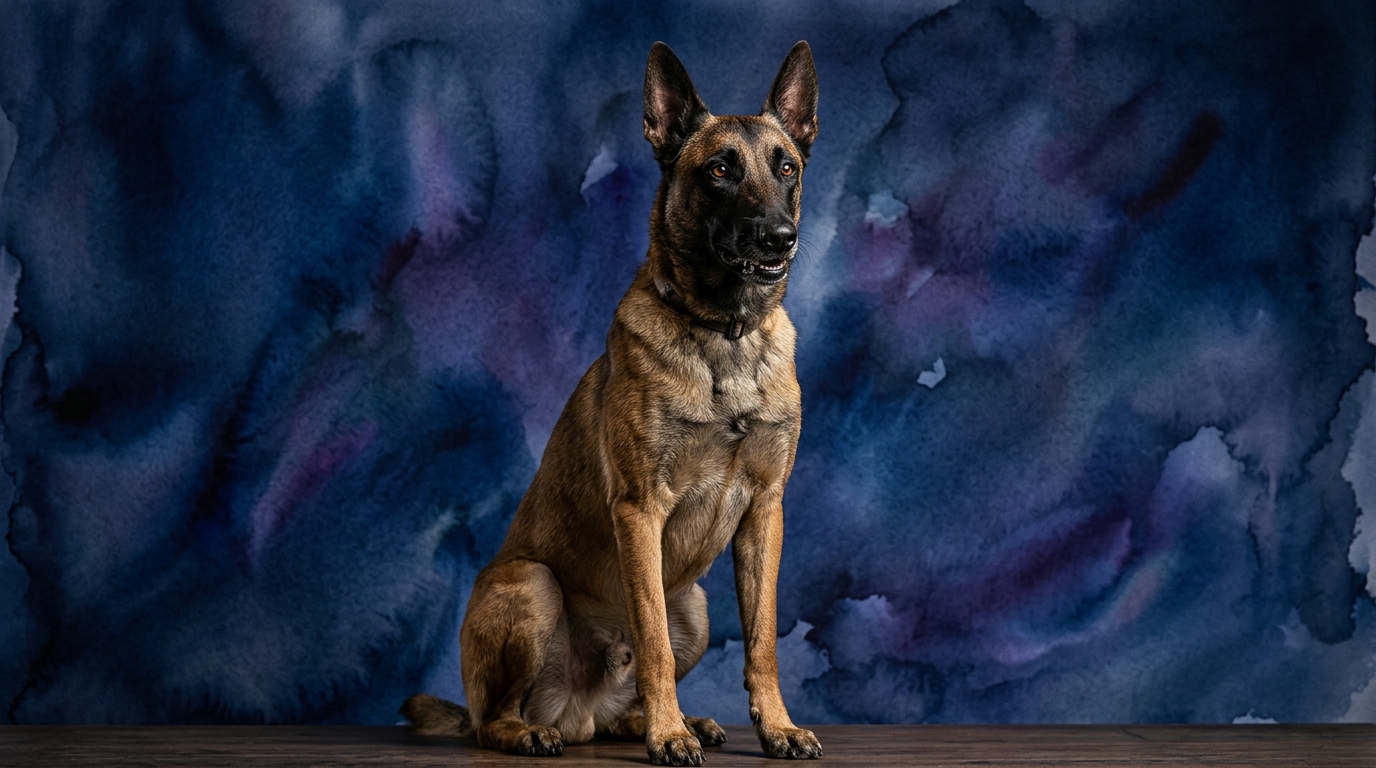
The **Belgian Malinois**, a formidable herding dog, consistently ranks at the upper echelons of canine cognition, noted at Coren rank #22. Its Problem Solving ability is rated 5/5, reflecting an exceptional capacity for navigating complex scenarios, figuring out intricate tasks, and adapting strategies on the fly. Their Training Speed is also a perfect 5/5, meaning they grasp new commands and skills with remarkable rapidity, often requiring only a handful of repetitions to solidify a behavior. Social Intelligence stands at 4/5; Malinois are deeply attuned to their handler's directives and intentions, excelling in cooperative work, though their focus is primarily on their human partner rather than broad social interactions. An Instinctive Drive of 5/5 signifies a powerful, inherent motivation for work, whether it’s herding, protection, or scent detection, coupled with an intense focus. Lastly, their Memory is rated 5/5, allowing them to retain long, complex sequences of commands, remember specific training protocols, and recall detailed information over extended periods.
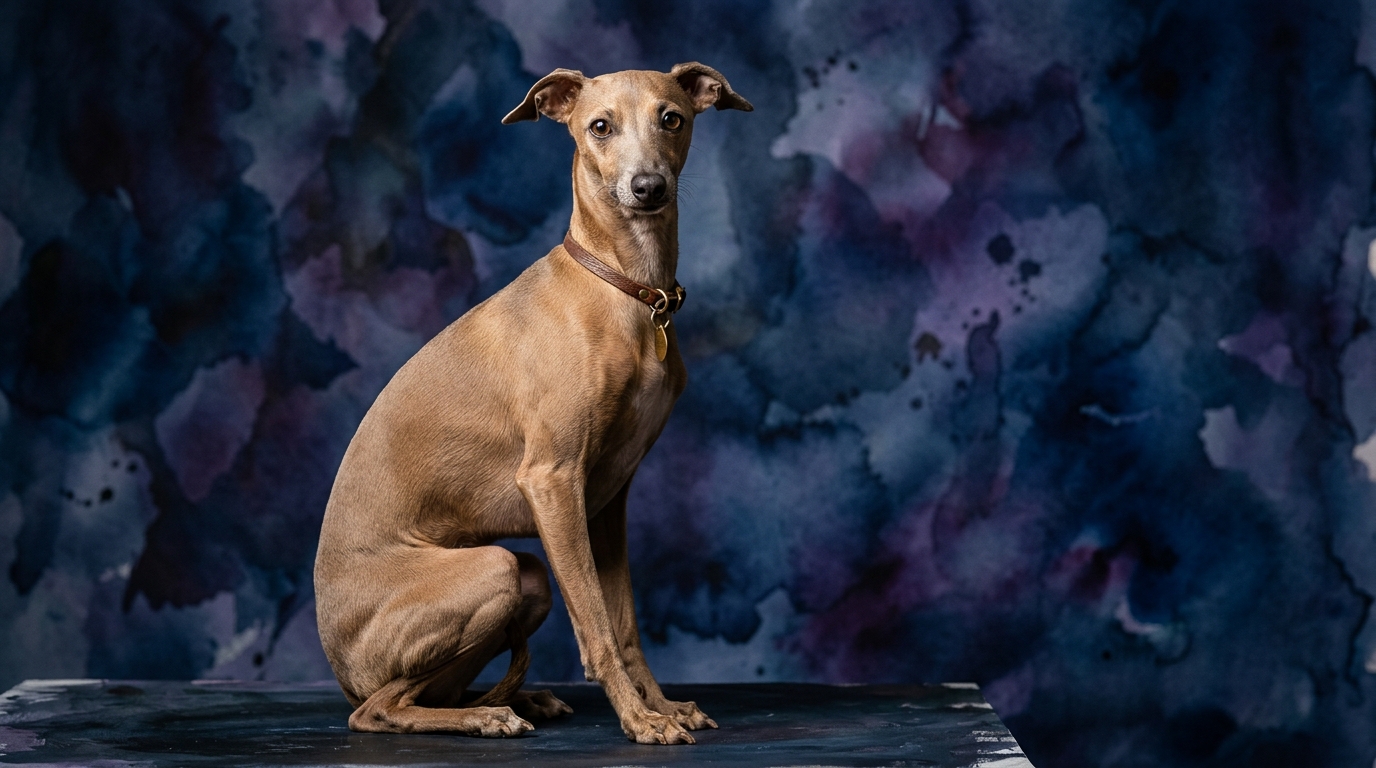
In stark contrast, the **Italian Greyhound**, a refined toy breed, presents a different set of cognitive strengths, though it is not ranked on Coren's scale. Its Problem Solving score is 3/5, indicating an ability to manage basic puzzles and understand simple cause-and-effect relationships, but without the intense drive for complex cognitive challenges seen in a working breed. Training Speed is also 3/5; Italian Greyhounds learn at an average pace, requiring consistent, patient repetition and positive reinforcement, and can be easily distracted if not properly motivated. Their Social Intelligence is 3/5, as they form incredibly strong, sensitive bonds with their primary caregivers, picking up on emotional nuances, yet their social focus is typically narrower, centered on close companionship rather than cooperative tasks. Instinctive Drive scores 3/5; while they possess the sighthound's innate urge to chase small, fast-moving objects, this drive is generally less intense and less generalized than a working breed's, often manifesting as short bursts of energy. Their Memory is rated 3/5, sufficient for remembering routines, familiar faces, and basic commands, but not for the multi-layered, strategic recall required of a high-performance working dog.
Where the Belgian Malinois Wins Cognitively
The Belgian Malinois excels in environments demanding intricate cognitive application and sustained mental effort. Its superior problem-solving acumen allows it to decipher complex situations, such as navigating obstacle courses or executing multi-stage search and rescue operations, with strategic foresight. This breed demonstrates a remarkable ability to not just follow commands, but to understand the underlying goal of a task and adapt its approach when faced with unforeseen variables. Their rapid training assimilation means they can master an extensive repertoire of skills quickly, making them invaluable in specialized roles like police work, military service, and competitive dog sports. Furthermore, the Malinois's powerful instinctive drive, coupled with its memory, enables it to maintain intense focus and motivation through demanding, repetitive tasks, demonstrating a mental endurance that few breeds can match. They are masters of applied intelligence, transforming learned behaviors into effective, real-world solutions.
Where the Italian Greyhound Wins Cognitively
The Italian Greyhound's cognitive strengths lie in areas often overlooked by traditional intelligence metrics, focusing instead on nuanced social and environmental adaptability within a domestic sphere. This breed demonstrates a keen subtle social intelligence, being highly attuned to the moods and emotional states of its human family members, often anticipating needs or offering comfort without overt instruction. They are resourceful in optimizing their comfort, adept at finding the warmest sunbeams or burrowing deep into blankets, showcasing a practical, comfort-driven problem-solving. Their lower overall drive means they are less prone to the mental overstimulation or anxiety that can plague more driven breeds in quiet environments, allowing them to thrive in peaceful, predictable home settings. The Italian Greyhound’s cognitive profile supports deep, affectionate companionship, where their sensitivity and gentle nature are paramount, allowing them to form profound emotional connections that are less about utility and more about reciprocal feeling.
Training Dynamics: A Tale of Two Temperaments
Training a Belgian Malinois versus an Italian Greyhound presents fundamentally different experiences, stemming from their inherent behavioral traits. The Malinois, with its 5/5 training speed and instinctive drive, is often described as a 'velcro dog' due to its intense focus on its handler. This makes them incredibly receptive to learning complex commands and multi-step tasks quickly, thriving on structure, consistency, and a firm but fair hand. However, their high drive means they require a highly skilled and experienced handler who can channel their boundless energy and working instincts productively. Without adequate mental and physical stimulation, a Malinois can quickly become bored, destructive, or develop behavioral issues, as their problem-solving ability might be directed towards undesirable activities, such as escaping enclosures or dismantling furniture. Their intensity requires an owner who understands how to manage and motivate a powerful working animal.
Conversely, training an Italian Greyhound, with its 3/5 training speed and social intelligence, demands patience, positive reinforcement, and an understanding of their sensitive nature. They learn at an average pace and are easily distracted, meaning short, engaging training sessions are more effective than long, repetitive drills. Italian Greyhounds respond poorly to harsh corrections, often becoming withdrawn or fearful. Their sighthound heritage means they can exhibit 'selective hearing' when something more interesting (like a squirrel) catches their eye, making off-leash reliability a significant challenge unless in a securely fenced area. House-training can be a particular hurdle for IGs due to their small bladders and aversion to cold or wet weather; consistent outdoor access and diligent supervision are crucial. While they enjoy learning tricks and basic obedience, their motivation is often rooted in pleasing their beloved human rather than an inherent drive to perform complex tasks, and they excel when training feels like a gentle, bonding activity.
Matching Owners: Active Lifestyle vs. Relaxed Companionship
The choice between a Belgian Malinois and an Italian Greyhound is largely determined by an owner's lifestyle and their capacity to meet specific breed needs. A Belgian Malinois is unequivocally suited for highly active, experienced owners who are prepared for a significant commitment to physical exercise and mental engagement. These dogs thrive with individuals involved in dog sports like agility, obedience, protection work, or those who enjoy extensive outdoor activities such as hiking, running, or cycling. Their intense drive and energy demand daily, structured activity that goes beyond a simple walk around the block; they need a job and a purpose to be truly content. An owner who understands the intricacies of working dog psychology and can provide consistent training and boundaries will find an unparalleled partner in a Malinois. They are not dogs for first-time owners or those seeking a low-maintenance pet.
The Italian Greyhound, on the other hand, is an ideal fit for more relaxed, gentle owners who desire a devoted and relatively quiet companion. While they enjoy short bursts of play and daily walks, their primary need is for comfort, warmth, and close companionship. They are well-suited to apartment living, provided they receive their brief, energetic outdoor sprints in a secure area. Owners who appreciate a dog content to cuddle on the sofa, burrow under blankets, and be a constant, affectionate presence will find joy in an Italian Greyhound. They require a secure, soft environment and thrive on a predictable routine. This breed is perfect for those who prioritize emotional connection and a calm home atmosphere over high-octane activities, but still understand the need for secure outdoor play and protection from harsh weather due to their delicate build.
The Verdict: When to Choose Each Breed
The Verdict
Choose the Belgian Malinois if you are an experienced, highly active owner seeking a driven, capable working partner for demanding tasks, sports, or protection roles, and are prepared to dedicate substantial time to their rigorous physical and mental stimulation. This breed thrives with a job and a handler who understands how to channel their intense focus and energy into productive endeavors.
Opt for the Italian Greyhound if you are a patient, gentle owner desiring a devoted, quiet, and delicate companion who thrives on close human interaction, comfort, and a calm home environment. This breed is ideal for those who appreciate a sensitive, affectionate dog more interested in snuggling than in high-intensity activities, and who can provide a safe, warm space for their unique needs.
🧠 Find Your Pet's IQ Score
Our Pet IQ Lab assessment covers 25+ tests across 5 cognitive dimensions — personalized to your breed.
Take the Full IQ Test →Frequently Asked Questions
Are Italian Greyhounds difficult to train for basic obedience?
Italian Greyhounds are not inherently difficult, but they require a different approach than highly driven breeds. They respond best to positive reinforcement, short and engaging sessions, and patience due to their average training speed and potential for distraction. Consistency is key, and understanding their sensitive nature is crucial for success.
Can a Belgian Malinois be a good family pet?
A Belgian Malinois can be a wonderful family pet, but only for families who are highly active, experienced with working breeds, and committed to providing consistent training, socialization, and extensive mental and physical stimulation. They typically bond strongly with their primary handler and require a structured environment to thrive, making them unsuitable for passive family roles.
Which breed is better for apartment living?
The Italian Greyhound is generally much better suited for apartment living due to their smaller size, lower exercise requirements (beyond short bursts), and preference for indoor comfort. A Belgian Malinois, with its immense energy and need for space and activity, is typically not a suitable apartment dog unless the owner provides extraordinary daily outlets.