Side-by-Side IQ Profile: Deconstructing Canine Cognition
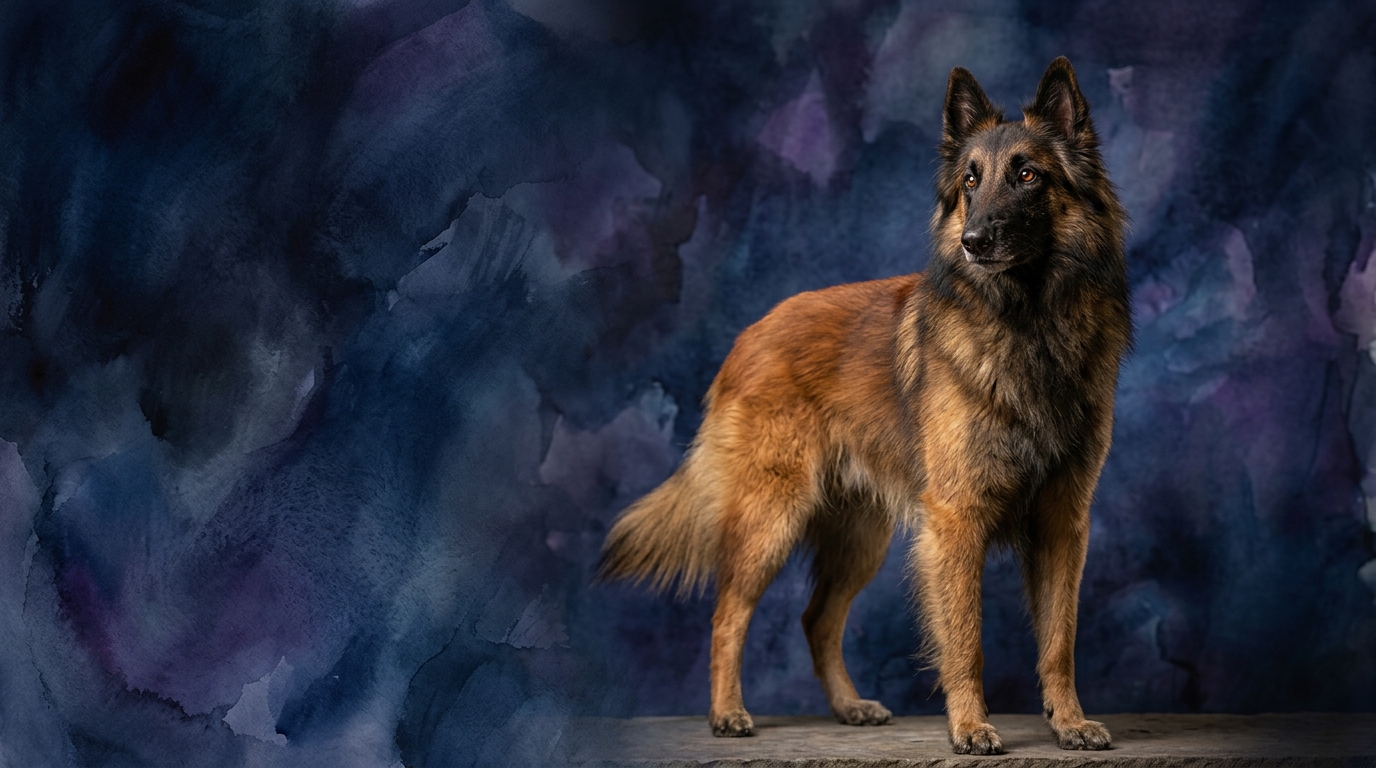
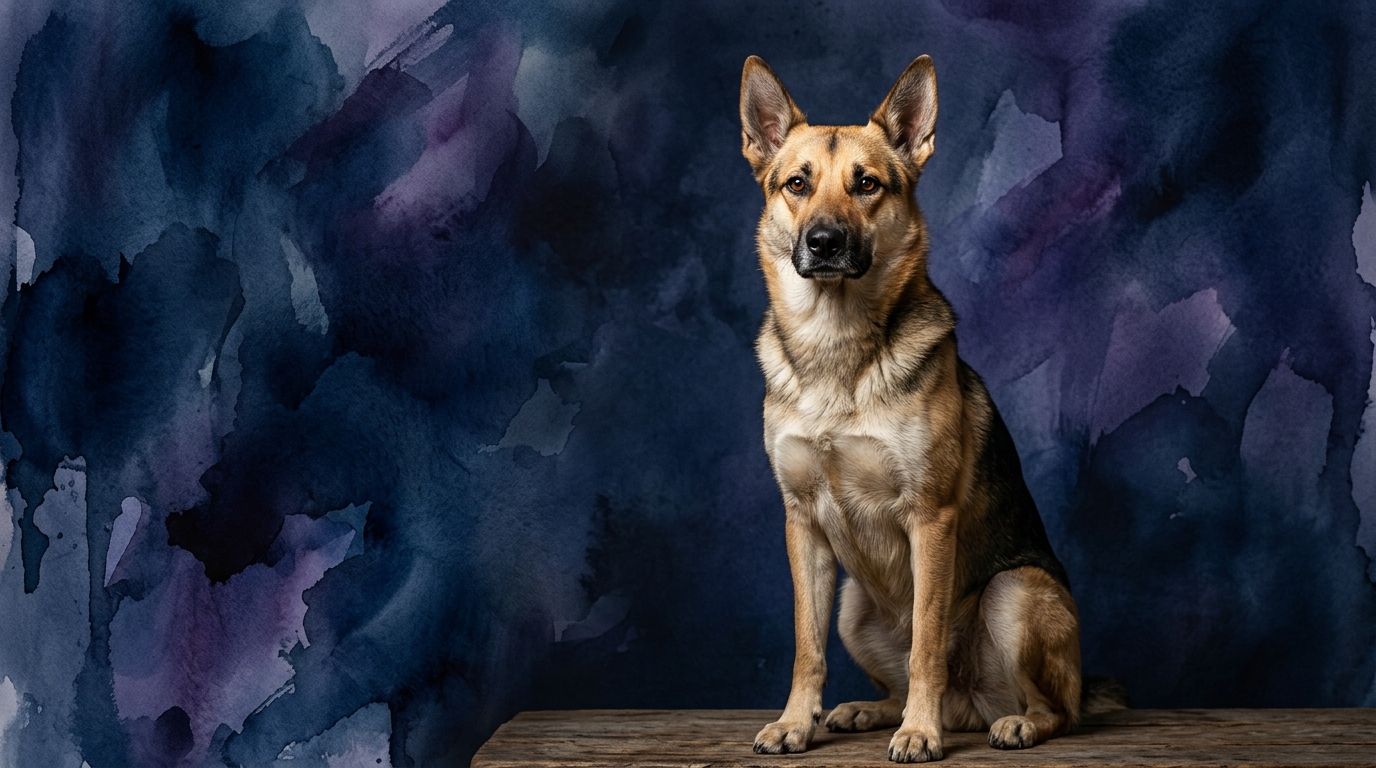
At The Cosmic Pet Pet IQ Lab, we analyze canine intelligence across five critical dimensions, providing a granular view of each breed's mental aptitudes. For the Belgian Tervuren, ranked #14 by Coren, and the Canaan Dog, holding rank #43, these profiles illuminate their unique cognitive architectures.
The Belgian Tervuren showcases exceptional Problem Solving at 5/5, indicating a remarkable capacity to analyze novel situations and devise effective solutions independently, often appearing to grasp the 'why' behind tasks. Their Training Speed is also a perfect 5/5; they absorb new commands and complex sequences with remarkable rapidity, typically requiring fewer repetitions and demonstrating an eagerness to learn. Social Intelligence stands at 3/5, suggesting a reserved but observant nature in new social contexts, preferring a smaller, familiar circle. Their Instinctive Drive, rated 3/5, is purposeful and often channeled into structured activities rather than undirected herding. Finally, Memory is a formidable 5/5, allowing them to retain learned behaviors, commands, and past experiences over extensive periods, contributing to their consistent performance.
In contrast, the Canaan Dog presents a distinct cognitive blueprint. Their Problem Solving is rated 3/5, indicating a moderate ability to navigate challenges, often relying on learned patterns or their strong independent streak, sometimes taking a more direct or trial-and-error approach. Training Speed is also 3/5; they learn at a steady pace but may require more patience and consistent repetition, influenced by their independent nature which often demands conviction in a command's value. Social Intelligence, like the Tervuren, is 3/5, typically displaying a reserved demeanor, often wary of strangers but intensely loyal to their family. Their Instinctive Drive is 3/5, deeply rooted in their ancient origins as guardians and herders, manifesting as vigilance and territoriality. Their Memory is a robust 4/5, enabling them to recall past experiences and training effectively once a behavior is thoroughly ingrained, though initial learning might be slower.
Where the Belgian Tervuren Shines Cognitively
The Belgian Tervuren's cognitive advantages are pronounced in areas demanding rapid assimilation of information, strategic thinking, and sustained recall. Their perfect 5/5 in Problem Solving means they don't just execute commands; they comprehend the underlying intent and can adapt their actions when faced with unexpected variables. This makes them exceptional candidates for complex tasks where independent judgment is crucial, such as advanced obedience, agility, search and rescue, or service dog roles. They are adept at understanding abstract concepts and applying them to new scenarios, often anticipating the next step or devising novel solutions on their own.
Complementing this is their 5/5 Training Speed. Tervurens absorb new information with impressive efficiency, requiring minimal repetitions to solidify a command or a routine. This cognitive quickness allows handlers to progress through training stages at an accelerated pace, building upon a vast repertoire of learned behaviors without significant decay. Their remarkable 5/5 Memory ensures that once a skill is acquired, it remains steadfast, enabling them to perform consistently even after periods of inactivity. This combination of swift learning, deep understanding, and enduring recall makes the Tervuren an unparalleled partner for intricate, multi-stage activities, appearing to 'think ahead' of their handler and execute with precision and a clear understanding of their role.
Where the Canaan Dog Demonstrates Unique Cognitive Strengths
While the Tervuren excels in structured, collaborative learning, the Canaan Dog's cognitive strengths are rooted in their ancient heritage as self-sufficient desert pariahs, emphasizing independence, environmental awareness, and discernment. Their 3/5 Problem Solving, though lower than the Tervuren, is often applied in practical, self-reliant ways, allowing them to navigate their environment and solve challenges without constant human direction. This manifests as a resourceful mindset, where they might find creative solutions to reach a desired outcome or overcome an obstacle through perseverance and observation.
The Canaan Dog's 3/5 Social Intelligence, coupled with their 3/5 Instinctive Drive, translates into an acute awareness of their surroundings and a strong protective instinct for their territory and family. They are masters of observation, quickly identifying anomalies or potential threats within their environment. This isn't just a reactive response; it's a cognitive process of constantly surveying, assessing, and remembering. Their robust 4/5 Memory supports this vigilance, allowing them to recall specific individuals, sounds, or patterns, contributing to their effective guardianship and discerning nature. They remember who belongs and who doesn't, and past interactions inform their future responses. This independence, while sometimes perceived as stubbornness in conventional training, is a profound cognitive asset for survival, self-sufficiency, and their role as watchful family protectors, enabling them to make sound judgments in their domain.
Training Dynamics: Which Breed is Easier to Shape?
When considering ease of training, the distinction between the Belgian Tervuren and the Canaan Dog is quite clear. The Belgian Tervuren, with its 5/5 Training Speed and 5/5 Problem Solving, is generally a more straightforward and rewarding breed to train for most handlers. They possess an inherent eagerness to engage and collaborate, quickly grasping new commands and understanding complex sequences with minimal repetition. Their focus and desire to work closely with their human partner mean they respond well to positive reinforcement and thrive on structured, mentally stimulating training sessions. They are not only quick to learn but also retain information exceptionally well, making advanced obedience and specialized tasks highly attainable.
The Canaan Dog, conversely, presents a greater training challenge, earning a 3/5 for Training Speed. Their independent nature, a hallmark of their self-reliant heritage, means they are not inherently eager to please in the same way a Tervuren might be. Canaans often need to be convinced of the value or logic behind a command and may question authority if not presented with consistent, fair, and patient leadership. Their problem-solving skills are applied more independently, meaning they might devise their own solutions rather than immediately complying with a human directive. Training a Canaan requires immense patience, consistency, and a deep understanding of their unique motivations. They are not prone to blind obedience and can be quite stubborn if not properly motivated or if they perceive a command as illogical, often requiring a more nuanced approach that respects their discerning intellect rather than demanding rote memorization.
Matching Lifestyles: Active Owners vs. Relaxed Owners
The energy and cognitive demands of these two breeds dictate very different ideal living situations. The Belgian Tervuren is unequivocally suited for highly active owners who are prepared to provide substantial mental and physical engagement daily. Their profound cognitive capacity and abundant energy require consistent outlets, including advanced training, performance sports like agility or obedience, and extensive physical exercise such as long runs or challenging hikes. A Tervuren left without sufficient mental stimulation or physical activity will quickly become bored, potentially manifesting in destructive behaviors, excessive barking, or neurotic tendencies due to unfulfilled drives. They thrive when given a 'job' to do and a handler who can keep pace with their quick minds and bodies.
The Canaan Dog, while not a 'relaxed' breed in the traditional sense, suits a different kind of active owner—one who appreciates a dog's independence and provides consistent, structured, yet varied engagement rather than constant high-octane activity. They require regular exercise but also mental challenges that appeal to their independent problem-solving and natural instincts, such as scent work, guardian tasks, or exploring varied terrains. A relaxed owner who fails to provide consistent leadership, clear boundaries, and appropriate mental stimulation for a Canaan will likely find their independence challenging, potentially leading to a dog that makes its own rules and displays undesirable territorial behaviors. They are vigilant, watchful companions who need their physical and cognitive needs met in a way that respects their self-reliant and discerning nature, rather than a constant need for collaborative tasks.
The Verdict: When to Choose Each Breed
Choosing between a Belgian Tervuren and a Canaan Dog hinges on an owner's lifestyle, experience, and the type of canine partnership they envision. Both are herding breeds with distinct cognitive profiles that will shape their behavior and training requirements.
If you are an experienced, active owner seeking a highly collaborative, task-oriented canine partner eager for advanced training, performance sports, or demanding service roles, the Belgian Tervuren offers unparalleled cognitive agility and rapid learning. Their desire to work closely with their human makes them a rewarding choice for those ready to commit to their significant mental and physical exercise needs and who can provide a structured, stimulating environment.
Conversely, if you are an experienced owner who appreciates a dog with an independent spirit, natural guardianship instincts, and a deep loyalty to its family, the Canaan Dog is a unique companion. They thrive with patient, consistent leadership and a structured environment that respects their self-reliant nature, making them suitable for those seeking a watchful, discerning family protector who will bond intensely but maintain a degree of independence.
The Verdict
For owners seeking a highly collaborative, task-oriented canine partner eager for advanced training, performance sports, or demanding service roles, the Belgian Tervuren offers unparalleled cognitive agility and rapid learning. Their desire to work closely with their human makes them a rewarding choice for those ready to commit to their significant mental and physical exercise needs.
For experienced owners who appreciate a dog with an independent spirit, natural guardianship instincts, and a deep loyalty to its family, the Canaan Dog is a unique companion. They thrive with patient, consistent leadership and a structured environment that respects their self-reliant nature, making them suitable for those seeking a watchful, discerning family protector.
🧠 Find Your Pet's IQ Score
Our Pet IQ Lab assessment covers 25+ tests across 5 cognitive dimensions — personalized to your breed.
Take the Full IQ Test →Frequently Asked Questions
Are Belgian Tervurens good for first-time dog owners?
Generally, no. Their intense cognitive needs, rapid learning, and high energy demand an owner experienced in positive reinforcement training and prepared for significant mental and physical engagement to prevent behavioral issues.
What kind of mental stimulation does a Canaan Dog need?
Canaan Dogs benefit from activities that engage their independent problem-solving and natural guarding instincts, such as scent work, puzzle toys, consistent obedience training that respects their self-reliance, and opportunities to observe their environment.
Do both breeds get along well with other pets?
Both breeds typically exhibit a reserved social intelligence, meaning early, positive socialization is crucial. While capable of coexisting, their strong herding or guarding instincts may require careful introductions and supervision, particularly with smaller animals or unfamiliar dogs.