Side-by-Side IQ Profile: Unpacking Cognitive Dimensions
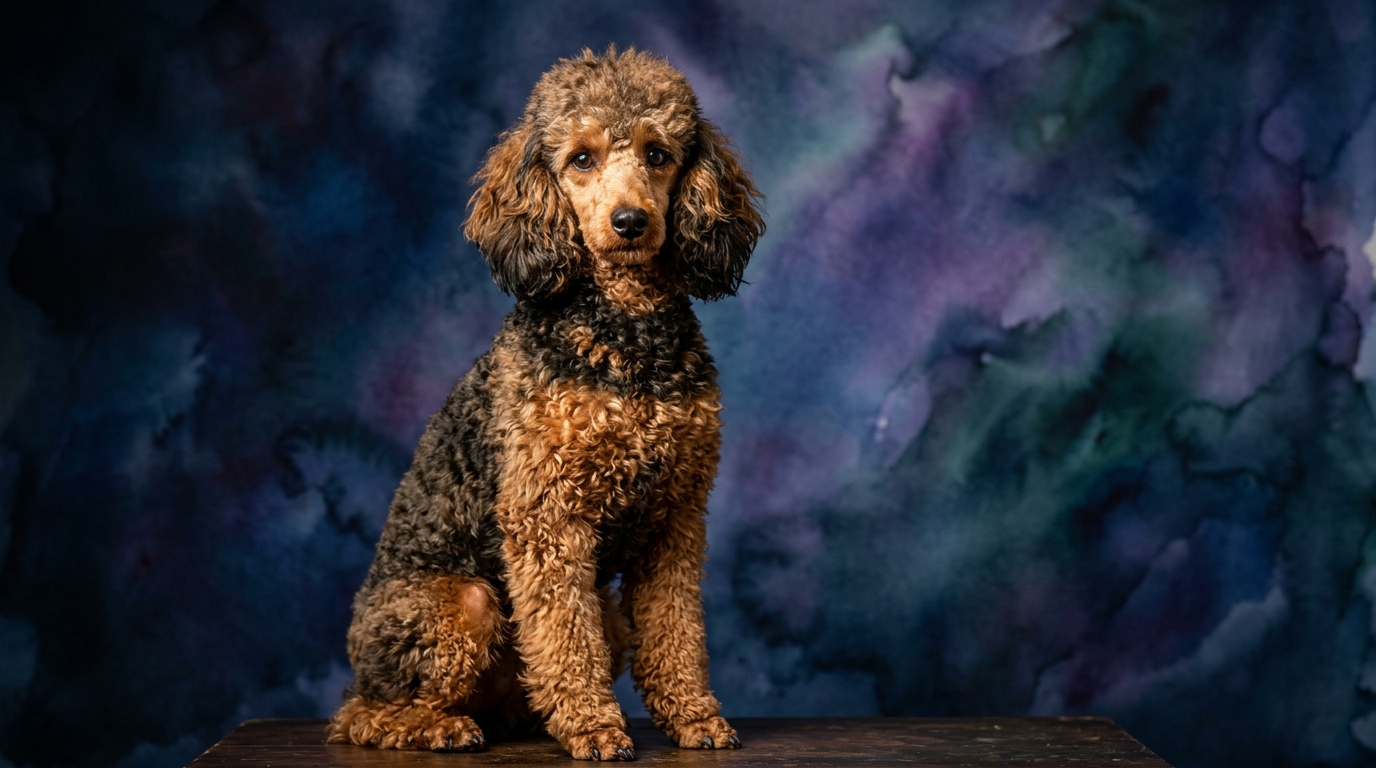
At The Cosmic Pet Pet IQ Lab, we analyze canine cognition across five key dimensions, providing a granular view of each breed's mental architecture. For the Poodle (Standard), its profile reveals a well-rounded and deeply adaptive mind. Their Problem Solving is rated 5/5, indicating an exceptional ability to navigate complex situations and adapt to new challenges with remarkable resourcefulness. Training Speed also stands at 5/5, reflecting their rapid acquisition of new commands and concepts with minimal repetition. A standout 5/5 in Social Intelligence underscores their profound capacity to understand and respond to human cues, emotions, and intentions, fostering deep interpersonal bonds. Instructive Drive is a solid 4/5, showing a versatile engagement with various tasks, while Memory, at 5/5, ensures excellent retention of learned behaviors and experiences.
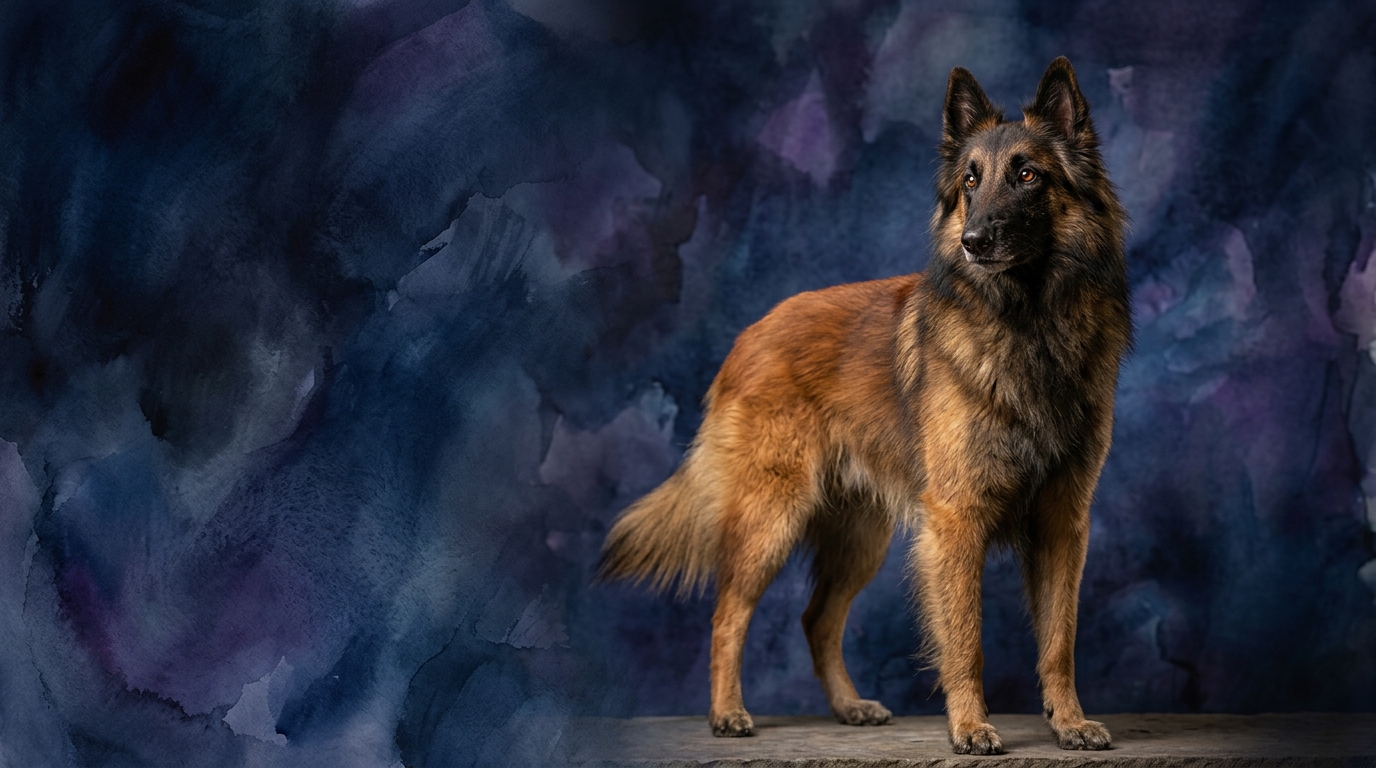
The Belgian Tervuren presents a profile built for purposeful engagement and strategic action. Like the Poodle, their Problem Solving is rated 5/5, demonstrating a keen aptitude for analytical thinking and devising effective solutions, often in dynamic environments. Their Training Speed also matches at 5/5, signifying a quick grasp of instructions and a precise execution of tasks. However, their Social Intelligence is rated 3/5, indicating a more discerning and reserved approach to social interactions, typically forming strong bonds with their primary people but being less universally gregarious. Instructive Drive stands at 3/5, reflecting a focused, often task-specific drive rooted in their herding heritage. Memory is rated 5/5, ensuring they retain complex sequences and environmental details with precision, crucial for their working roles.
Where Poodle (Standard) Excels Cognitively
The Standard Poodle's cognitive superiority primarily resides in its exceptional social intelligence, rated 5/5, and how this dimension deeply informs its problem-solving abilities. While both breeds achieve a 5/5 in problem-solving, the Poodle often leverages its profound understanding of human behavior and social dynamics to navigate challenges. This means they are not just solving puzzles in a vacuum; they are often solving 'people puzzles'—understanding what their owner wants, adapting to different personalities, and even anticipating emotional states. This high social IQ allows them to excel in roles requiring nuanced interaction, such as therapy work, where sensitivity to human emotions is paramount. Their adaptability stems from this cognitive flexibility, enabling them to thrive in diverse family structures and social settings, making them remarkably versatile companions capable of engaging with their environment on a deeply personal, relational level. This intricate blend of social awareness and problem-solving allows them to integrate seamlessly into human lives, often appearing to 'think with' their people rather than simply 'for' themselves.
Where Belgian Tervuren Excels Cognitively
The Belgian Tervuren's cognitive strengths manifest in a focused, strategic problem-solving capacity, often underpinned by its specific instinctive drives and formidable memory. While their social intelligence is rated 3/5, this isn't a deficit but rather a discerning quality, allowing them to channel their mental faculties with precision. Their 5/5 problem-solving comes to the forefront in dynamic, task-oriented scenarios, where their herding background demands anticipating movements, strategic positioning, and rapid decision-making. They excel at figuring out complex systems, often involving spatial reasoning and predicting outcomes, which is invaluable in activities like agility, obedience, or protection work. Their 3/5 instinctive drive, while not as broad as the Poodle's, is highly specific to vigilance, herding, and guarding, providing a powerful, channeled motivation for these types of cognitive challenges. This focused drive, combined with a 5/5 memory, allows them to master intricate sequences and maintain high levels of concentration over extended periods, making them exceptional partners for demanding, structured activities where precision and sustained mental effort are key. They are less about universal social adaptability and more about deep, purposeful engagement with a clear objective.
Training Dynamics: Ease and Engagement
Both the Standard Poodle and the Belgian Tervuren boast a 5/5 Training Speed, indicating that both breeds learn new commands and concepts with impressive rapidity. However, the 'ease' of training and the nature of engagement differ significantly due to their distinct social intelligence and instinctive drives. The Standard Poodle's high social intelligence (5/5) means they are often motivated by the desire to please their human companions. They are highly attuned to human feedback, making positive reinforcement incredibly effective. Training sessions with a Poodle often feel like a cooperative, joyful exchange, as they eagerly seek to understand and comply, often requiring fewer repetitions due to their strong memory and social attentiveness. They are generally forgiving of varied training approaches and adapt quickly to different trainers, making them accessible even to novice owners who are consistent and positive.
In contrast, while the Belgian Tervuren also learns quickly (5/5 Training Speed), their 3/5 social intelligence suggests a more discerning approach to interaction. Tervurens form deep bonds with their chosen person and are highly responsive to that individual, but they may be more reserved or less universally eager to please with strangers or in novel social contexts. Their problem-solving abilities mean they thrive on mental challenge and clear, consistent instruction. Training a Tervuren requires a handler who can establish clear leadership, provide consistent structure, and engage their strategic mind. If not adequately challenged or if training is inconsistent, their independent problem-solving can manifest as perceived 'stubbornness.' They demand a trainer who can match their focus and provide purpose, often excelling in structured, repetitive tasks where precision and discernment are rewarded, rather than broad social approval.
Matching Breeds to Lifestyles: Active vs. Relaxed Owners
For active owners seeking a dynamic partner, both breeds offer compelling qualities, but with different nuances. The Standard Poodle, with its 5/5 problem-solving and social intelligence, thrives on a wide range of activities, from agility and obedience to dock diving and therapy work. Their adaptability means they can excel in various dog sports, enjoying both the physical exertion and the social interaction with their owner and others. They are versatile athletes who enjoy being integrated into all aspects of an active family life, readily accompanying owners on hikes, runs, or social outings, thriving on varied mental and physical stimulation. They are equally content with a vigorous walk as they are learning complex tricks indoors.
The Belgian Tervuren is also an ideal match for active owners, but with a more specific focus. Their strategic problem-solving, coupled with their herding-rooted instinctive drive (3/5), means they excel in structured, demanding activities like protection sports, advanced obedience, agility, or herding trials. They require consistent, purposeful engagement that taps into their analytical minds and physical prowess. A Tervuren thrives when given a 'job,' and without sufficient mental and physical outlets, they can become restless or destructive. Their discerning social intelligence means they often prefer focused activity with their primary owner rather than generalized social mingling. They are less suited for owners whose idea of 'active' primarily involves casual social outings without a clear task. For relaxed owners, the Standard Poodle is generally the more adaptable choice. While they still require mental and physical engagement, their high social intelligence and adaptability allow them to adjust to a less intensely structured daily routine, provided they receive ample interaction and companionship. Their contentment is often tied to their family's presence and moderate activity. Conversely, the Belgian Tervuren is generally not suited for relaxed owners. Their cognitive profile demands consistent mental stimulation and physical exercise. A lack of purposeful activity can lead to boredom, frustration, and potential behavioral issues, as their strategic minds will find their own 'work' if not properly channeled, which may not align with a relaxed household's expectations.
The Verdict
Choose the Standard Poodle if you seek a highly adaptable, socially astute companion that thrives on versatile interaction and fits seamlessly into varied family dynamics, offering both keen intelligence and emotional attunement.
Opt for the Belgian Tervuren if you are an experienced, active owner ready to channel a focused, strategic mind into demanding tasks, appreciating a loyal partner whose intelligence shines brightest in purposeful activity and discernment.
🧠 Find Your Pet's IQ Score
Our Pet IQ Lab assessment covers 25+ tests across 5 cognitive dimensions — personalized to your breed.
Take the Full IQ Test →Frequently Asked Questions
Are Poodles good guard dogs?
Poodles, with their 4/5 instinctive drive and keen observational skills, can be alert watchdogs, quickly noticing and barking at novelties. While they are protective of their families, their high social intelligence means they are more likely to deter with barks than engage in aggressive protection.
Do Belgian Tervurens get along with other pets?
Belgian Tervurens can coexist peacefully with other pets, especially if raised together from a young age, but their herding instincts and discerning social intelligence (3/5) mean introductions should be managed carefully, particularly with smaller, fast-moving animals, and consistent supervision is often required.
What kind of mental exercise do these breeds need?
Both breeds require significant mental stimulation; Poodles benefit from puzzle toys, learning new tricks, varied social interactions, and engaging in dog sports, while Tervurens thrive on structured training, advanced obedience, agility, and tasks that engage their strategic problem-solving and herding drives, demanding a clear purpose.