Side-by-Side IQ Profile
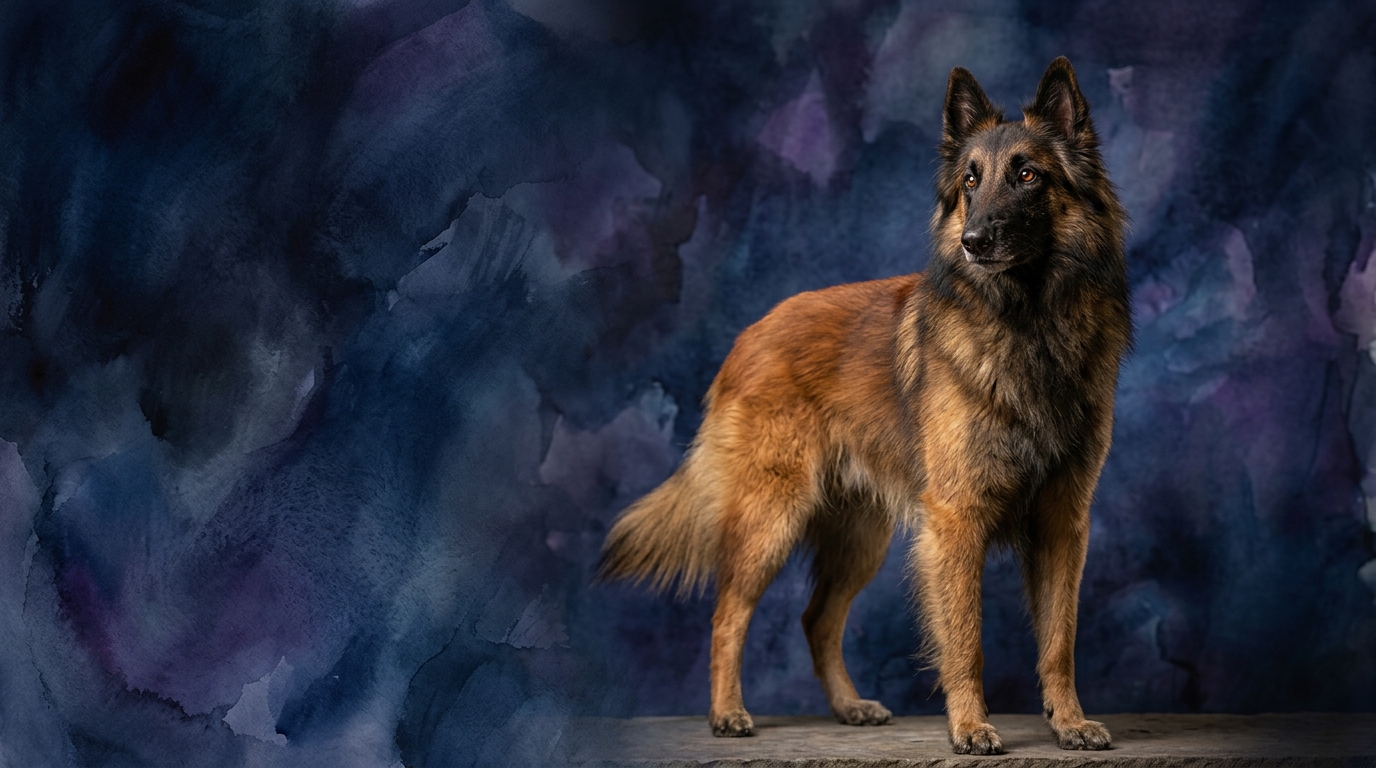
The Belgian Tervuren, a herding breed ranked 14th by Coren, exhibits exceptional cognitive prowess. Their Problem Solving is rated 5/5, indicating an outstanding ability to analyze novel situations and devise effective solutions. Training Speed also scores 5/5, signifying a remarkable capacity to grasp new commands and routines with minimal repetition. Their Memory is equally impressive at 5/5, allowing them to retain vast amounts of learned information and experiences over long periods. Social Intelligence and Instinctive Drive are rated 3/5, suggesting a balanced approach to interactions and inherent working behaviors, rather than extreme tendencies in these areas.
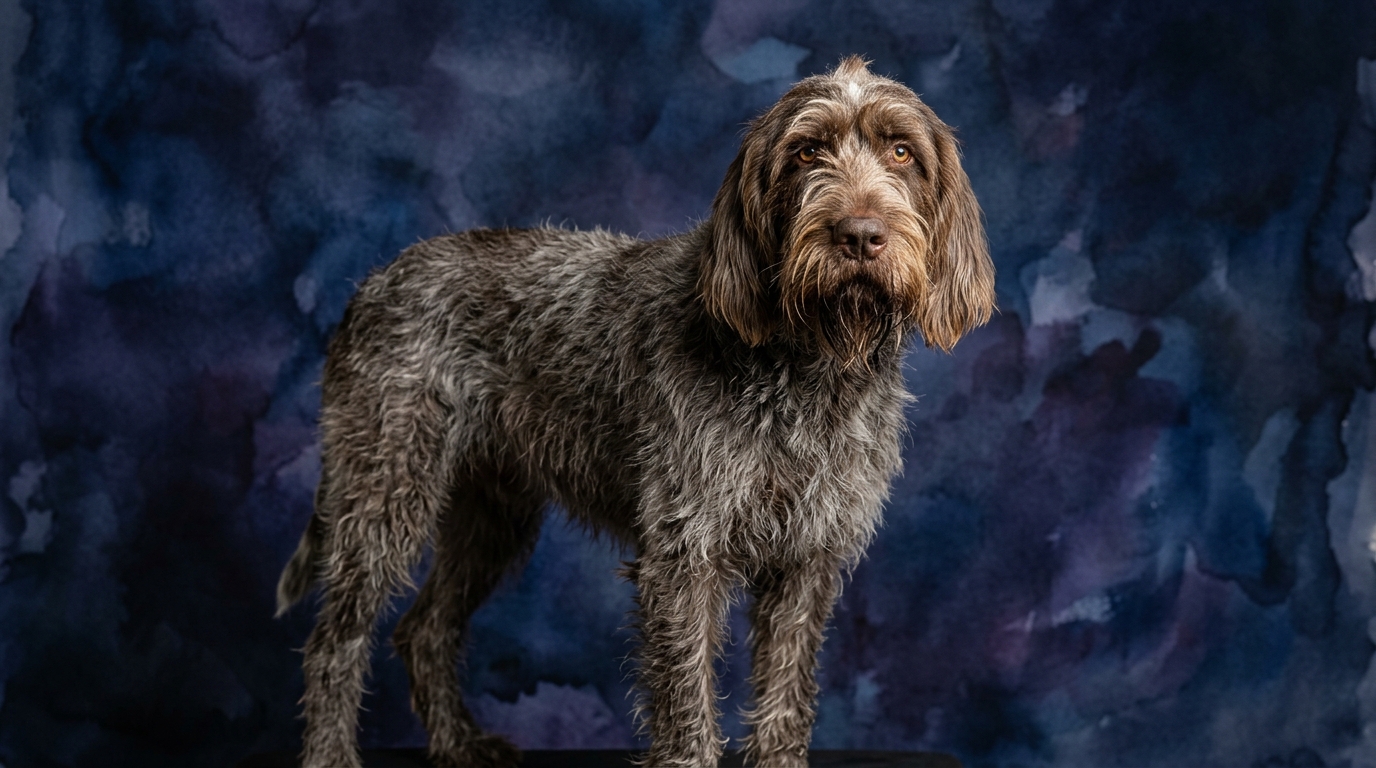
The Spinone Italiano, a Sporting breed not specifically ranked by Coren, presents a different cognitive blueprint. Across all five dimensions—Problem Solving, Training Speed, Social Intelligence, Instinctive Drive, and Memory—they consistently score 3/5. This balanced profile suggests a steady, thoughtful approach to learning and interaction, rather than the rapid acquisition seen in some breeds. While not demonstrating the specialized cognitive peaks of the Tervuren, their consistent scores indicate a reliable and adaptable mental disposition suitable for a variety of tasks and environments.
Where Belgian Tervuren Wins Cognitively
The Belgian Tervuren's cognitive strengths lie in their unparalleled speed of acquisition and retention, coupled with sophisticated problem-solving capabilities. A 5/5 in Training Speed means they absorb new commands and complex sequences almost instantaneously, often requiring only a few repetitions to master a task. This makes them exceptionally responsive in competitive obedience, agility, and protection sports, where rapid understanding and execution are paramount.
Their 5/5 Problem Solving score allows Tervurens to navigate intricate challenges with remarkable ingenuity. They are adept at figuring out puzzles, overcoming obstacles, and adapting strategies in dynamic environments, a trait honed by generations of herding work that demanded independent decision-making. This cognitive agility extends to their Memory (5/5), enabling them to recall intricate command chains, recognize familiar patterns, and remember past solutions to similar problems, making them formidable learners and performers.
Where Spinone Italiano Wins Cognitively
While the Spinone Italiano's cognitive scores are consistently 3/5, this balanced profile offers distinct advantages, particularly for certain lifestyles. Their 3/5 in Instinctive Drive suggests a moderate, less intense expression of inherent hunting behaviors compared to some high-drive sporting breeds. This means their natural instincts, while present, are often more manageable and less overwhelming in a domestic setting, making them less prone to obsessive behaviors or relentless pursuit of game.
The Spinone's steady 3/5 in Problem Solving and Training Speed indicates a thoughtful, deliberate approach to learning rather than a frantic one. This can translate into a dog that considers tasks carefully, is less likely to make impulsive errors, and builds a solid, reliable understanding over time. For owners who prefer a dog that processes information at a calmer pace and learns through patient, consistent guidance, the Spinone's cognitive style can be a distinct asset, leading to a more predictable and less frenetic training experience.
Which is Easier to Train and Why
The distinction in training ease between these two breeds is significant, rooted in their core cognitive profiles. The Belgian Tervuren, with its 5/5 Training Speed and Problem Solving, is often described as a 'quick study.' They pick up new commands with astounding rapidity, sometimes anticipating what is desired before the full cue is given. This means training sessions can be short, dynamic, and focused on advanced concepts or complex sequences, but it also demands a trainer who can keep pace and provide consistent mental stimulation to prevent boredom or the development of self-directed, potentially unwanted, behaviors. Their high memory ensures commands are retained effortlessly.
Conversely, the Spinone Italiano, with a consistent 3/5 across the board, requires a more patient and repetitive approach. They will learn, but at a moderate pace, necessitating clear, consistent cues and positive reinforcement over an extended period. Their training is less about speed and more about building a solid foundation through thoughtful repetition. Spinones are generally less inclined to outsmart their trainers or develop complex behavioral 'workarounds,' making them potentially less challenging for novice owners who might be overwhelmed by the Tervuren's intense learning capacity and need for constant cognitive engagement.
Which Suits Active Owners vs Relaxed Owners
The cognitive profiles of the Belgian Tervuren and Spinone Italiano strongly dictate their suitability for different owner lifestyles. The Belgian Tervuren, with its 5/5 Problem Solving, Training Speed, and Memory, thrives with active, experienced owners who can consistently provide extensive physical exercise and profound mental engagement. These are dogs that excel in structured activities like advanced obedience, agility, protection work, or competitive herding, requiring an owner who is equally dedicated to leveraging their significant cognitive abilities. A Tervuren without sufficient mental outlets can become bored and channel its exceptional intelligence into less desirable activities, making them a poor fit for a more relaxed home.
The Spinone Italiano, with its balanced 3/5 scores, is better suited for owners who enjoy a more moderate level of activity and appreciate a thoughtful, companionable presence. While they are a Sporting breed and enjoy outdoor excursions, their cognitive profile suggests they don't demand the same intensity of rapid-fire mental challenges as the Tervuren. They are content with regular walks, scent work, and family activities, learning at a steady pace. A relaxed owner who values consistency and a calm demeanor will find the Spinone's cognitive steadiness and less demanding mental requirements to be a harmonious match.
The Verdict
Select the Belgian Tervuren if you are an experienced, active owner seeking a highly capable canine partner for advanced training, competitive sports, or demanding working roles, prepared to meet their significant cognitive and physical needs.
Opt for the Spinone Italiano if you prefer a steady, thoughtful companion for moderate activities and a more relaxed home environment, valuing consistency and patience in training over rapid cognitive acquisition.
🧠 Find Your Pet's IQ Score
Our Pet IQ Lab assessment covers 25+ tests across 5 cognitive dimensions — personalized to your breed.
Take the Full IQ Test →Frequently Asked Questions
Does a lower IQ score mean the Spinone Italiano is less affectionate?
Not at all; social intelligence (3/5 for both breeds) relates to understanding social cues and forming bonds, not the capacity for affection. The Spinone's balanced profile often means they are very devoted and amiable companions, just with a different cognitive approach to interaction.
Can a Belgian Tervuren adapt to a less active lifestyle if given enough mental stimulation?
While Tervurens need both physical and mental outlets, their profound cognitive capacity (5/5 problem solving, memory) means intense mental challenges can partially offset some physical demands. However, a truly sedentary lifestyle will likely lead to frustration for this active herding breed.
Are there behavioral differences stemming from their 'Instinctive Drive' scores?
Yes; the Tervuren's 3/5 instinctive drive, combined with high problem solving, means their herding instincts can be keenly applied and require redirection. The Spinone's 3/5 drive implies a moderate hunting instinct that, while present, is often less intense and more readily managed in a family setting compared to some other high-drive sporting breeds.