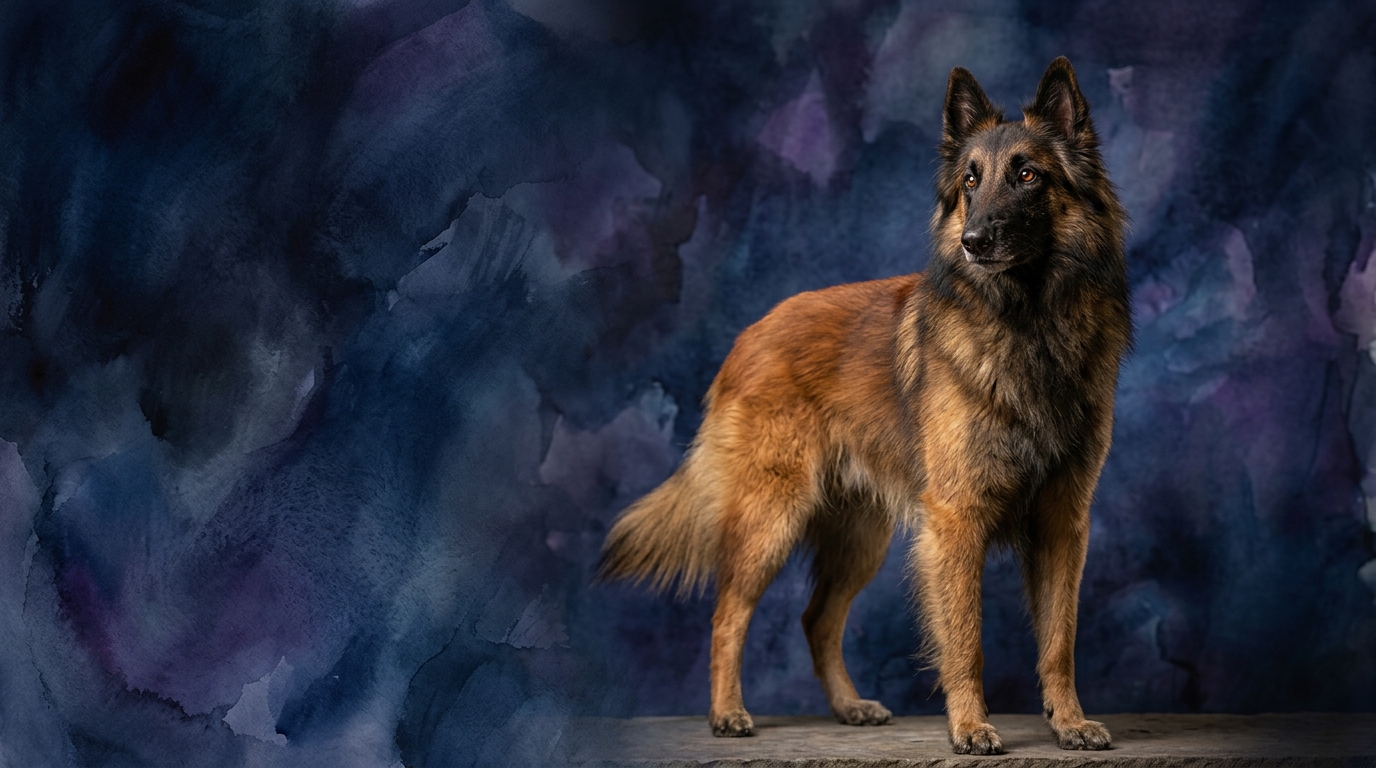

Side-by-Side Cognitive Profiles: Belgian Tervuren vs. Toy Fox Terrier
The Belgian Tervuren, holding a Coren rank of #14, exhibits a remarkable aptitude across several cognitive dimensions. Their Problem Solving is rated an exceptional 5/5, indicating an ability to effortlessly navigate complex tasks and adapt strategies to new challenges with minimal guidance. Training Speed also scores a top 5/5, meaning they absorb new commands and routines with astonishing rapidity, making them highly receptive to instruction. The Tervuren's Social Intelligence is a moderate 3/5; while they form deep, protective bonds with their primary family, they can be reserved or wary with strangers, requiring careful socialization to manage their instincts. Their Instinctive Drive, also 3/5, reflects a strong working heritage often manifested in herding behaviors or a desire for a 'job,' but it is generally manageable. Finally, their Memory is an outstanding 5/5, allowing them to recall intricate sequences, learned behaviors, and even past interactions over long periods with precision.
The Toy Fox Terrier, while not appearing on Coren's rankings, presents a unique and balanced cognitive profile. Their Problem Solving capacity is a solid 3/5; they can figure out puzzles and navigate minor obstacles, but may require more trial-and-error or human guidance for intricate tasks. Training Speed is also rated 3/5, meaning they learn at an average pace, responding well to consistent, positive reinforcement, though they might demand more patience than a faster-learning breed. The Toy Fox Terrier's Social Intelligence, like the Tervuren, is a 3/5, showing strong loyalty to their family while often being more cautious or selective with unfamiliar people and pets. Their Instinctive Drive is also 3/5, often manifesting as a keen prey drive typical of terriers, which is manageable with appropriate outlets and training. Their Memory is a reliable 3/5 for daily routines and basic commands, though they might not retain complex sequences or less frequently practiced skills with the same tenacity as a breed with a higher memory score.
Where the Belgian Tervuren Excels Cognitively
The Belgian Tervuren's cognitive superiority is most evident in its elevated Problem Solving and Memory scores. A Tervuren can rapidly assess a novel situation, such as figuring out a new multi-stage puzzle feeder or mastering an unfamiliar agility course, often requiring fewer attempts to succeed. Their exceptional memory means that once they learn a complex sequence of commands or a specific scent, they retain that information robustly over time, making them excellent candidates for advanced obedience, tracking, or protection work where consistency and recall are paramount. This breed excels at tasks demanding sequential thought and the application of learned principles to varied contexts, such as advanced behavioral chains or competitive dog sports where rapid adaptation is crucial.
Where the Toy Fox Terrier Shines Cognitively
While the Toy Fox Terrier might not match the Tervuren in sheer cognitive processing speed or retention, its balanced cognitive profile offers distinct advantages in specific contexts. Their moderate instinctive drive, combined with solid 3/5 scores in problem-solving and training speed, makes them less prone to overthinking or becoming frustrated by overly complex, high-stakes tasks. They are adept at learning the routines of a household and adapting to various social situations without the intense, constant mental stimulation demands of a high-drive herding breed. The Toy Fox Terrier's cognitive strengths lie in its ability to be a charming, adaptable companion that learns what's needed for a comfortable life, without the potential for anxiety or destructive behaviors that can arise from under-stimulated, higher-drive breeds. Their social intelligence, being on par with the Tervuren, ensures they are discerning in their affections, valuing their inner circle deeply and providing focused companionship.
Training Aptitude: Which Breed is Easier?
For complex tasks and competitive dog sports, the Belgian Tervuren is unequivocally easier to train, primarily due to its 5/5 scores in both Training Speed and Problem Solving. A Tervuren absorbs new commands with astonishing rapidity, often understanding a new cue after just a few repetitions, and can then apply that learning to varied scenarios. For instance, teaching a Tervuren a multi-step retrieve or a complex agility sequence will likely proceed much faster, as they not only grasp the individual components quickly but also link them together efficiently. Their exceptional memory ensures that once a behavior is learned, it's rarely forgotten, fostering consistent performance over time. In contrast, the Toy Fox Terrier, with 3/5 in both Training Speed and Problem Solving, requires more patience and repetition. While capable of learning a wide array of commands, they will typically need more practice sessions to achieve the same level of fluency and reliability, and might take longer to generalize a learned behavior to different environments. Their learning style is more about consistent reinforcement and clear communication rather than rapid cognitive leaps, though their terrier tenacity can be a factor.
Lifestyle Suitability: Active vs. Relaxed Owners
The cognitive profiles of these two breeds clearly delineate their suitability for different lifestyles. The Belgian Tervuren, with its high problem-solving capacity, rapid training speed, and strong memory, thrives with active owners who are prepared to engage them in challenging, consistent mental and physical activities. They excel in dog sports like agility, obedience, protection work, or even search and rescue, requiring an owner dedicated to providing structured 'work' to channel their cognitive prowess. Without sufficient mental stimulation and a clear sense of purpose, a Tervuren can become bored or anxious, potentially leading to undesirable behaviors as they invent their own 'jobs' to occupy their minds. Conversely, the Toy Fox Terrier is a better match for more relaxed owners. While they certainly enjoy playtime and daily walks, their moderate cognitive demands mean they are content with a less rigorous schedule of intense mental challenges. They enjoy being involved in family activities and appreciate consistent interaction but don't require the same intensity of structured training or problem-solving tasks. An owner who enjoys daily walks and some casual training, but isn't looking for a dog to compete at advanced levels, would find the Toy Fox Terrier's cognitive needs more aligned with their lifestyle, offering a spirited yet manageable companion.
The Verdict
Choose the Belgian Tervuren if you are an experienced, active owner eager to engage in advanced dog sports or demanding working roles, seeking a partner that thrives on complex mental challenges and rapid learning.
Opt for the Toy Fox Terrier if you desire a spirited, loyal companion with manageable cognitive needs, perfect for a relaxed family environment where consistent, positive reinforcement will yield a well-adjusted pet.
🧠 Find Your Pet's IQ Score
Our Pet IQ Lab assessment covers 25+ tests across 5 cognitive dimensions — personalized to your breed.
Take the Full IQ Test →Frequently Asked Questions
Does a Belgian Tervuren's high memory mean they hold grudges?
Not exactly holding grudges, but their exceptional memory means they vividly recall past interactions, both positive and negative. Consistent positive experiences are crucial for building trust and ensuring they remember you as a reliable, benevolent leader, rather than dwelling on mistakes.
Can a Toy Fox Terrier learn tricks despite a lower training speed score?
Absolutely, a Toy Fox Terrier can learn many tricks! While their training speed is moderate, consistent, positive reinforcement and shorter, engaging sessions will help them master a variety of commands and fun tricks effectively, though it might take a bit more time and repetition than with a Tervuren.
How does the Instinctive Drive score affect daily life for these breeds?
For the Tervuren, their 3/5 drive might mean they attempt to 'herd' children or other pets, requiring redirection and appropriate outlets. For the Toy Fox Terrier, their 3/5 drive often manifests as a strong prey instinct, meaning they might chase small animals, necessitating secure leashes and yards to prevent escapes and ensure safety.