Side-by-Side IQ Profile
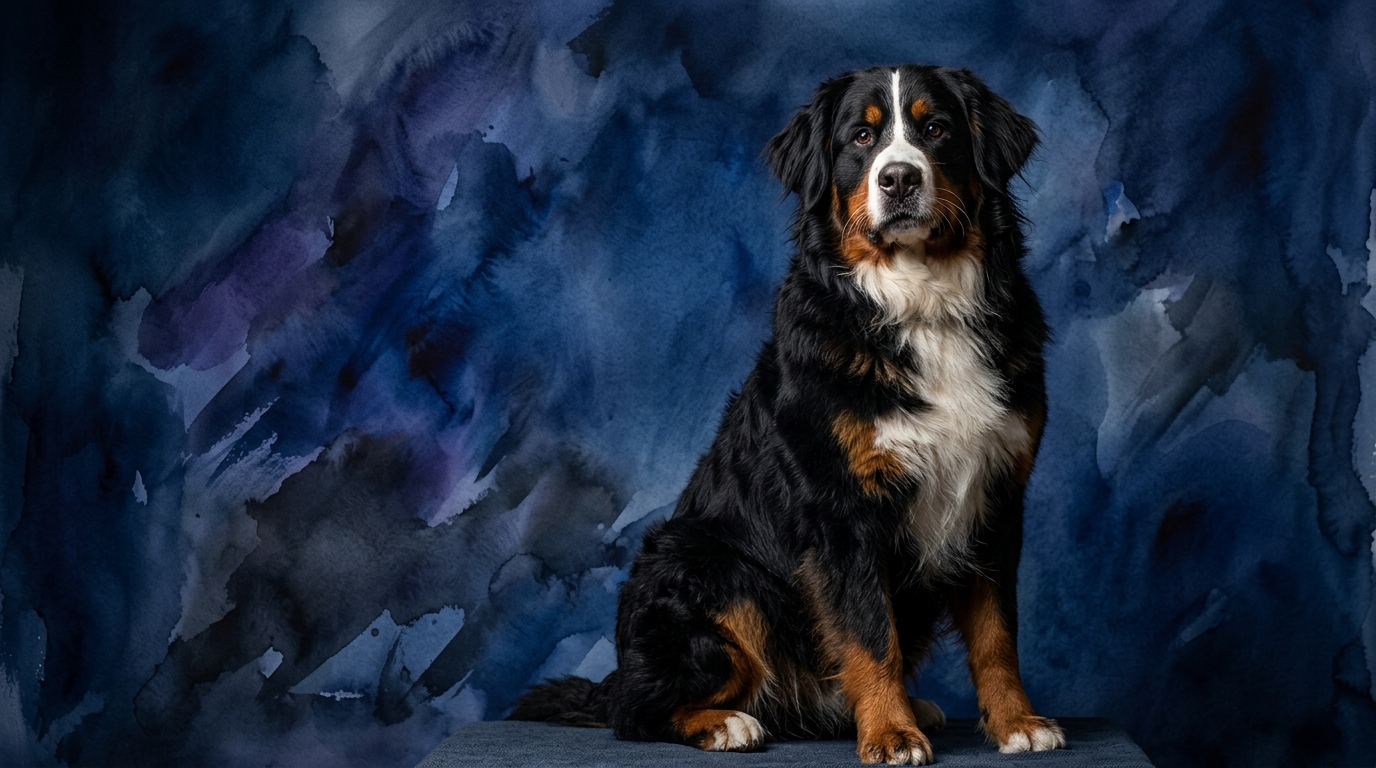
The Bernese Mountain Dog, a robust member of the Working Group, registers a commendable Coren rank of #27, indicating a solid capacity for learning and obedience. Their Problem Solving ability is rated 3/5, suggesting a moderate aptitude for navigating novel situations. They excel in Training Speed at 4/5, grasping new commands with relative ease. A standout feature is their Social Intelligence, scoring a perfect 5/5, which underscores their profound connection with humans and keen understanding of social cues. Their Instinctive Drive is 4/5, often channeled into devoted companionship and watchful guardianship, complemented by a Memory score of 3/5 for retaining learned behaviors and routines.
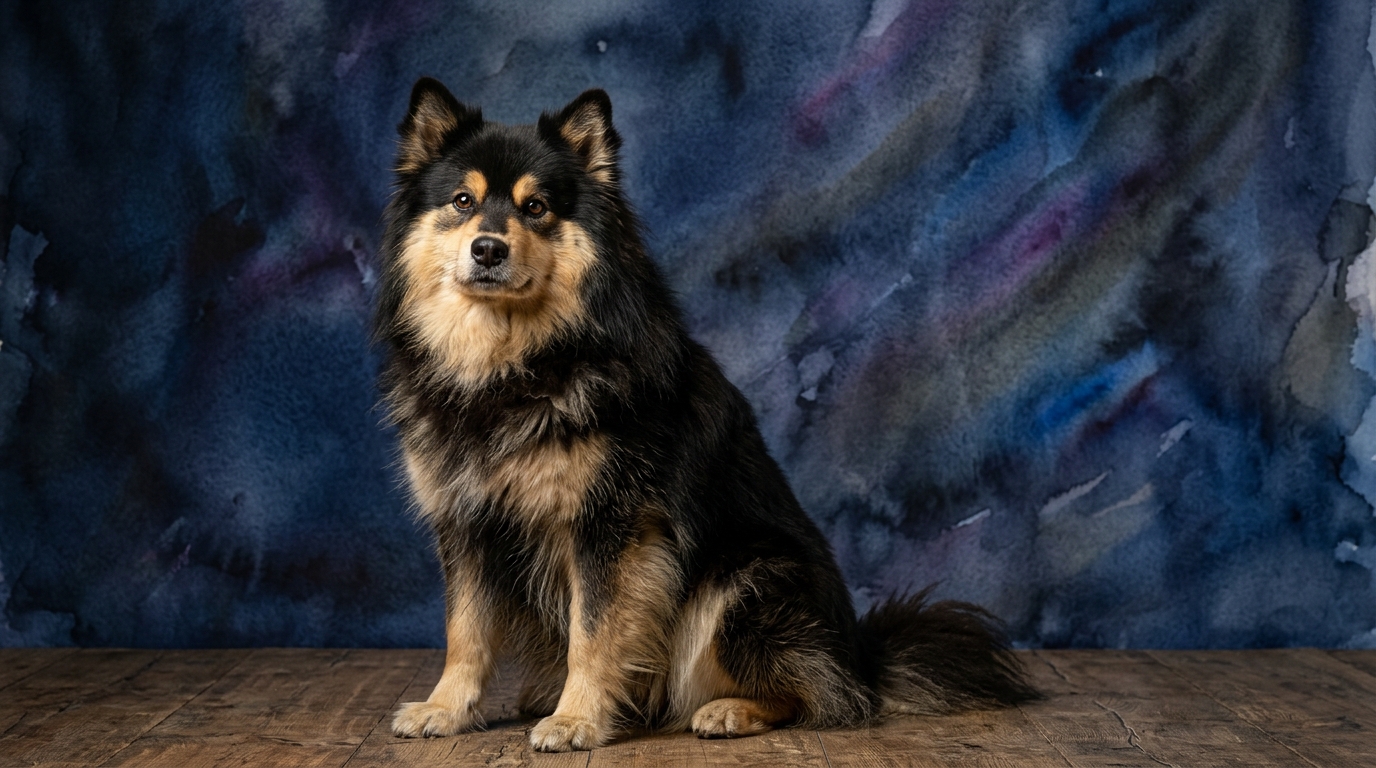
The Finnish Lapphund, a resilient Herding breed, is not featured on Coren's traditional obedience-focused ranking, yet possesses a specialized cognitive profile honed by centuries of herding reindeer in the demanding Nordic landscapes. Their Problem Solving ability matches the Bernese at 3/5, reflecting a similar capacity for independent thought when faced with environmental challenges. Their Training Speed is 3/5, indicating a steady learning pace that benefits from consistent and engaging methods. Social Intelligence is rated 3/5, signifying strong bonds within their immediate family but a potentially more reserved demeanor with strangers compared to the Bernese. An Instinctive Drive of 3/5 is evident in their natural inclination to herd and patrol, while their Memory, also 3/5, serves them well for recalling locations and learned tasks.
Where Bernese Mountain Dog Wins Cognitively
The Bernese Mountain Dog's cognitive profile showcases clear advantages, particularly in areas that foster deep human companionship and structured learning. Their paramount strength lies in their Social Intelligence, a perfect 5/5, which translates into an exceptional ability to read human emotions, respond to subtle cues, and form profound, intuitive bonds with their families. This makes them remarkably empathetic companions, often excelling in roles requiring sensitivity, such as therapy work, where their calm demeanor and understanding of human needs are paramount. Coupled with a Training Speed of 4/5, the Bernese typically grasps new commands and routines with impressive alacrity, making them highly receptive to obedience training and eager to participate in cooperative tasks. Their moderate Problem Solving (3/5) is often applied within the context of pleasing their human partners, demonstrating a desire to understand and fulfill expectations rather than purely independent exploration.
Where Finnish Lapphund Wins Cognitively
While the Finnish Lapphund's IQ scores might appear more moderate across the board, their cognitive “wins” emerge from the specific demands of their herding heritage. Their Problem Solving ability, rated 3/5, is intrinsically linked to navigating complex, dynamic situations in vast, often unpredictable landscapes, such as guiding reindeer herds. This means their problem-solving often manifests as resourcefulness and adaptability in natural environments, requiring independent decision-making rather than solely relying on human direction. Their Instinctive Drive, at 3/5, is a specific and potent force, driving them to observe, patrol, and manage their “flock” (be it reindeer or family members) with a vigilant focus that requires sustained attention and strategic thinking. This independent streak and environmental awareness, while sometimes presenting training challenges, are profound cognitive assets for navigating the world with self-reliance and acute sensory perception, allowing them to excel in activities requiring agility, endurance, and cleverness in varied terrains.
Which is Easier to Train and Why
Comparing the ease of training between these two breeds reveals distinct approaches stemming from their core cognitive strengths. The Bernese Mountain Dog, with a Training Speed of 4/5 and an outstanding Social Intelligence of 5/5, generally proves easier to train for obedience and companion roles. Their innate desire to connect with and please their human family makes them highly motivated learners; they thrive on positive reinforcement and clear communication, quickly associating commands with actions. Their keen ability to read social cues allows them to anticipate expectations, often resulting in fewer repetitions needed to solidify a new behavior. Conversely, the Finnish Lapphund's Training Speed of 3/5 and Social Intelligence of 3/5 suggest a different training journey. While certainly capable learners, their herding background fosters a degree of independent thought and a less inherent “people-pleasing” drive. They might require more patient, consistent, and creative training methods, often responding well to reward-based systems that tap into their natural instincts, such as scent work or agility, which appeal to their problem-solving nature and physical prowess. Their independence means they might question commands or seek alternative solutions, requiring an owner who understands how to channel their cleverness rather than suppress it.
Which Suits Active Owners vs Relaxed Owners
The choice between these breeds also hinges significantly on an owner's lifestyle regarding activity levels. Bernese Mountain Dogs, despite their “Working” classification and an Instinctive Drive of 4/5, often adapt well to families seeking a moderately active companion. They certainly require regular exercise, including walks and playtime, but once their needs are met, their high Social Intelligence (5/5) means they are content to be close to their humans, often settling into a relaxed family routine indoors. They are excellent for owners who enjoy consistent, moderate outdoor activities and value a deeply connected, calm presence at home. The Finnish Lapphund, however, with its Herding group background and an Instinctive Drive of 3/5, while not extreme, typically demands a more active and engaging lifestyle. Their cognitive makeup, geared towards managing flocks and navigating challenging environments, means they possess significant stamina and a persistent need for mental and physical stimulation. They thrive with owners who are committed to daily vigorous exercise, such as long hikes, jogging, or dog sports like agility, flyball, or herding trials, which tap into their problem-solving and instinctive drives. A relaxed owner who cannot provide sufficient outlets for their energy and intellect might find a Lapphund becoming restless or developing undesirable behaviors.
The Verdict
Choose the Bernese Mountain Dog if you prioritize a deeply empathetic, highly trainable companion eager to please, thriving on strong human connection and a moderately active lifestyle.
Opt for the Finnish Lapphund if you seek an independent, adaptable, and clever partner for an active lifestyle, ready to engage in mentally stimulating activities and outdoor adventures.
🧠 Find Your Pet's IQ Score
Our Pet IQ Lab assessment covers 25+ tests across 5 cognitive dimensions — personalized to your breed.
Take the Full IQ Test →Frequently Asked Questions
How do their problem-solving abilities compare in everyday situations?
Both breeds score 3/5 for problem-solving, but it manifests differently; the Bernese might focus on understanding human expectations, while the Lapphund often applies its intellect to navigating environmental challenges or herd management. The Lapphund's problem-solving is often more independent and resourceful in varied outdoor settings.
What does the Bernese Mountain Dog's high social intelligence mean for a family?
A Bernese Mountain Dog's 5/5 social intelligence means they are exceptionally attuned to human emotions and social dynamics, fostering deep, intuitive bonds with family members and often making them excellent therapy or emotional support animals. They thrive on being an integral part of family life and generally interact well with children and other pets.
Is the Finnish Lapphund's herding instinct a challenge for pet owners?
The Finnish Lapphund's instinctive drive, even at 3/5, includes a strong herding component, which can manifest as nipping at heels or attempting to "herd" family members, especially children or other pets. This instinct requires consistent training and appropriate outlets, like herding games or designated play, to manage effectively in a pet home.