The Cosmic Pet IQ Lab: German Shepherd vs. Bernese Mountain Dog Cognitive Profiles
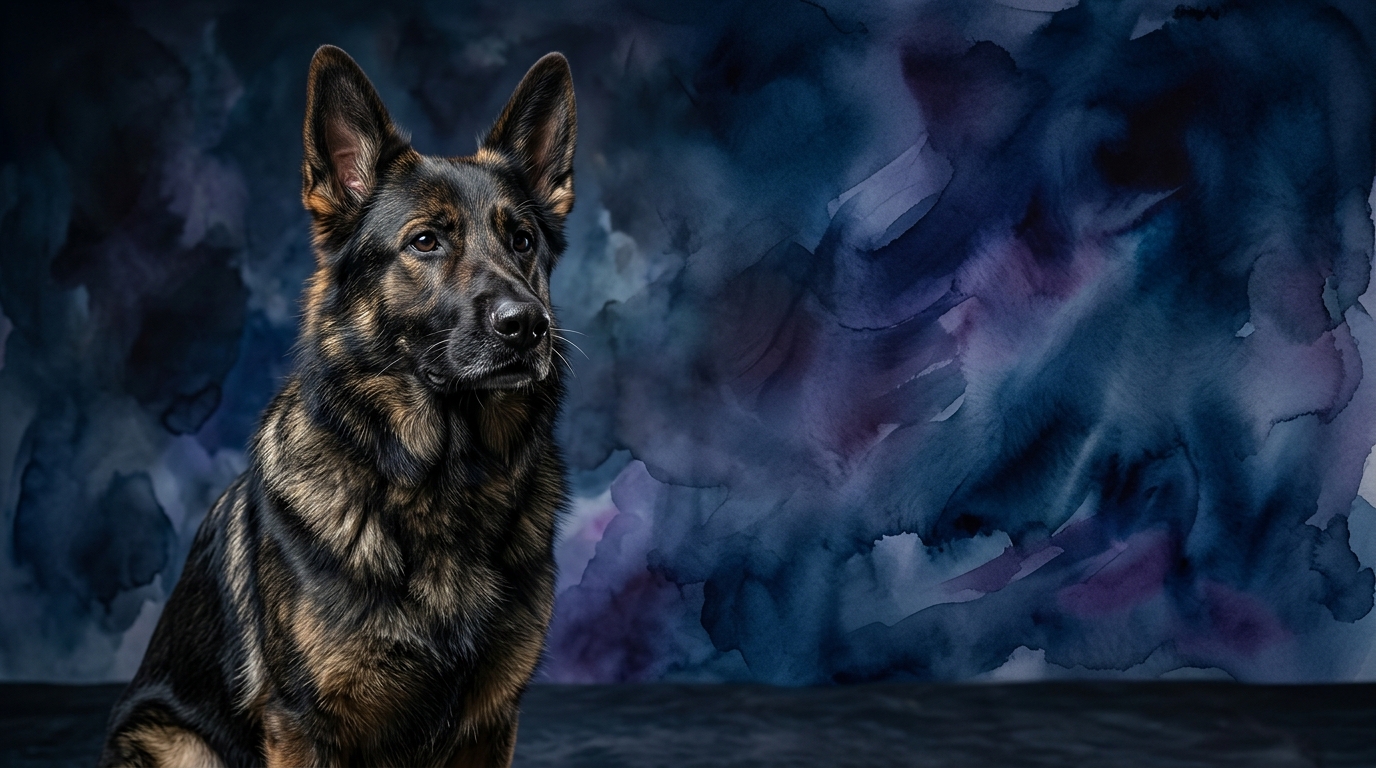
The German Shepherd stands as a formidable cognitive powerhouse, ranked #3 by Stanley Coren for working and obedience intelligence, reflecting its comprehensive intellectual capabilities. Our Pet IQ Lab assessment scores this breed 5/5 across all five dimensions: problem solving, training speed, social intelligence, instinctive drive, and memory. This means they possess an exceptional capacity for strategic thinking, rapid assimilation of complex commands, nuanced understanding of human cues, a profound motivation to engage in purposeful activities, and an impressive ability to retain learned information over time. Their herding and protection dog heritage is deeply ingrained in this versatile cognitive makeup, enabling them to excel in diverse demanding roles.
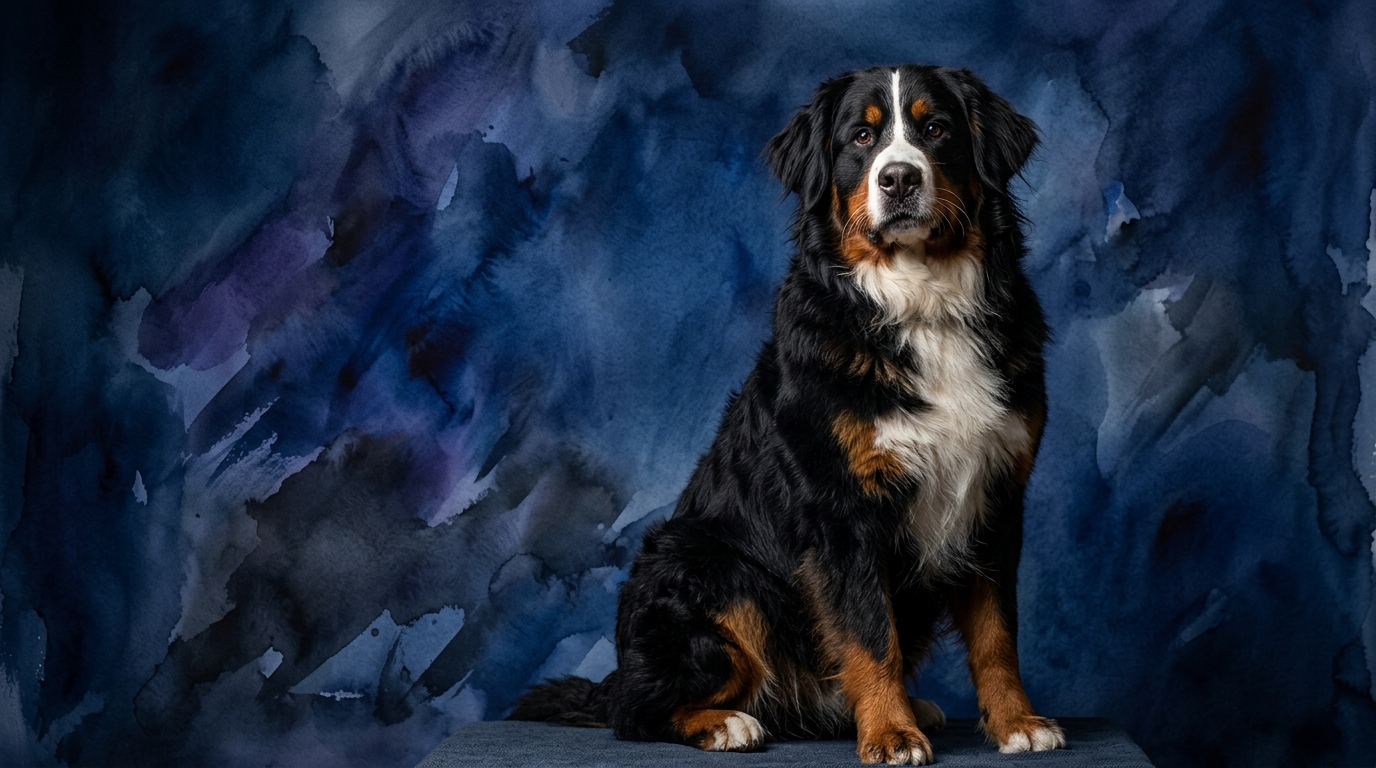
In contrast, the Bernese Mountain Dog, while equally cherished, presents a different cognitive profile, ranked #27 by Coren. Our lab scores them 3/5 for problem solving, 4/5 for training speed, 5/5 for social intelligence, 4/5 for instinctive drive, and 3/5 for memory. This indicates a more moderate approach to independent problem-solving and a slightly slower, though still capable, learning pace. Their 5/5 social intelligence highlights a deep emotional connection and understanding of their human companions, a hallmark of their historical role as farm dogs working closely alongside families. Their instinctive drive is present but less intense, and their memory, while sufficient for daily life, may require more reinforcement for complex sequences.
German Shepherd's Cognitive Edge: Precision and Purpose
The German Shepherd's unmatched 5/5 in problem solving and training speed provides a distinct cognitive advantage, making them exceptionally adept at navigating complex scenarios and acquiring new skills with remarkable efficiency. Their mind is wired for analytical thought, enabling them to quickly assess novel situations, devise effective strategies, and execute solutions, whether it's tracking a scent or maneuvering through an agility course. This rapid processing capability means they can grasp intricate commands and multi-step tasks after minimal repetitions, making them highly responsive partners in various working disciplines.
Further bolstering their cognitive prowess are their 5/5 scores in instinctive drive and memory. This profound drive isn't merely about physical energy; it signifies an innate motivation to engage with purpose, to work, and to achieve objectives, fostering sustained focus during demanding tasks. Coupled with their exceptional memory, German Shepherds can recall extensive repertoires of commands, learned behaviors, and past experiences with precision. This allows for consistent performance and the ability to build upon previous training, supporting their role in advanced obedience, protection work, and service dog capacities where reliability and recall are paramount.
Bernese Mountain Dog's Strengths: Affable Acumen and Steady Disposition
While the German Shepherd excels in rapid, independent problem-solving, the Bernese Mountain Dog's cognitive strengths lean into areas of steady companionship and profound social attunement. Their 5/5 Social Intelligence means they possess an exceptional capacity to read and respond to human emotions, offering a calming and empathetic presence that is a cornerstone of their appeal as family dogs. This isn't merely about being friendly; it's a sophisticated ability to integrate seamlessly into a household's emotional landscape, often anticipating needs or offering comfort without explicit prompts, making them exceptionally intuitive companions.
The Bernese Mountain Dog's moderate scores in areas like Problem Solving (3/5) and Instinctive Drive (4/5) can be a significant cognitive advantage within a family setting. Their less intense drive for independent strategizing means they are generally less inclined to create their own 'jobs' if not consistently tasked, leading to fewer destructive behaviors born of intense boredom or a need for constant mental puzzles. Their historical role as draft and farm dogs fostered a cooperative, steady temperament, reflecting a cognitive makeup that prioritizes harmonious presence and reliability over a relentless pursuit of independent action, which many owners find deeply appealing.
Training Trajectories: German Shepherd's Efficiency vs. Bernese Mountain Dog's Steadfastness
The German Shepherd, with its 5/5 scores in Training Speed, Problem Solving, and Memory, is a highly efficient learner, often considered a trainer's dream for complex tasks. They grasp new concepts and commands with remarkable speed, requiring minimal repetition to solidify behaviors and generalize them to various environments. Their high instinctive drive means they are typically eager to engage in training, viewing it as a stimulating and purposeful activity that fulfills their innate need to work. This combination makes them exceptionally responsive to advanced obedience, competitive dog sports, and specialized working roles, thriving on the mental challenge.
Conversely, the Bernese Mountain Dog, scoring 4/5 in Training Speed and 3/5 in Problem Solving, will benefit from a more patient, consistent, and reward-based training approach. While they are willing and generally cooperative, their processing speed for new commands and intricate sequences is not as rapid as the GSD's. More repetitions and clear, positive reinforcement are essential to embed new behaviors into their memory (3/5 score). Their strong social intelligence means they respond well to clear, kind communication, but owners should be prepared for a slightly longer learning curve, focusing on consistency to build lasting habits rather than expecting instant mastery.
Lifestyle Alignment: Matching Canine Cognition to Owner Activity Levels
The German Shepherd's cognitive profile, characterized by intense instinctive drive, superior problem-solving, and a need for constant mental engagement, aligns perfectly with active, experienced owners. Their 5/5 problem-solving and memory capacities demand regular, stimulating activities that go beyond mere physical exercise. Owners who enjoy dog sports, advanced obedience, protection work, extensive hiking, or even professional working roles will find a GSD a willing, capable, and enthusiastic partner, thriving on purpose and mental challenges. Without sufficient intellectual and physical outlets, their cognitive energy can manifest as boredom, leading to undesirable behaviors.
The Bernese Mountain Dog, with a slightly lower instinctive drive and moderate problem-solving, is better suited for owners seeking a robust, affectionate companion who appreciates family time and moderate activity. They enjoy regular walks, playing in the yard, and participating in family outings, but their cognitive needs are less demanding than the GSD's. They are generally content with a steady routine and thrive on social interaction (5/5 social intelligence) and companionship rather than constant, intense mental work. This makes them an excellent fit for relaxed but consistently engaged households that can provide consistent attention and moderate exercise without the need for high-intensity cognitive tasks.
The Verdict
Opt for a German Shepherd if you are an experienced, active owner seeking a highly trainable partner for complex tasks, dog sports, or a demanding working role, and can provide consistent mental and physical stimulation.
Select a Bernese Mountain Dog if you desire a steadfast, socially attuned family companion who thrives on moderate activity, consistent positive reinforcement, and a strong bond within a loving household.
🧠 Find Your Pet's IQ Score
Our Pet IQ Lab assessment covers 25+ tests across 5 cognitive dimensions — personalized to your breed.
Take the Full IQ Test →Frequently Asked Questions
Which breed is generally better with young children?
The Bernese Mountain Dog's steady temperament and high social intelligence often make them a patient and gentle companion for children, provided they are well-socialized and supervised. German Shepherds can also be excellent family dogs, but their intense drive and need for structure mean they require more careful management and training around very young children to ensure harmonious interactions.
Does the Bernese Mountain Dog's lower problem-solving score mean it isn't smart?
Not at all. A 3/5 in problem-solving simply indicates they may not independently seek out complex mental challenges or solve intricate puzzles as quickly or frequently as a breed scoring 5/5. Their cognitive strengths lie more in their social understanding, their cooperative spirit, and their ability to follow routines and commands faithfully, rather than in constant independent strategizing.
Which breed requires more exercise to prevent destructive behaviors?
The German Shepherd typically requires significantly more mental and physical exercise to prevent boredom and potential destructive behaviors, owing to their high instinctive drive and problem-solving capacity. Bernese Mountain Dogs need regular, moderate exercise, but their lower drive means they are often more content with less intense activity compared to a GSD, though consistent engagement is still crucial.