A Side-by-Side Look at Their Cognitive Profiles
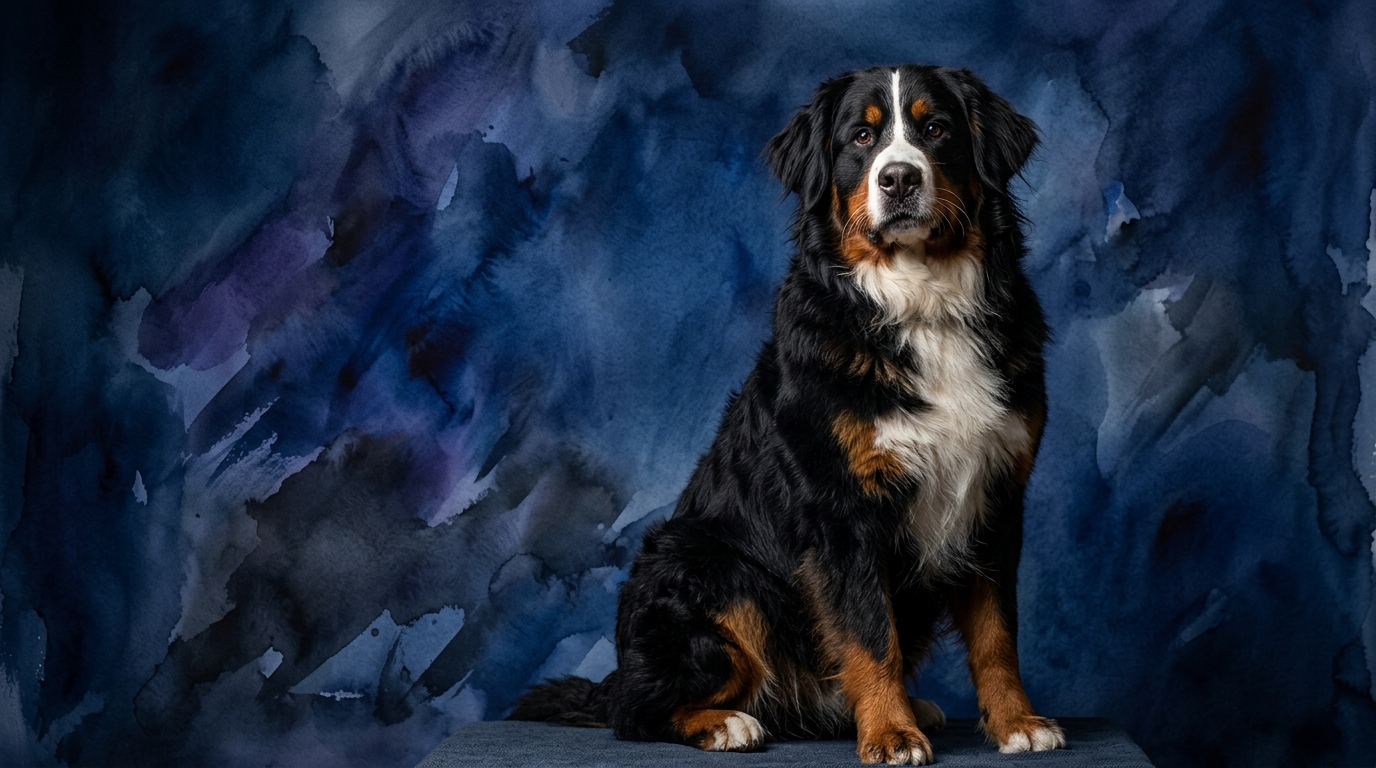
The Cosmic Pet Pet IQ Lab employs a five-dimensional framework to assess canine intelligence, offering a nuanced view beyond simplistic 'smartness' rankings. For the Bernese Mountain Dog, a Working group stalwart, we observe a Problem Solving score of 3/5, indicating a moderate capacity for independent thought in novel situations. Their Training Speed is 4/5, suggesting a good pace for learning new commands, while their Social Intelligence shines at 5/5, highlighting exceptional empathy and understanding of human emotion. An Instinctive Drive of 4/5 reflects their history as farm dogs, capable of a range of tasks, and their Memory stands at 3/5, suitable for retaining routine information.
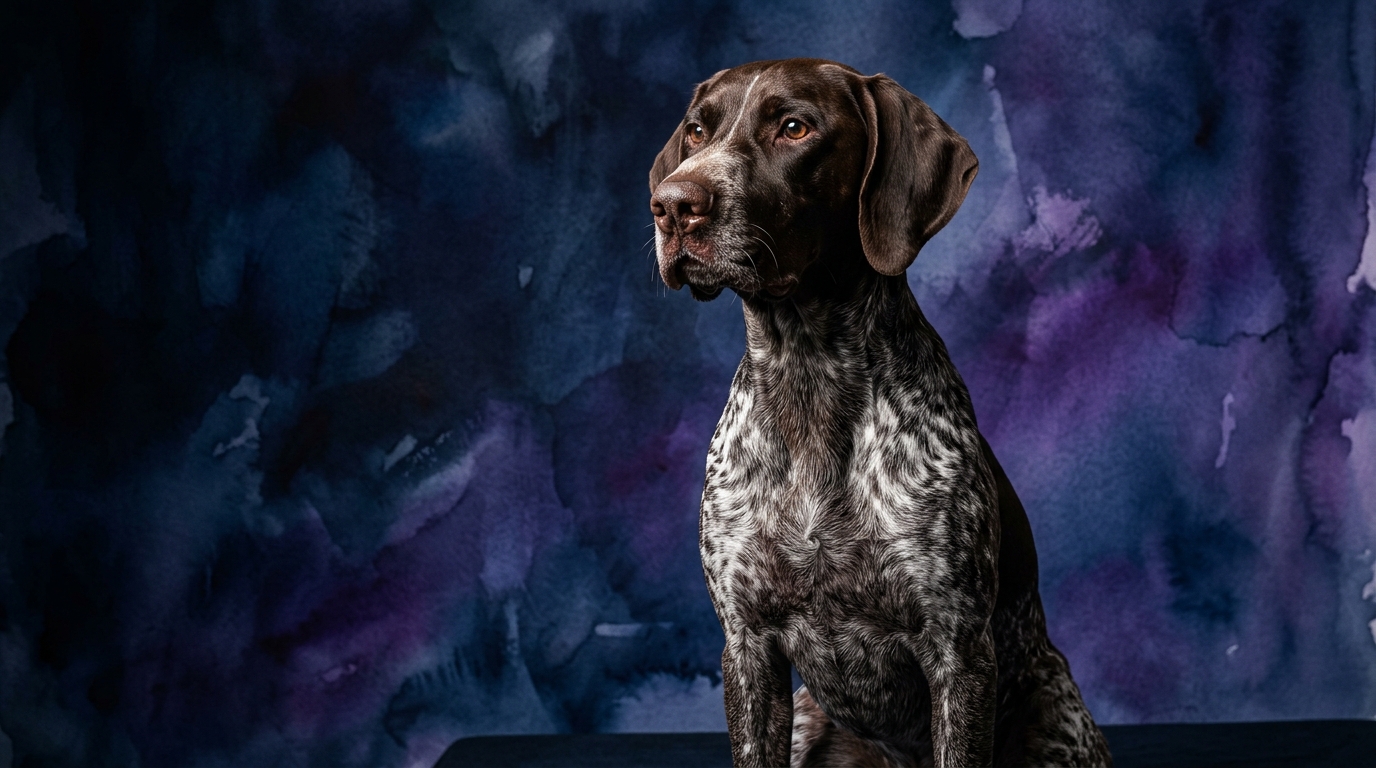
In contrast, the German Shorthaired Pointer, a dynamic Sporting breed, presents a distinct cognitive blueprint. Their Problem Solving capability is a robust 5/5, demonstrating a keen aptitude for navigating complex environments and figuring out solutions independently. Training Speed matches the Bernese at 4/5, indicating efficiency in absorbing new lessons. However, their Social Intelligence is 4/5, a strong score but slightly less pronounced than the Bernese. The GSP's Instinctive Drive is a commanding 5/5, a testament to their deep-seated prey drive and desire to work. Their Memory is also rated higher at 4/5, suggesting a stronger capacity for recall and retention of varied information, particularly useful in field work.
Coren's ranking further distinguishes these breeds; the German Shorthaired Pointer holds the 17th position, often associated with a quicker grasp of new commands and higher obedience, whereas the Bernese Mountain Dog ranks 27th, still within the top tier but indicating a different primary cognitive focus. These rankings align with our IQ metrics, painting a picture of two distinct cognitive styles.
Where the Bernese Mountain Dog Shines Cognitively
The Bernese Mountain Dog's cognitive zenith lies in its unparalleled Social Intelligence, scoring a perfect 5/5. This isn't merely about being 'friendly'; it's a deep-seated capacity to read human emotions, respond with empathy, and form profound bonds. A Bernese will often anticipate your needs, offering comfort during distress or joining in quiet companionship without explicit command. This high social acumen makes them exceptional therapy dogs, naturally attuned to the subtle cues of those in need, providing emotional support with an almost innate understanding. Their moderate Problem Solving (3/5) means they might not figure out complex puzzles independently, but their social intuition allows them to excel in collaborative tasks, eagerly working alongside their human partners. This strength contributes significantly to their role as devoted family companions, fostering harmonious household environments through their perceptive nature and desire for connection.
Where the German Shorthaired Pointer Excels Cognitively
The German Shorthaired Pointer demonstrates superior cognitive prowess in areas demanding independent thought, drive, and retention. Their Problem Solving score of 5/5 means they are adept at navigating obstacles, discovering new routes, and figuring out how to achieve objectives, whether it's retrieving a hidden toy or locating game in a field. This high capacity for independent problem-solving makes them exceptionally adaptable and resourceful. Coupled with an Instinctive Drive of 5/5, they possess an unwavering focus and motivation, particularly for tasks involving scent work, retrieval, and endurance. This drive isn't just about energy; it's a mental fortitude that allows them to push through challenges and maintain concentration over long periods. Their Memory, rated at 4/5, supports this by enabling them to recall complex sequences of commands, remember specific locations, or retain intricate scent profiles, which is crucial for their sporting heritage. This combination of traits renders them outstanding in activities requiring sustained mental engagement and physical exertion, such as hunting, agility, or competitive obedience.
Training Aptitude: Speed vs. Substance
Both the Bernese Mountain Dog and the German Shorthaired Pointer share an impressive Training Speed of 4/5, suggesting neither breed is inherently 'harder' to teach new commands quickly. However, the *nature* of their training and the *ease* of achieving consistent performance differ due to their other cognitive strengths. The Bernese, with its superior Social Intelligence, often responds well to positive reinforcement rooted in praise and connection. They are eager to please their beloved humans, making foundational obedience a relatively smooth process. While they learn commands efficiently, their moderate Problem Solving and Memory might mean that complex, multi-step tasks or those requiring independent decision-making in novel situations could require more repetitive practice or simplified steps. Their training success often hinges on the strength of the human-canine bond and clear, gentle instruction, leveraging their desire for social harmony rather than high-octane drive.
The German Shorthaired Pointer, conversely, combines its 4/5 Training Speed with a 5/5 Problem Solving ability and a 4/5 Memory. This means they not only learn quickly but also grasp the *concept* behind the command and can apply it in varying contexts with greater independence. Their high Instinctive Drive (5/5) means they are profoundly motivated by tasks that tap into their innate prey drive, such as fetch, scent work, or retrieving. While this makes them formidable working partners, it also means their training must be engaging, consistent, and provide ample mental and physical outlets to prevent boredom or destructive behaviors. For a GSP, training isn't just about learning cues; it's about channeling their immense drive and cognitive capacity into productive activities. Their ability to recall complex information and solve problems on the fly makes them excel in advanced obedience, field trials, and agility, often requiring less repetition for intricate tasks once the concept is understood.
Matching Canine Cognition to Lifestyle: Active vs. Relaxed Owners
The distinct cognitive profiles of these two breeds naturally align with different owner lifestyles. The Bernese Mountain Dog, with its exceptional Social Intelligence and moderate Instinctive Drive, is often an ideal fit for more relaxed owners or families seeking a deeply connected companion. While they still require regular exercise to maintain physical health, their mental stimulation needs are often met through companionship, interactive play, and being an integral part of family activities. Their lower Problem Solving and Memory scores mean they thrive in predictable routines and find comfort in close human interaction rather than needing constant complex challenges. They are content to observe and participate in the calm rhythms of a household, making them excellent partners for those who enjoy leisurely walks, cozy evenings, and a steadfast, empathetic presence.
The German Shorthaired Pointer, on the other hand, is unequivocally suited for highly active owners who can meet their intense physical and mental demands. Their formidable Problem Solving, Instinctive Drive, and Memory dictate a need for consistent engagement. These dogs thrive when given a 'job' to do, whether it's rigorous daily runs, challenging hikes, extensive field work, or competitive dog sports like agility or dock diving. Owners who can dedicate significant time to training, outdoor adventures, and mentally stimulating games will find the GSP to be an exceptionally rewarding partner. For a GSP, a relaxed lifestyle without sufficient outlets can lead to frustration and behavioral issues, as their cognitive engines are built for sustained high performance and exploration.
The Verdict: Choosing Your Cognitive Canine Companion
The Verdict
Choose the Bernese Mountain Dog if you seek a profoundly empathetic, socially astute companion who thrives on close human connection and a predictable, loving home environment.
Opt for the German Shorthaired Pointer if you are an active individual or family prepared to channel immense drive and problem-solving abilities into consistent physical and mental challenges.
🧠 Find Your Pet's IQ Score
Our Pet IQ Lab assessment covers 25+ tests across 5 cognitive dimensions — personalized to your breed.
Take the Full IQ Test →Frequently Asked Questions
Do Bernese Mountain Dogs need a lot of mental stimulation?
While Bernese Mountain Dogs benefit from engaging activities, their mental stimulation needs are often met through social interaction, moderate training, and being involved in family life, rather than demanding complex problem-solving tasks. They thrive on companionship and routine.
How does the GSP's high instinctive drive impact daily life?
A German Shorthaired Pointer's high instinctive drive means they possess a strong urge to hunt, chase, and explore. This translates into a need for substantial daily exercise and purposeful activities like fetch, scent games, or running to keep them content and prevent boredom-induced behaviors.
Is one breed 'smarter' than the other for family life?
Intelligence manifests differently; the Bernese Mountain Dog's superior social intelligence makes them exceptionally perceptive and empathetic family members, while the German Shorthaired Pointer's problem-solving and drive suit active families who can provide consistent engagement and training.