Side-by-Side IQ Profile: Bernese Mountain Dog vs. Kerry Blue Terrier
The Cosmic Pet Pet IQ Lab employs five key dimensions to evaluate canine intelligence, offering a nuanced view beyond simple obedience. For the Bernese Mountain Dog, a Working breed, its Coren rank of #27 suggests a strong capacity for learning and cooperation, while the Kerry Blue Terrier, a Terrier breed, is not Coren-ranked, indicating a different cognitive approach.
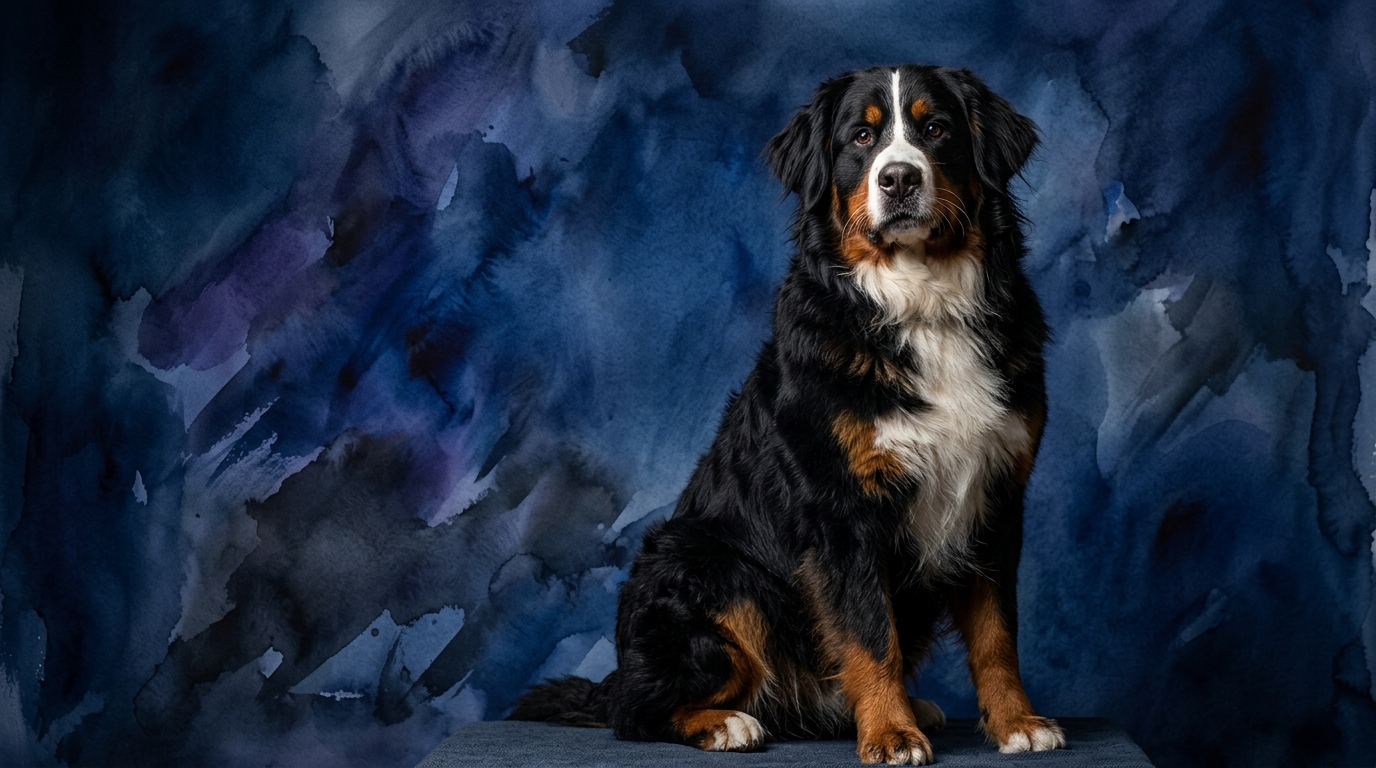
Bernese Mountain Dog (Working, Coren rank #27): Problem Solving (3/5): This score indicates a practical capacity for navigating moderately complex challenges, such as figuring out how to retrieve a toy from under furniture or opening certain types of latches. However, they might not consistently devise novel solutions to entirely unfamiliar puzzles without some human guidance, often preferring to look to their owner for cues when faced with a new dilemma. Training Speed (4/5): These dogs grasp new commands relatively quickly, often showing an eagerness to learn and cooperate. Their high social intelligence aids in understanding expectations, making training a rewarding experience for both dog and owner. Social Intelligence (5/5): This is a cornerstone of the Bernese temperament; they are exceptionally attuned to human emotions, subtle body language, and social dynamics within a household. This deep empathy allows them to anticipate needs, offer comfort instinctively, and form profound, reciprocal bonds, making them superb companions and often highly successful therapy animals. Instinctive Drive (4/5): Rooted in their historical working heritage as farm dogs in the Swiss Alps, their drive manifests as a strong desire to be involved, useful, and close to their family. This drive is often channeled cooperatively into activities like draft work, herding, or simply being a vigilant family guardian. Memory (3/5): They possess a functional memory for commands, routines, and familiar faces, retaining learned behaviors over time. However, their recall for highly specific, one-off events or exceptionally complex sequences might not be as sharp as some breeds known for intricate memory tasks.
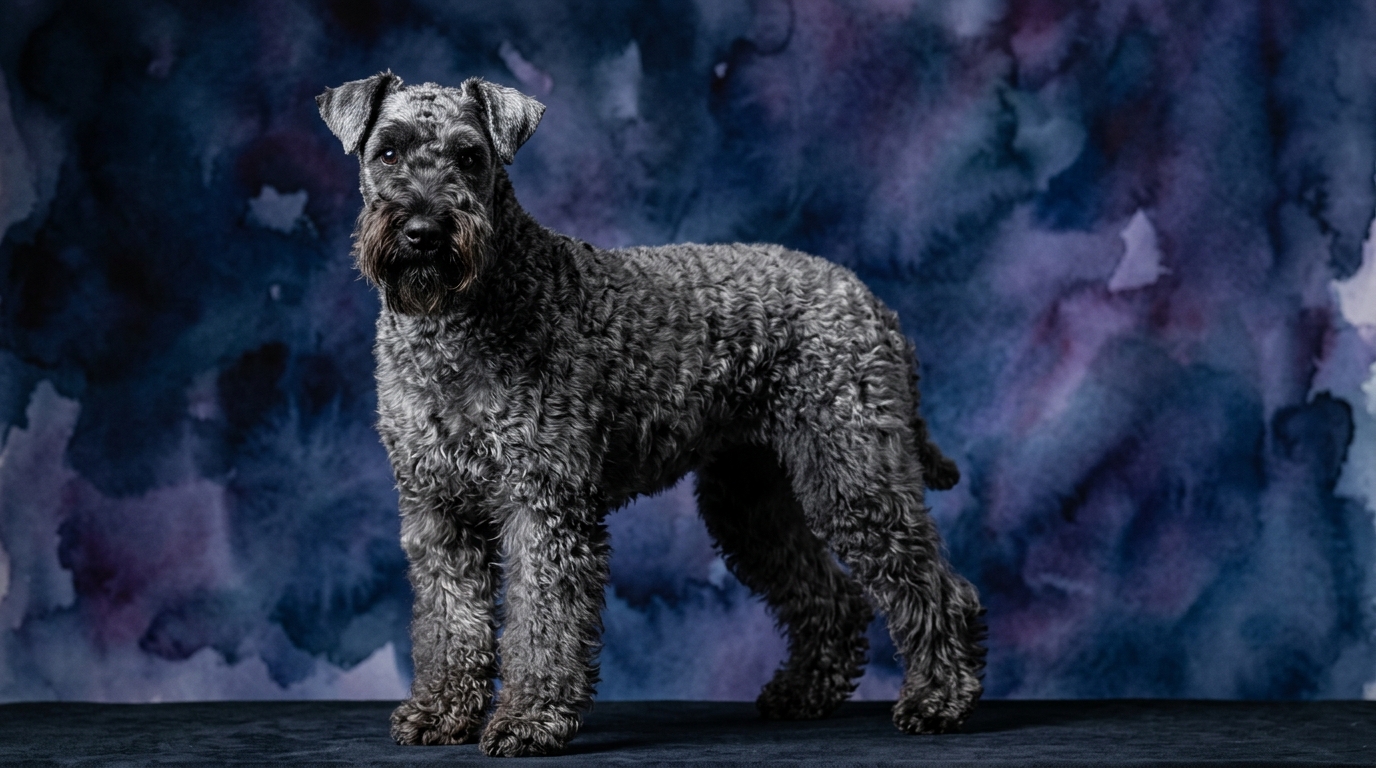
Kerry Blue Terrier (Terrier, Not Coren-ranked): Problem Solving (3/5): Kerry Blue Terriers demonstrate a robust capacity for problem-solving, particularly when it aligns with their innate curiosity and drive to investigate their surroundings or pursue a perceived 'quarry.' This often manifests as cleverness and persistent effort in overcoming physical obstacles or figuring out how to access interesting areas, frequently with a self-directed rather than overtly cooperative approach. Training Speed (3/5): While perfectly capable of learning, Kerry Blue Terriers require training methods that are consistently engaging, varied, and positive. Their independent spirit means they may not always be as immediately eager to please as some other breeds, sometimes needing more creative motivation, patience, and repetition to solidify new commands and ensure consistent compliance. Social Intelligence (3/5): They form strong, often discerning bonds with their families but might be less overtly expressive or intuitively perceptive about nuanced human emotional states compared to breeds with higher scores. Their social interactions can be quite selective, showing clear preferences for certain individuals and sometimes a reserved demeanor with strangers. Instinctive Drive (3/5): Their drive is primarily rooted in their terrier heritage – an intense instinct for chasing, digging, exploring, and a strong prey drive. This manifests as a tenacious, energetic, and often bold approach to life, requiring significant outlets for these natural behaviors to prevent them from becoming destructive. Memory (3/5): Kerry Blue Terriers have a good memory for routines, commands, and the layout of their territory. They retain learned behaviors, but like their Bernese counterparts, their recall for intricate details or less significant events might be moderate, particularly if not consistently reinforced.
Where the Bernese Mountain Dog Wins Cognitively
The Bernese Mountain Dog's cognitive strengths shine particularly brightly in areas of cooperation and social understanding. Their outstanding social intelligence (5/5) means they are incredibly perceptive of human moods, intentions, and even subtle shifts in household atmosphere. This deep empathy makes them exceptional emotional support animals and family members, often anticipating a need for comfort or companionship without any explicit instruction, demonstrating a profound understanding of their human's emotional landscape.
Furthermore, their superior training speed (4/5) coupled with their cooperative instinctive drive (4/5) allows them to learn complex routines and adapt to new situations with remarkable ease, especially when working alongside their human partners in activities like obedience, draft work, or therapy visits. They thrive on collaborative tasks, seeing them as opportunities for connection and shared purpose, making them highly responsive and eager participants in family life.
Where the Kerry Blue Terrier Wins Cognitively
While their scores are generally moderate across the board, the Kerry Blue Terrier's cognitive profile truly excels in areas requiring independent tenacity and a highly focused drive (3/5 for both Problem Solving and Instinctive Drive). They exhibit a clever, often relentless approach to tasks, especially those that engage their natural instincts, such as meticulously investigating a scent trail or persistently working to extract a hidden toy from a challenging spot.
Their problem-solving, rated 3/5, is often self-directed and highly resourceful, demonstrating a unique resilience in figuring out how to achieve a goal even without constant human prompting. This self-reliance and determined focus can be a significant strength in specific scenarios requiring a dog to think and act independently, such as navigating a complex agility course, persistently working on a puzzle toy, or excelling in earthdog trials where independent problem-solving is paramount.
Which Is Easier to Train and Why?
The Bernese Mountain Dog is generally considered easier to train due to their superior Training Speed (4/5) and exceptionally high Social Intelligence (5/5). They possess an innate eagerness to please and are remarkably responsive to human cues, quickly internalizing expectations and striving to meet them. Their cooperative nature means they often view training as a positive, reinforcing bonding experience, readily offering desired behaviors and showing genuine enjoyment in learning new skills alongside their human partners.
In contrast, the Kerry Blue Terrier, with a Training Speed of 3/5 and Social Intelligence of 3/5, presents a different training dynamic. While undeniably capable of learning, they possess a more independent and sometimes willful streak, characteristic of their terrier heritage. Training a Kerry Blue requires significant patience, unwavering consistency, and creative motivation to keep them engaged, as they may occasionally question commands or prefer to follow their own compelling instincts rather than immediately comply, demanding a more nuanced approach from their trainer. Success with a Kerry Blue often involves making training feel like a game or a challenge, rather than a strict command.
Which Suits Active Owners vs. Relaxed Owners?
The Bernese Mountain Dog, despite their impressive size, can surprisingly suit both active and more relaxed owners, though they undeniably benefit from regular, moderate exercise to maintain their physical and mental well-being. Their cooperative nature and high social intelligence make them content with a variety of family activities, whether it's a leisurely walk around the neighborhood, a comfortable car ride, or simply lounging contentedly near their beloved humans. They adapt remarkably well to a home environment that values companionship, shared quiet moments, and a generally calmer pace of life, making them excellent family dogs.
Conversely, the Kerry Blue Terrier is unequivocally better suited for active owners. Their instinctive drive (3/5) and moderate problem-solving (3/5), coupled with their terrier energy, mean they thrive on consistent mental and physical stimulation. Owners who enjoy engaging in dog sports like agility, earthdog trials, or long, exploratory walks that challenge their terrier's wit and energy will find a highly rewarding and engaged companion. A more relaxed owner might struggle to provide the necessary outlets for their spirited temperament, potentially leading to boredom and undesirable behaviors such as excessive digging, barking, or destructive chewing.
The Verdict
Opt for the Bernese Mountain Dog if you seek a highly empathetic, cooperative companion who excels at understanding human emotions and thrives on collaborative activities and a family-centric lifestyle.
Select the Kerry Blue Terrier if you admire a tenacious, independent spirit, are prepared for consistent engagement and mental stimulation, and value a dog that approaches challenges with resourceful determination.
🧠 Find Your Pet's IQ Score
Our Pet IQ Lab assessment covers 25+ tests across 5 cognitive dimensions — personalized to your breed.
Take the Full IQ Test →Frequently Asked Questions
How do their problem-solving styles differ?
Bernese Mountain Dogs often approach problems by seeking human guidance or applying learned cooperative behaviors within a social context, while Kerry Blue Terriers tend to use their ingenuity and persistence to solve challenges more independently, driven by their natural instincts to investigate and overcome obstacles on their own.
Is one breed better for first-time dog owners based on IQ?
The Bernese Mountain Dog's higher training speed and social intelligence generally make them a more forgiving and adaptable choice for first-time owners who can provide consistent, positive reinforcement. The Kerry Blue Terrier's independent nature and strong will can be more challenging without prior dog experience, requiring a dedicated and consistent approach to training.
How does their instinctive drive impact daily life?
A Bernese Mountain Dog's drive often translates into a desire to be involved with family tasks or gentle 'work,' seeking to be a useful and present companion. In contrast, a Kerry Blue Terrier's drive manifests as a strong urge to explore, chase, and dig, requiring structured outlets and engaging activities to prevent boredom and redirect these natural behaviors positively.