A Side-by-Side Look at Cognitive Profiles
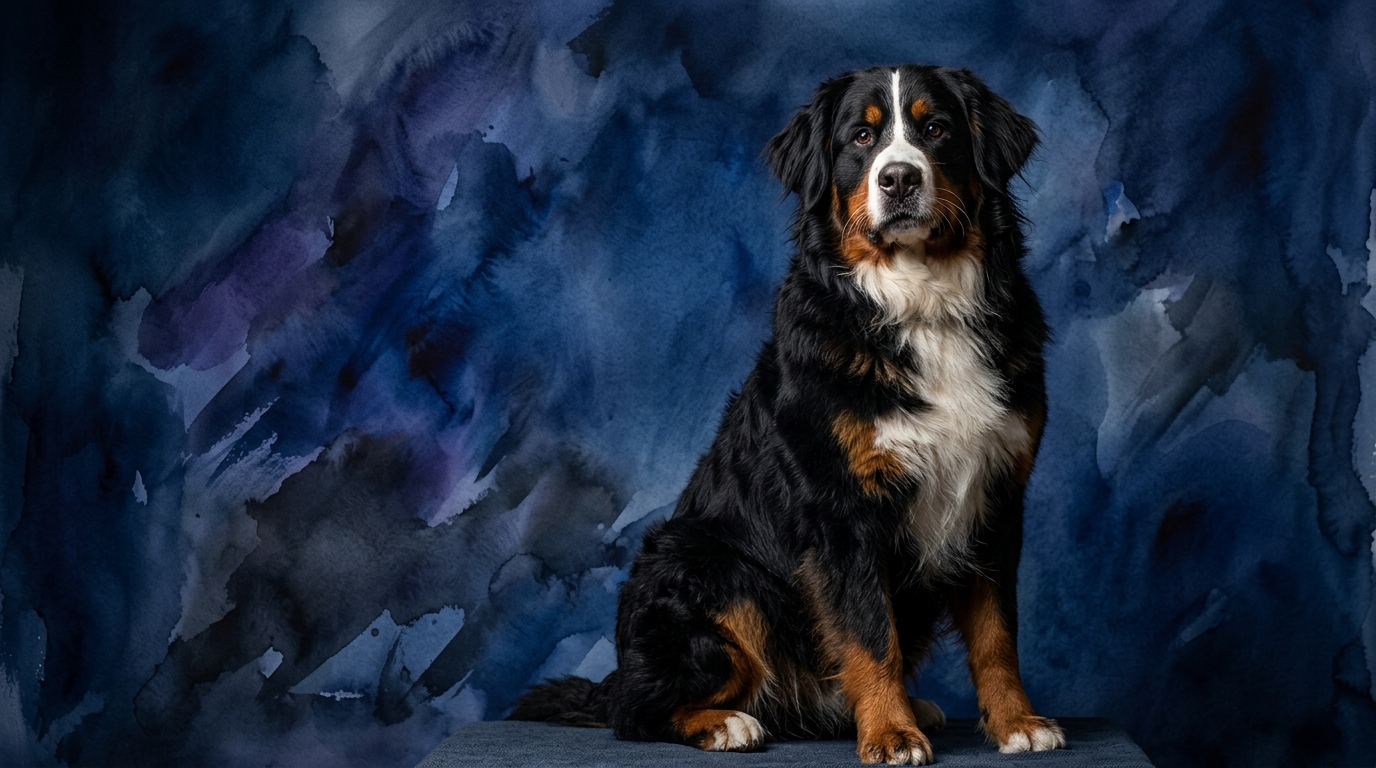
The Bernese Mountain Dog, a working breed ranked #27 by Coren, demonstrates a balanced cognitive profile. Their problem-solving ability at 3/5 suggests moderate ingenuity, while training speed is strong at 4/5, indicating readiness to learn. Social intelligence is exceptional at 5/5, reflecting deep empathy and understanding of human cues. An instinctive drive of 4/5 points to a purpose-driven nature, and their memory is solid at 3/5, retaining information reliably.
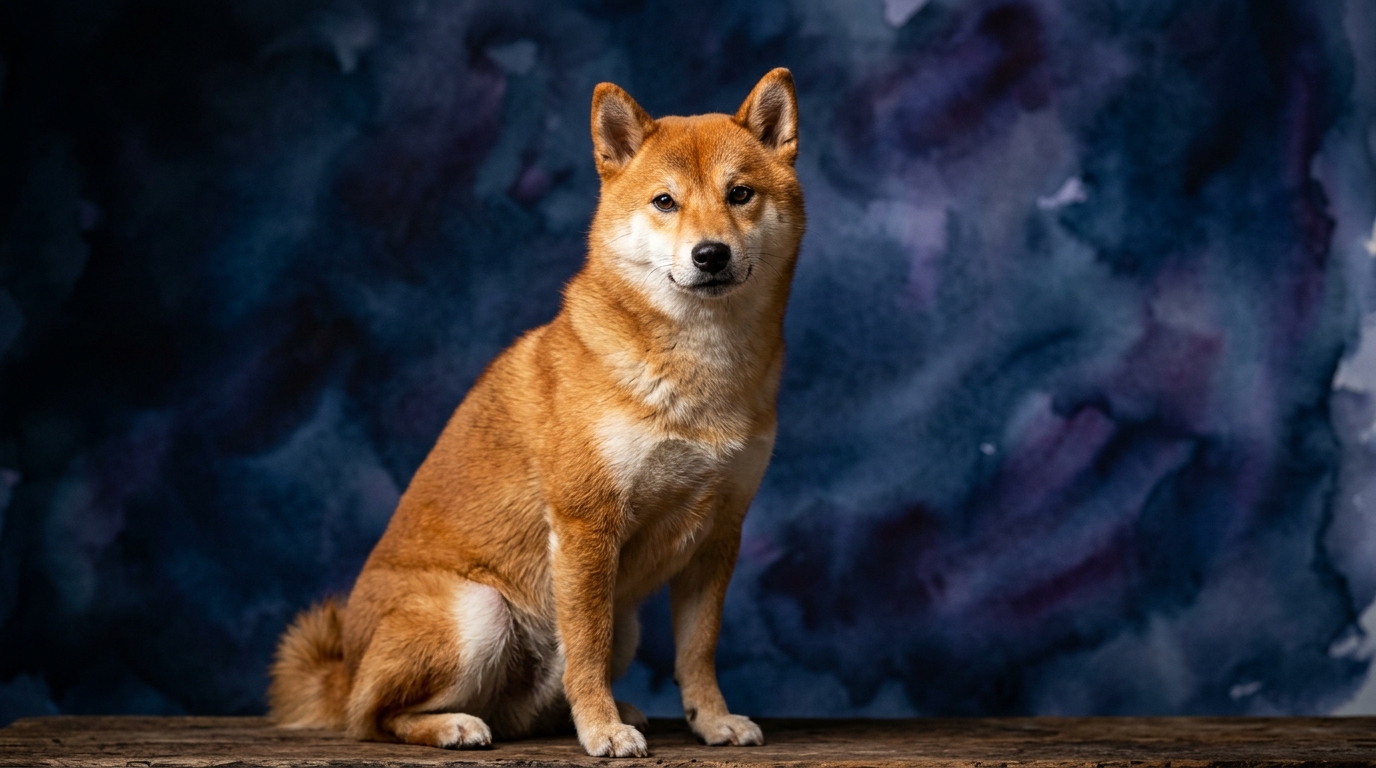
In contrast, the Shiba Inu, a non-sporting breed, exhibits a profile centered on independence. Problem-solving is robust at 4/5, showing a knack for independent solutions. However, training speed is lower at 2/5, requiring significant patience. Social intelligence is 3/5, indicating more reserved interactions, while their instinctive drive is a powerful 5/5, rooted in hunting heritage. A strong memory at 4/5 means they recall past experiences with remarkable clarity.
Where the Bernese Mountain Dog Excels Cognitively
The Bernese Mountain Dog's cognitive strengths are deeply rooted in their history of working alongside humans, where cooperation was essential. Their exceptional social intelligence (5/5) means they are remarkably attuned to human emotions and intentions. This goes beyond mere friendliness; it's a sophisticated ability to read subtle cues, understand family dynamics, and respond empathetically to a handler's mood or needs, making them highly perceptive companions who often anticipate desires.
Furthermore, their robust training speed (4/5) combined with this social acumen translates into a dog eager for collaborative learning. They tend to find satisfaction in working with their people, making them highly receptive to obedience training, therapy work, or complex tasks requiring teamwork. While their problem-solving (3/5) isn't about pioneering new methods, their willingness to follow direction and strong desire to please means they reliably execute multi-step commands, adapting well to guided tasks.
Where the Shiba Inu Shows Its Cognitive Edge
The Shiba Inu’s cognitive prowess shines in areas demanding independence and self-reliance, a testament to their heritage as small game hunters. Their problem-solving ability (4/5) is particularly strong, indicating a breed that often devises its own solutions to perceived obstacles, whether it's figuring out how to open a gate or navigating a complex environment to reach a desired object. This isn't always about pleasing a handler; it's about achieving their own objectives through cleverness and persistence.
Complementing this is their powerful instinctive drive (5/5) and strong memory (4/5). The Shiba's drive translates into an intense focus when pursuing an interest, whether it's a scent, a toy, or an escape route. Their memory ensures they recall exactly what worked (or didn't) in previous attempts, allowing them to refine their strategies. This combination makes them incredibly resourceful and persistent, traits essential for their ancestral roles. For owners, this means a dog that remembers past training inconsistencies with remarkable clarity.
Training Dynamics: Bernese Mountain Dog vs. Shiba Inu
When it comes to ease of training, the Bernese Mountain Dog generally presents a more straightforward experience. Their high training speed (4/5) and exceptional social intelligence (5/5) mean they are typically eager to learn and highly responsive to positive reinforcement. They thrive on interaction and praise, viewing training sessions as opportunities for connection. This translates into a dog that often picks up new commands quickly and demonstrates a strong desire to comply, suitable for novice owners or those seeking a highly biddable companion.
The Shiba Inu, however, offers a different training journey, largely due to its lower training speed (2/5) and powerful instinctive drive (5/5). Shibas are known for their independent nature and often require more patience and creative strategies to maintain engagement. They are intelligent but not always inclined to perform simply to please; they need to perceive a benefit for themselves. Their strong memory (4/5) means they recall past training experiences vividly, including any lapses, which can make remedial training challenging.
Lifestyle Match: Active vs. Relaxed Owners
For owners seeking a more relaxed, yet still engaged, companion, the Bernese Mountain Dog often fits the bill. While they require regular exercise for physical health and mental well-being, their social intelligence means much of their contentment comes from being involved in family life. They are typically content with moderate walks, yard play, and simply being near their people. Their cooperative nature makes them excellent companions for leisurely strolls or quiet evenings at home, thriving on consistent human interaction rather than constant high-intensity activity.
The Shiba Inu, with its high instinctive drive (5/5) and problem-solving aptitude (4/5), is better suited for owners who appreciate and can channel a dog's independent spirit and need for mental stimulation. They require consistent, engaging activities that tap into their natural curiosity and energy. This could involve challenging puzzle toys, scent work, or exploring varied environments on leash. While they don't necessarily need hours of strenuous running, they need mentally enriching experiences and opportunities to express their natural drives, fitting active owners who enjoy structured engagement and mental challenges.
The Verdict
Choose a Bernese Mountain Dog if you value a highly empathetic, cooperative companion eager to learn and integrate seamlessly into family life, offering gentle companionship and a desire to please.
Opt for a Shiba Inu if you appreciate an independent, clever, and resourceful dog that thrives on mental challenges and consistent, engaging activities, offering a spirited and unique bond.
🧠 Find Your Pet's IQ Score
Our Pet IQ Lab assessment covers 25+ tests across 5 cognitive dimensions — personalized to your breed.
Take the Full IQ Test →Frequently Asked Questions
What does "Coren rank" signify in dog intelligence?
The Coren rank, from Stanley Coren's "The Intelligence of Dogs," primarily measures a breed's working and obedience intelligence, reflecting how quickly they learn new commands and obey them. It's one aspect of canine cognition, not a comprehensive measure of all forms of intelligence.
Does a higher instinctive drive mean a dog is harder to train?
Not necessarily harder, but it often means training requires more understanding of their natural motivations and channeling those drives effectively. A strong instinctive drive, like a Shiba's prey drive, can make them less inclined to follow commands if a more compelling instinct arises, requiring consistent, high-value reinforcement and engaging methods.
Can a Bernese Mountain Dog be an apartment dog?
While their size is substantial, a Bernese Mountain Dog can adapt to apartment living if they receive adequate daily exercise and mental stimulation, crucially including social interaction. Their lower independent drive compared to a Shiba means they are more content with indoor living as long as their need for companionship and moderate activity is met.