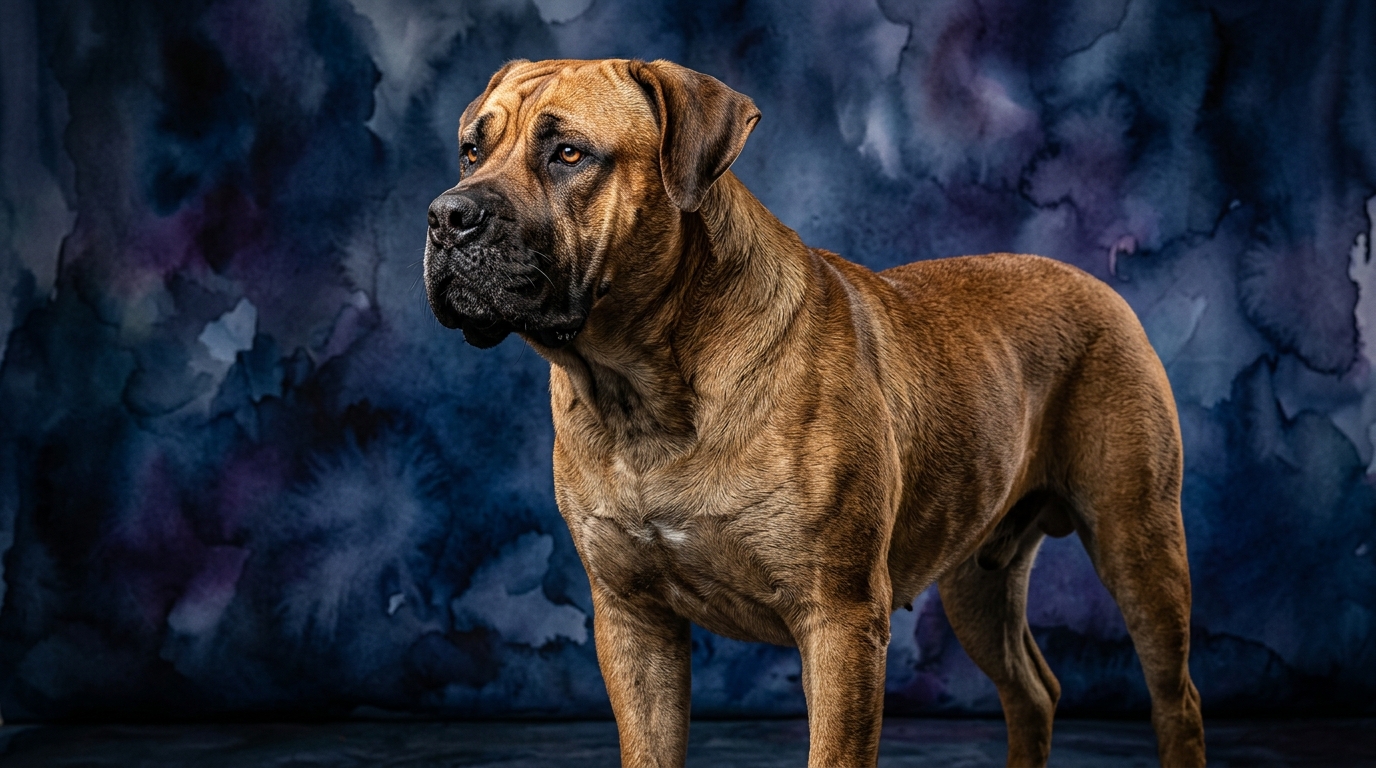
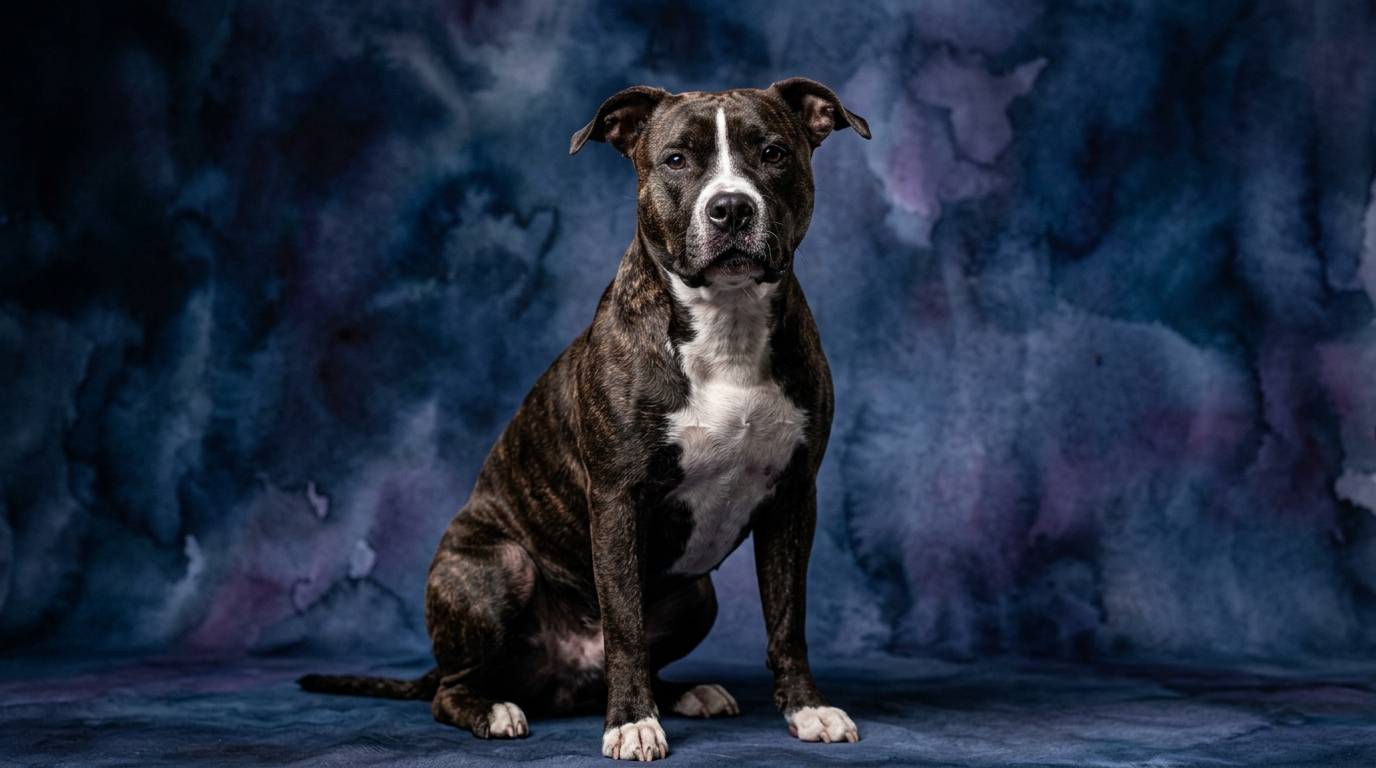
Side-by-Side IQ Profile: Boerboel vs. American Staffordshire Terrier
Examining the specific cognitive dimensions for both the Boerboel and the American Staffordshire Terrier reveals intriguing commonalities and a key distinction. For Problem Solving, both breeds register a 3/5. This suggests a moderate capacity for independent thought and adapting to new situations; the Boerboel applies this in assessing territorial threats, while the AmStaff might use it to figure out how to retrieve a desired toy.
In Training Speed, both also score 3/5, indicating a steady learning pace. They grasp new commands with consistent effort, though the Boerboel's strong will requires clear leadership, and the AmStaff's enthusiasm needs focused direction. Their Social Intelligence is likewise 3/5. The Boerboel uses this to discern family dynamics and stranger intentions, crucial for its protective role, while the AmStaff excels in reading family emotions and adapting within its trusted social circle.
Instinctive Drive stands at 3/5 for both. The Boerboel's drive centers on guarding, vigilance, and protection, whereas the AmStaff's leans towards tenacity, chasing, and robust engagement typical of terriers. The most significant difference lies in Memory: the Boerboel scores 3/5, indicating good retention of experiences and routines. The American Staffordshire Terrier, however, achieves a 4/5, signifying a superior ability to recall specific commands, complex sequences, and past learning, making them particularly adept at advanced obedience or sports. This enhanced recall is a notable cognitive advantage.
Where the Boerboel Wins Cognitively
The Boerboel’s cognitive strengths are rooted in its practical application of moderate problem-solving and social intelligence within its guardian responsibilities. A Boerboel's decision-making often involves independent judgment in dynamic situations, such as evaluating a perceived threat or determining an appropriate response. This isn't about rapid trick learning, but a deeper understanding of its environment and role.
Its 3/5 social intelligence, paired with its instinctive drive, allows it to discern subtle shifts in human body language or tone, especially concerning family safety. This blend of discernment and calculated action, rather than quick recall, defines its cognitive edge, making it a thoughtful protector. Its 3/5 memory is sufficient for retaining critical information about its territory, family, and potential threats, building a robust mental map and maintaining consistent vigilance.
Where the American Staffordshire Terrier Wins Cognitively
The American Staffordshire Terrier's primary cognitive advantage is its superior memory, scoring 4/5 compared to the Boerboel's 3/5. This enhanced recall means more efficient learning for complex sequences and greater consistency in executing learned behaviors over time. When an AmStaff is taught multi-step routines, its stronger memory solidifies those connections faster and retrieves them more accurately, even after breaks.
This makes them particularly well-suited for dog sports like agility or advanced obedience, where precision and sequence recall are vital. Their tenacity, part of their 3/5 instinctive drive, combined with sharp memory, allows them to persist and apply previously successful problem-solving strategies. While their problem-solving score is equal, their better memory provides an edge in applying past solutions. Their Coren rank of #48 further reflects a solid capacity for working and obedience, underscoring effective processing of human instructions.
Which is Easier to Train and Why
Neither breed is universally "easier" to train, as both have a 3/5 Training Speed. However, their training approaches differ based on other cognitive traits and breed purpose. The American Staffordshire Terrier's 4/5 memory suggests it retains complex commands more consistently, potentially needing fewer refreshers. Their instinctive drive often encourages engagement, making them focused learners with varied, motivating rewards.
Conversely, the Boerboel's 3/5 memory and independent nature, typical of guardian breeds, demand absolute consistency and clear leadership. They aren't "harder" to train, but their motivation stems from respect and understanding their role, rather than purely pleasing. Their problem-solving and social intelligence are geared towards independent assessment, meaning they might question commands if perceived as illogical or contrary to their guardian instincts. Training a Boerboel often involves convincing them cooperation aligns with their purpose; an AmStaff might learn more for the joy of interaction and success.
Which Suits Active Owners vs. Relaxed Owners
The ideal owner for each breed depends on how 'active' or 'relaxed' translates into daily routine and engagement. A Boerboel, despite its moderate instinctive drive (3/5), requires an owner actively engaged in consistent, thoughtful leadership and mental stimulation. They are large, powerful dogs needing regular exercise, but their activity is often purposeful, like patrolling, rather than high-octane sports. A relaxed owner might struggle with the Boerboel's need for mental engagement, which involves clear structure and purpose beyond just physical activity.
The American Staffordshire Terrier, with its moderate instinctive drive and 4/5 memory, suits active owners who enjoy structured activities. They thrive on dog sports, long hikes, vigorous play, and learning new skills, channeling their energy productively into agility or obedience. A relaxed owner might find an AmStaff's need for consistent mental and physical outlets challenging, potentially leading to boredom. While both benefit from active engagement, the AmStaff leans towards playful, structured activity, while the Boerboel requires more purposeful, leadership-driven engagement.
The Verdict
If you seek a thoughtful, discerning guardian who thrives on clear leadership and purposeful engagement, and you appreciate a dog whose cognitive strength lies in independent judgment within its protective role, the Boerboel could be your match. They suit owners prepared for a deep, consistent relationship built on mutual respect and understanding of their inherent responsibilities.
Opt for the American Staffordshire Terrier if you're an active owner who enjoys engaging in dog sports, advanced obedience, or consistent training, valuing a companion with a robust memory and a zest for interactive activities. Their eagerness to learn and retain information makes them a rewarding partner for those who provide ample mental and physical stimulation.
🧠 Find Your Pet's IQ Score
Our Pet IQ Lab assessment covers 25+ tests across 5 cognitive dimensions — personalized to your breed.
Take the Full IQ Test →Frequently Asked Questions
Is the Boerboel difficult to train due to its independent nature?
While the Boerboel possesses an independent streak, typical of guardian breeds, it is not inherently difficult to train. Its 3/5 training speed means it learns steadily, but requires consistent, fair, and firm leadership, focusing on establishing respect and understanding its role rather than rote commands.
Can an American Staffordshire Terrier excel in dog sports like agility?
Absolutely. The American Staffordshire Terrier's 4/5 memory score, combined with its moderate instinctive drive and tenacity, makes it well-suited for dog sports like agility, obedience, and rally. They can quickly learn and accurately recall complex sequences and commands, thriving on the mental and physical challenge.
Do these breeds have different social intelligence needs with strangers?
Both score 3/5 in social intelligence, but apply it differently. The Boerboel's social intelligence is geared towards discerning intentions, often reserved with strangers due to its protective instincts. The AmStaff, while devoted to its family, generally can be more outwardly friendly with well-socialized strangers, though early and continuous positive exposure is crucial for both.