
Side-by-Side IQ Profile: Boerboel vs. Bull Terrier
The Cosmic Pet Pet IQ Lab provides a nuanced look at canine cognitive abilities, breaking intelligence into five core dimensions. For both the Boerboel and the Bull Terrier, each dimension registers a balanced 3/5, indicating neither extreme brilliance nor significant cognitive limitations. However, the application and manifestation of these scores differ profoundly based on each breed’s inherent nature and historical purpose.
The Boerboel, a formidable South African mastiff from the Working group, applies its cognitive skills with a focus on protection and territory. Its Problem Solving (3/5) involves deliberate assessment, not impulsive action, yielding practical solutions for maintaining order or safeguarding its family. Training Speed (3/5) is moderate, requiring consistent, firm, and fair leadership; these dogs grasp complex commands but internalize them steadily, often testing boundaries before full compliance. Social Intelligence (3/5) within its family is profound and perceptive to emotional cues, yet reserved and discerning towards outsiders, demanding extensive early socialization. An Instinctive Drive (3/5) for guardianship is ever-present, guiding its watchful eye and protective reactions. Its Memory (3/5) is robust, retaining routines, commands, and especially individuals deemed allies or threats, influencing future behaviors.
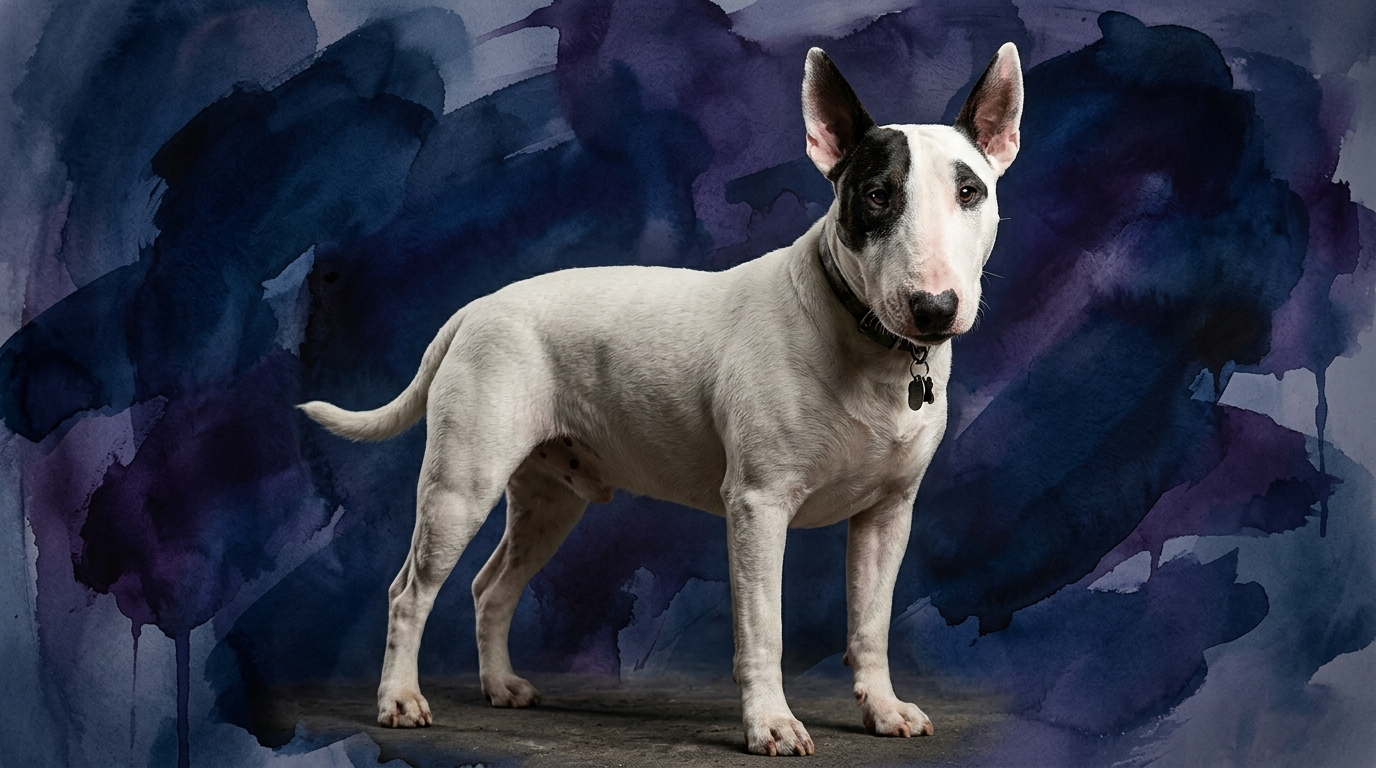
Conversely, the Bull Terrier, a distinctive member of the Terrier group, approaches cognition with a unique blend of tenacity and charm, holding a Coren rank of #66. Its Problem Solving (3/5) is characterized by creative ingenuity and a touch of stubbornness, often involving playful or unexpected tactics to achieve desired outcomes, whether retrieving a hidden toy or accessing a forbidden area. Training Speed (3/5) for the Bull Terrier is capable but conditional; while quick to learn, their independent and mischievous nature means compliance often depends on making training a fun, engaging game to prevent boredom. Social Intelligence (3/5) shines with human companions, thriving on interaction and adept at reading moods, often seeking to entertain, though interactions with other canines require careful management. An Instinctive Drive (3/5) rooted in its terrier heritage includes a strong prey drive, a desire to dig, and an independent spirit, motivating exploration and focused investigation. Its Memory (3/5) is solid for past experiences, people, places, and commands, though willingness to perform can be mood-dependent.
Where the Boerboel Wins Cognitively
The Boerboel's cognitive strengths are most apparent in scenarios demanding deliberate assessment, unwavering focus, and consistent application of learned behaviors related to security. While both breeds score 3/5 for problem-solving, the Boerboel excels in practical, real-world situations involving guardianship. They demonstrate a measured, less impulsive cognitive process when evaluating potential threats or changes within their territory, making them exceptionally reliable in their protective role. Their memory is particularly adept at recalling specific boundaries, rules, and individuals, contributing significantly to their consistent and predictable protective responses. This breed's specific cognitive architecture makes them particularly effective at long-term, consistent application of learned protective duties, showing a deep understanding of their domain.
Where the Bull Terrier Wins Cognitively
The Bull Terrier's cognitive advantages emerge through its unique blend of adaptability, creative engagement, and resilience. Although also scoring 3/5 for problem-solving, their approach is often more dynamic and inventive, allowing them to devise novel, sometimes comical, ways to achieve goals, especially when motivated by play or human interaction. Their social intelligence, deeply focused on human connection, enables them to adapt swiftly to various social dynamics within a family setting, often using endearing antics or humor to gain attention. This breed exhibits a remarkable resilience to routine changes, frequently taking new experiences in stride with their characteristic cheerful curiosity, making them adaptable companions in diverse household environments.
Which Is Easier to Train and Why
Despite both breeds holding a 3/5 in training speed, their training journeys diverge significantly due to their inherent temperaments and motivations. The Boerboel, with its deliberate nature and strong protective instincts, responds best to a confident, consistent leader. Once they grasp a command and understand its purpose within their framework of duties, they tend to be reliable and committed, though they may occasionally test boundaries to confirm leadership. Their training success relies on channeling their natural drives and demonstrating clear, unwavering leadership, providing a sense of purpose. In contrast, the Bull Terrier, despite its cognitive capacity, presents a different kind of training challenge. Their independent, often mischievous spirit means training must be highly engaging, varied, and fun to prevent boredom and maintain focus. They can learn quickly but frequently choose not to comply if a task isn't stimulating or if they perceive a more entertaining alternative. Their terrier stubbornness requires exceptional patience, creativity, and consistent positive reinforcement to ensure reliable responses, making their training a more playful yet persistent endeavor.
Which Suits Active Owners vs. Relaxed Owners
The Boerboel is unequivocally suited for active owners who can provide consistent structure, extensive early socialization, and regular mental engagement. These dogs thrive when given a clear purpose and require an owner capable of harnessing their protective drive and providing firm, fair leadership. Their need for deliberate exercise, consistent training, and substantial mental stimulation makes them less ideal for a relaxed owner who prefers a low-maintenance companion; without proper engagement, their protective instincts can become misdirected or problematic. The Bull Terrier, while often energetic, can surprisingly adapt to a broader range of lifestyles. Active owners will appreciate their playful nature and enjoy engaging in training games, agility, or long walks. However, they can also suit more relaxed owners who enjoy their affectionate, quirky companionship, provided they receive moderate daily exercise and consistent mental enrichment to prevent boredom-induced mischief. They are not entirely sedentary but their bursts of energy can be managed more flexibly than the Boerboel's sustained need for purpose and structure.
The Verdict
Choose the Boerboel for owners seeking a formidable, devoted guardian who thrives on clear leadership and purposeful engagement, understanding that their intelligence is applied with deliberate, protective intent and requires consistent, firm guidance.
Choose the Bull Terrier for owners who appreciate a spirited, often comical companion capable of unique problem-solving, thriving on playful interaction and consistent, motivating training that embraces their independent, charmingly stubborn streak.
🧠 Find Your Pet's IQ Score
Our Pet IQ Lab assessment covers 25+ tests across 5 cognitive dimensions — personalized to your breed.
Take the Full IQ Test →Frequently Asked Questions
Do Boerboels or Bull Terriers excel more at learning tricks?
While both breeds are rated 3/5 in training speed, the Bull Terrier often excels more at learning tricks due to their playful nature and desire to entertain and engage with their humans. Boerboels can certainly learn tricks but may require more motivation if the trick doesn't align with a perceived purpose or duty.
How does their social intelligence impact their interactions with children?
A Boerboel's social intelligence with children in their immediate family is often deeply devoted and protective, but requires careful socialization and supervision, especially with unfamiliar children. A Bull Terrier's social intelligence can make them cheerful and engaging with children, though their boisterous play style and strong prey drive necessitate supervised interactions to ensure safety.
Are these breeds prone to destructive behavior if not mentally stimulated?
Both breeds can exhibit destructive behaviors if not adequately mentally and physically stimulated, though the manifestation differs. A Boerboel might become restless, overly vigilant, or develop territorial issues, while a Bull Terrier's boredom often translates into chewing, digging, or mischievous attempts to entertain themselves.