
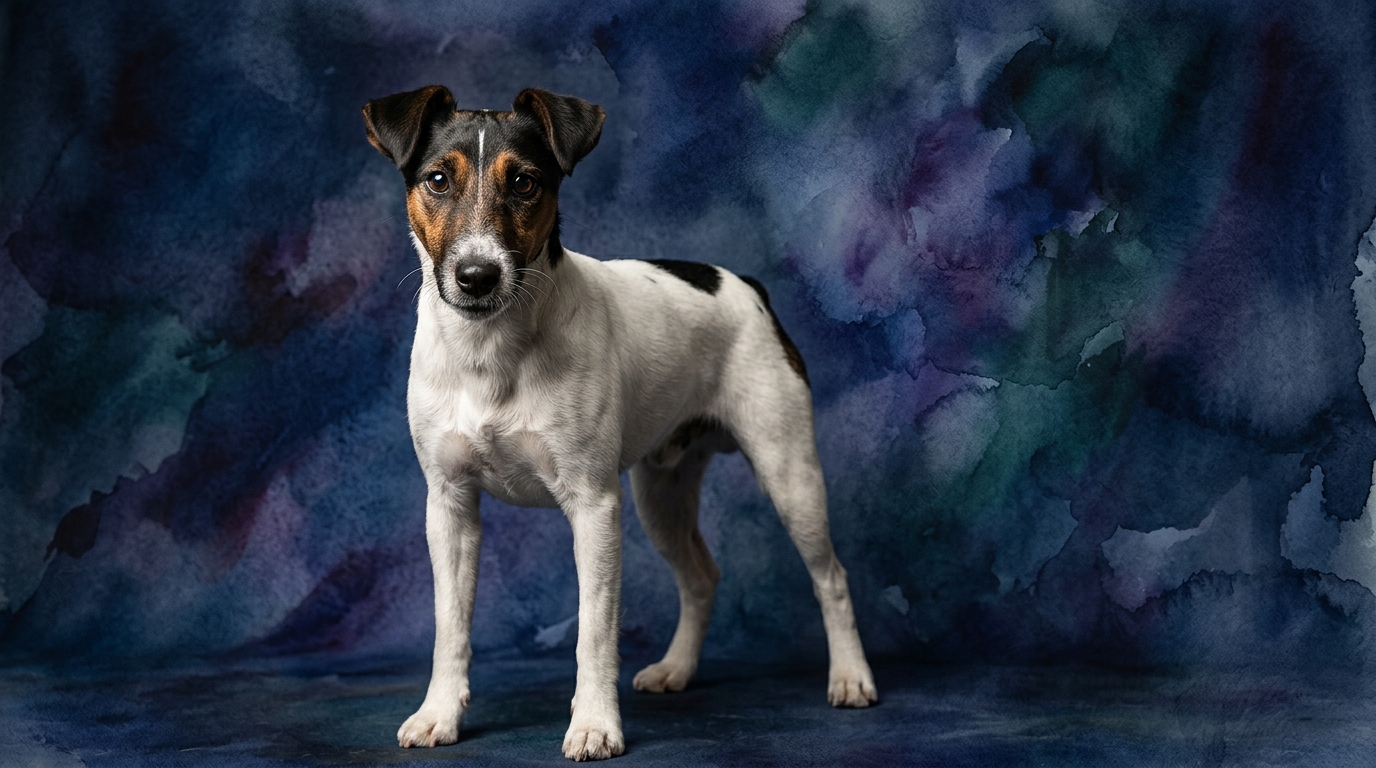
Side-by-Side IQ Profile: Interpreting Identical Scores
At first glance, the Boerboel and Smooth Fox Terrier appear to share identical cognitive profiles, each scoring 3/5 across all five Pet IQ Lab dimensions. However, these identical numerical ratings mask significant differences in how their intellect is applied and expressed, deeply rooted in their breed-specific historical roles and temperaments.
For Problem Solving (3/5), the Boerboel demonstrates this through strategic assessment of its territory, identifying potential threats, and understanding spatial dynamics for property patrolling. Their problem-solving is often deliberate, focused on practical, real-world challenges tied to safety and security. Conversely, the Smooth Fox Terrier's 3/5 in problem-solving manifests as tenacious resourcefulness in pursuit of a goal, such as figuring out how to access a burrow, navigating complex terrain during a chase, or cleverly outwitting small prey. Their solutions are often quick, persistent, and physically driven.
Training Speed (3/5) for the Boerboel indicates a capacity for learning that thrives on consistent, clear, and purpose-driven instruction. They are not the fastest to pick up arbitrary commands but excel when training is perceived as meaningful and reinforces their protective role, often displaying a thoughtful, sometimes deliberate, response. The Smooth Fox Terrier's 3/5 training speed means they grasp concepts quickly, but their strong will and environmental distractions can make consistent execution challenging. They learn rapidly when highly motivated by engaging activities or high-value rewards, though their focus can be fleeting.
Social Intelligence (3/5) in the Boerboel involves a deep attunement to their family's emotions and internal dynamics, coupled with a keen ability to discern friendly visitors from perceived threats. Their social interactions outside their core family are typically reserved and analytical, prioritizing observation and safety. For the Smooth Fox Terrier, their 3/5 social intelligence allows them to be incredibly adept at reading human moods and cues, often displaying a charming, yet assertive, personality to elicit desired responses like play or attention. They navigate social situations with confidence, sometimes boisterous.
Instinctive Drive (3/5) for the Boerboel is primarily expressed through a powerful protective instinct, strong territoriality, and an unwavering need to guard their family and home. Their drives manifest as vigilance and a measured response to perceived threats. The Smooth Fox Terrier's 3/5 instinctive drive is fueled by a potent prey drive, an urge to dig, chase, and explore with boundless energy and a tenacious spirit. Their drives are expressed as an unrelenting focus on their 'quarry,' whether it's a squirrel or a hidden toy.
Finally, Memory (3/5) for the Boerboel is robust for routines, commands, and especially for individuals and experiences, categorizing them as safe or potentially threatening, which supports their consistent guarding behavior. The Smooth Fox Terrier's 3/5 memory retains learned commands and routines effectively but also vividly remembers opportunities for mischief, past successful 'hunts,' or where interesting smells were last encountered, supporting their independent, exploratory nature.
Where the Boerboel Wins Cognitively
The Boerboel's cognitive strengths truly shine in tasks requiring strategic assessment and long-term vigilance. Their problem-solving prowess is geared towards evaluating complex situations related to security, discerning subtle nuances in human behavior (e.g., a nervous stranger versus a confident family friend), and making measured decisions based on prior experience and instinct. This allows them to act as a sophisticated, sentient security system for their home.
Their social intelligence excels in its application to family protection and discerning intent. Boerboels are master observers within their home environment, capable of understanding subtle shifts in atmosphere or potential threats, always prioritizing the well-being of their human pack. This deep understanding of their family's dynamics enables them to offer unwavering loyalty and a consistent protective presence.
Furthermore, the Boerboel's memory is particularly strong for associating individuals and events with safety or danger. This robust long-term recall allows them to build a reliable mental database of who belongs and who doesn't, contributing significantly to their consistent and unwavering protective role. They remember lessons related to safety and boundaries with remarkable clarity, ensuring their protective actions are informed and reliable.
Where the Smooth Fox Terrier Wins Cognitively
The Smooth Fox Terrier excels in dynamic problem-solving and resourceful pursuit. Their ingenuity shines when faced with a challenge requiring quick thinking, persistence, and physical dexterity, such as figuring out how to access a tight space, unearthing a hidden object, or navigating obstacles during a chase. They are masters of adapting on the fly to achieve their objectives, often displaying a charming impudence in the process.
Their cognitive strengths are evident in their adaptive persistence and environmental manipulation. Smooth Fox Terriers are adept at learning through trial and error in pursuit of their goals, often finding creative, albeit sometimes mischievous, ways to achieve what they want, whether it's opening a cabinet or finding a way out of a yard. This tenacity, combined with their problem-solving, makes them formidable in their chosen pursuits.
While different from the Boerboel's protective social acumen, the Smooth Fox Terrier's social intelligence allows them to be incredibly charming and persuasive. They often learn precisely what behaviors elicit attention, play, or treats from their human companions, leveraging their vibrant personality and quick wit to get their way. They are masters of engaging their people and making their desires known, often with an irresistible charm.
Which Is Easier to Train and Why
Neither breed is conventionally 'easy' to train, as both possess a 3/5 Training Speed and strong independent streaks, but their specific challenges differ significantly. The Boerboel, while certainly capable of learning, requires an owner who can establish themselves as a clear, consistent, and respected leader. Their training often demands immense patience, firm boundaries, and a deep understanding of their protective instincts. They are less inclined to respond to frivolous commands and excel when training is perceived as purposeful and reinforces their role within the family structure.
A Boerboel's independent nature means they might ponder a command before executing, or even decide against it if it conflicts with their perceived duty or feels unnecessary. They are not typically prone to impulsive disobedience but rather a thoughtful, sometimes stubborn, non-compliance that requires consistent, positive reinforcement to overcome. Their size and strength mean that any training lapses can have significant consequences, emphasizing the need for early and ongoing dedicated work.
The Smooth Fox Terrier, conversely, learns quickly but is notoriously prone to distraction and can become selectively deaf when their prey drive is activated. Training them requires high-value motivation, short, engaging sessions, and a keen ability to redirect their tenacious focus. Their 'difficulty' stems from their boundless energy, independent spirit, and a strong desire to follow their nose or chase anything that moves. They might understand a command perfectly but choose to ignore it in favor of a more interesting scent or perceived 'hunt.' Consistency is vital, but so is making training feel like a game or a rewarding challenge, leveraging their cleverness and desire for engagement.
Which Suits Active Owners vs. Relaxed Owners
The Boerboel suits owners who are active in a structured, purposeful way. They thrive with owners who provide clear boundaries, consistent training, and engage them in activities that tap into their protective nature, like advanced obedience or property patrolling. While not requiring constant, high-intensity exercise like some working breeds, they need owners who are mentally 'active' in managing a powerful, thinking dog, providing consistent leadership and mental stimulation through training and responsible socialization. A relaxed owner who cannot provide firm guidance and a sense of purpose would find a Boerboel overwhelming, potentially leading to behavioral issues stemming from a lack of clear direction and perceived role.
The Smooth Fox Terrier demands a truly active owner, both physically and mentally. Their boundless energy, high prey drive, and need for mental engagement mean they require significant daily physical exercise – running, structured play, agility, or long walks with opportunities to explore safely and on leash. A relaxed owner would quickly find themselves with a bored, destructive, and potentially vocal terrier, as their instincts will find outlets, often in ways that are undesirable to humans. They need an owner who enjoys outdoor activities, can channel their instincts into productive outlets, and is prepared for a lively, persistent companion who will keep them on their toes with their spirited antics and clever escapades.
The Verdict
Opt for a Boerboel if you seek a steadfast, intelligent guardian who excels at strategic protection, thrives on a clear leadership structure, and values deep loyalty within a family-oriented, purposeful environment.
Select a Smooth Fox Terrier if you desire a tenacious, clever, and endlessly energetic companion who thrives on dynamic problem-solving, requires extensive physical and mental engagement, and will keep you on your toes with their spirited antics.
🧠 Find Your Pet's IQ Score
Our Pet IQ Lab assessment covers 25+ tests across 5 cognitive dimensions — personalized to your breed.
Take the Full IQ Test →Frequently Asked Questions
Do identical IQ scores mean these breeds are equally easy to live with?
No, identical IQ scores of 3/5 indicate similar cognitive potential, but their expression differs vastly due to breed purpose and temperament. A Boerboel's 3/5 might mean discerning threats, while a Smooth Fox Terrier's 3/5 means figuring out how to dig under a fence; both require dedicated management but present unique living challenges.
How does a Boerboel's protective instinct impact its social intelligence?
A Boerboel's social intelligence is deeply intertwined with its protective drive; it excels at reading its family and discerning intent in strangers, prioritizing safety. This means they are often reserved with outsiders, not unfriendly, but constantly assessing, making early, broad socialization crucial for appropriate responses in various situations.
My Smooth Fox Terrier is constantly digging; is this a sign of low intelligence?
Quite the opposite; digging is a strong manifestation of the Smooth Fox Terrier's instinctive drive (3/5) and problem-solving (3/5), as they are bred to unearth prey. This behavior, while challenging for owners, demonstrates their resourcefulness and tenacity, indicating a fulfillment of their inherent cognitive programming and a need for appropriate outlets.