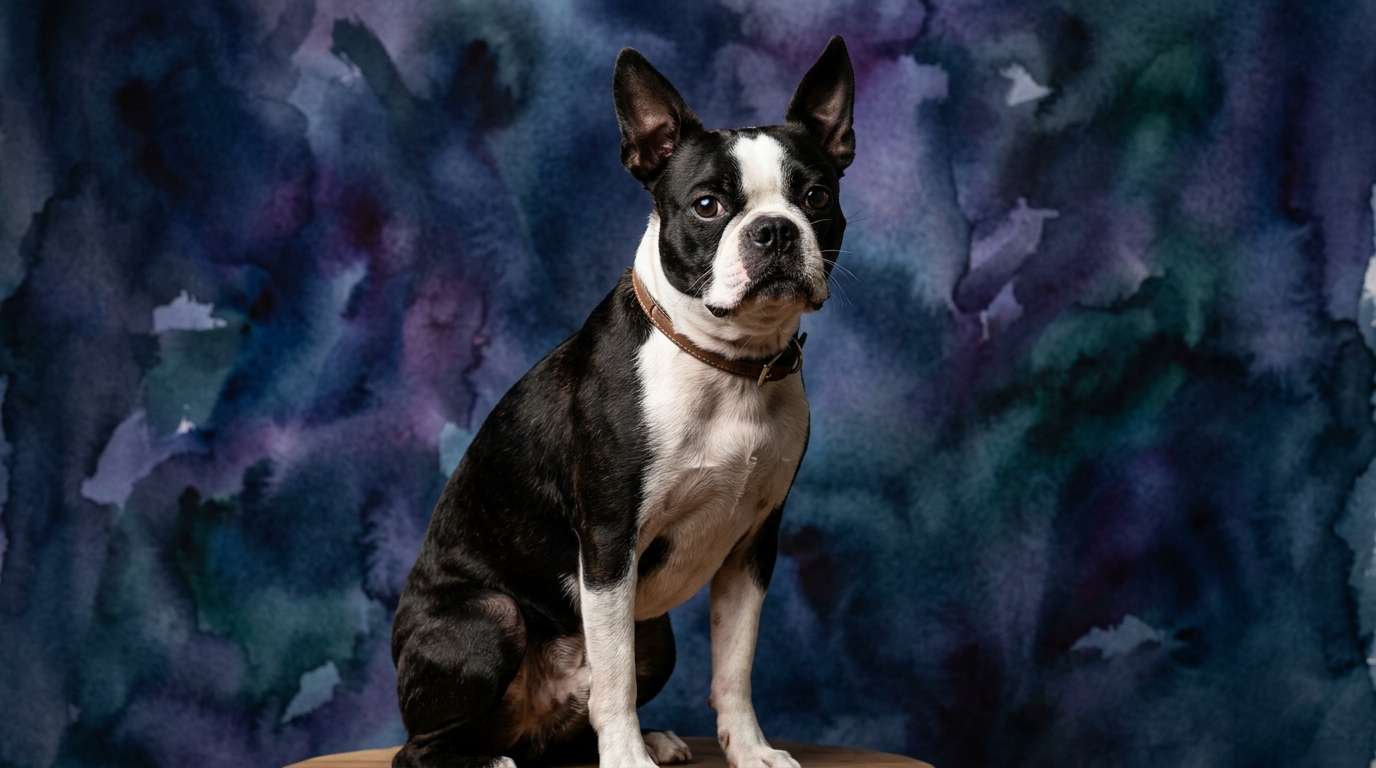
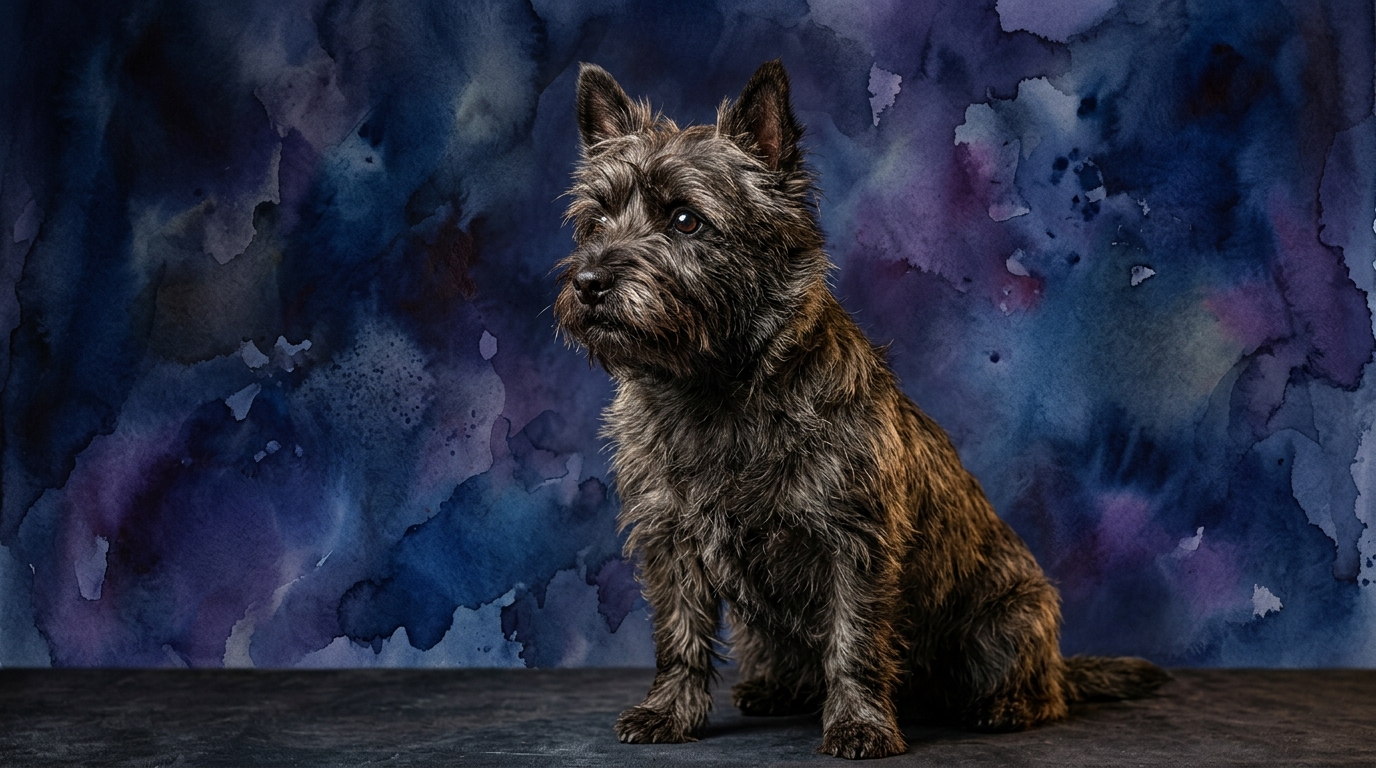
Side-by-Side Cognitive Profiles
The Boston Terrier’s cognitive blueprint is characterized by a moderate Problem Solving ability (3/5), suggesting they generally prefer guidance in novel situations rather than figuring things out independently. Their Training Speed (3/5) indicates they grasp new commands at an average pace, requiring consistent but not overly repetitive instruction. Where they truly excel is Social Intelligence (4/5), reflecting a strong aptitude for understanding human cues, moods, and social structures, making them exceptionally attuned companions. A relatively low Instinctive Drive (2/5) means a reduced inclination for independent hunting or territorial behaviors, fostering a more relaxed domestic presence. Their Memory (3/5) allows them to retain learned behaviors and routines adequately, building on past experiences without exceptional recall.
In contrast, the Cairn Terrier displays a notable ability in Problem Solving (4/5), highlighting their capacity to independently assess and overcome challenges with resourceful thinking. Their Training Speed (4/5) indicates a quick uptake of new information and commands, suggesting they can learn rapidly when engaged. Social Intelligence (3/5) is solid, allowing them to form bonds and understand social dynamics, though perhaps with a more independent streak than the Boston. An Instinctive Drive (3/5) is higher, reflecting their terrier heritage with a greater propensity for exploring, digging, and pursuing scents, signaling a more active engagement with their environment. Their Memory (4/5) is a strong point, enabling them to recall complex sequences and past experiences with impressive clarity, contributing to their quick learning and retention.
Where the Boston Terrier Cognitively Excels
The Boston Terrier truly shines in the realm of social intelligence, scoring a commendable 4 out of 5. This superior aptitude translates into an exceptional ability to read and respond to human emotions and intentions, making them incredibly empathetic and intuitive companions. Unlike breeds with a more singular focus, a Boston Terrier often appears to anticipate their owner's needs or moods, offering comfort or seeking interaction at just the right moment. This cognitive strength means they are deeply attuned to the family unit, often preferring to be involved in whatever their humans are doing rather than pursuing independent activities.
Furthermore, their lower instinctive drive (2/5) can be considered a cognitive advantage in a modern home environment. While some breeds are hardwired with strong urges to hunt, dig, or patrol, the Boston Terrier's reduced inclination in these areas means less internal conflict between their natural instincts and domestic expectations. This often results in a more settled and less destructively curious housemate, simplifying management and training for owners who prefer a calm, predictable presence. Their cognitive landscape is more oriented towards companionship and less towards primal independent pursuits, fostering a unique mental harmony within a family setting.
Where the Cairn Terrier Cognitively Excels
The Cairn Terrier demonstrates a clear cognitive edge in several key areas, particularly in problem-solving, training speed, and memory, each scoring an impressive 4 out of 5. Their problem-solving prowess means they are adept at navigating complex situations, whether it's figuring out how to retrieve a toy from an awkward spot or strategically planning an escape from a secured area. This isn't just about following commands; it's about independent thought and the capacity to devise solutions, sometimes to the pleasant surprise and occasional exasperation of their owners. This cognitive strength makes them engaging partners for puzzle toys and interactive games that challenge their intellect.
Their high training speed and robust memory work in tandem, allowing Cairn Terriers to pick up new commands and routines with remarkable alacrity and retain them over the long term. This means that once a concept is learned, it tends to stick, making subsequent training sessions often about refinement rather than re-teaching. Unlike breeds that might require extensive repetition, a Cairn can often grasp a new cue in fewer sessions, provided the training is engaging and consistent. This combination of quick learning and strong recall makes them highly capable candidates for advanced obedience, agility, or even trick training, where their cognitive strengths can truly flourish. Their instinctive drive, at 3/5, while higher than the Boston, also contributes to their engagement with the world, fueling their curiosity and drive to explore and interact, providing a rich mental landscape for an owner to tap into.
Which Is Easier to Train and Why
Determining which breed is “easier” to train involves appreciating the nuances of their cognitive profiles. On paper, the Cairn Terrier's higher scores in Training Speed (4/5) and Memory (4/5) suggest a quicker uptake and retention of commands. They process new information efficiently and recall it readily, which can make initial skill acquisition seem faster. However, their equally high Problem Solving (4/5) and a stronger Instinctive Drive (3/5) mean that while they learn quickly, they might also apply their intellect to independent agendas or challenge perceived inefficiencies in training. A Cairn might quickly learn “stay” but then use their problem-solving to determine if staying is truly necessary when a squirrel zips by, driven by instinct.
The Boston Terrier, with scores of 3/5 for Training Speed and Memory, might take a slightly longer time to initially grasp new concepts. However, their standout Social Intelligence (4/5) and lower Instinctive Drive (2/5) play a significant role in their trainability. Boston Terriers are deeply motivated by human connection and approval; they are often eager to please and highly responsive to their owner's cues, making them cooperative pupils. Their reduced innate drive means fewer distractions from independent urges like digging or pursuing scents, allowing them to focus more intently on the task at hand. This willingness to collaborate, combined with their attunement to human desires, often makes a Boston Terrier a more straightforward and less challenging training partner for the average pet owner, despite slightly lower raw cognitive processing speeds. Their primary motivation is often connection, simplifying the training dynamic.
Suitability for Active vs. Relaxed Owners
The choice between these two breeds, when considering owner activity levels, hinges significantly on their differing instinctive drives and problem-solving capacities. The Cairn Terrier, with its 3/5 instinctive drive and 4/5 problem-solving, is generally better suited for active owners who can provide consistent mental and physical engagement. Their terrier heritage means they possess a natural zest for exploration, scent work, and purposeful activity. An owner who enjoys hiking, structured playtime, or even dog sports like agility will find a Cairn to be an enthusiastic and capable partner. Without sufficient outlets for their keen minds and robust instincts, a Cairn may independently create their own “problems” to solve, such as digging in the yard or creatively escaping boundaries, indicating a need for consistent engagement.
Conversely, the Boston Terrier, with its lower instinctive drive of 2/5 and higher social intelligence (4/5), typically aligns better with more relaxed owners who prioritize companionship and indoor activities. While they certainly enjoy walks and play, their cognitive makeup means they are often content with moderate exercise and thrive on being a central part of family life. Their pleasure comes more from social interaction and close proximity to their humans than from independent exploration or solving complex environmental puzzles. For an owner seeking a devoted, adaptable companion who is generally happy to curl up on the couch after a pleasant stroll, the Boston Terrier’s cognitive profile offers a more harmonious fit. Their mental energy is largely directed towards their human family, making them excellent companions for a quieter, more routine-oriented lifestyle.
The Verdict
For owners seeking a deeply social companion who thrives on human connection and a more predictable, lower-drive domestic life, the Boston Terrier offers an unmatched blend of affability and adaptability.
Choose the Cairn Terrier if you appreciate a sharp, independent thinker eager for mental challenges and structured activities, ready to engage actively with their surroundings and your shared adventures.
🧠 Find Your Pet's IQ Score
Our Pet IQ Lab assessment covers 25+ tests across 5 cognitive dimensions — personalized to your breed.
Take the Full IQ Test →Frequently Asked Questions
Do Boston Terriers need a lot of mental stimulation?
While Boston Terriers possess good problem-solving skills (3/5) and memory (3/5), their primary cognitive drive is social interaction (4/5). They benefit from moderate mental stimulation through puzzle toys and training games, but thrive most on consistent human companionship and engaging in family activities. Their needs are generally met through quality time with their owners.
Are Cairn Terriers good for first-time dog owners?
Cairn Terriers can be suitable for first-time owners who are prepared for a dog with a strong will, high problem-solving abilities (4/5), and a notable instinctive drive (3/5). Their quick learning (4/5) is an asset, but their independent nature requires consistent, positive training and ample mental and physical engagement to prevent them from becoming bored or mischievous. They thrive with owners who understand terrier tenacity.
Which breed is more prone to independent thinking?
The Cairn Terrier, with its 4/5 problem-solving and 3/5 instinctive drive, is significantly more prone to independent thinking. They are adept at assessing situations and devising their own solutions, sometimes diverging from direct commands if they perceive a more efficient or interesting path. The Boston Terrier, while capable, tends to be more cooperative due to its higher social intelligence and lower independent drive.