Side-by-Side IQ Profile
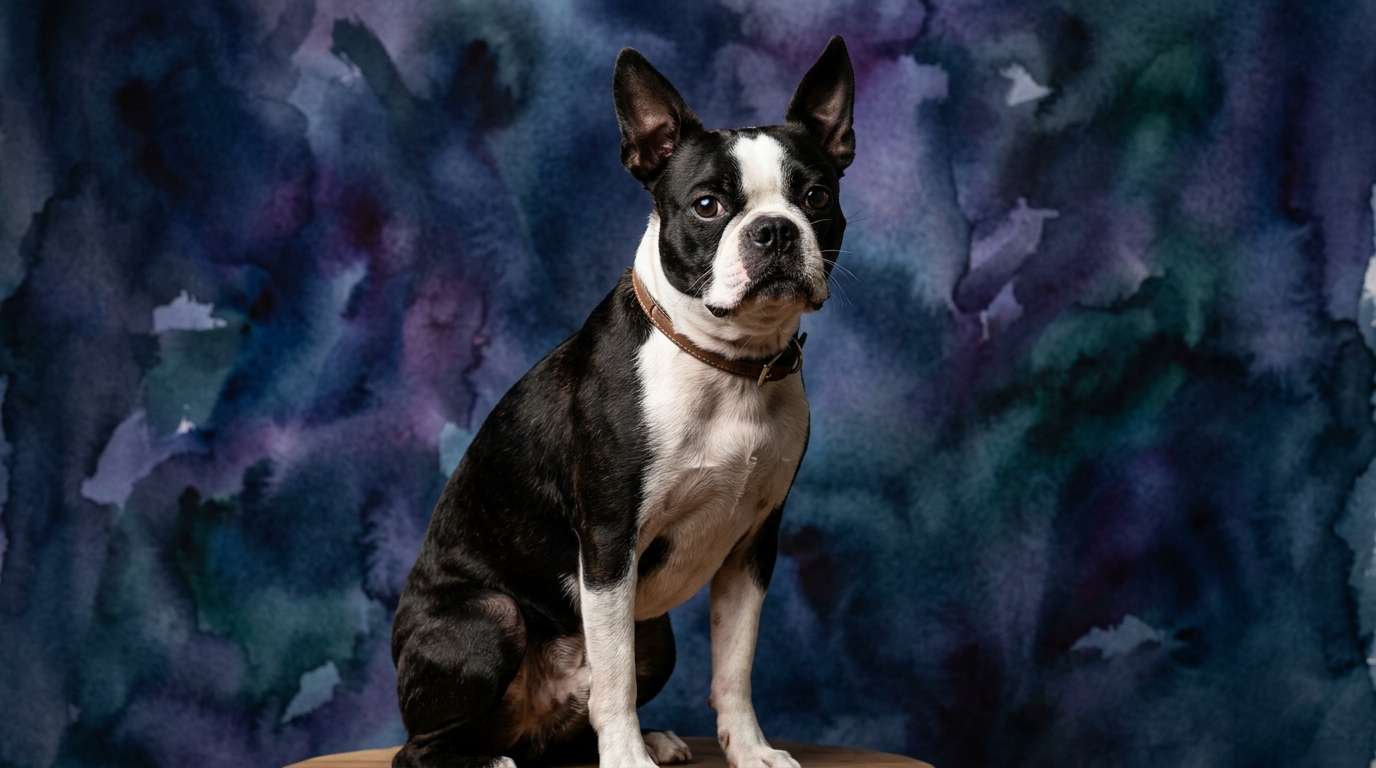
**Boston Terrier (Coren rank #54, Non-Sporting Group)**
**Problem Solving (3/5):** Boston Terriers approach challenges practically, often using learned patterns to navigate household puzzles or familiar situations. Their cognitive strength lies in applying known solutions to tangible problems rather than abstract reasoning.
**Training Speed (3/5):** These dogs learn new commands and routines with consistent effort and positive reinforcement. While not instant learners, their desire for human interaction aids their receptiveness, making them reliable students over time.
**Social Intelligence (4/5):** A defining trait, Boston Terriers excel at interpreting human emotions and body language, often anticipating moods. This strong ability to read cues fosters deep bonds, making them exceptionally empathetic and responsive companions.
**Instinctive Drive (2/5):** With a low instinctive drive, particularly concerning prey, Boston Terriers focus primarily on companionship. This lower drive contributes to their adaptability as indoor pets and generally calm demeanor, less distracted by primal urges.
**Memory (3/5):** Their memory is solid for commands, routines, and favored item locations. They retain positive and negative experiences, which influences future behavior and interactions within their environment.
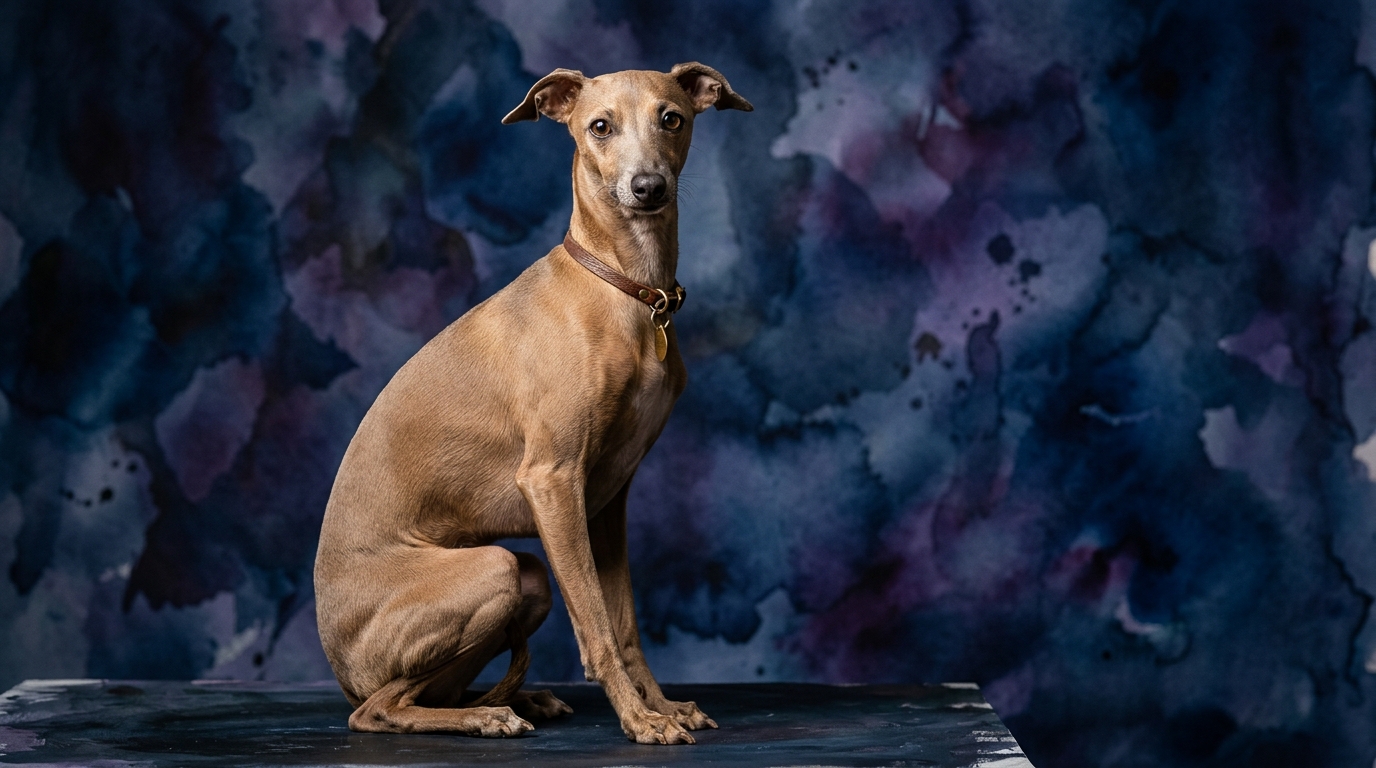
**Italian Greyhound (Not Coren-ranked, Toy Group)**
**Problem Solving (3/5):** Italian Greyhounds adapt to new situations and learn from experience, often navigating their environment efficiently. Their problem-solving manifests in quick decision-making rather than complex, multi-step puzzles.
**Training Speed (3/5):** Similar to Boston Terriers, Italian Greyhounds have moderate training speed. They learn commands, but their sighthound nature means visual stimuli can easily distract them. Effective training requires engaging their attention with rewarding methods.
**Social Intelligence (3/5):** Italian Greyhounds form strong, devoted bonds with their immediate family, showing affection. While attentive to owners, they can be more reserved or cautious with strangers, taking time to assess new social situations.
**Instinctive Drive (3/5):** As sighthounds, Italian Greyhounds possess a notable prey drive, manifesting as an innate urge to chase small, fast-moving objects. This behavior is deeply rooted in their ancestral purpose and requires appropriate management and outlets.
**Memory (3/5):** Italian Greyhounds possess a good memory for routines, learned behaviors, and significant events. They remember people, places, and specific training cues, crucial for navigating their world and responding to familiar commands.
Where Boston Terrier Wins Cognitively
The Boston Terrier’s superior social intelligence (4/5 versus Italian Greyhound’s 3/5) allows for a profound capacity for emotional attunement. Boston Terriers excel at interpreting subtle human cues—tone, expressions, body language—enabling them to anticipate needs and offer comfort. This cognitive strength fosters exceptionally empathetic communication and deep, responsive companionship.
Their lower instinctive drive (2/5 compared to 3/5 for the Italian Greyhound) means their attention is more consistently available for human interaction. Less preoccupied with chasing instincts, Boston Terriers are less prone to environmental distractions and more inclined to engage in collaborative activities, reinforcing their role as devoted, focused family members.
Where Italian Greyhound Wins Cognitively
The Italian Greyhound’s higher instinctive drive (3/5 versus Boston Terrier’s 2/5) represents a distinct cognitive advantage in their specialized talents. This drive fuels exceptional visual acuity and rapid decision-making in dynamic environments, underpinning their ability to track movement and react with incredible speed. This isn't just physical; it involves sophisticated cognitive processing to identify and pursue moving stimuli.
Their sighthound heritage implies a cognitive framework optimized for speed and agility. While their general problem-solving is 3/5, their cognitive prowess shines in scenarios demanding instant assessment and explosive action, demonstrating a specialized form of intelligence. They excel at 'solving' the problem of catching a fast-moving target, requiring quick mental calculations and spatial awareness.
Which is Easier to Train and Why
Both breeds share a 3/5 training speed score, meaning consistent, positive reinforcement works for both. However, their differing social intelligence and instinctive drives create distinct training experiences. The Boston Terrier’s 4/5 social intelligence is a significant asset; their desire for positive human interaction and keen ability to interpret cues make them highly motivated by praise. This emotional attunement often makes them exceptionally responsive, as they are invested in cooperative processes and eager to please. Their lower instinctive drive also reduces distractions, allowing better focus on instructions.
Italian Greyhounds, despite also bonding deeply, have a 3/5 social intelligence and 3/5 instinctive drive, which presents different training considerations. Their sighthound instincts mean a fleeting squirrel can instantly override commands, especially outdoors. Training requires creativity to capture and maintain their attention against innate urges. They thrive on clear, concise commands and positive reinforcement that acknowledges their independent spirit, rather than solely relying on a strong desire to please, which may be less pronounced than in a Boston Terrier.
Which Suits Active Owners vs Relaxed Owners
The Boston Terrier, with its lower instinctive drive (2/5) and high social intelligence (4/5), is remarkably adaptable. They thrive with moderately active owners who enjoy daily walks, but are equally content as relaxed companions, snuggling for extended periods. Their cognitive focus on human interaction means they are happy as long as they are close to family, making them excellent choices for owners appreciating a versatile companion that adjusts to varying energy levels without demanding intense, structured physical activity.
Italian Greyhounds, built for bursts of speed with a higher instinctive drive (3/5), genuinely need outlets for running and chasing. This makes them better suited for active owners. While affectionate indoors, their cognitive and physical well-being benefits immensely from opportunities to sprint in a securely fenced area. Owners enjoying regular, vigorous exercise will find them rewarding partners. Their independence and need for exertion mean they aren't ideal for those seeking a purely sedentary companion, as unmet energy needs can lead to behavioral frustrations.
The Verdict
Choose a Boston Terrier if you seek a deeply empathetic, emotionally attuned companion who excels at interpreting human social cues and seamlessly integrates into a varied domestic lifestyle, with less concern for intense instinctive drives.
Select an Italian Greyhound if you are an active individual or family who can provide consistent outlets for their innate sighthound instincts and appreciate a devoted, yet somewhat independent, companion whose cognitive strengths lie in speed, agility, and dynamic environmental processing.
🧠 Find Your Pet's IQ Score
Our Pet IQ Lab assessment covers 25+ tests across 5 cognitive dimensions — personalized to your breed.
Take the Full IQ Test →Frequently Asked Questions
Are Boston Terriers good with children?
Boston Terriers' high social intelligence (4/5) and adaptable nature often make them excellent family dogs, capable of forming strong bonds with children. Their patience and ability to read human cues help them navigate interactions, though supervision is always recommended for any dog-child pairing.
Do Italian Greyhounds need a lot of exercise?
While Italian Greyhounds enjoy lounging, their 3/5 instinctive drive means they do need regular, vigorous exercise, ideally in short bursts of running in a secure area. Daily walks and opportunities for safe off-leash play are crucial for their physical and mental well-being, but they aren't endurance athletes.
Which breed is more prone to separation anxiety?
Both breeds can develop separation anxiety if not properly socialized or left alone for excessive periods, given their companion-oriented natures. However, the Boston Terrier's higher social intelligence and stronger reliance on human interaction might make them slightly more prone to distress if their need for companionship is consistently unmet.