Side-by-Side Cognitive Profiles
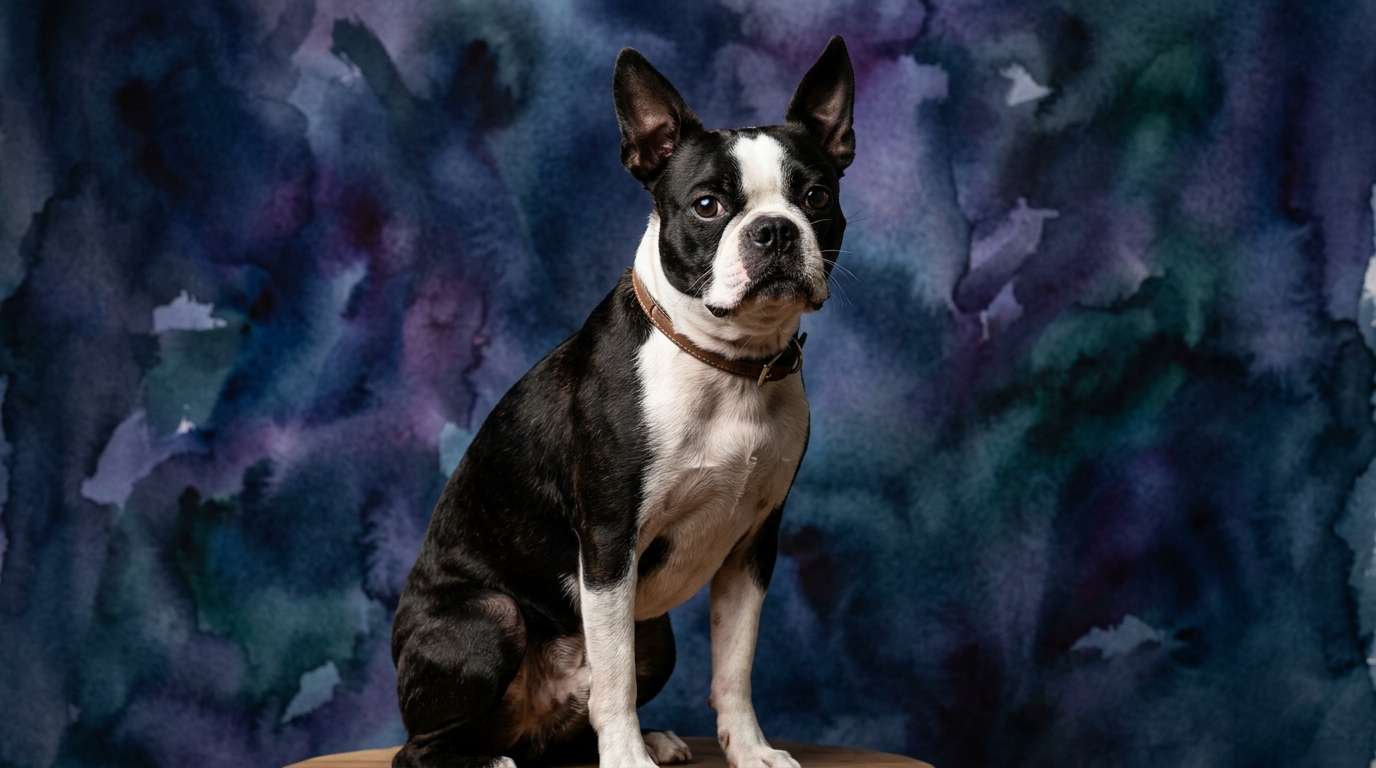
The Boston Terrier, ranked #54 by Coren, presents a balanced cognitive profile with a notable strength in social connection. Their Problem Solving is rated 3/5, indicating an ability to learn and apply solutions to moderate challenges, often with human guidance. Training Speed also sits at 3/5; they are receptive to learning new commands, though their charming independence might occasionally require patient, consistent methods. Where they truly distinguish themselves is in Social Intelligence, scoring 4/5, reflecting a deep attunement to human emotions and an eagerness to engage in reciprocal communication. Instinctive Drive is lower at 2/5, meaning they are less inclined towards independent pursuits like hunting or extensive exploration, preferring human company. Their Memory is a solid 3/5, allowing them to retain routines and commands effectively.
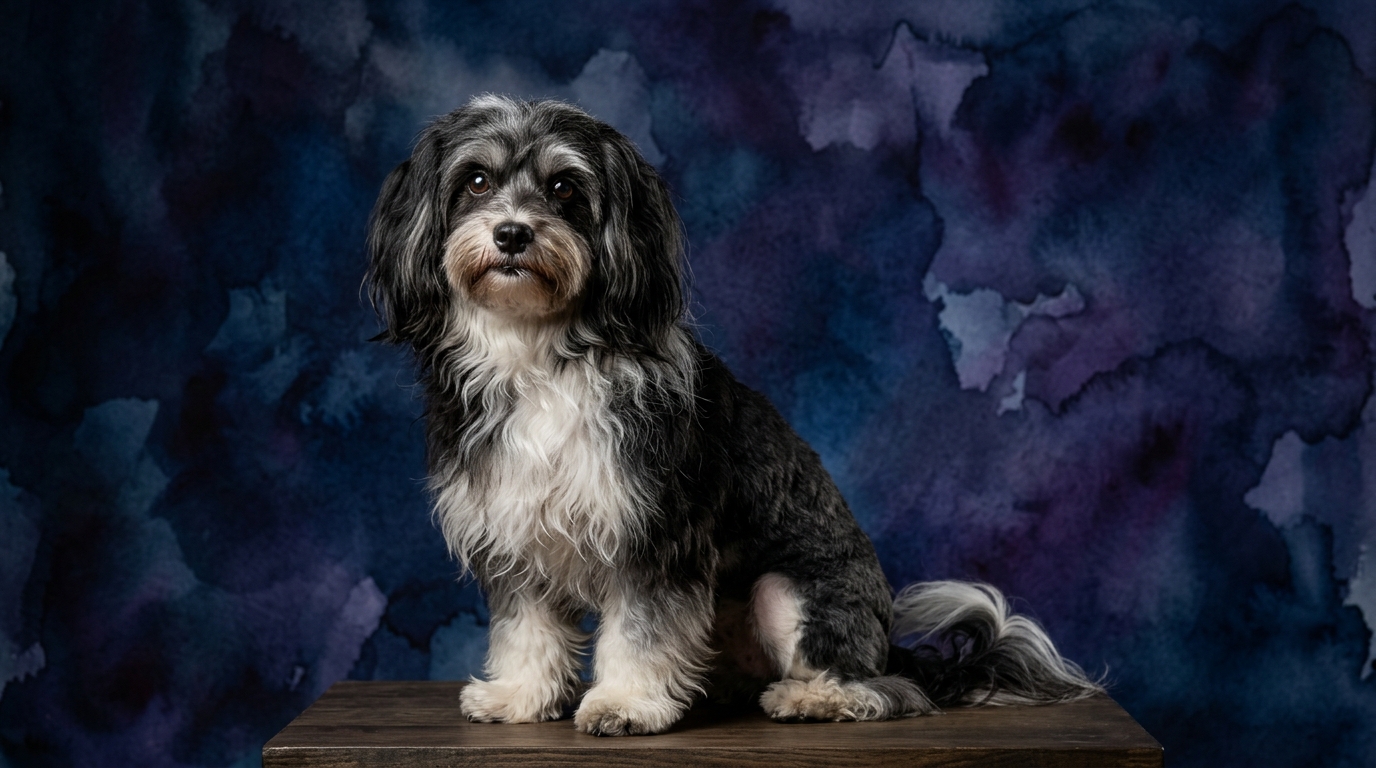
The Löwchen, while not formally Coren-ranked, offers a slightly different, yet equally engaging, set of cognitive aptitudes. They match the Boston Terrier in Problem Solving at 3/5, capable of figuring out moderate puzzles or navigating new situations, often with a touch more self-reliance. Their Training Speed is also 3/5, meaning they learn at a comparable pace, but their independent spirit might require a more playful and varied approach to keep them focused. Social Intelligence for the Löwchen is 3/5; they are affectionate and enjoy companionship, but perhaps less intensely focused on human emotional cues than the Boston. A key differentiator is their Instinctive Drive, rated 3/5, suggesting a more pronounced curiosity about their environment and a greater inclination for spontaneous play or exploration. Memory is also 3/5, allowing them to recall learned behaviors and routines reliably.
Where the Boston Terrier Excels Cognitively
The Boston Terrier's standout cognitive advantage lies in its superior Social Intelligence, scoring 4/5 compared to the Löwchen's 3/5. This translates into a profound capacity for emotional resonance and communicative nuance. A Boston Terrier is often more perceptive of an owner's mood shifts, responding with comforting presence or playful overtures. They excel in understanding subtle human cues, such as gestures or changes in tone, making them exceptionally cooperative in shared activities. This heightened social awareness means they often develop incredibly strong, almost intuitive bonds, making them highly responsive to praise and social interaction as primary motivators. They are less likely to wander off during a walk, preferring to stay close and engaged with their human.
This elevated social aptitude also contributes to their adaptability in various social settings. A Boston Terrier is generally more inclined to seek out human interaction and is often described as a 'people dog.' Their focus is less on independent exploration and more on being an integral part of the family unit, often positioning themselves to observe and participate in household activities. This makes them particularly adept at learning through observation of human behavior and makes them excellent candidates for therapy work where sensitivity to human emotional states is paramount. Their lower Instinctive Drive complements this, ensuring their attention remains primarily on their human companions rather than external distractions.
Where the Löwchen Shines Cognitively
The Löwchen distinguishes itself with a slightly higher Instinctive Drive, rated 3/5 compared to the Boston Terrier's 2/5. This difference suggests a more pronounced innate curiosity and a greater zest for engaging with their surroundings. While not a working breed, this drive manifests as a spirited enthusiasm for play, exploration, and engaging with novel stimuli. They might be more inclined to investigate new smells, explore different paths on a walk, or initiate games that involve chasing and 'hunting' toys. This makes them wonderful companions for owners who enjoy interactive play sessions and appreciate a dog with a bit more independent spark and environmental engagement.
This elevated instinctive drive also contributes to a Löwchen's self-amusement capabilities. While they love company, they may be more content to explore a new toy or investigate a rustle in the bushes on their own for a short period, rather than constantly seeking human attention. Their Problem Solving score of 3/5, combined with this drive, means they are capable of navigating their environment with a degree of cleverness and persistence, perhaps figuring out how to retrieve a toy from under furniture with more independent tenacity. This makes them robust companions for varied activities, from agility-lite courses to simply enjoying an adventurous walk in a new park.
Training Dynamics: Boston Terrier vs. Löwchen
Both breeds share a Training Speed rating of 3/5, indicating they are capable learners. However, the nuances of their other cognitive traits significantly influence the training experience. The Boston Terrier's superior Social Intelligence (4/5) often makes them perceivably easier to train for obedience and manners. They are deeply motivated by human approval and social rewards, making them highly responsive to praise, affection, and positive reinforcement. Their lower Instinctive Drive (2/5) means they are generally less distracted by environmental stimuli, allowing them to focus more intently on the trainer and the task at hand. This combination results in a dog that often seeks to understand and comply, making training a cooperative and rewarding endeavor.
The Löwchen, while equally capable of learning with a 3/5 Training Speed, might present a slightly different approach. Their 3/5 Social Intelligence means they value interaction, but their 3/5 Instinctive Drive introduces a greater element of independent spirit and potential for distraction. Trainers might find that Löwchens respond best to shorter, more engaging sessions that incorporate play and novelty to maintain their interest. They might be more inclined to follow an interesting scent or investigate a sound, requiring more consistent redirection than a Boston. While eager to please their person, their internal motivation might also stem from the fun of the activity itself rather than solely from human approval, necessitating a creative and varied training regimen.
Lifestyle Compatibility: Active vs. Relaxed Owners
For owners seeking a relaxed, devoted companion perfectly content with a more sedentary lifestyle, the Boston Terrier often emerges as the ideal choice. Their 4/5 Social Intelligence means their primary need is for companionship and interaction with their human family. They are typically satisfied with moderate daily walks and ample cuddle time, thriving on being an integral, often quiet, presence in the home. Their lower Instinctive Drive (2/5) means they are less prone to restlessness or demanding extensive physical outlets, making them adaptable to apartment living and suitable for individuals who enjoy a calm, predictable routine.
Conversely, the Löwchen, with its 3/5 Instinctive Drive and spirited nature, is better suited for more active owners who appreciate a dog with a bit more zest for life and exploration. While they are not high-energy athletes, they enjoy varied activities, longer walks, and engaging play sessions. Their curiosity and independent streak mean they thrive when given opportunities to explore new environments, engage in puzzle toys, or participate in playful games. They are wonderful companions for owners who enjoy a dynamic routine, perhaps incorporating trips to new parks or engaging in low-impact dog sports that tap into their innate drive and problem-solving abilities.
The Verdict
Choose the Boston Terrier if you prioritize a deeply socially intelligent companion who thrives on close human connection, responds intuitively to your cues, and is content with a more relaxed, companionship-focused lifestyle.
Opt for the Löwchen if you desire a spirited, playful companion with a touch more independent curiosity, who enjoys varied activities, exploring new environments, and engaging in interactive play sessions.
🧠 Find Your Pet's IQ Score
Our Pet IQ Lab assessment covers 25+ tests across 5 cognitive dimensions — personalized to your breed.
Take the Full IQ Test →Frequently Asked Questions
How does a Boston Terrier's high social intelligence impact their behavior?
A Boston Terrier's 4/5 social intelligence means they are highly attuned to human emotions and cues, often seeking to please and forming deep, intuitive bonds. This makes them very responsive in training and excellent emotional support companions.
Does the Löwchen's instinctive drive mean they need a lot of exercise?
The Löwchen's 3/5 instinctive drive suggests a spirited nature and enjoyment of varied activities, but not necessarily extreme exercise. They thrive on engaging play, exploration, and mental stimulation rather than just strenuous physical exertion.
Are either of these breeds prone to being 'one-person' dogs given their social scores?
Both breeds are affectionate, but the Boston Terrier's 4/5 social intelligence often makes them highly devoted to their primary caregiver. The Löwchen, while loving, with a 3/5 social intelligence and a slightly more independent drive, might be a bit more amenable to interacting with various family members without being exclusively 'one-person' focused.