The Cosmic Pet Pet IQ Lab: A Side-by-Side Cognitive Profile
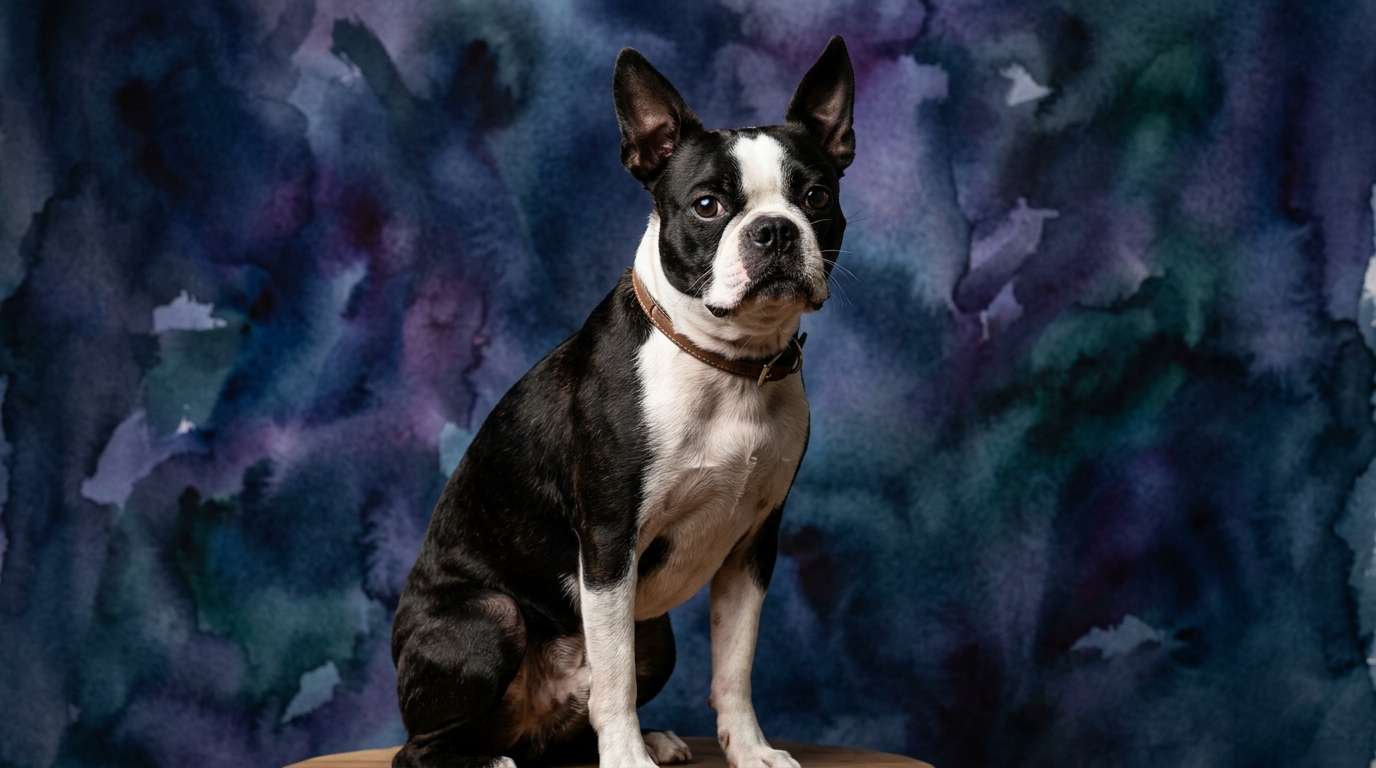
The Cosmic Pet Pet IQ Lab evaluates canine intelligence across five critical dimensions: problem solving, training speed, social intelligence, instinctive drive, and memory. For the Boston Terrier, a member of the Non-Sporting group and ranked #54 by Coren, its profile shows a balanced cognitive approach with a standout social aptitude. They score 3 out of 5 for problem solving, indicating a moderate capacity to navigate novel situations and figure out solutions. Their training speed also registers at 3 out of 5, suggesting they absorb new commands and routines at an average, steady pace. Where Boston Terriers truly shine is in social intelligence, earning an impressive 4 out of 5, reflecting their exceptional ability to read human cues and form strong emotional bonds. Their instinctive drive is lower at 2 out of 5, meaning they are less compelled by innate, breed-specific working behaviors. Finally, their memory score of 3 out of 5 shows a solid ability to retain learned information over time.
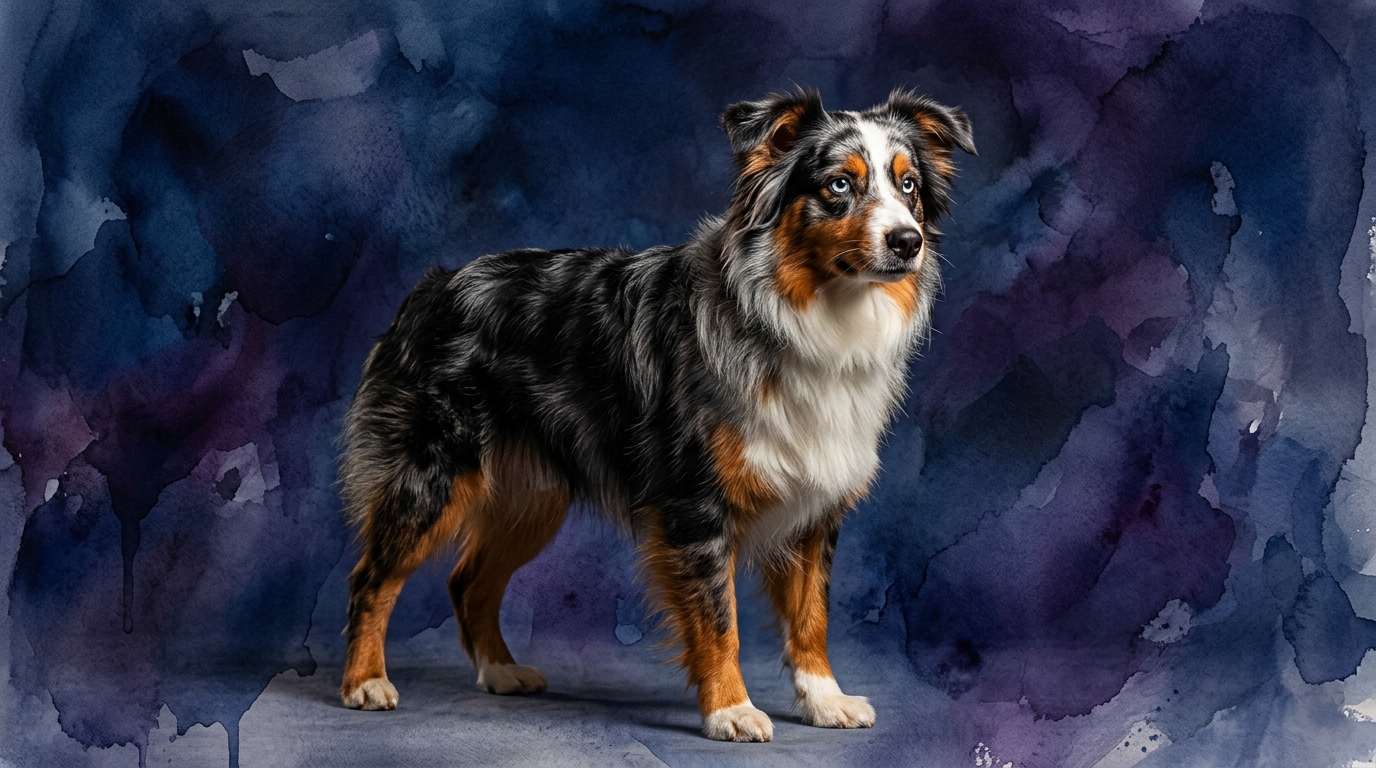
In contrast, the Miniature American Shepherd, a robust Herding breed not specifically ranked by Coren, presents a remarkably uniform and balanced cognitive profile. This breed scores a consistent 3 out of 5 across all five IQ dimensions: problem solving, training speed, social intelligence, instinctive drive, and memory. A 3/5 in problem solving indicates they are capable and adaptable thinkers, able to work through challenges effectively. Their training speed of 3/5 means they are responsive learners, on par with the Boston Terrier but perhaps with different motivations. A 3/5 in social intelligence suggests they are adequately attuned to human interaction, capable of strong bonds but perhaps not as instinctively focused on human connection as the Boston Terrier. Their instinctive drive, also 3 out of 5, highlights a moderate but present inclination towards working behaviors, typical of their herding heritage. Lastly, their memory score of 3 out of 5 ensures they reliably recall commands and experiences, supporting their trainability and consistency.
Where the Boston Terrier Excels Cognitively
The Boston Terrier’s most significant cognitive advantage lies in its exceptional social intelligence, scoring a 4 out of 5. This translates into a dog that is profoundly attuned to human emotions and intentions. They possess an innate ability to understand subtle shifts in tone, body language, and mood, often anticipating their owner's needs or reactions. This high social intelligence makes them incredibly empathetic companions, often seeking to comfort or engage based on observed human cues. It fuels their desire for companionship, making them highly responsive to praise and interaction, which can be a powerful motivator in training and daily life. Their strong social drive means they thrive on being an integral part of the family unit, often preferring close proximity and interaction over independent activities.
This superior social understanding also contributes to their adaptability in various social settings, making them generally welcoming of new people and experiences when properly socialized. While their problem-solving and training speed scores are average, their deep social connection can often facilitate learning, as they are eager to please and maintain harmony within their human pack. They might not be the most independent thinkers when it comes to complex tasks, but their ability to 'read the room' and respond appropriately makes them remarkably intuitive and charming companions, often seeming to understand their humans on a deeper level than many other breeds.
Where the Miniature American Shepherd Shows its Strengths
The Miniature American Shepherd's cognitive strengths are rooted in its balanced and consistent profile, particularly its 3 out of 5 scores across problem solving, training speed, and instinctive drive. Unlike the Boston Terrier's specialized social intelligence, the Mini American Shepherd offers a well-rounded aptitude for learning and engagement. Their 3/5 problem-solving score means they are adept at figuring out puzzles, navigating obstacles, and adapting to new environments independently. This isn't just about obedience; it's about practical intelligence – the ability to assess a situation and devise a solution, a trait invaluable in a working breed.
Their equally balanced instinctive drive at 3 out of 5 means they possess a moderate but consistent urge to engage in purposeful activities, whether it’s herding, agility, or other dog sports. This drive, combined with their 3/5 problem-solving ability, makes them highly capable of complex tasks that require both physical and mental engagement. They are not simply following commands; they are often thinking through the task at hand. This breed demonstrates a robust mental stamina, capable of sustained focus on tasks. While their social intelligence is a respectable 3/5, their intelligence is more outwardly focused on action and task completion, rather than primarily on human emotional attunement, distinguishing them from the Boston Terrier's core strength.
Training Dynamics: Boston Terrier vs. Miniature American Shepherd
When it comes to training, both breeds score a 3 out of 5 in training speed, indicating they learn at a comparable, average pace. However, the *mechanisms* of their learning and motivation differ significantly, impacting the training experience. The Boston Terrier, with its high social intelligence (4/5) and lower instinctive drive (2/5), is often motivated by a strong desire to please its human companions and receive positive social reinforcement. They thrive on praise, affection, and being an active participant in family life. Their training success often hinges on consistent, positive reinforcement methods that leverage their strong bond with their owner. They might not be driven to perform complex tasks for their own sake, but rather for the joy of interaction and approval. Their lower instinctive drive means they are less likely to be distracted by primal urges like chasing or intense exploration, which can simplify training in some environments.
Conversely, the Miniature American Shepherd's balanced 3/5 scores across problem solving, training speed, and instinctive drive suggest a dog that learns efficiently when given a clear purpose. Their moderate instinctive drive means they are often eager for tasks and mental stimulation. They respond well to training that challenges their minds and bodies, such as agility, obedience, or even mock herding exercises. While they appreciate human connection, their motivation often extends beyond mere pleasing; they derive satisfaction from successfully completing a task or solving a problem. This means a Mini American Shepherd might be more inclined to offer independent solutions or 'think for themselves' during training, requiring an owner who can channel that intelligence and drive effectively. For an owner seeking a dog for dog sports or complex work, the Mini American Shepherd's combination of problem-solving and drive makes them highly adaptable and capable learners, whereas the Boston Terrier excels in companion-focused obedience driven by social connection.
Ideal Owners: Active Pursuits vs. Relaxed Companionship
The contrasting cognitive profiles of the Boston Terrier and Miniature American Shepherd directly inform which type of owner they would thrive with. The Boston Terrier, with its elevated social intelligence (4/5) and lower instinctive drive (2/5), is an ideal companion for owners seeking a devoted, affectionate, and relatively relaxed presence. They fit seamlessly into homes where companionship is paramount, enjoying indoor activities, short walks, and ample cuddle time. Their cognitive makeup means they are less demanding of intense physical exercise or complex mental tasks, preferring instead to be a cherished member of the family, attuned to the emotional rhythm of the household. They are content with moderate daily stimulation, thriving on consistent human interaction rather than extensive independent ventures. An owner who values a dog's presence, conversational 'understanding,' and emotional responsiveness will find a perfect match in the Boston Terrier.
The Miniature American Shepherd, with its balanced cognitive scores across the board (all 3/5), especially its moderate instinctive drive and problem-solving abilities, is best suited for active owners who can provide consistent mental and physical stimulation. This breed flourishes with purposeful activities like agility, obedience, rally, or even just long, engaging hikes that offer varied sensory experiences. Their cognitive makeup demands more than just casual walks; they need tasks to engage their problem-solving minds and outlets for their moderate instinctive drives. An owner who enjoys training, exploring, and participating in dog sports will find the Miniature American Shepherd an enthusiastic and capable partner. They need a lifestyle that channels their intelligence and energy productively, preventing boredom-induced behaviors. While affectionate, their primary satisfaction often comes from working alongside their human, making them less of a 'lap dog' and more of a 'working partner' compared to the Boston Terrier.
The Verdict
Choose a Boston Terrier if you prioritize a deeply empathetic, socially astute companion who thrives on close human connection and a more relaxed daily routine, offering intuitive companionship.
Opt for a Miniature American Shepherd if you seek an intelligent, versatile partner eager for mental and physical challenges, excelling in activities that engage their balanced problem-solving and instinctive drives.
🧠 Find Your Pet's IQ Score
Our Pet IQ Lab assessment covers 25+ tests across 5 cognitive dimensions — personalized to your breed.
Take the Full IQ Test →Frequently Asked Questions
Do Boston Terriers require a lot of mental stimulation?
Boston Terriers have a 3/5 problem-solving score, meaning they appreciate moderate mental engagement but are not as demanding as breeds with higher instinctive drives. They thrive on interactive play and training that leverages their high social intelligence, often satisfied by simply being involved in family activities.
Are Miniature American Shepherds good for first-time dog owners?
Miniature American Shepherds, with their balanced 3/5 scores in problem-solving and instinctive drive, can be suitable for first-time owners who are committed to providing consistent training, mental enrichment, and daily exercise. Their intelligence requires an owner willing to invest time in channeling their capabilities positively.
Which breed is more adaptable to apartment living?
The Boston Terrier, with its lower instinctive drive and moderate exercise needs, is generally more adaptable to apartment living, provided they receive daily walks and plenty of human interaction. Miniature American Shepherds, while compact, require more extensive mental and physical outlets, making them better suited for homes with access to more space or highly active owners.