Side-by-Side IQ Profile: Boston Terrier vs. Shiba Inu
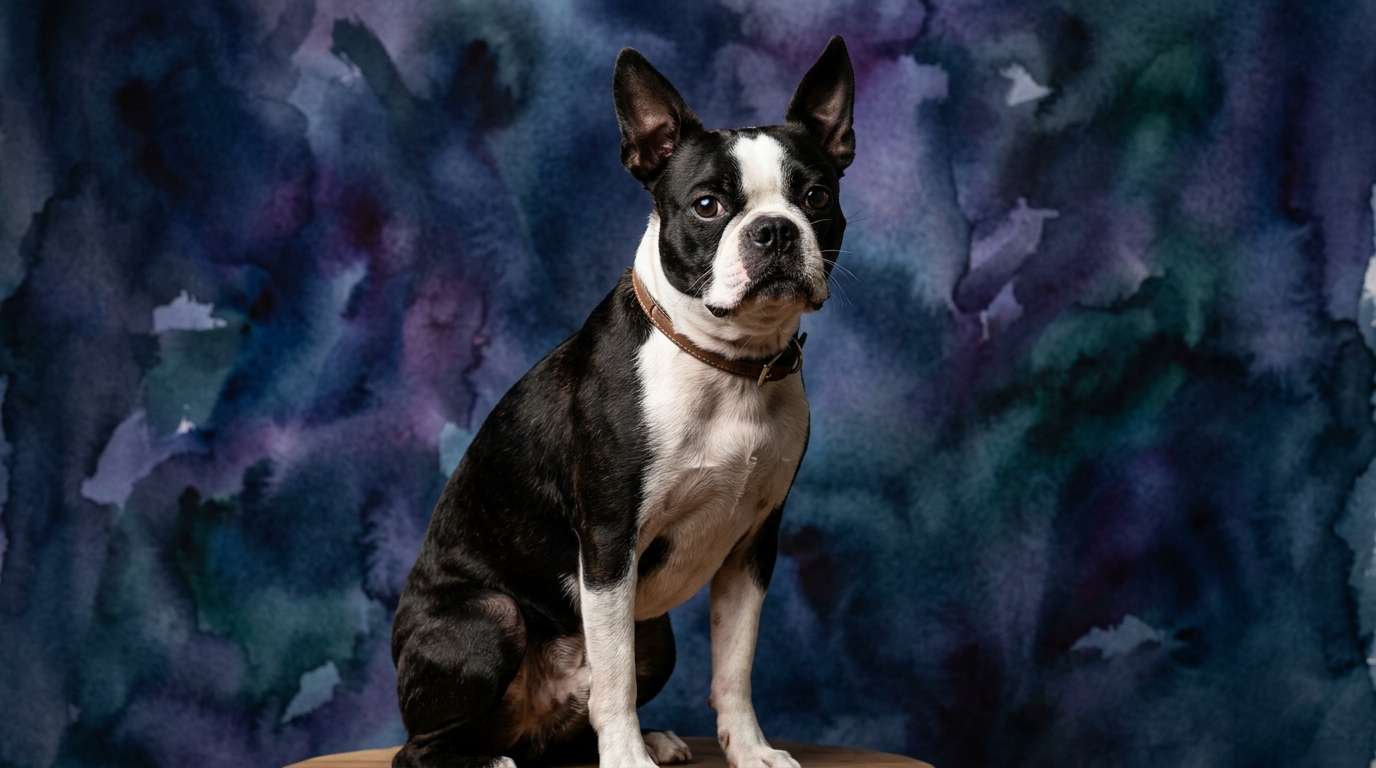
The Cosmic Pet Pet IQ Lab employs five key dimensions to evaluate canine cognition, providing a nuanced understanding of each breed's mental landscape. For the Boston Terrier, ranked #54 by Coren, we observe a balanced, socially-oriented profile. Their Problem Solving is rated 3/5, indicating a capacity for learning routines and tackling moderate challenges, often with human encouragement. Training Speed sits at 3/5, suggesting they are moderately quick to grasp new commands, thriving on positive reinforcement and engagement. A standout characteristic is their Social Intelligence at 4/5; these dogs are highly attuned to human emotions and social cues, excelling as empathetic companions who seek interaction.
Their Instinctive Drive is a modest 2/5, meaning their natural predispositions lean more towards companionship and play rather than strong prey or guarding behaviors. Memory is rated 3/5, solid for retaining learned behaviors and routines, though perhaps not for exceptionally complex sequences without consistent reinforcement.
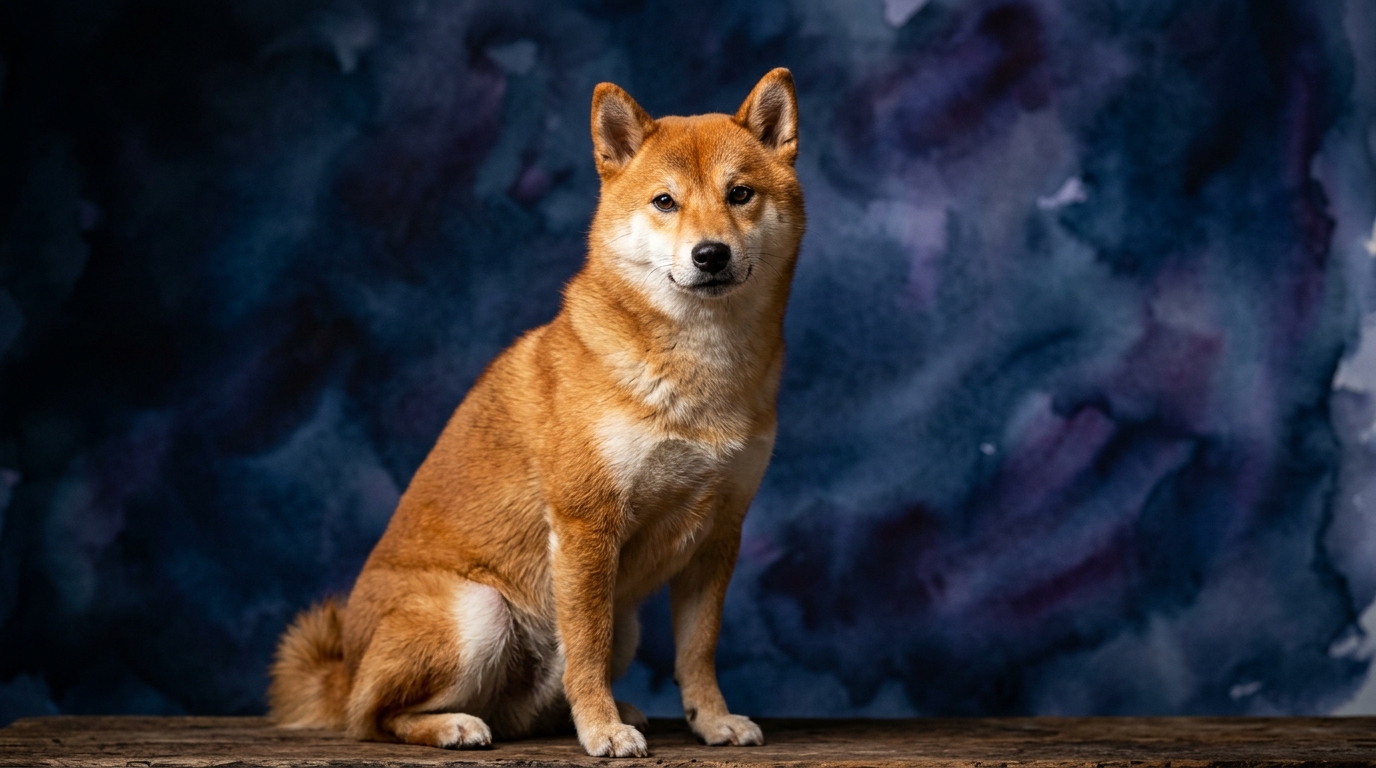
In contrast, the Shiba Inu, a breed not Coren-ranked but with a distinctive cognitive blueprint, presents a more self-reliant and instinct-driven profile. Their Problem Solving is rated 4/5, reflecting a clever and resourceful nature, often finding ingenious, sometimes mischievous, ways to achieve their objectives independently. Training Speed, however, is 2/5; while capable of learning quickly, their strong will often dictates whether they choose to comply, requiring patient and motivating approaches.
Social Intelligence at 3/5 suggests they are observant of their human companions but tend to express affection and form bonds on their own terms, often with a subtle dignity. Their most prominent cognitive trait is an Instinctive Drive of 5/5, a powerful reflection of their heritage as alert hunting dogs with a high prey drive and a profound sense of independence. Finally, their Memory is 4/5, indicating an excellent capacity to recall past experiences, learned commands, and consequences, even if their independent streak leads them to feign ignorance occasionally.
Where the Boston Terrier Excels Cognitively
The Boston Terrier's cognitive strengths primarily orbit around their exceptional social intelligence. Rated 4/5 in this dimension, they possess an innate ability to read human emotions and intentions, making them extraordinarily responsive and empathetic companions. This deep attunement means they often anticipate their owner's moods and desires, fostering a remarkably harmonious household dynamic.
Their lower instinctive drive (2/5) further enhances this advantage; without overwhelming urges to chase or guard, their focus remains predominantly on their human interactions. This allows for a more direct and less distracted cognitive engagement during shared activities or training sessions. Their moderate training speed (3/5), when coupled with their eagerness to please and high social drive, positions them as cooperative learners who genuinely enjoy the collaborative process of acquiring new skills, making them receptive to guidance and praise.
Where the Shiba Inu Excels Cognitively
The Shiba Inu's cognitive prowess shines brightest in its problem-solving abilities and robust instinctive drives. With a 4/5 rating for Problem Solving, these dogs are natural strategists, adept at independently figuring out how to open gates, access forbidden treats, or navigate complex environments. This resourcefulness stems from a deep-seated self-reliance, demanding mental engagement from their environment.
Their Instinctive Drive, rated a formidable 5/5, is a double-edged sword: while it presents training challenges, it also represents a profound connection to their ancestral purpose. This drive manifests as acute awareness, strong territorial instincts, and a relentless pursuit of interesting scents, showcasing a highly developed suite of innate behaviors. Furthermore, their Memory, at 4/5, is a significant asset. Shibas recall past events and learned associations with remarkable clarity, an attribute that, while sometimes used to remember past transgressions or successful rule-bending, also underpins their capacity for complex learning over time.
Which is Easier to Train and Why
When considering ease of training, the Boston Terrier generally offers a more straightforward experience than the Shiba Inu. The Boston Terrier's higher Social Intelligence (4/5) means they are inherently motivated by human interaction and approval. They genuinely enjoy engaging with their owners and find the process of learning new commands rewarding in itself, bolstered by positive reinforcement. Their moderate Training Speed (3/5) allows them to pick up cues relatively quickly, and their lower Instinctive Drive (2/5) means fewer internal distractions from strong urges to chase or patrol, allowing them to focus more readily on the task at hand.
Conversely, the Shiba Inu's training journey is often characterized by a spirited independence. While they possess excellent Problem Solving (4/5) and Memory (4/5), their Training Speed is a lower 2/5, largely because their strong will and high Instinctive Drive (5/5) mean they often decide whether or not to comply, even if they understand the command. Their self-directed nature means they are less motivated by mere human approval and require more creative, high-value rewards and very consistent, patient handling. Training a Shiba isn't about teaching *if* they can learn, but *if* they will *choose* to perform, making the process a test of the owner's understanding of their independent spirit.
Which Suits Active Owners vs. Relaxed Owners
The choice between these two breeds also hinges significantly on an owner's lifestyle and activity level. The Boston Terrier, with its balanced cognitive profile and moderate energy needs, adapts well to a variety of home environments, making it suitable for both relaxed and moderately active owners. While they certainly enjoy daily walks, playtime, and mental enrichment, their lower Instinctive Drive (2/5) means they are equally content to spend time cuddling on the couch, thriving primarily on companionship. They are a good fit for individuals or families seeking an adaptable, affectionate dog that can integrate smoothly into diverse daily routines without demanding excessive physical exertion or constant management of strong natural urges.
The Shiba Inu, however, is best suited for active, experienced owners who appreciate and can channel a dog's profound independence and high instinctive drive. Their 5/5 Instinctive Drive necessitates consistent physical exercise, robust mental stimulation, and secure environments to prevent them from acting on their powerful urges to explore, chase, or patrol. These dogs thrive with owners who enjoy outdoor activities, can provide engaging training challenges, and are prepared to manage a self-reliant personality. A relaxed owner might find the Shiba's independent problem-solving (4/5) and strong natural drives challenging to manage, potentially leading to frustration for both dog and human.
The Verdict
For those seeking an empathetic, responsive companion, eager to participate in family life and relatively straightforward in training, the Boston Terrier is an excellent match, offering boundless affection and cooperative engagement.
For experienced owners who appreciate a spirited, self-reliant canine with a sharp mind and can commit to consistent, engaging training and management of strong natural drives, the Shiba Inu offers a unique and rewarding bond.
🧠 Find Your Pet's IQ Score
Our Pet IQ Lab assessment covers 25+ tests across 5 cognitive dimensions — personalized to your breed.
Take the Full IQ Test →Frequently Asked Questions
Are Boston Terriers good apartment dogs?
Yes, their moderate size and adaptable nature make them well-suited for apartment living, provided they receive regular walks and mental engagement. Their primary requirement is consistent human companionship.
Do Shiba Inus get along with other pets?
Due to their strong prey drive and independent nature, early and consistent socialization is crucial for Shiba Inus to coexist peacefully with other pets, especially smaller animals. Introductions should always be supervised.
What's the main difference in their trainability?
The Boston Terrier's higher social intelligence and desire to please often translate to quicker compliance in training, whereas the Shiba Inu, despite its problem-solving acumen, requires more patience and creative motivation to overcome its independent streak.