
Side-by-Side Cognitive Profiles
**Boxer (Working Group, Coren Rank #48):** Boxers bring a distinctive blend of cognitive strengths. Their Problem Solving is rated 3/5; they typically approach novel situations with a directness often involving physical engagement rather than intricate strategizing, relying on their physical prowess and enthusiasm for straightforward solutions. Training Speed is 3/5; while capable of learning, Boxers sometimes require more repetition and consistent motivation to solidify new commands, as their playful nature can lead to distraction. Social Intelligence is their standout trait at 5/5; they possess an exceptional ability to read human emotions, intentions, and subtle social cues, forming deep bonds and responding intuitively to their family's moods. Instinctive Drive is 4/5, rooted in their guarding and working lineage, manifesting as a robust protective instinct and a strong desire for engagement in family activities. Memory is 3/5; Boxers retain learned behaviors and routines adequately, especially those reinforced through positive, consistent interaction, but their recall might not be as sharp for complex sequences or infrequently practiced tasks.
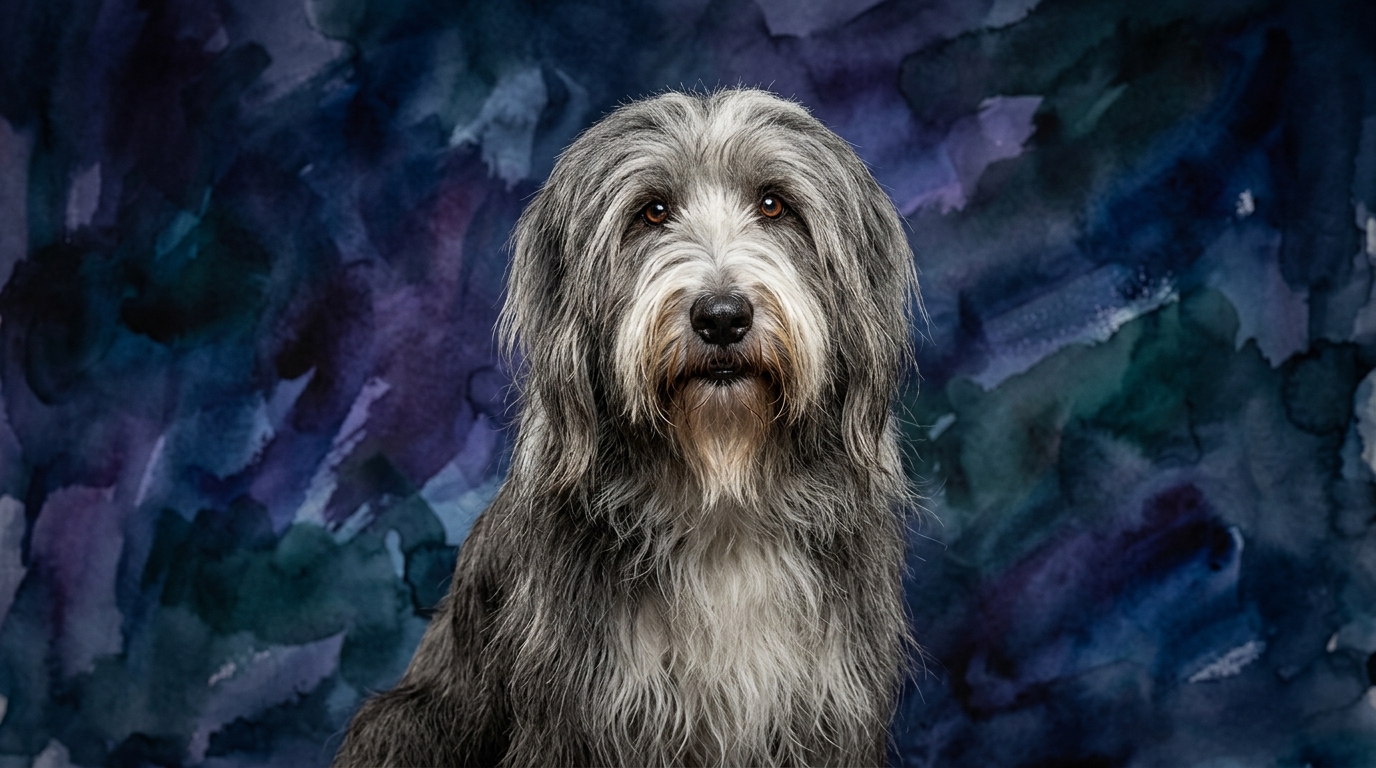
**Bearded Collie (Herding Group, Coren Rank #34):** Bearded Collies present a different set of cognitive strengths, reflecting their herding heritage. Their Problem Solving is rated 4/5; they exhibit a higher aptitude for independent thought and creative solutions, particularly when faced with novel obstacles, allowing them to assess situations and devise strategies with less direct human instruction. Training Speed is 4/5; these dogs generally pick up new commands and routines with impressive speed, their eagerness to engage and capacity to quickly associate actions with outcomes making them highly responsive learners. Social Intelligence is 3/5; while affectionate with their families, Bearded Collies typically display a more reserved approach to social interactions compared to Boxers, understanding human cues but often preferring their immediate family circle. Instinctive Drive is 3/5, primarily centered on herding, which involves managing and moving livestock; this translates into a desire for purposeful activity and 'rounding up' family members or toys, focusing more on control and management. Memory is 4/5; Bearded Collies demonstrate strong retention for learned commands, complex sequences, and environmental details, contributing to their problem-solving skills and capacity to navigate environments effectively.
Where the Boxer Shows Cognitive Advantage
The Boxer's cognitive edge lies squarely in their exceptional social intelligence, scoring a perfect 5/5. This isn't merely about friendliness; it’s a profound capacity to interpret and respond to human emotional states and subtle cues. A Boxer can often anticipate their owner's needs or mood shifts, offering comfort or initiating play at just the right moment. Their understanding extends beyond simple commands, delving into the nuances of human-dog communication. This deeply empathetic connection means they excel in roles requiring close human partnership, such as therapy work or simply being an incredibly tuned-in family companion. Their strong instinctive drive (4/5) also contributes to this, fueling their desire to engage with and protect their family, making them highly motivated by social interaction and belonging. This drive, combined with their social acumen, means they are consistently seeking to participate in family activities and thrive on being central to their human's world, translating into a dog that feels very 'in tune' with its people.
Where the Bearded Collie Shows Cognitive Advantage
Bearded Collies showcase their cognitive strengths primarily in independent problem-solving (4/5), rapid training speed (4/5), and robust memory (4/5). Their herding lineage instilled a need for autonomy and strategic thinking, allowing them to navigate complex situations—like managing a flock—without constant human intervention. This translates into a dog that can more readily figure out how to open a gate, retrieve a toy from an awkward spot, or even devise novel ways to get attention. Their quicker training speed means they grasp new concepts and commands with fewer repetitions, making them highly receptive to advanced obedience, trick training, or dog sports. This learning efficiency is bolstered by their superior memory, enabling them to retain intricate sequences of commands or recall solutions to past problems. A Bearded Collie remembers what worked, what didn't, and the specific details of their environment, contributing to their adaptable and resourceful nature. These combined attributes make them adept at tasks requiring mental agility and sustained focus.
Training Ease: Boxer vs. Bearded Collie
When comparing training ease, the Bearded Collie generally presents a swifter learning curve due to their 4/5 training speed and strong memory. They tend to grasp new commands and concepts quickly, often requiring fewer repetitions before a behavior is solidified. This efficiency stems from their inherent drive to work and their capacity for independent thought, which allows them to connect actions with outcomes more readily. However, their independent streak means motivation must be kept engaging, as they can become bored with rote repetition. In contrast, the Boxer, with a 3/5 training speed, may require more consistent reinforcement and patience during initial learning phases. Their playful enthusiasm and high social intelligence mean they are highly motivated by their human's approval and interaction, but their focus can be more easily diverted by environmental stimuli or their desire for play. While Boxers are certainly trainable and eager to please their family, their learning process might be more gradual, often benefiting from shorter, more frequent sessions and a strong emphasis on positive social rewards. The Bearded Collie's cognitive setup allows for quicker progression through complex sequences, whereas a Boxer's training success often hinges on leveraging their deep social bond and making learning a fun, interactive game.
Lifestyle Suitability: Active vs. Relaxed Owners
Considering their distinct cognitive and physical profiles, the choice between a Boxer and a Bearded Collie depends significantly on an owner's lifestyle. The Boxer's strong instinctive drive (4/5) and boundless energy, coupled with their need for deep social engagement (5/5), make them ideal for active owners who relish constant interaction and can provide ample physical exercise and mental stimulation centered around their family. They thrive in environments where they are an integral part of daily activities, whether it's vigorous play sessions, long walks, or participating in family outings. Their contentment is directly tied to their connection with their humans. For more relaxed owners, a Boxer might present a challenge due to their persistent need for engagement and activity; without it, their energy can manifest in less desirable ways. The Bearded Collie, while also requiring regular exercise, offers a different kind of engagement. Their problem-solving (4/5) and memory (4/5) strengths mean they benefit greatly from mental challenges like puzzle toys, advanced training, or dog sports that tap into their herding instincts. While affectionate, their social intelligence (3/5) is less all-consuming than a Boxer's, allowing for periods of independent activity. This makes them suitable for active owners who enjoy structured activities and mental enrichment, but they can also adapt to slightly more independent downtime if their cognitive needs are met. For owners seeking a dog that is less intensely focused on human interaction every moment and is capable of more self-directed activity after their exercise and mental needs are satisfied, a Bearded Collie might be a better fit than a Boxer's constant desire for direct social engagement.
The Verdict
Choose a Boxer if you desire a highly socially intelligent companion deeply attuned to your emotions, thriving on constant family interaction and eager participation in all aspects of your life.
Opt for a Bearded Collie if you appreciate a dog with exceptional problem-solving abilities and quick learning, suited for engaging in structured activities and mental challenges.
🧠 Find Your Pet's IQ Score
Our Pet IQ Lab assessment covers 25+ tests across 5 cognitive dimensions — personalized to your breed.
Take the Full IQ Test →Frequently Asked Questions
Do Boxers need a lot of exercise?
Yes, Boxers possess a robust instinctive drive and high energy levels, requiring significant daily physical activity like vigorous play and long walks to remain content and well-behaved. Their need for engagement is strong, making regular exercise crucial for their well-being.
Are Bearded Collies good with children?
Bearded Collies can be good with children, especially when raised with them and properly socialized. Their herding instincts might lead them to 'gather' children, so gentle guidance and supervision are always recommended for harmonious interactions.
Which breed is more vocal?
Boxers are generally known for their expressive vocalizations, including 'woo-woos' and playful growls, often communicating their excitement or needs. Bearded Collies can also be vocal, often using barks to alert or express their herding tendencies, but their vocal repertoire might differ in context and frequency.