Side-by-Side Cognitive Profiles
The Cosmic Pet Pet IQ Lab's assessment provides a detailed look at the cognitive strengths of both breeds across five key dimensions. Understanding these profiles helps illuminate their natural aptitudes and behavioral tendencies.
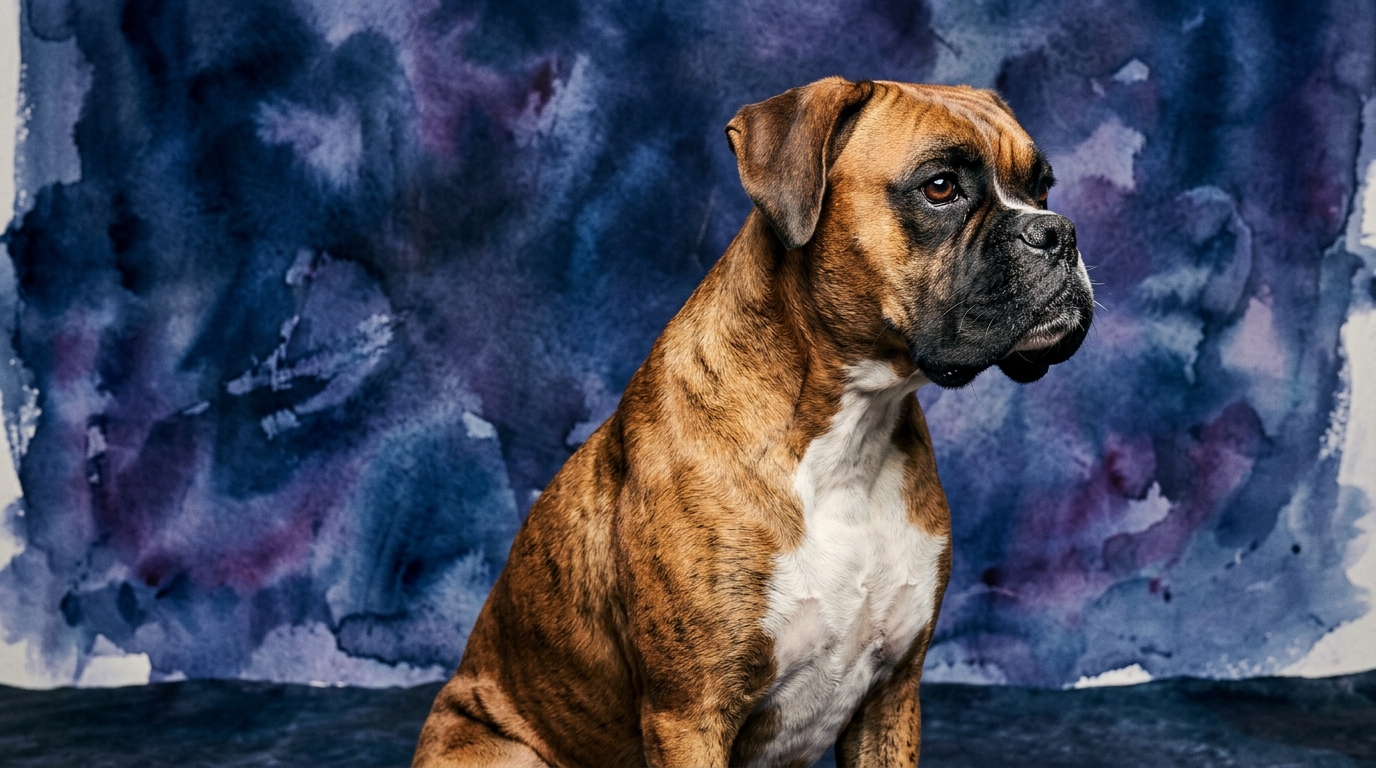
**Boxer IQ Profile:** Problem Solving (3/5): Boxers show a moderate capacity for independent problem-solving, tackling simple puzzles or familiar environments efficiently. Complex, novel challenges might require guidance, often approached with enthusiasm that can lead to impulsive actions over methodical thought. Training Speed (3/5): They learn new commands at a steady pace, generally eager to please and responsive to positive reinforcement. However, their energetic nature and occasional “selective hearing” necessitate consistency to embed new behaviors effectively. Social Intelligence (5/5): This is their forte. Exceptional social intelligence allows Boxers to read human emotions and intentions with remarkable accuracy, fostering deep, intuitive bonds. They are highly attuned to family moods, adapting behavior to comfort or engage, making them superb companions. Instinctive Drive (4/5): From their hunting and guard dog heritage, Boxers possess a robust instinctive drive. This manifests as a strong prey drive, protective instincts, and a desire for physical activity. They thrive when these innate urges are channeled through structured play or tasks. Memory (3/5): Their memory is solid, retaining learned commands, routines, and experiences well. They remember people and places, and recall past training, though less frequently used skills might need occasional refreshers.
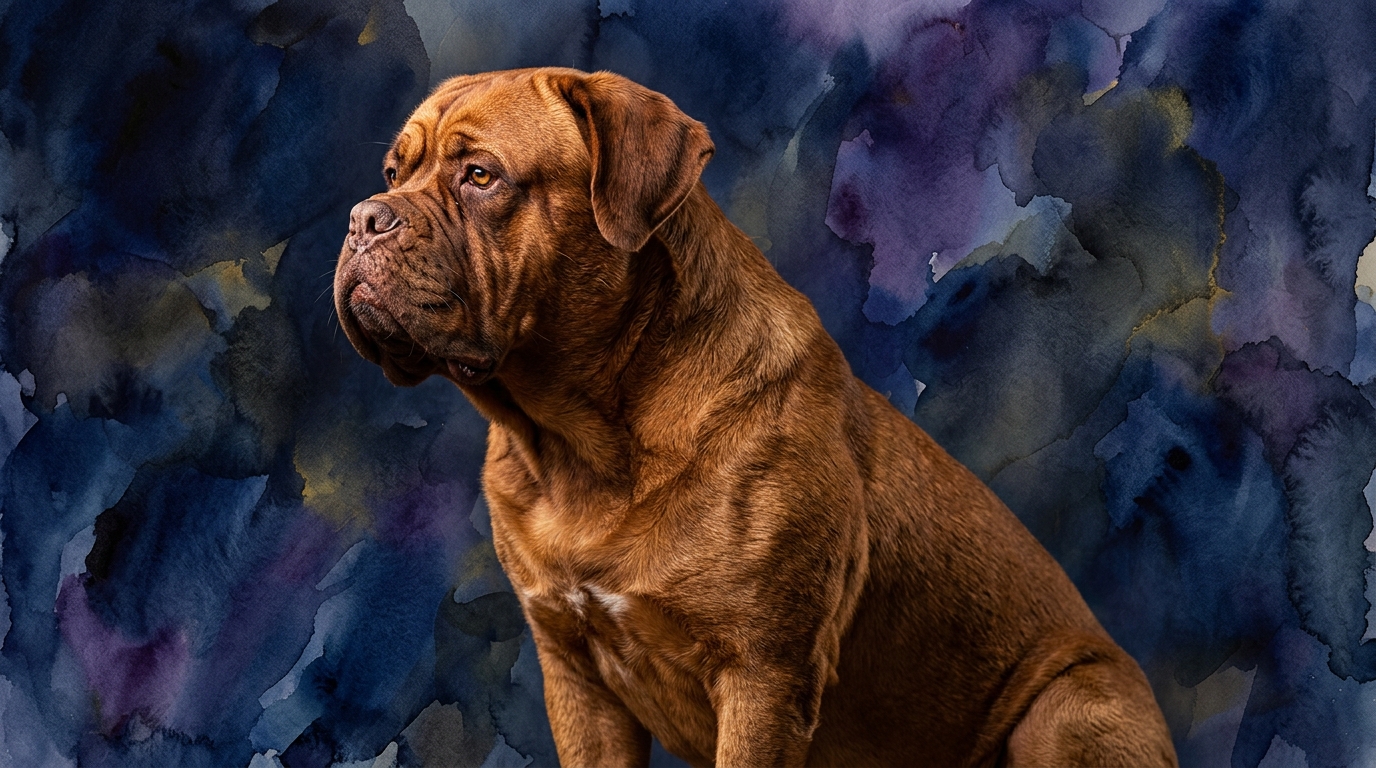
**Dogue de Bordeaux IQ Profile:** Problem Solving (3/5): Dogue de Bordeaux dogs show moderate aptitude for problem-solving, managing everyday challenges and adapting to routines. They approach new problems deliberately, sometimes ponderously, not typically inclined to rapid, inventive solutions without clear direction. Training Speed (3/5): Comparable to the Boxer's, they learn new tasks at a moderate pace. However, their more independent temperament means patience and repetition are often needed, responding best to calm, consistent methods rather than overt eagerness to please. Social Intelligence (3/5): They possess moderate social intelligence, forming strong bonds within their immediate family, where they are affectionate. While reading familiar human cues, they lack the Boxer’s nuanced emotional attunement or adaptability, often preferring reserved interactions with strangers. Instinctive Drive (3/5): Their instinctive drive is moderate. While retaining protective instincts as historical guardians, their drive for active engagement or prey pursuit is generally less pronounced. They are often content with less strenuous activity, preferring to survey their surroundings. Memory (3/5): The Dogue de Bordeaux has good memory for established routines, commands, and people. Once learned, behaviors tend to stick. Similar to the Boxer, infrequent practice might require occasional reminders for specific skills.
Where the Boxer Wins Cognitively
The Boxer's cognitive profile reveals several distinct advantages, primarily stemming from their exceptional social intelligence and robust instinctive drive.
**Social Acuity and Emotional Resonance:** The Boxer's standout social intelligence (5/5 vs Dogue's 3/5) gives them a superior ability to perceive and respond to human emotions. They are remarkably empathetic, often sensing owner's moods and adjusting behavior, making them exceptionally intuitive companions capable of profound emotional connection. A Boxer might gently nudge a crying owner or bring a toy to someone feeling down, demonstrating sophisticated social understanding.
**Adaptability in Social Settings:** This high social intelligence also translates into greater adaptability in varied social environments. Boxers are generally more open and welcoming to new people, quickly assessing cues and integrating into new group dynamics with ease. This makes them versatile for households with frequent visitors or social outings.
**Proactive Engagement:** The Boxer's higher instinctive drive (4/5 vs Dogue's 3/5) combined with their social nature often results in a more proactive approach to engagement. They are more likely to initiate play and seek interaction, actively participating in family activities. This forwardness, rooted in their working heritage, means they are often dynamic partners in games and training.
Where the Dogue de Bordeaux Wins Cognitively
While the Dogue de Bordeaux's scores are consistently moderate, this reflects a unique cognitive strength centered around composure and stability, rather than active engagement.
**Deliberate Composure:** While not a “win” in terms of higher score, the Dogue de Bordeaux's moderate scores across categories often reflect a more deliberate, composed cognitive style. Their less intense instinctive drive and social intelligence mean they are less prone to impulsive reactions or over-excitement in novel situations. This translates to a calm, steady presence, making them less reactive to sudden stimuli.
**Focused Guarding Instinct:** Although their instinctive drive is rated lower overall, the Dogue de Bordeaux's historical role as a guardian means that when protective instincts engage, they display unwavering resolve. This isn't about rapid problem-solving but a steadfast determination in their perceived duty, often expressed through watchful stillness rather than boisterous action. Their cognitive strength lies in maintaining a calm, authoritative presence.
**Predictable Stability:** The Dogue de Bordeaux's consistent moderate scores suggest a predictable cognitive profile. They are less prone to sudden energy bursts. This stability means their responses and learning patterns are often more consistent, advantageous for owners preferring a dog with an even temperament and less variability in daily cognitive output. Their memory (3/5) supports reliable adherence to established patterns.
Training Dynamics: Which is Easier and Why?
Comparing the ease of training between Boxers and Dogue de Bordeaux, despite both having a 3/5 training speed, reveals distinct approaches and challenges.
**Boxer:** While both share a 3/5 training speed, the Boxer often seems “easier” due to their exceptional social intelligence (5/5) and higher instinctive drive (4/5). Boxers are intensely people-oriented, thriving on interaction and positive feedback. This strong desire to please means they are highly motivated for training, viewing it as shared activity. Their higher drive makes them enthusiastic learners, especially for tasks involving movement. However, their boundless energy and boisterousness can cause distraction, requiring patient, consistent handling and short, engaging sessions. Early impulse control training is crucial due to their impulsivity.
**Dogue de Bordeaux:** The Dogue de Bordeaux, despite the same 3/5 training speed, can be more challenging for novice trainers due to their independent nature and moderate social intelligence (3/5). While forming deep bonds, their motivation isn't always overt eagerness to please. They might require more intrinsic motivation or a clearer understanding of “what’s in it for them.” Their deliberate cognitive style means slower processing of commands and less enthusiastic repetition. Consistency, calm reinforcement, and patience are paramount; they respond poorly to harsh methods. Their less intense instinctive drive means they prefer sedate training approaches over high-energy games.
Matching Breeds to Owner Lifestyles
The cognitive and behavioral differences between these two breeds make them suitable for very different owner lifestyles.
**Boxer (Active Owners):** The Boxer is an ideal match for active owners who relish energetic companionship and shared activities. Their 4/5 instinctive drive and high social intelligence mean they crave both physical and mental engagement. They excel in households providing ample exercise like long walks, runs, fetch, or dog sports. Boxers thrive on being an integral, active part of family life, needing owners who can channel their exuberance into constructive outlets and appreciate their playful personality. Owners enjoying training and interactive play will find the Boxer an enthusiastic partner.
**Dogue de Bordeaux (Relaxed Owners):** The Dogue de Bordeaux, with its moderate instinctive drive and composed demeanor, suits relaxed owners appreciating a calm, steadfast presence. While needing regular exercise for health, their requirements are less intense than a Boxer's. They are often content with moderate walks and prefer resting near family, acting as a watchful, devoted companion. Owners who enjoy a quiet home and are prepared for a dog with an independent streak, offering immense loyalty, will find the Dogue de Bordeaux rewarding. They fit well into a household valuing a gentle giant's calm companionship over constant high-energy interaction.
The Verdict
Opt for a Boxer if you seek an emotionally perceptive, highly interactive, and energetic companion eager to participate actively in family life and engage in consistent training and play.
Select a Dogue de Bordeaux if you prefer a calm, steadfast, and loyal companion who thrives on a more relaxed pace and offers a quiet, devoted presence without constant high-energy demands.
🧠 Find Your Pet's IQ Score
Our Pet IQ Lab assessment covers 25+ tests across 5 cognitive dimensions — personalized to your breed.
Take the Full IQ Test →Frequently Asked Questions
Are Boxers good family dogs?
Yes, Boxers often excel as family dogs due to their exceptional social intelligence and affectionate nature. They form strong bonds with all family members, including children, and are typically playful and protective, thriving on being part of the family unit.
How much exercise does a Dogue de Bordeaux need?
A Dogue de Bordeaux needs moderate exercise, typically 30-60 minutes per day, which can include a good walk or some playtime in a secure yard. While not as high-energy as some breeds, consistent activity is vital for their physical health and mental well-being.
Is a Dogue de Bordeaux difficult to train?
A Dogue de Bordeaux can present a moderate training challenge due to their independent nature and deliberate cognitive style. They require consistent, patient training with positive reinforcement, and benefit from an owner who understands their more reserved approach to learning.