Side-by-Side Cognitive Profiles
At The Cosmic Pet Pet IQ Lab, we evaluate canine intelligence across five key dimensions. Let's delve into how the Boxer and Italian Greyhound measure up individually.
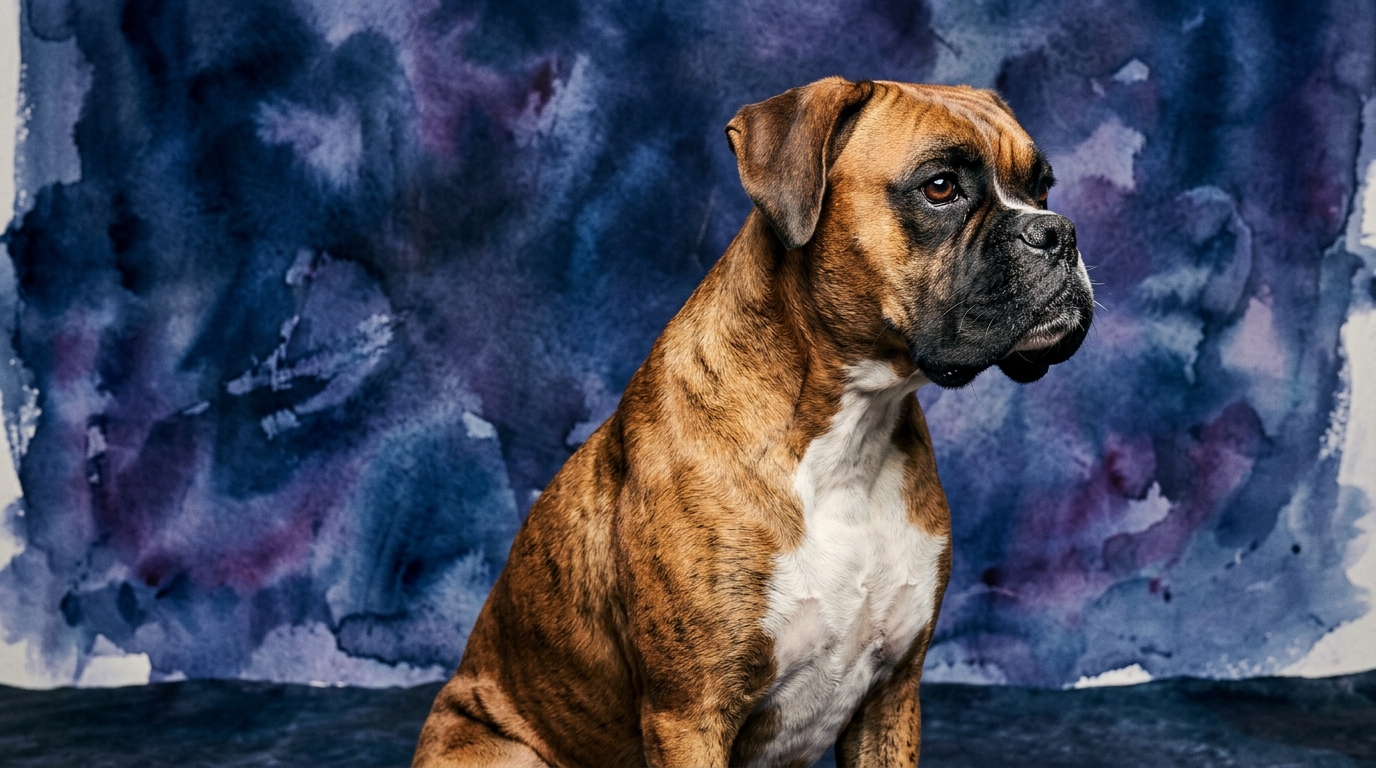
The Boxer, a Working Group dog with a Coren rank of #48, exhibits a balanced yet uniquely specialized cognitive makeup. Their Problem Solving is rated 3/5, indicating an average capacity for navigating moderately complex challenges, often relying on guidance rather than novel, independent solutions. Training Speed is also 3/5, meaning they grasp new commands and routines at a steady pace, requiring consistent repetition and positive reinforcement. Where Boxers truly shine is in Social Intelligence, scoring an exceptional 5/5; they are deeply attuned to human emotions and social cues, fostering profound bonds and responsive companionship. Their Instinctive Drive is an above-average 4/5, rooted in their working heritage, manifesting as a strong desire for physical engagement and playful, energetic interaction. Finally, their Memory is 3/5, reliably retaining learned behaviors and recognizing familiar individuals and places over time.
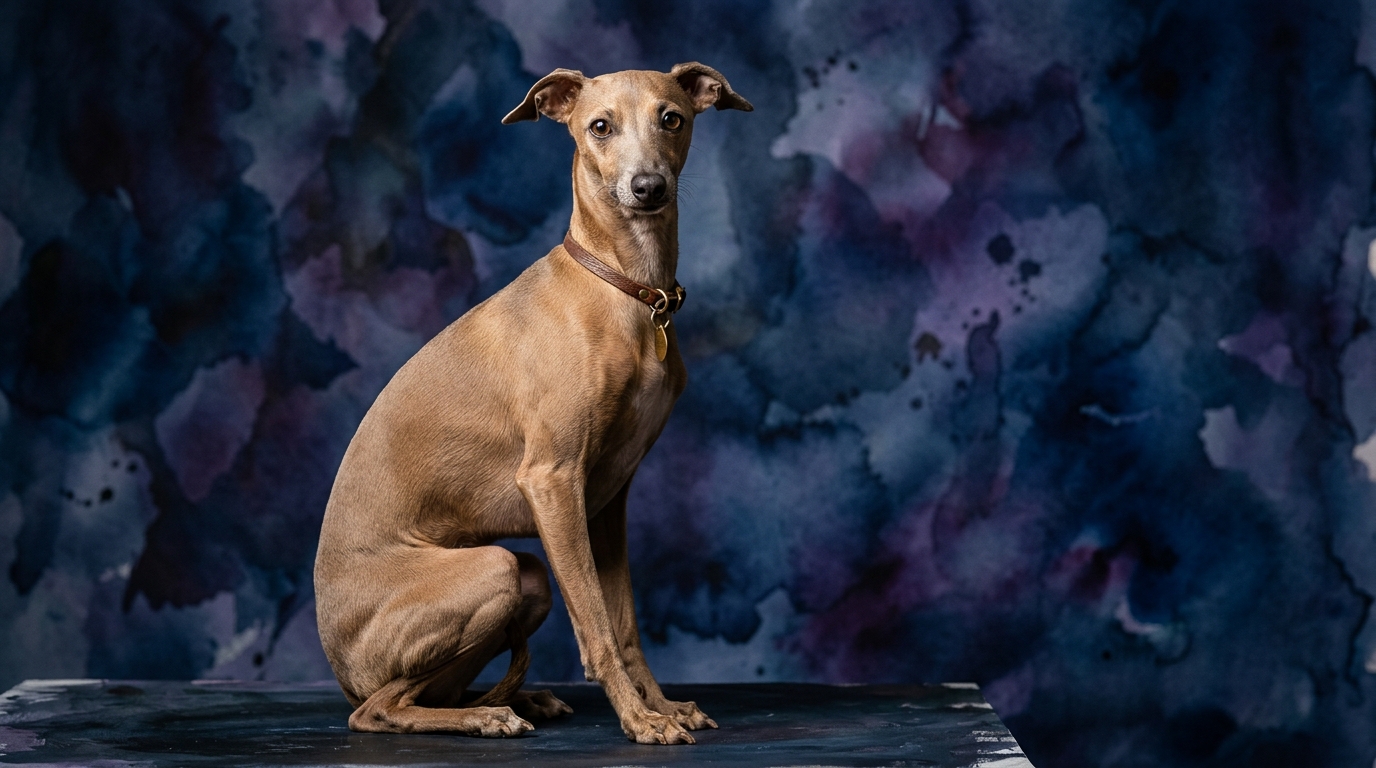
The Italian Greyhound, a Toy Group dog not listed in Coren's rankings, presents a consistently average cognitive profile across all dimensions. Their Problem Solving ability is 3/5, capable of basic puzzles but not typically seeking complex mental challenges independently. Training Speed also sits at 3/5, implying commands are learned with patience and clear methods at an average speed, though their attention spans can be shorter for repetitive drills. Social Intelligence is 3/5; they display average social acumen, forming affectionate bonds with their chosen people but with a less pronounced understanding of broader social cues. Their Instinctive Drive is 3/5, primarily centered on typical sighthound traits like chasing small objects and a strong desire for comfort and warmth. Lastly, their Memory is 3/5, remembering routines and family without exhibiting exceptional recall for intricate details.
Where the Boxer Shows Cognitive Advantage
The Boxer's primary cognitive advantage is their exceptional social intelligence (5/5). This goes beyond mere affection, signifying a profound ability to interpret nuanced human emotions, anticipate needs, and adapt their behavior within complex household dynamics. A Boxer might instinctively offer comfort during distress or discern a playful tone from a serious command, making them incredibly empathetic and responsive companions who forge deep connections. Additionally, their above-average instinctive drive (4/5), stemming from their working background, provides a cognitive edge. This drive fuels a robust enthusiasm for physical and mental engagement, manifesting as eagerness for structured games, agility, or obedience tasks. While their problem-solving and training speeds are average, this potent combination of social attunement and strong drive makes them highly motivated partners, actively seeking purpose and interaction within their human family.
Where the Italian Greyhound Shows Cognitive Advantage
The Italian Greyhound's cognitive strength lies in its balanced and adaptable profile, not in a single superior dimension. With average scores across problem-solving (3/5), training speed (3/5), social intelligence (3/5), instinctive drive (3/5), and memory (3/5), they offer consistent capability without the intense mental demands or strong drives requiring constant management seen in some working breeds. This cognitive equilibrium translates to a smooth adaptation to various domestic settings. Their average instinctive drive, primarily focused on sighthound tendencies rather than complex tasks, simplifies their integration into a quiet home. They thrive where comfort, warmth, and close companionship are prioritized over intricate mental challenges. Their balanced cognitive makeup makes them adept at maintaining a calm, agreeable demeanor, ideal for owners seeking a companion that fits seamlessly into a relaxed lifestyle without requiring robust cognitive or physical exertion.
Training Dynamics: Boxer vs. Italian Greyhound
Assessing which breed is 'easier' to train requires considering not just training speed, but also motivational factors and inherent behavioral tendencies. Both Boxers and Italian Greyhounds share an average training speed (3/5), implying neither learns exceptionally fast nor slowly. However, their differing social and instinctive drives shape the training experience.
The Boxer’s exceptional social intelligence (5/5) is a significant asset. They are profoundly motivated by human interaction, praise, and the desire to please, making them highly responsive to positive reinforcement that strengthens their bond. Their above-average instinctive drive (4/5) provides ample energy and enthusiasm, which, when channeled, makes them eager participants in obedience or agility. While their exuberance requires consistent structure, their eagerness to engage makes the training process collaborative and rewarding.
Conversely, the Italian Greyhound’s average social intelligence (3/5) and instinctive drive (3/5) mean their training motivation often leans more towards immediate rewards or comfort than pleasing their handler. Their attention can be fleeting, and they might be less inclined towards repetitive tasks without clear, consistent benefits. Sighthound instincts make them easily distracted by movement, demanding a controlled training environment. Housetraining can be particularly challenging due to their small bladders and aversion to cold or wet weather, requiring extra patience and management. Thus, while both breeds require consistency, the Boxer's inherent desire for social engagement and eagerness to work with their human often renders the training journey more fluid and less prone to motivational hurdles, despite similar learning speeds.
Lifestyle Match: Active vs. Relaxed Owners
The cognitive profiles of these breeds clearly align with different owner lifestyles. Active owners will find an ideal companion in the Boxer. Their above-average instinctive drive (4/5) demands regular physical activity and mental engagement, thriving on structured play, obedience, or canine sports. A Boxer’s average problem-solving and training speed, combined with strong social intelligence, means they are enthusiastic partners in activities involving their human family. They possess the mental and physical stamina for hiking, running, or sustained outdoor adventures, requiring consistent stimulation to remain balanced and fulfilled. Owners who can provide this robust engagement will discover a joyful, devoted partner.
For relaxed owners, the Italian Greyhound is an excellent match. Their average instinctive drive (3/5) translates to more modest energy requirements, content with short bursts of play followed by extensive rest. Their average cognitive scores across all dimensions mean they lack the intense mental demands or robust drives necessitating constant high-level engagement. They flourish in environments prioritizing warmth, security, and quiet companionship. An Italian Greyhound will happily spend hours curled on a lap, only seeking brief, enjoyable romps. Their social intelligence, though average, is sufficient for deep, affectionate bonds within a calm household. They are ideal for those who appreciate a graceful, quiet presence and can offer consistent affection and a predictable routine without demanding high-intensity cognitive or physical work.
The Verdict
Opt for a Boxer if you are an active individual or family seeking a highly social, energetic, and deeply empathetic companion eager to participate in training and physical activities. Their strong bond and desire to engage make them excellent partners for owners who can provide consistent structure and outlets for their robust drive.
Select an Italian Greyhound if you desire a graceful, affectionate, and relatively low-maintenance companion well-suited to a calm, relaxed household where comfort and quiet companionship are priorities. They thrive with owners who appreciate their gentle nature and can offer consistent affection without demanding intense physical or mental exertion.
🧠 Find Your Pet's IQ Score
Our Pet IQ Lab assessment covers 25+ tests across 5 cognitive dimensions — personalized to your breed.
Take the Full IQ Test →Frequently Asked Questions
Do Boxers need a lot of mental stimulation?
Boxers benefit from regular mental engagement, primarily through training that leverages their strong social intelligence and instinctive drive. While their problem-solving ability is average, interactive play and consistent obedience work keep their minds active and prevent boredom.
Are Italian Greyhounds difficult to housetrain?
Italian Greyhounds can present challenges with housetraining due to their small bladders and a strong preference for warmth, making outdoor excursions in inclement weather unappealing. Consistent routines, frequent potty breaks, and positive reinforcement are crucial for success.
How do their social intelligence scores impact their family life?
A Boxer's exceptional social intelligence means they are highly attuned to family dynamics, often anticipating needs and showing deep empathy, fostering profound bonds. An Italian Greyhound's average social intelligence means they form strong, affectionate bonds with their immediate family but may be less broadly attuned to complex social cues.