
The Boxer's Cognitive Blueprint: A Working Dog's Mind
The Boxer, a member of the Working Group, is ranked #48 by Coren, indicating a solid foundation for understanding and executing commands. Their Pet IQ Lab scores paint a detailed picture: a Problem Solving ability of 3/5 suggests they can navigate moderately complex scenarios, perhaps figuring out how to retrieve a toy from under furniture or understand a simple sequence of actions. They are not typically master escape artists but can apply learned solutions to new, similar challenges. Their Training Speed, also at 3/5, implies they absorb new commands at a steady pace, requiring consistent, positive reinforcement to solidify learning.
Where the Boxer truly stands out is in Social Intelligence, scoring an impressive 5/5. This reflects an exceptional capacity to read human emotions, understand social cues, and integrate seamlessly into a family unit, often forming deep, empathetic bonds. This high social acumen makes them particularly attuned to their owners' moods and intentions. Their Instinctive Drive, rated 4/5, points to a strong internal motivation for tasks, interaction, and physical activity, stemming from their heritage as guarding and working dogs. This drive manifests as a readiness to engage and a natural inclination towards purpose-driven activities. Finally, a Memory score of 3/5 means Boxers retain learned behaviors and routines reliably over time, making once-learned commands and house rules generally stick.
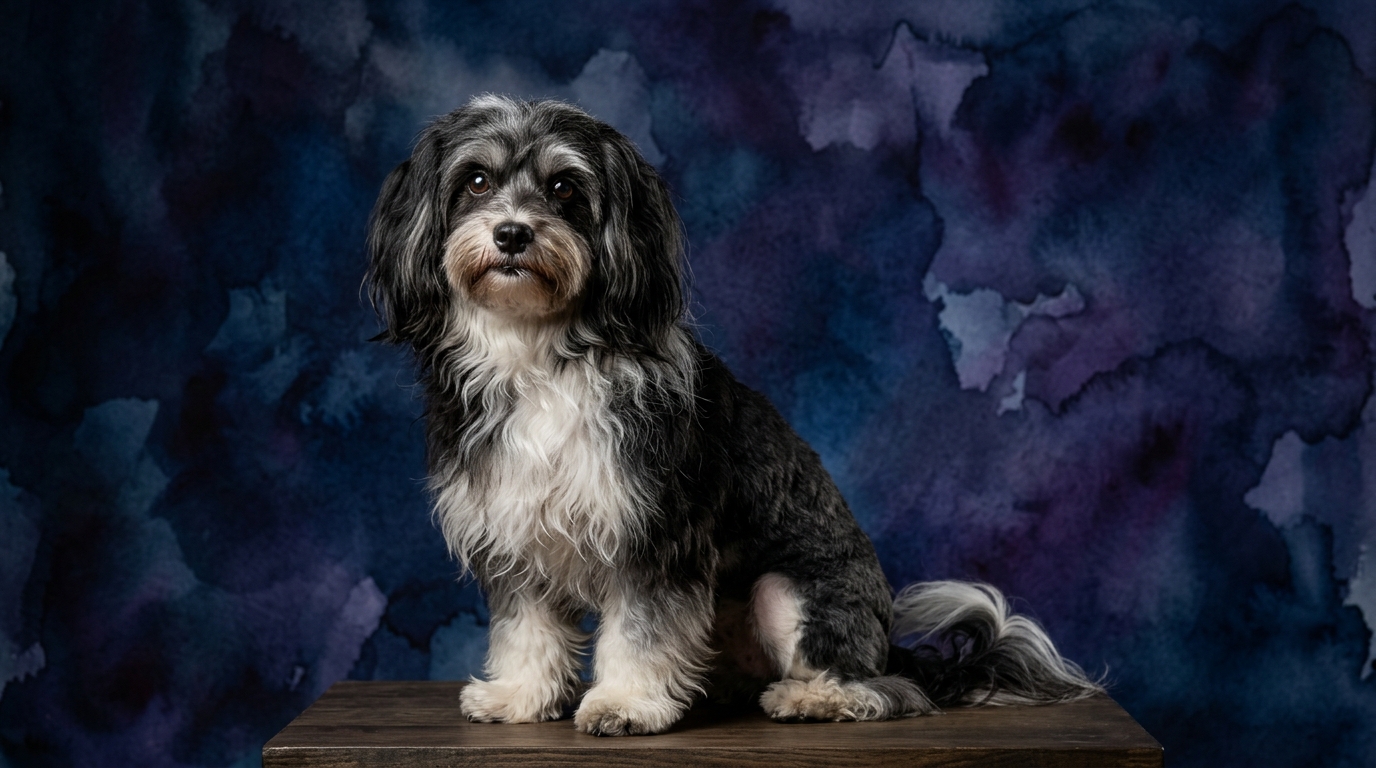
The Löwchen's Cognitive Blueprint: A Companion's Equilibrium
The Löwchen, or 'Little Lion Dog,' belongs to the Non-Sporting Group and is not Coren-ranked, suggesting their primary role has historically been companionship rather than complex tasks. Their Pet IQ Lab scores present a remarkably consistent profile across all dimensions: Problem Solving 3/5, Training Speed 3/5, Social Intelligence 3/5, Instinctive Drive 3/5, and Memory 3/5. This uniformity points to a balanced and adaptable cognitive structure, rather than a specialized one. Their 3/5 in Problem Solving indicates they can handle common household dilemmas, like navigating obstacles to reach a desired treat, but they are unlikely to devise elaborate strategies for complex puzzles.
A Training Speed of 3/5 means Löwchens learn at a moderate, steady pace, responding well to patient, positive instruction. They are not typically quick to pick up every new trick instantly but are perfectly capable with consistent effort. Their Social Intelligence at 3/5 signifies a good capacity for family integration and understanding basic human-dog communication, forming affectionate bonds without the intense empathetic sensitivity seen in some other breeds. An Instinctive Drive of 3/5 suggests a moderate internal motivation for play and activity, making them neither overly demanding nor entirely sedentary. Lastly, their Memory score of 3/5 ensures they reliably recall learned commands and routines, making them predictable and manageable family members once trained.
Where the Boxer Shows Cognitive Superiority
The Boxer clearly distinguishes itself with its exceptional Social Intelligence (5/5). This means a Boxer is profoundly aware of its human companions' emotional states and social cues, often anticipating needs or reacting sensitively to moods. For an owner, this translates into a dog that feels deeply connected and responsive, making them excellent therapy dogs or family members who seem to 'understand' their people. This dimension allows Boxers to integrate into family dynamics with remarkable finesse, often becoming the emotional anchor of a household.
Furthermore, the Boxer's higher Instinctive Drive (4/5 versus Löwchen's 3/5) indicates a stronger intrinsic motivation for engagement and activity. This drive makes them more inclined to participate in structured play, canine sports, or tasks that require sustained effort. While both breeds enjoy interaction, the Boxer's drive pushes them towards more vigorous and prolonged participation, reflecting their working heritage. This cognitive trait means they often thrive with a 'job' or a consistent outlet for their energy and focus, even if that job is just rigorous fetch sessions.
Where the Löwchen Demonstrates Unique Strengths
While the Löwchen doesn't boast higher scores in any single cognitive dimension, its consistent 3/5 across the board represents a balanced and highly adaptable cognitive profile. This equilibrium means they are less prone to extremes in behavior driven by intense instinctive urges or overwhelming social needs. For owners seeking a companion that is reliable and generally even-tempered across various situations, this balanced intelligence is a significant advantage. They are not easily overstimulated nor are they difficult to motivate, striking a pleasant middle ground.
The Löwchen's moderate Instinctive Drive (3/5) and Social Intelligence (3/5) can be a strength for owners who appreciate a dog that is affectionate but not overly demanding of constant attention or vigorous activity. They are content with moderate engagement and do not suffer from the same potential for frustration if their 'working' needs are not met as a higher-drive dog might. This makes them cognitively less complex to manage for individuals or families whose lifestyle doesn't revolve around extensive dog-centric activities, offering a comfortable and undemanding intellectual presence.
Training Dynamics: Boxer vs. Löwchen
When it comes to training, both breeds share a 3/5 Training Speed, meaning neither is a lightning-fast learner, but both are perfectly capable with consistent effort. However, the Boxer's superior Social Intelligence (5/5) provides a significant advantage. A Boxer's profound desire to connect and please their human makes them highly motivated to cooperate during training sessions. They are often more attuned to their owner's expressions of approval or disappointment, which can be leveraged effectively in positive reinforcement training. This social attunement means they are often more responsive to verbal cues and body language, making the training process feel more like a collaborative endeavor.
The Löwchen's 3/5 Social Intelligence means they will respond to training, but perhaps with less intense focus on their owner's emotional state. They are responsive to rewards and clear commands but may not possess the same innate drive to 'work for' human approval. Training a Löwchen requires patience and consistency, relying more on established routines and reward systems rather than deep emotional reciprocity during the learning phase. They are not stubborn, but their motivation is more directly tied to the immediate reward or the established habit rather than an overarching desire for profound human connection during structured learning tasks.
Lifestyle Suitability: Active vs. Relaxed Owners
For active owners, the Boxer is generally the more suitable choice due to its higher Instinctive Drive (4/5) and robust physical capabilities. They thrive in environments where they receive consistent physical exercise and mental engagement, such as long walks, jogs, structured play, or participation in dog sports like agility or obedience. Their social intelligence also means they enjoy being included in family outings and activities, making them excellent companions for adventurous individuals or families who lead an energetic lifestyle. A Boxer needs an owner who can commit to fulfilling their need for purpose and movement, otherwise, their considerable energy can manifest as boredom or destructive behaviors.
Relaxed owners will likely find the Löwchen a more fitting companion. With a moderate Instinctive Drive (3/5), they are content with regular but not extensive walks and enjoy indoor play. Their balanced cognitive profile means they adapt well to a quieter home environment, enjoying cuddles and gentle interaction without constantly demanding attention or intense mental stimulation. While they still benefit from consistent engagement and training, their needs are less demanding than a Boxer's. They are ideal for individuals or families who prefer a calm, affectionate presence and a dog that doesn't require an exhaustive exercise regimen to remain content.
The Verdict
Choose a Boxer if you are an active individual or family seeking a deeply social, highly engaged companion who thrives on purpose, consistent activity, and forms profound emotional bonds.
Choose a Löwchen if you prefer a balanced, adaptable companion with moderate energy needs, a pleasant disposition, and a reliable intellect that integrates smoothly into a more relaxed household.
🧠 Find Your Pet's IQ Score
Our Pet IQ Lab assessment covers 25+ tests across 5 cognitive dimensions — personalized to your breed.
Take the Full IQ Test →Frequently Asked Questions
Do Boxers require more mental stimulation than Löwchens?
Yes, Boxers, with their higher instinctive drive and social intelligence, generally benefit from more structured mental engagement. While Löwchens are intelligent, their needs are more moderate, making them content with routine interaction and less intense problem-solving tasks.
Which breed is better for first-time dog owners?
The Löwchen's balanced cognitive profile and moderate needs often make them a more manageable choice for first-time dog owners. Boxers, while highly social, require an owner who can consistently manage their higher energy and strong drive, which can be challenging for novices.
Are Boxers more prone to separation anxiety due to their social intelligence?
Boxers' exceptional social intelligence and deep bonding capacity can make them more susceptible to separation anxiety if not properly conditioned. Their strong need for companionship means they thrive when integrated into family life and can struggle if left alone for extended periods without adequate preparation.